

What Is PPC Marketing?
 Punit Kumar23 Feb, 2026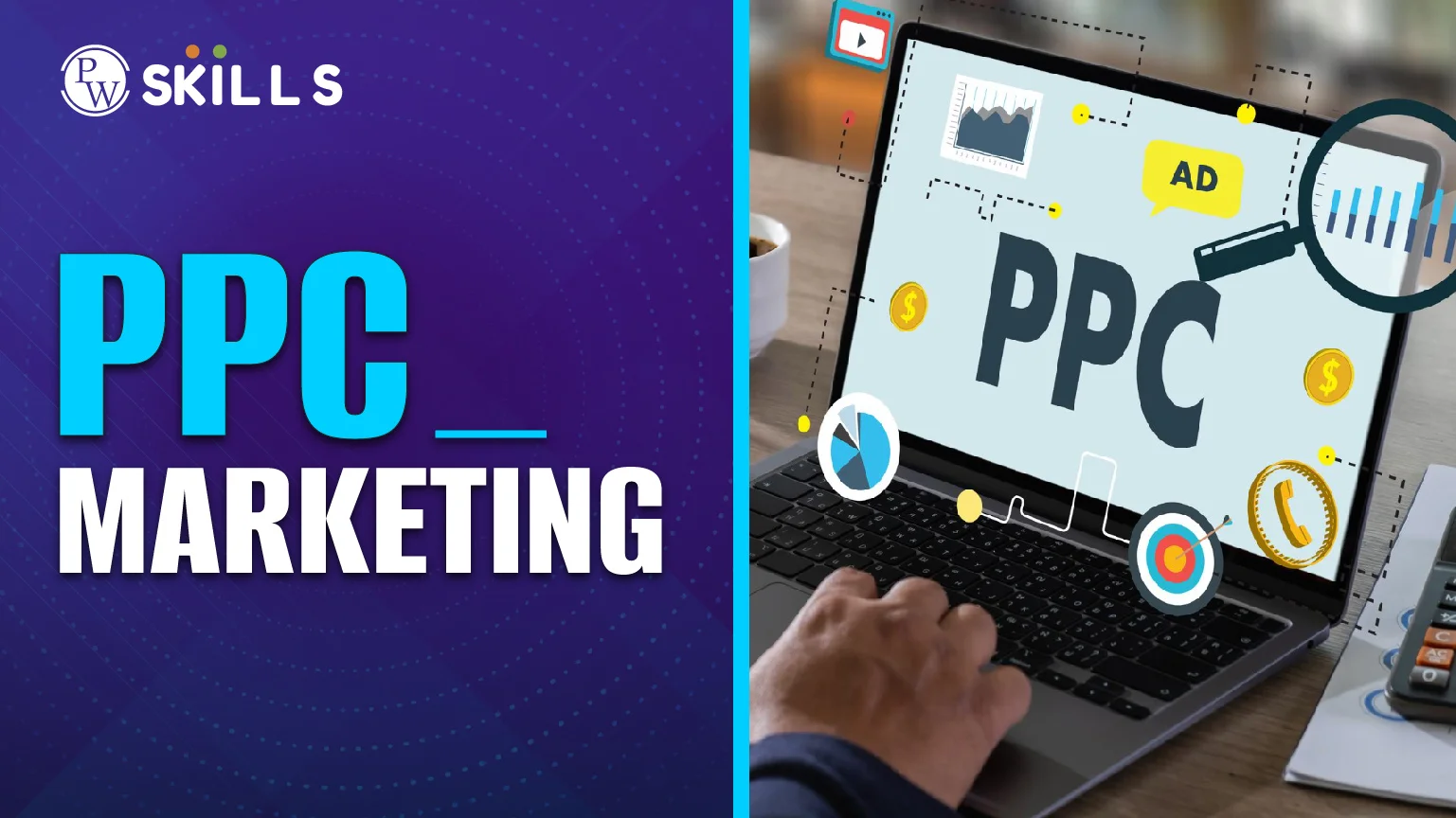
Imagine you are looking for a new pair of football boots online. You type your query into a search engine, and the very first results you see have a small "Sponsored" or "Ad" label next to them. This is the world of PPC marketing. For many students and small business owners, understanding how these ads work can feel like trying to solve a complex puzzle. However, at its core, it is simply a way of using internet advertising to direct traffic to a specific website.
PPC Marketing Meaning
To grasp the meaning, you should think of it as a silent auction that happens in milliseconds. PPC stands for Pay-Per-Click. In this model, advertisers do not pay for their ad just to sit on a page; they only pay when a curious user actually clicks on it. This system is quite popular since it makes everyone happy:- Searchers search for things and can find products or services that meet their wants.
- Search engines make money from ads while also giving people a helpful service.
- Advertisers can reach a very specific group of people who are already interested in what they have to offer.
Components of Paid-Per-Click Marketing
There are a few key parts that all effective PPC campaigns have in common that help them get the proper people to click, engage, and convert:| Component | Why It Matters |
| Keywords | Connects your ad to the user's intent. |
| Ad Copy | The text that convinces the user to click. |
| Landing Page | The page on your site where the user lands; it must be relevant. |
| Conversion | The final goal, like a sale or a sign-up. |
Key Benefits of Using Paid-Per-Click Marketing
Why do businesses spend billions on Pay-Per-Click marketing every year? The answer lies in the precision and the results. Unlike a billboard on a motorway that everyone sees (even if they don't drive), a search ad only shows up for people interested in that specific topic.- Instant Traffic: You can set up an account and have visitors on your site within an hour.
- Measurable ROI: You can see exactly how many pounds you spent and how many pounds you made in return.
- Targeting Options: You can show ads only to people in a specific city, or only to people using mobile phones.
- Brand Awareness: Even if people don't click, they see your business name at the top of the page, which builds trust over time.
How Does PPC Marketing Work?
The process behind Pay-Per-Click marketing is driven by keywords. Keywords are the specific words or phrases that people type into a search bar. Before an ad appears, an automated auction takes place.- The Bid: The advertiser tells the platform the maximum amount of money they are willing to pay for a click.
- Quality Score: The search engine looks at how relevant and helpful the ad is to the user.
- Ad Rank: By combining the bid amount and the quality score, the platform decides which ad gets the top spot.
| Feature | Description |
| Cost | You only pay when someone interacts with the ad. |
| Control | You can choose exactly who sees your ad based on location or interests. |
| Speed | Unlike SEO, which takes months, these ads can show up instantly. |
| Data | You get detailed reports on how many people clicked and what they did next. |
Common PPC Marketing Examples in Daily Life
You encounter examples every single day, often without realising it. While search ads are the most famous, there are several other types that help businesses grow.- Search Ads: These appear at the top of Google results. If you search for "best pizza near me," the first few results are usually paid ads.
- Display Ads: These are the visual banners or boxes you see on news websites or blogs. They use images to catch your eye.
- Social Media Ads: When you are scrolling through Instagram or Facebook and see a post labelled "Sponsored," that is a form of pay-per-click advertising.
- Remarketing: Have you ever looked at a pair of shoes on a website, only to see an ad for those exact shoes on a different website later? That is remarketing, a clever way to remind you to finish your purchase.
The Role of a PPC Marketing Agency
Many big companies do not manage their ads themselves. Instead, they hire an agency to write catchy headlines. An agency helps a business by:- Researching Keywords: Finding out what people are actually searching for.
- Managing Budgets: Ensuring that the company does not spend too much money on clicks that don't lead to sales.
- A/B Testing: Creating two versions of an ad to see which one performs better.
- Tracking Results: Using tools to show exactly how much profit the ads are making.
PPC Marketing Jobs and Career Opportunities
Because every business wants to be on the first page of Google, the demand for experts is rising. If you enjoy looking at data and being creative, you might look into these jobs. It is a career path that blends maths with psychology. Common roles in this field include:- PPC Specialist: The person who sets up and monitors the daily performance of ads.
- Digital Marketing Manager: Someone who oversees all online ads, including social media and search.
- Search Engine Marketing (SEM) Analyst: A data-focused role that looks at trends and costs to improve efficiency.
Challenges in PPC Marketing
While it sounds easy to just "buy" customers, such type of marketing requires careful strategy. If you choose the wrong keywords, you might spend a lot of money on clicks from people who have no intention of buying anything. For instance, if you sell "high-end watches" but bid on the keyword "free watches", you will get a lot of clicks but no sales. This is why monitoring your "negative keywords"—the words you don't want to show up for—is just as important as choosing your main keywords.More Read About What Is PPC Marketing :
- Digital Marketing Courses: Learn SEO, PPC, & Social Media
- Performance Marketing With AI Course by PW Skills
- Types of Digital Marketing: Know About Trending Styles
Digital Marketing Topics
🔹 Digital Marketing Introduction & Fundamentals |
🔹 SEO (Search Engine Optimization) |
🔹 Content Marketing |
🔹 Social Media Marketing (SMM) |
🔹 Paid Advertising (PPC & Ads) |
🔹 Email Marketing & Automation |
🔹 Affiliate Marketing |
🔹 Influencer Marketing |
🔹 Analytics, Tracking & CRO |
🔹 Local SEO & Google My Business |
🔹 E-commerce & Performance Marketing |
🔹 Digital Marketing Tools & Platforms |
🔹 Digital Marketing Projects & Case Studies |
🔹 Digital Marketing Career & Jobs |
🔹 Comparisons & Differences |
🔹 Other / Unclassified Digital Marketing Topics |
| Segmentation |




🔥 Trending Blogs
FAQs
What is the basic PPC marketing meaning?
It stands for Pay-Per-Click. It is an internet advertising model where advertisers pay a fee each time one of their ads is clicked. Essentially, it is a way of buying visits to your site.
Can you give some examples?
The most common example is the "Sponsored" results at the top of a Google search page. Other examples include "Suggested Posts" on Instagram and banner ads on various websites.
What do people do in Paid search marketing jobs?
Professionals in these roles research keywords, create ad campaigns, manage budgets, and analyse data to ensure that the money spent on ads results in profit for the company.
Why should a business hire an agency?
An agency provides expertise in complex bidding strategies and data analysis. They help businesses avoid wasting money on ineffective keywords and improve the overall return on investment.
Is paid-per-click marketing better than SEO?
Neither is "better," but they serve different goals. PPC gives immediate results and top placement for a price, while SEO (Search Engine Optimisation) builds free, long-term traffic but takes months to show results.


Talk to a counsellorHave doubts? Our support team will be happy to assist you!



Get Free Counselling Today
and Clear up all your Doubts
Talk to Our Counsellor just by filling out the form.
Join 15 Million students on the app today!
 Live & recorded classes available at easeDashboard for progress trackingLakhs of practice questions

