

Digital and Social Media Marketing: Which One Works Better
 Varun Saharawat30 Oct, 2025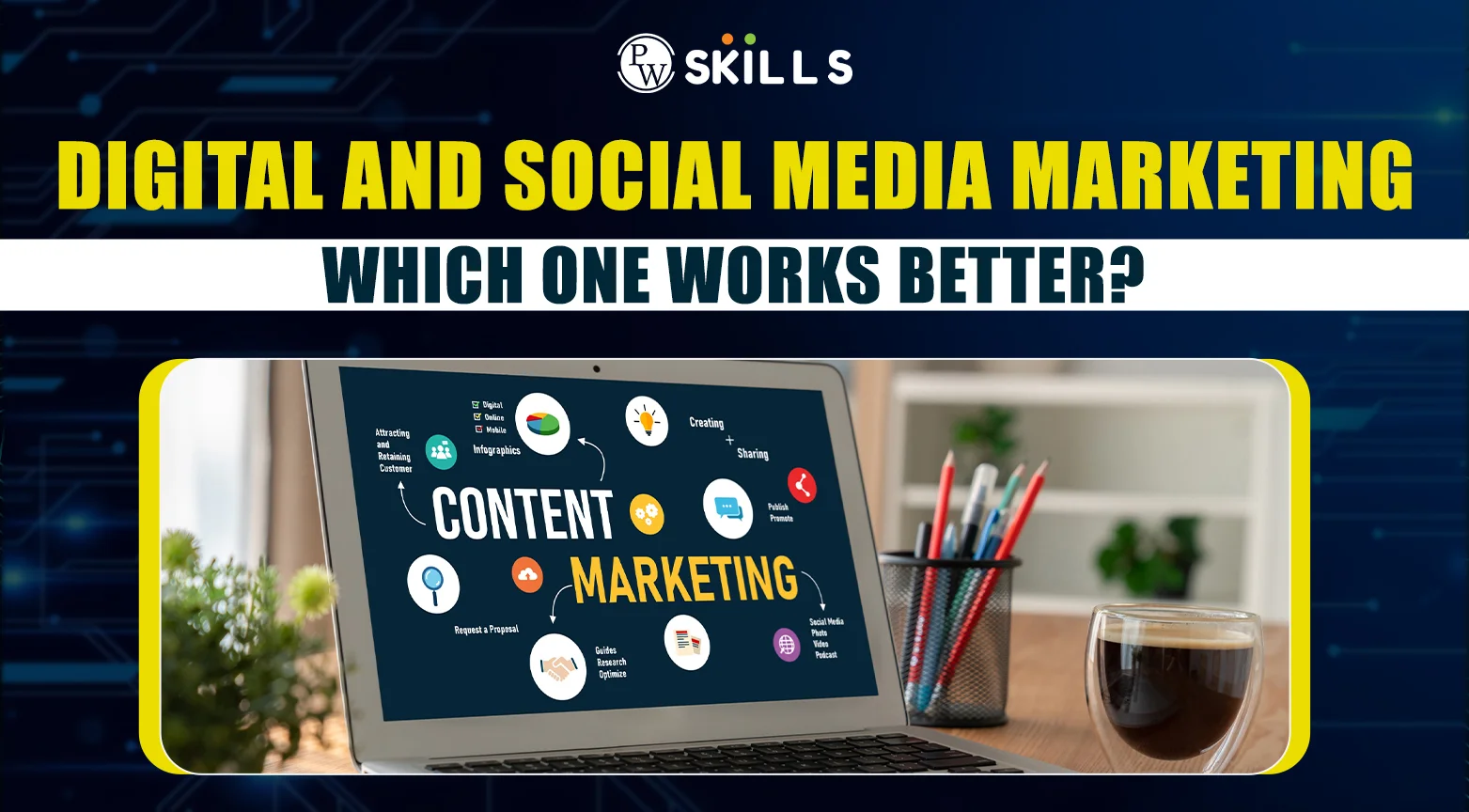
Digital and Social Media Marketing: In today's digital-first world, businesses must navigate various marketing channels to connect with their target audience. Two of the most powerful and widely used strategies are Digital Marketing and Social Media Marketing. While these terms are often used interchangeably, they represent distinct approaches with unique strengths and applications. So, which one works better for your business?
The answer depends on your goals, audience, and the resources available. In this article, we will explore both Digital and Social Media Marketing, highlighting their differences, benefits, and how they can be integrated to create a comprehensive marketing strategy that drives engagement, increases brand awareness, and delivers measurable results.
What is Digital Media Marketing?
Digital Media Marketing refers to using various online platforms, digital channels, and technologies to promote products, services, or brands. Unlike traditional marketing, which relies on physical mediums like print or television, Digital Marketing leverages the internet and electronic devices to engage directly with target audiences. This includes Social Media Marketing, email marketing, content marketing, search engine optimization (SEO), pay-per-click (PPC) advertising, and influencer marketing. With Digital and Social Media Marketing, businesses can reach a global audience and measure the effectiveness of their campaigns in real time. From building brand awareness to driving traffic to a website and generating leads, Digital and Social Media Marketing covers all aspects of online marketing. This multifaceted approach gives marketers the tools to analyze customer behaviour and optimize their campaigns for maximum effectiveness.Also Check: What Is A Digital Marketing Co?
📱 Social Media Marketing
- What Is Social Media Marketing?
- Social Media Marketing Tips
- Social Media Marketing Tutorial
- Social Media Platforms
- Social Media Channels
- Types of Social Media Marketing
- Social Media Manager Role
- Social Media Manager Job Description
- Social Media Specialist
- Social Media Marketer
- Social Media Strategy
- Social Media Goals
- Social Media Optimization (SMO)
- Social Media Community Building
- Importance of Social Media
- Social Media Algorithms
- Social Media Trends 2025
- Top 20 Social Media Interview Questions (2025)
- Social Media Management Tools
- Powerful Instagram Hacks
- Instagram Marketing Strategies
- How to Increase Instagram Followers (2025)
- How to Increase Twitter Followers
- How to Get More Followers on Instagram
- Types of LinkedIn Posts That Get Engagement
- LinkedIn Commenting Strategy
- Social Media Copywriting
- Social Media Content Plan
- Social Media Content Calendar
- Social Networks Explained
- The 7 Cs of a Successful Social Media Marketing Strategy
- How Companies Should Shift Their Social Strategy
- How to Build a Social Media Strategy in 7 Steps
- Social Media Influencer
- Influencer Marketing
- Nano Influencer
- Microinfluencer Guide
- Influencer Marketing Platforms
- Social Marketing Agencies
- Social Media Advertising
- Social Entrepreneurship
- Full Form of SMM
- Digital & Social Media Marketing
- Social Media SEO
- Online Reputation Management
- Social Media Analytics
Marketing Tools in Digital Media Marketing
To successfully execute Digital and Social Media Marketing, businesses must utilize a variety of tools to create, manage, and optimize their marketing efforts. Here are some of the essential tools used in Digital Marketing:- Social Media Management Tools
- Email Marketing Tools
- SEO Tools
Also Check: Performance Marketer – A Detailed Guide
- Content Marketing Tools
- PPC Advertising Tools
- Analytics Tools
- CRM Tools
- Graphic Design Tools
- Influencer Marketing Tools
What is Social Media Marketing?
Social Media Marketing (SMM) involves promoting products, services, or brands on social media platforms such as Facebook, Instagram, Twitter, LinkedIn, and TikTok. The key to Social Media Marketing is creating content that engages users and sparks interaction. It's a powerful tool for building brand awareness, connecting with customers, and driving traffic to websites. Unlike traditional marketing channels, Social Media Marketing fosters two-way communication. It’s not just about pushing content but engaging in meaningful conversations with followers, addressing customer queries, and building long-term relationships.Also Read: Digital Marketing Strategy – 12 Essential Tips
Key Aspects of Social Media Marketing
Before diving into the key aspects of Social Media Marketing, it is important to understand that this form of marketing goes beyond simply posting content on platforms like Facebook, Instagram, or Twitter. Check out the key aspects of Social Media Marketing- Content Creation: The heart of Social Media Marketing is content that resonates with your audience, whether through images, videos, infographics, or written posts. The content should align with your brand’s values and the interests of your target audience.
- Audience Engagement: Platforms like Instagram and Facebook allow for direct interaction with followers. Responding to comments, sharing user-generated content, and actively participating in conversations strengthens brand loyalty.
- Paid Advertising: Social Media Platforms such as Facebook and Instagram offer paid advertising options that enable businesses to target specific demographics, drive engagement, and boost brand visibility.
- Analytics: Social media platforms provide real-time insights into campaign performance. Metrics like engagement rates, click-through rates, and conversions help marketers evaluate the effectiveness of their content and ads.
Also Check: Digital Marketing Tools
Comparing Digital Marketing vs. Social Media Marketing
When evaluating Digital and Social Media Marketing, it’s essential to understand how they differ and how they complement each other in a comprehensive marketing strategy.1. Scope and Reach
- Digital Marketing: Digital Marketing covers a broader range of online channels, including SEO, content marketing, email, and paid ads. It allows businesses to reach potential customers through various touchpoints beyond social media, such as search engines, websites, and email lists.
- Social Media Marketing: Social Media Marketing, on the other hand, is focused on the reach and engagement provided by social platforms. It’s ideal for brand building, community engagement, and direct interactions with customers.
2. Engagement and Interaction
- Digital Marketing: Campaigns in Digital Marketing can be highly targeted but often lack the same level of direct engagement as Social Media Marketing. PPC ads and email campaigns usually focus on conversions rather than two-way communication.
- Social Media Marketing: Social Media Marketing excels in fostering two-way communication, allowing businesses to engage directly with their audience. This makes social media an ideal platform for building customer relationships, responding to feedback, and engaging in real-time conversations.
3. Targeting Capabilities
- Digital Marketing: Digital Marketing, particularly PPC ads, enables highly refined targeting, allowing businesses to focus on specific keywords, behaviors, and demographics.
- Social Media Marketing: Social Media Marketing platforms like Facebook, Instagram, and LinkedIn also offer detailed targeting options based on user interests, location, and behavior, but with more of an emphasis on engagement and interaction.
4. Cost-Effectiveness
- Digital Marketing: The cost of Digital Marketing can vary greatly depending on the methods used. SEO and content marketing are long-term investments that require consistent effort but can result in significant organic growth with minimal ongoing costs. PPC advertising, however, can be expensive, especially in competitive industries.
- Social Media Marketing: Social Media Marketing can be more affordable, particularly for businesses with smaller budgets. Organic posts (without paid promotion) can reach a significant audience if the content is compelling and shared widely. However, paid social media ads can get expensive, depending on the platform and competition in the industry.
5. Content and Creative Freedom
- Digital Marketing: Digital Marketing offers a wide range of content formats, including long-form content, videos, and infographics, ideal for detailed explanations and education.
- Social Media Marketing: Social Media Marketing thrives on creative, visually appealing, and bite-sized content. It is about capturing attention quickly with engaging visuals, videos, memes, and stories. Social media platforms are perfect for viral marketing and content that resonates emotionally or humorously with users.
General Digital Marketing
- Introduction to Digital Marketing
- Digital Marketing Basics
- Digital Marketing Strategy
- What is Digital Marketing?
- Digital Marketing Explanation
- What are the 4 Types of Digital Marketing?
- Digital & Social Media Marketing
- Digital Marketing Services
- Digital Marketing Plan
- Digital Marketing Course & Placement
- Digital Marketing Modules
- Digital Marketing Jobs in India
- Digital Marketing Firms
- Top 20 Digital Marketing Interview Questions (2025)
- 15 AI Tools to Supercharge Digital Marketing
- Digital Marketing Books
- Digital Tools
- Digital Platform
- Learn Digital Marketing
- Digital Marketing Tutorial
- How Does Digital Marketing Work
- Components of Digital Marketing
- Digital Marketing What Is
- Kinds of Digital Marketing
- Digital Marketing Types
- Marketing Digital Marketing
- Digital Marketing Marketing
- Father of Digital Marketing
- Traditional Marketing vs Digital Marketing
- Digital Marketing Examples
Learn Digital Marketing With PW Skills
Start your own digital marketing company or become a digital marketing expert with our comprehensive PW Skills Digital Marketing course. This course is specially designed to equip you with the essential skills and in-demand concepts of Digital Marketing with the knowledge of Artificial Intelligence in a beginner-friendly manner. Some key features of this 6-month-long job assistance program that make it a standout choice in the market include Live lectures with Experts, regular practice sheets, daily doubt-clearing sessions, a 100% placement assistance guarantee, interview opportunities with partnered companies, industry-recognized certificates, and much more. So what are you waiting for? Visit PWSkills.com today and grab your seat on this exciting journey!



Digital and Social Media Marketing FAQs
Is Social Media Marketing more cost-effective than Digital Marketing?
Can Social Media Marketing stand alone, or should it be integrated with other digital strategies?
How do I measure the success of Digital and Social Media Marketing?





Get Free Counselling Today
and Clear up all your Doubts
 Live & recorded classes available at easeDashboard for progress trackingLakhs of practice questions

