

10 Strategies for a Successful UX Project
 Varun Saharawat10 Jan, 2026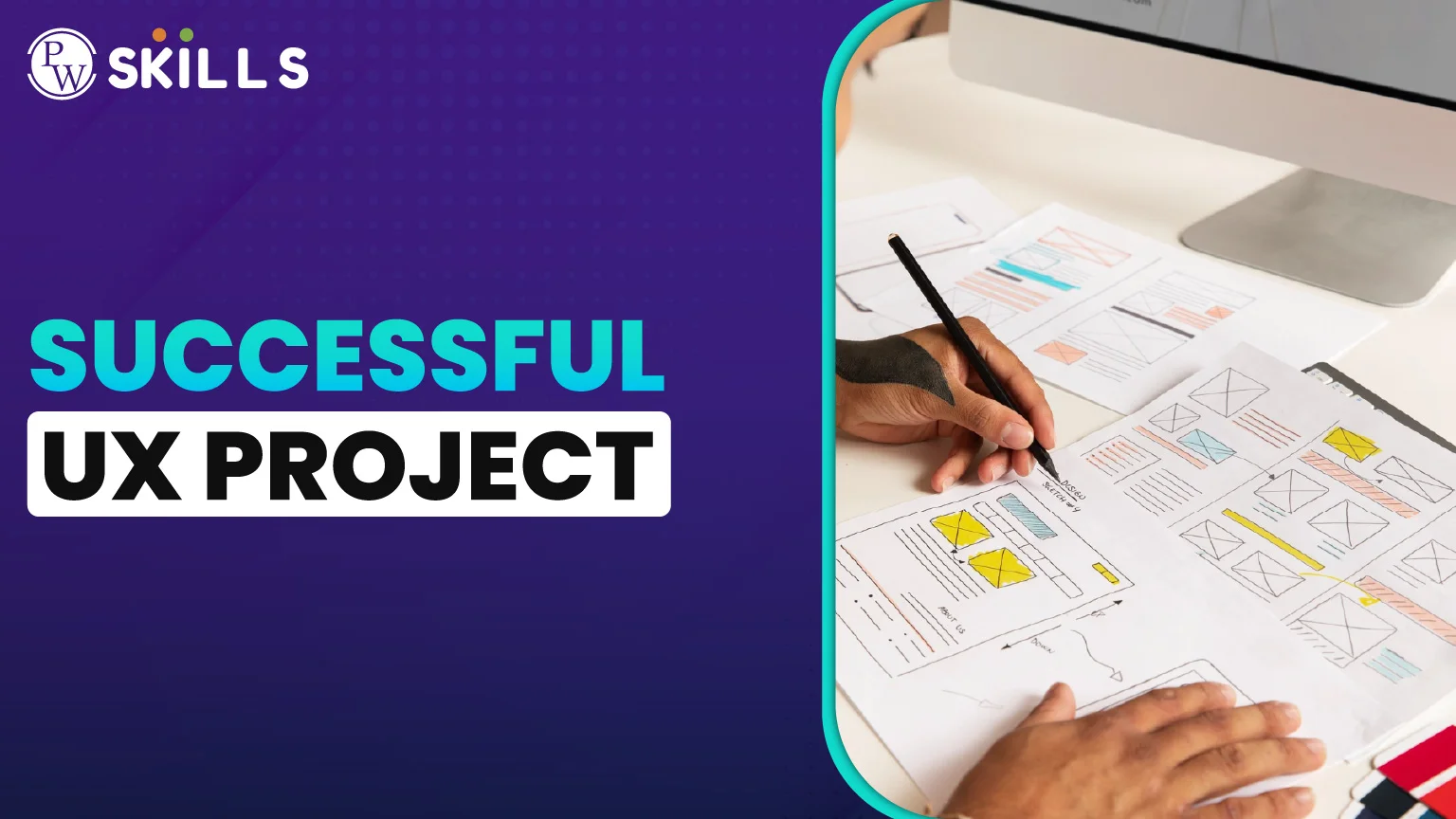
A Successful UX Project is a structured process that prioritizes the needs, behaviors, and pain points of the end-user to create intuitive digital experiences. It involves deep research, iterative design, and rigorous testing to ensure that a product is not only functional but also accessible, enjoyable, and efficient for the people using it daily.
UX Case Study Projects and Implementation Strategies
Navigating the complexities of design requires more than just aesthetic flair; it demands a strategic mindset focused on problem-solving. Whether you are looking for ui/ux project ideas for beginners or managing a high-level corporate redesign, the foundation of every Successful UX Project remains rooted in empathy and data. Many designers start by exploring ux case studies for beginners to understand how theoretical frameworks translate into real-world interfaces. To build a portfolio that stands out, you shouldn't rely on a simple ux case study generator. Instead, you must document your journey through a comprehensive ux case study template that highlights your research, wireframing, and usability testing phases.3 By studying various ux case study examples, we can see that the most impactful work isn't just about the final "look," but about the logical "why" behind every button placement and user flow. This strategic approach ensures that ux case study projects reflect a deep understanding of business goals and user expectations.10 Successful UX Project Important Strategies
To ensure your design efforts lead to meaningful results, follow these ten core strategies derived from industry best practices.1. Define Clear Project Objectives
Every Successful UX Project starts with a clear "North Star." You must identify the specific problem you are trying to solve. Are you reducing cart abandonment? Improving sign-up rates? Without defined goals, the design process becomes aimless.2. Deep User Research
You can't design for someone you don't know. Utilize surveys, interviews, and field studies to gather qualitative and quantitative data.4 This phase is where the best ui/ux case study ideas are born, as they are rooted in actual human frustrations.3. Develop Detailed User Personas
Create fictional characters that represent your different user types. These personas help the team stay focused on user needs rather than personal preferences. A persona should include demographics, goals, and specific technology habits.54. Map the User Journey
Visualize the entire path a user takes to complete a task. Mapping this journey allows you to identify "friction points" where users might get confused or drop off.6 This is a vital part of making a product feel seamless.5. Information Architecture (IA) and Sitemaps
Organize your content logically. A strong IA ensures that users don't have to "think" about where to find information. It acts as the skeletal structure of your digital product before any visual elements are added.6. Low-Fidelity Wireframing
Don't jump into colors and fonts immediately. Use low-fidelity wireframes to focus on layout and functionality. This allows for quick changes and brainstorming without getting bogged down in pixel-perfect details.7. Interactive Prototyping
Create a clickable version of your design. Prototypes are essential for stakeholders to understand the flow and for users to provide feedback during the testing phase. It bridges the gap between a static image and a working product.8. Rigorous Usability Testing
Watch real users interact with your prototype. Note where they struggle or succeed. Testing early and often prevents expensive mistakes during the development phase and ensures the project remains a Successful UX Project.9. Accessibility as a Priority
Design for everyone. Ensure your project meets WCAG standards, including high contrast ratios, screen reader compatibility, and keyboard navigation. Accessibility is not a "feature"; it is a fundamental requirement.10. Iterative Refinement
Design is never truly finished. Use post-launch analytics and user feedback to continuously improve the interface. The best ux case study projects show a timeline of evolution, proving that the designer listens to the audience.UX Horizon: Research and Logic
At the end of the day, a Successful UX Project isn't built on a vacuum. It is built on a foundation of constant communication between stakeholders and the design team. When you look at ux case study projects, the most impressive ones are those that admit to failures during the testing phase and show how those failures led to a better final solution. This "pivot" is a vital part of the design process. Furthermore, exploring ui/ux case study ideas should involve looking at various industries. A healthcare app requires a very different emotional tone than a gaming interface. By diversifying your ux case study examples, you prove that your content marketing skills and design sensibilities can adapt to any user environment. Stick to the logic: research deeply, test often, and never assume you know what the user wants without asking them first.Related Topics:






🔥 Trending Blogs
FAQs
What is a Successful UX Project
A project is successful when it solves a specific user problem while meeting business objectives. It requires a balance of research, testing, and intuitive visual hierarchy.
Where can I find ui/ux project ideas for beginners?
Beginners should look at everyday problems, such as a clunky banking app or a confusing local restaurant website, and attempt to redesign the flow based on user research.
Why should I use a ux case study template?
A template ensures that you don't skip critical steps like user personas or empathy mapping. It helps present your work to recruiters in a logical, easy-to-digest format.
How do ux case studies for beginners differ from professional ones?
Professional case studies often focus more on business ROI and complex data metrics, while beginner studies focus on demonstrating a mastery of the fundamental UX process and design thinking.
Can a ux case study generator replace original work?
No. While a generator might help with layout, it cannot replicate the critical thinking and unique research findings that make a Successful UX Project stand out to employers.


Talk to a counsellorHave doubts? Our support team will be happy to assist you!



Get Free Counselling Today
and Clear up all your Doubts
Talk to Our Counsellor just by filling out the form.
Join 15 Million students on the app today!
 Live & recorded classes available at easeDashboard for progress trackingLakhs of practice questions

