

ITR Filing Deadlines and Their Importance
 Hardik Gupta9 Jul, 2026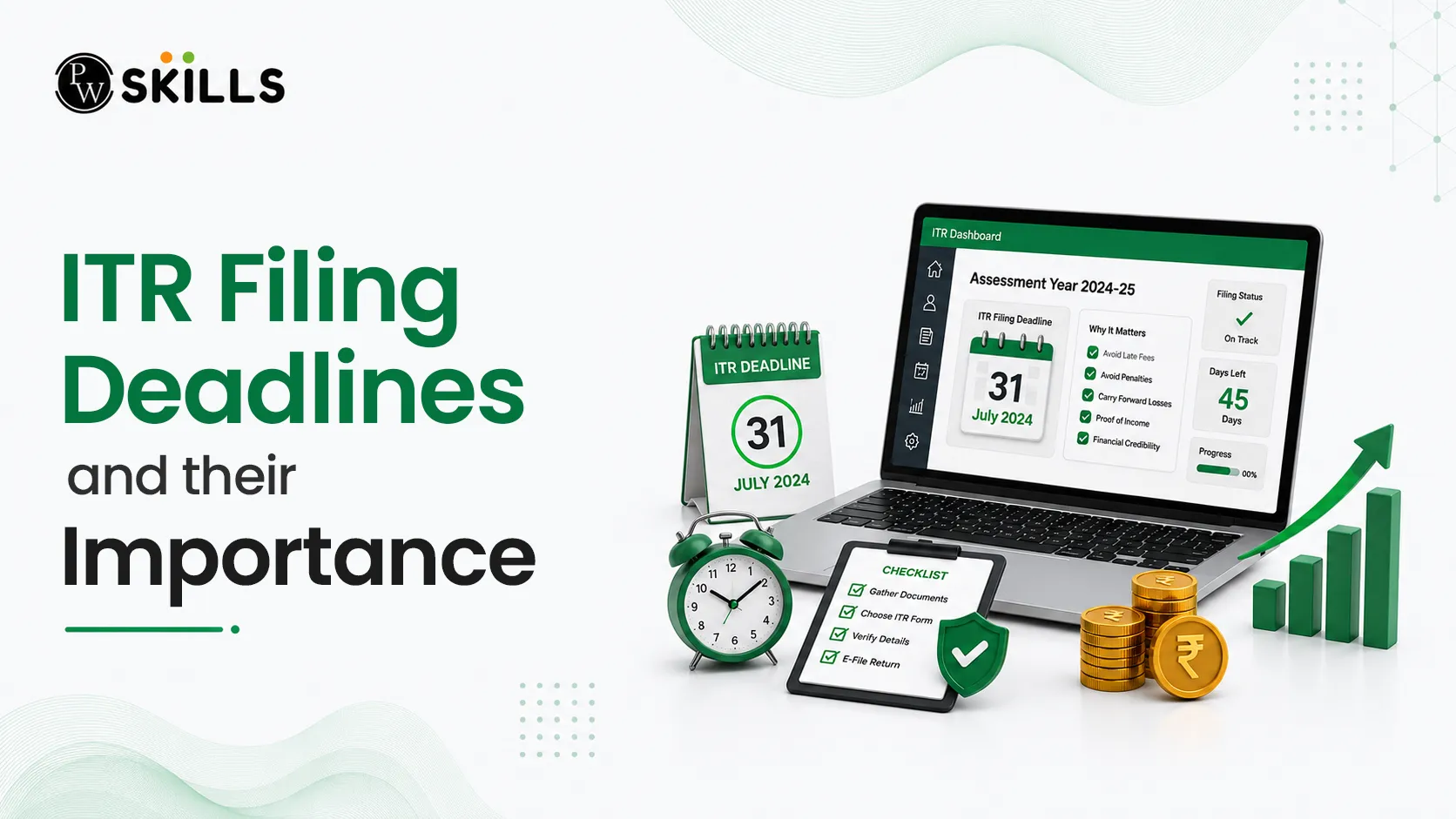
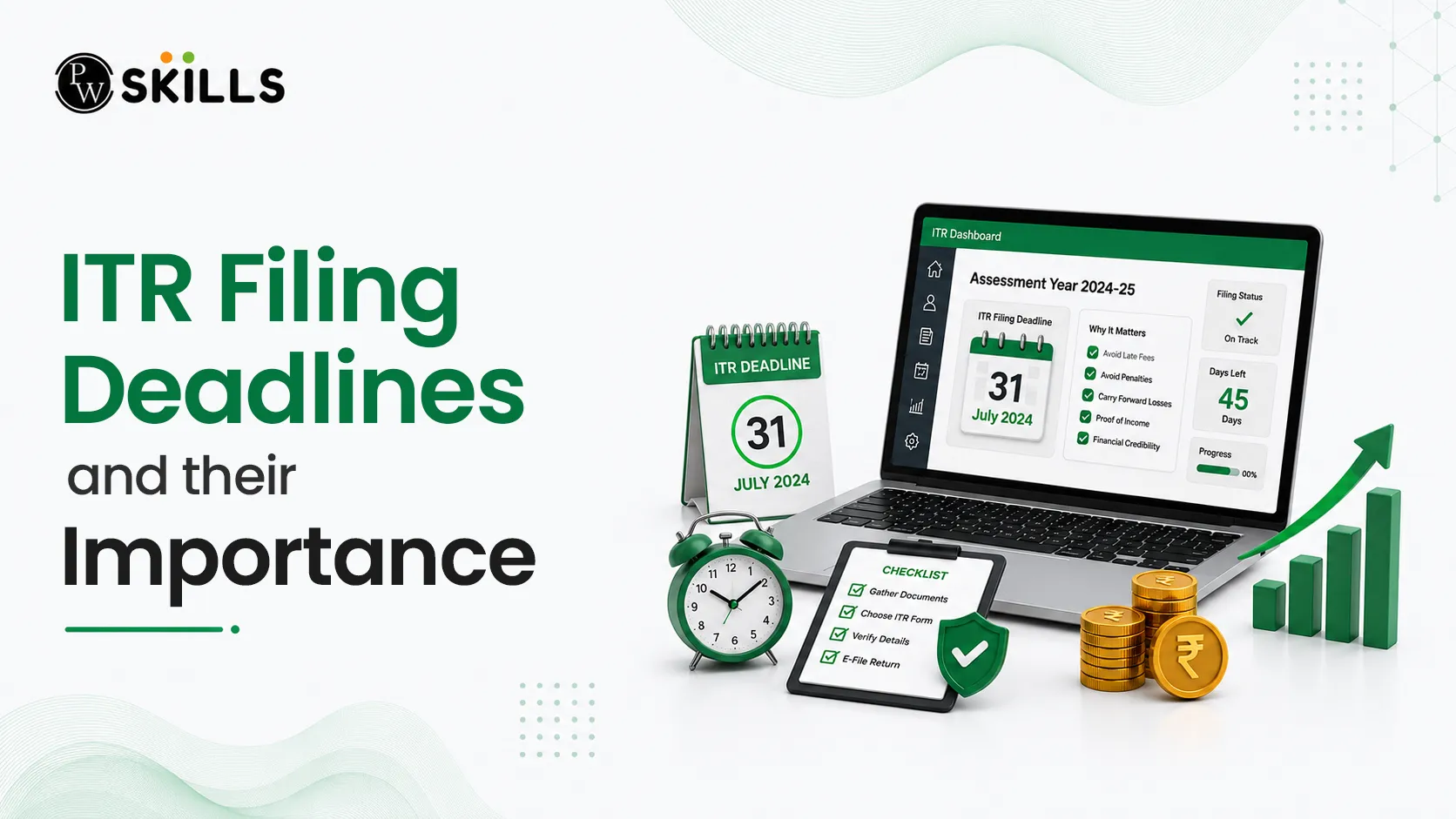
A common problem taxpayers face is tracking changing schedules and understanding the penalties for missing key dates. Maintaining strict tax compliance saves money and prevents legal complications. This article breaks down every crucial due date for the financial year 2025-26 (assessment year 2026-27). By focusing on the official ITR Filing Deadline, you will learn exactly when to submit your forms, how to avoid a late filing penalty, and why completing this process early benefits your long-term financial records.
Taxpayer Category for the ITR Filing Deadline
The Income Tax Department of India classifies taxpayers into different categories based on their source of income, corporate structure, and whether their business accounts require an official audit. Because of this, a single calendar date does not apply to everyone.
A clear look at the official timeline reveals specific brackets for different categories. Failing to identify your specific group can cause unexpected issues with your filings.
|
Taxpayer Category |
Applicable ITR Forms |
Core Due Date |
|
Salaried Individuals & HUFs (No business income) |
ITR-1, ITR-2 |
31 July 2026 |
|
Non-Audit Businesses / Professionals |
ITR-3, ITR-4 |
31 August 2026 |
|
Corporate Entities & Audited Accounts |
ITR-6, ITR-3, ITR-5 |
31 October 2026 |
|
Transfer Pricing Cases (International transactions) |
ITR-6 |
30 November 2026 |
Also Check : ITR Filing Basics Every Taxpayer Should Understand
*Subject to any extensions or revisions notified by the Income Tax Department.
-
Salaried Individuals: If your primary earnings come from a monthly salary, pension, or simple interest income, your final target date is the end of July.
-
Small Businesses and Freelancers: Taxpayers utilizing presumptive taxation schemes or running small businesses without audit requirements receive a small extension until the end of August.
-
Audited Corporates: Large companies or individuals whose business turnover crosses the legal threshold under Section 44AB require an independent audit report by a Chartered Accountant, pushing their submission limit to October.
Consequences of Missing the ITR Filing Deadline
Failing to submit your return on time triggers automated legal and financial actions from the Income Tax Department system. The most direct consequence is the implementation of Section 234F fees.
Late Fees Under Section 234F
If you miss your target date, you can still file a belated return, but it will come with a standard penalty:
-
Total Income Exceeding Rs. 5 Lakh: A mandatory fine of Rs. 5,000 applies immediately if filed after the initial cutoff date.
-
Total Income Up to Rs. 5 Lakh: The maximum financial penalty is capped at Rs. 1,000 to protect low-to-middle-income earners.
-
Income Below Basic Exemption Limit: No late fee applies if your gross total income rests below the taxable threshold, though filing remains recommended.
Also Check: ITR Form Selection: How to Choose the Correct ITR Form
Additional Financial Penalties and Loss of Benefits
Beyond the flat late fees, taxpayers face separate cumulative penalties that build up month over month.
-
Interest on Unpaid Tax (Section 234A): If you owe outstanding taxes, interest starts calculating at a rate of 1% per month or part-month. This calculation triggers the day after your specific calendar cutoff.
-
Inability to Carry Forward Losses: Timely filing allows you to offset current year financial losses (like capital losses or business losses) against future profits for up to eight years. Late returns forfeit this cost-saving privilege entirely.
-
Delayed Tax Refunds: If the government owes you money due to excess Tax Deducted at Source (TDS), your refund processing stays blocked until a valid return is verified. Delays in filing lead to extensive wait times for your money.
How to Prepare for the ITR Filing Deadline
Preventing last-minute stress requires structured organization of your personal financial paperwork weeks in advance. Gathering data early ensures accuracy and speeds up online submission.
Mandatory Documents to Collect
-
Form 16: Your employer issues this certificate detailing your total salary paid and the tax deducted throughout the financial year.
-
Form 26AS & Annual Information Statement (AIS): These online portal documents provide a comprehensive record of all taxes collected, high-value financial transactions, and investment dividend histories linked to your PAN card.
-
Bank Account Statements: Keep records of your savings accounts to declare any interest earned, which is taxable under income from other sources.
-
Investment Proofs: Gather receipts for tax-saving investments made under applicable sections, including health insurance policies, public provident funds, and equity-linked savings schemes.
Step-by-Step E-Filing System
-
Access the Portal: Log into the official income tax e-filing platform using your PAN or Aadhaar card details.
-
Verify Pre-filled Data: Review the automated entries pulled from your AIS and Form 26AS records for any mathematical mismatches.
-
Choose Your Tax Regime: Select whether you are filing under the old tax system with standard deductions or the new tax system with lower baseline slab rates.
-
Pay Outstanding Dues: Complete payments for any self-assessment tax owed online before clicking the final submit action.
-
Submit the Form: Finalise your data entry and transmit the document directly through the digital platform.
Post Deadline Options After the ITR Filing Deadline
If a life emergency or administrative error causes you to miss your initial target window, the legal framework provides specific alternative routes to rectify your standing.
Belated Returns Under Section 139(4)
Taxpayers who completely miss their baseline date can submit what is known as a belated return. For the financial year 2025-26, the final window to upload a belated return closes on 31 December 2026. This path requires you to clear any applicable penalty fees before the online system accepts your data.
Revised Returns Under Section 139(5)
If you filed your original paperwork on time but later noticed an error, such as a missed bank account or an unmapped investment deduction, you can submit a revised return. Recent structural tax amendments allow taxpayers to submit a revised return until 31 March 2027. This gives individuals additional time to correct honest documentation mistakes without losing critical benefits.
Also Check: ITR Filing Mistakes: Common Income Tax Return Filing Mistakes
Steps to Verify Returns Before the ITR Filing Deadline
Simply uploading your digital form onto the tax server does not complete your compliance process. The government does not look at your return until you verify its validity.
An unverified return is legally treated as invalid or never filed once the verification window expires. Taxpayers must complete the verification process within the time limit prescribed by the Income Tax Department after filing their return.
[File Return Online] ➔ [Verification Window Starts] ➔ [Choose Verification Method] ➔ [Receive ITR-V Acknowledgement]
Popular Digital Verification Methods
-
Aadhaar-based OTP: The fastest way to verify. The system sends a one-time password to the mobile number registered with your Aadhaar card.
-
Net Banking: Logging into your bank portal redirects you to the tax platform safely, verifying your personal identity instantly.
-
Bank Account EVC: Generating an Electronic Verification Code directly through your validated pre-registered bank account.
-
Physical Submission: If digital options fail, print out the physical ITR-V form, sign it manually, and mail it via speed post to the Centralized Processing Centre in Bengaluru.





FAQs
What happens if I completely miss the ITR Filing Deadline?
Can I change my tax regime after the initial income tax due date?
Is a late filing penalty applicable if my total income is non-taxable?
How long do I have to verify my form after the income tax due date?
What is the final date to correct an error via a revised return?








Get Free Counselling Today
and Clear up all your Doubts
 Live & recorded classes available at easeDashboard for progress trackingLakhs of practice questions

