

ITR Filing Basics Every Taxpayer Should Understand
 Varun Saharawat4 Jul, 2026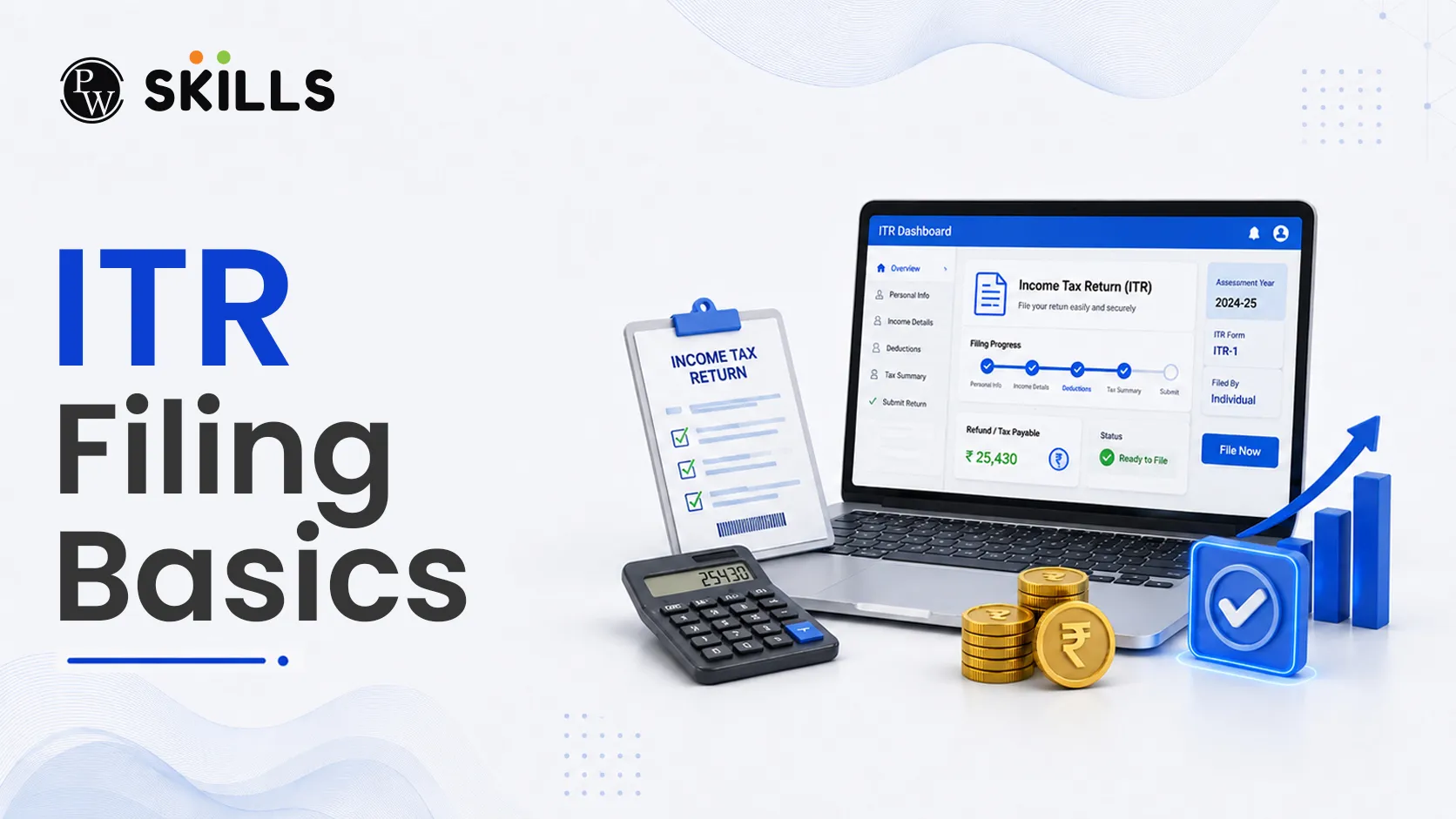
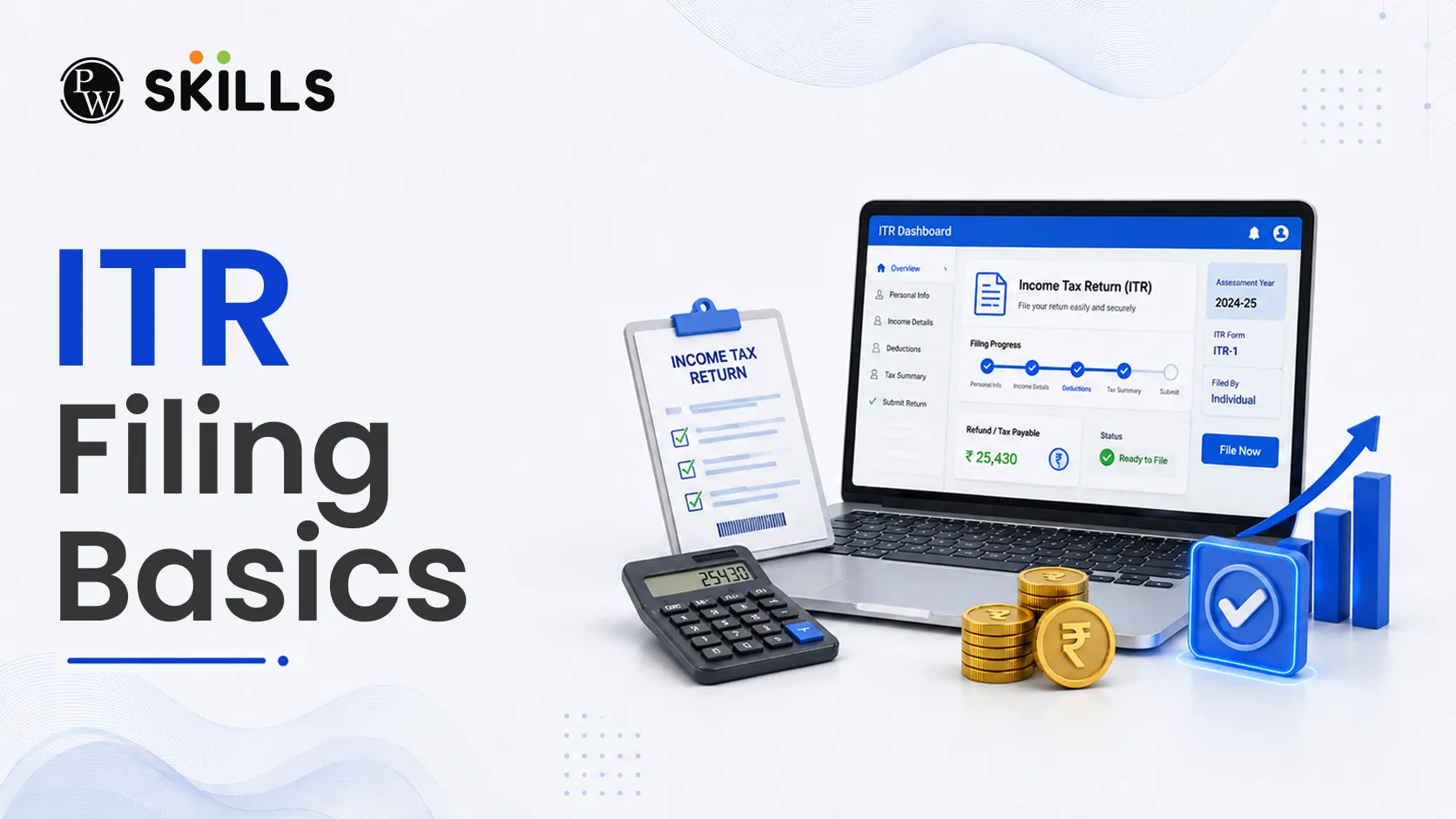
Handling taxes can seem intimidating, especially for first-time taxpayers and salaried professionals unfamiliar with government compliance procedures. Technical terminology, changing regulations, and online filing requirements often create confusion during the tax season.
Learning the fundamentals of ITR Filing Basics simplifies the entire process and helps taxpayers fulfill their legal responsibilities efficiently. This article explains the essential concepts, documentation requirements, filing procedures, and common mistakes that every taxpayer should understand before completing an income tax return.
Overview of ITR Filing Basics
Before starting the filing process, it is important to understand what an Income Tax Return (ITR) represents and how tax reporting works. An ITR is an official declaration submitted to tax authorities that reports your annual income, deductions, exemptions, and tax liability for a specific financial year.
Understanding the relationship between the Financial Year and Assessment Year forms the foundation of ITR for beginners.
Financial Year and Assessment Year
Financial Year (FY): The twelve-month period from 1 April to 31 March during which income is earned.
Assessment Year (AY): The year immediately following the Financial Year when income is assessed, and tax returns are filed.
For example, if income is earned between 1 April 2025 and 31 March 2026, that period is considered the Financial Year. The following period, beginning 1 April 2026, becomes the Assessment Year for reporting and assessment purposes.
Major Sources of Taxable Income
The Income Tax Department classifies earnings into five major categories:
Income from Salary: Wages, bonuses, allowances, pensions, and employer-provided benefits.
Income from House Property: Rental earnings and eligible deductions associated with residential properties.
Profits and Gains from Business or Profession: Income generated through business activities, freelancing, consulting, or professional services.
Capital Gains: Profits arising from the sale of shares, mutual funds, bonds, or real estate assets.
Income from Other Sources: Interest income, dividends, family pensions, lottery winnings, and similar receipts.
Why is ITR Filing Important?
Many taxpayers assume that the tax deducted by their employer is sufficient and that filing a return is optional. However, understanding Income Tax Return Basics reveals several important legal and financial benefits associated with timely compliance.
Avoid Penalties and Legal Issues
Individuals whose income exceeds the prescribed exemption limit are generally required to submit a tax return. Missing deadlines can lead to late filing fees, interest on unpaid taxes, and potential notices from tax authorities.
Create a Verified Financial Record
A properly filed return serves as documented proof of income and financial stability. This record becomes important in several situations:
Loan Applications: Financial institutions often require previous tax returns when evaluating home loans, vehicle loans, and personal credit applications.
Visa Processing: Many foreign embassies request tax return records as evidence of financial capacity.
Loss Carry Forward Benefits: Capital losses can only be adjusted against future gains if reported through timely return filing.
|
Parameter |
Advantages of Timely Filing |
Risks of Non-Compliance |
|
Financial Impact |
No penalties and faster processing |
Late fees, interest charges, and penalties |
|
Credit Evaluation |
Better loan approval prospects |
Possible delays or rejection |
|
Investment Reporting |
Ability to carry forward losses |
Loss of future tax adjustment benefits |
What are the Basic ITR Filing Documents Required?
Accurate filing begins with proper documentation. Gathering and verifying records beforehand reduces errors and ensures consistency with government databases. Every tax filing guide emphasizes the importance of reviewing these documents before beginning the submission process.
Form 16
Form 16 is issued annually by employers and contains details regarding salary income, tax deductions, and Tax Deducted at Source (TDS). Individuals who changed employers during the year should obtain Form 16 from each employer.
Form 26AS and Annual Information Statement (AIS)
These records provide a consolidated view of tax-related transactions linked to your Permanent Account Number (PAN).
Form 26AS: Displays taxes deducted, collected, and deposited on your behalf.
Annual Information Statement (AIS): Includes broader financial information such as securities transactions, savings account interest, and significant financial activities.
Bank and Investment Records
Maintain access to bank statements, interest certificates, investment proofs, and loan documents. These records help verify the accuracy of pre-filled information available on the tax portal.
Read In Detail: Tax Return: Meaning, Types, Benefits, and Filing Process
What are the Different ITR Filing Return Forms?
Selecting the right form is one of the most important aspects of Income Tax Return Filing Basics. Filing under the wrong category may result in defective returns and additional compliance requirements.
ITR-1 (Sahaj)
This form is suitable for resident individuals whose annual income does not exceed INR 50 Lakhs and consists of:
-
Salary or pension income.
-
Income from one residential property.
-
Income from other sources, such as savings account interest.
-
Agricultural income up to INR 5,000.
ITR-2
This form applies to individuals who do not earn business income but are not eligible for ITR-1. It is generally used by taxpayers with:
-
Income exceeding INR 50 Lakhs.
-
Capital gains from investments or property sales.
-
Multiple house properties.
-
Foreign income or overseas assets.
ITR-3 and ITR-4
ITR-3: Designed for individuals and Hindu Undivided Families (HUFs) earning income through business operations or professional activities.
ITR-4 (Sugam): Intended for small businesses, freelancers, and professionals opting for presumptive taxation schemes.
Explore Our Course: ITR Filing Course Online | Certification, Fees, Syllabus – PW Skills
What are the Steps for ITR Filing?
The online filing process has become significantly easier due to digital services provided by the Income Tax Department. Following a structured approach helps taxpayers complete their income tax return filing accurately.
1. Create and Verify Your Account
Log in to the official e-filing portal using your PAN and registered credentials. Verify contact details, communication preferences, and address information.
2. Validate Bank Account Information
Add and pre-validate active bank accounts to facilitate smooth refund processing. Ensure account numbers and IFSC codes are correct.
3. Review Pre-Filled Information
Select the relevant Assessment Year and carefully compare the auto-populated data against Form 16, Form 26AS, AIS, and bank records.
4. Confirm Deductions and Tax Regime
Review applicable deductions, exemptions, and tax regime selections. Verify all eligible benefits before calculating final tax liability.
5. Submit an E-Verify
After reviewing the return, submit it electronically and complete verification through Aadhaar OTP, net banking, or Electronic Verification Code (EVC). Verification is essential to make the return legally valid.
Common Mistakes to Avoid During ITR Filing
Many filing errors occur because taxpayers rush through the process near the deadline. Avoiding these mistakes can prevent unnecessary delays and notices.
Ignoring Interest Income
Interest earned from savings accounts, recurring deposits, and fixed deposits must be disclosed. Since financial institutions report this information directly, non-disclosure may result in mismatches.
Forgetting Return Verification
Submission alone does not complete the filing process. Returns must be electronically verified within the prescribed period. Unverified returns are treated as invalid submissions.
ITR Filing Basics and Advanced Considerations for Taxpayers
Once taxpayers become comfortable with Income Tax Return Filing Basics, they can better manage complex tax situations and optimize compliance.
Combining Multiple Form 16 Statements
Individuals who switch employers during a financial year often receive multiple Form 16 certificates. All salary income must be consolidated while filing to avoid under-reporting and tax shortfalls.
Understanding Tax Regime Selection
The New Tax Regime is currently the default option for many taxpayers. Individuals wishing to claim deductions available under the Old Tax Regime must actively choose that option while filing. Reviewing both structures carefully helps maximize tax efficiency.
Professional financial education programs and practical tax workshops can further strengthen understanding of compliance procedures, helping taxpayers manage increasingly complex financial situations with confidence.





FAQs
What should I do if I discover an error after filing my return?
Is income tax return filing mandatory if TDS has already been deducted?
How can I select the correct form using a tax filing guide?
Why is ITR-1 considered suitable for beginners?
How long do I have to verify my return after submission?








Get Free Counselling Today
and Clear up all your Doubts
 Live & recorded classes available at easeDashboard for progress trackingLakhs of practice questions

