

ITR Form Selection: How to Choose the Correct ITR Form
 Varun Saharawat4 Jul, 2026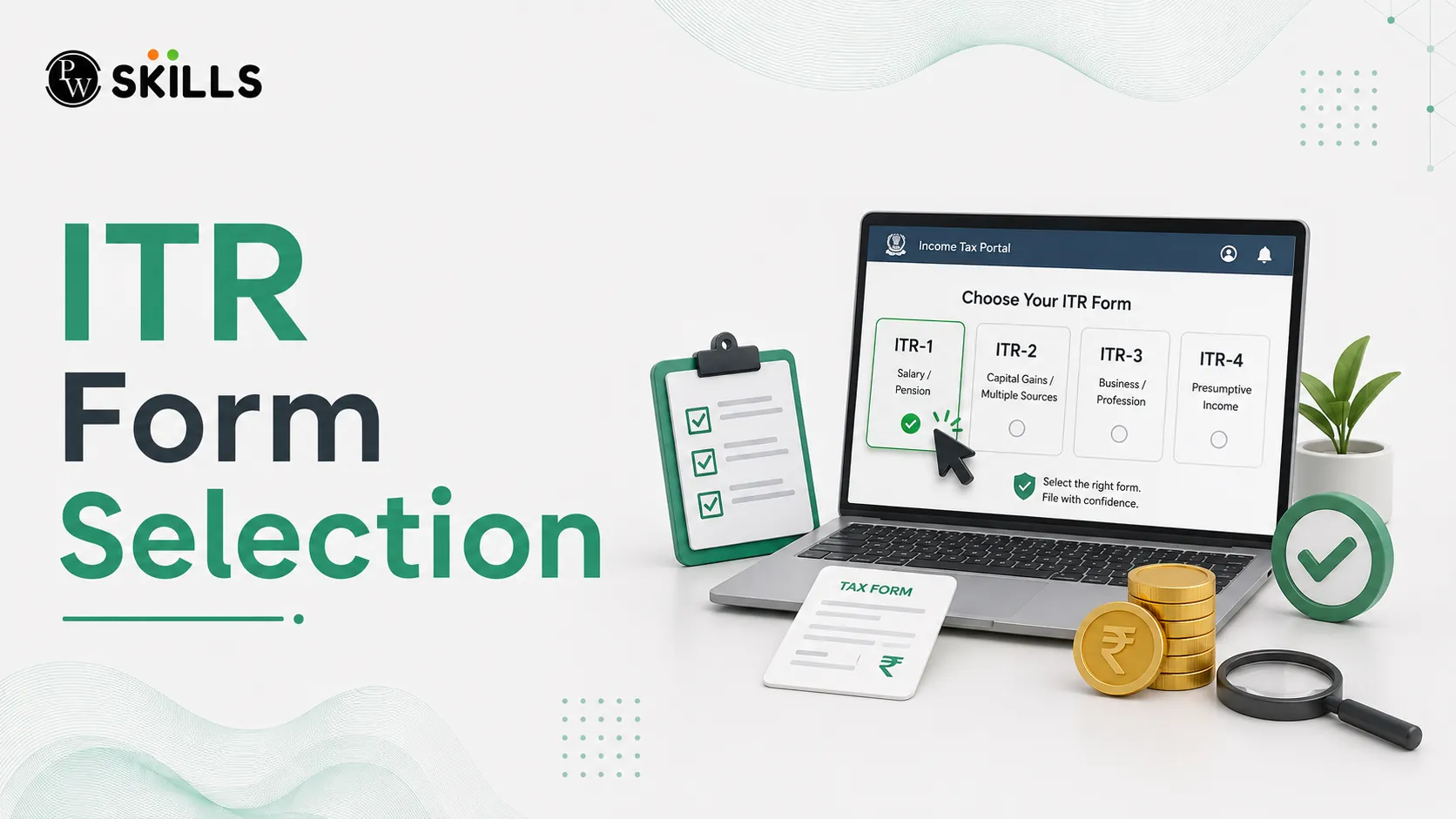
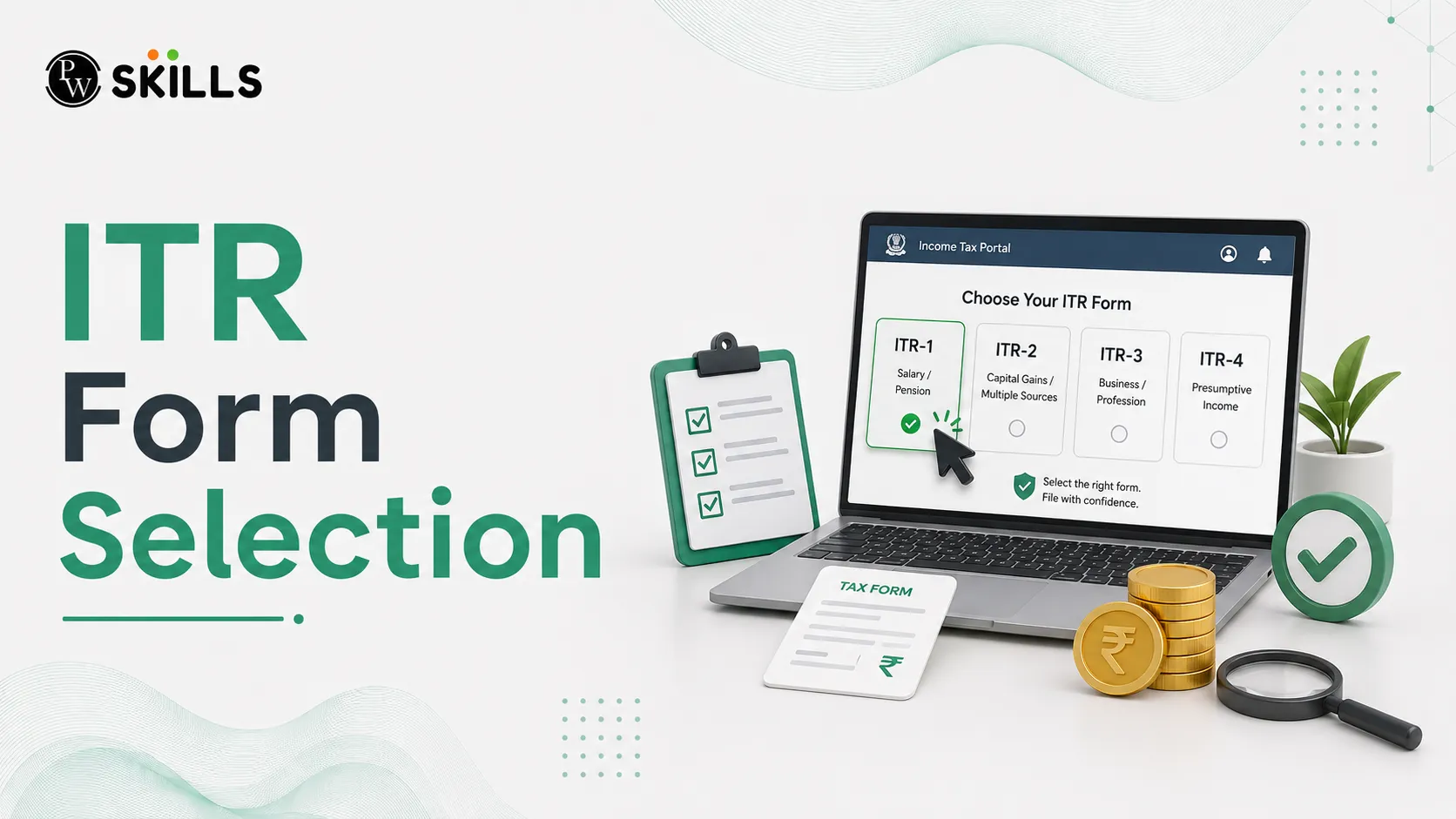
Many taxpayers struggle with ITR Form Selection, often picking the wrong document and receiving unexpected defect notices from the tax department. Choosing the right form depends entirely on the nature of your income and your residential status.
Why Accurate ITR Form Selection Matters for Taxpayers?
Selecting the appropriate form is the foundational step of the entire tax filing process. If you submit your details using an incorrect form, the Income Tax Department may treat your return as defective or invalid. This error forces you to file a revised return, which delays your tax refunds and can attract unnecessary penalties.
The tax department designs different income tax return forms to capture specific types of financial data. For example, a salaried individual uses a basic form, while a business owner requires a much more detailed format to report profits and losses. Matching your financial profile to the correct form ensures compliance and protects you from legal scrutiny.
Read In Detail: ITR Filing Basics Every Taxpayer Should Understand
Types of ITR Forms Available
The Central Board of Direct Taxes provides seven distinct forms for different categories of taxpayers. The table below outlines the general eligibility criteria for the most common forms used by individual taxpayers and businesses.
|
Form Name |
Target Audience |
Key Income Sources Included |
|
ITR-1 (Sahaj) |
Resident Individuals |
Salary, one house property, and agricultural income up to ₹5,000 |
|
ITR-2 |
Individuals & HUFs |
Capital gains, multiple house properties, foreign assets |
|
ITR-3 |
Individuals & HUFs |
Income from a profession or a proprietary business |
|
ITR-4 (Sugam) |
Resident Individuals/HUFs/Firms |
Presumptive business income under sections 44AD, 44ADA, 44AE |
Who Is Eligible for the ITR 1 Form Selection?
The ITR-1 form, also known as Sahaj, is a simplified document meant for ordinary resident individuals with straightforward income streams. You can use this specific form if your total income for the financial year does not exceed ₹50 lakhs.
To qualify for this simple form, your revenue must come from the following approved categories:
-
Income earned from a regular salary or a pension plan.
-
Income generated from a single residential house property.
-
Income from other casual sources, such as bank savings interest or fixed deposits.
-
Agricultural income, provided the total amount is less than or equal to ₹5,000.
You cannot use this form if you are a director of a company or hold unlisted equity shares. It is also invalid if you possess assets located outside India or have brought forward losses from previous years.
When to Move to the ITR 2 Form Selection?
If your financial profile exceeds the limitations of ITR-1, you generally need to look at ITR-2. This form is designed for individuals and Hindu Undivided Families who do not have any income from business or professional profits.
You must choose this option if your financial situation involves any of these factors:
-
Your total annual income goes beyond the ₹50 lakhs threshold.
-
You hold the status of a Non-Resident Indian or a Resident Not Ordinarily Resident.
-
You earned profits from selling shares, mutual funds, or real estate properties.
-
You own more than one residential house property.
-
You earned lottery winnings, horse racing profits, or other legal gambling income.
Also Check: ITR Filing Mistakes: Common Income Tax Return Filing Mistakes
How Business Owners Complete the ITR 3 Form Selection?
The ITR-3 form is a comprehensive document intended for individuals who run a business or practice a specialized profession. If you earn a living as a freelancer, a digital creator, a doctor, or a boutique owner, this form is usually your default choice.
This technical form accommodates complex financial disclosures, including:
-
Gross turnover and net profit margins from a proprietary business.
-
Income received as a partner in a registered partnership firm.
-
Depreciation assets, balance sheets, and detailed profit and loss statements.
-
Brought forward business losses that you want to offset against current income.
Simplified Rules for ITR 4 Form Selection
The government introduced the ITR-4 form, or Sugam, to reduce the compliance burden on small businesses and professionals. This form applies to those who opt for the presumptive taxation scheme to estimate their profits easily.
You can select this form if your business qualifies under the following criteria:
-
Your total business turnover is within the legally prescribed limits for presumptive tax.
-
You choose to declare profits at a fixed percentage of your gross turnover without maintaining heavy accounting books.
-
Your annual income stays below the ₹50 lakhs limit.
-
Your income comes from a business, a profession, or a single house property.
What Are the Other Types of ITR Forms?
Beyond the individual forms, the tax department provides specialized documents for complex entities. These forms ensure that corporate bodies, trusts, and cooperative societies report their distinct earnings accurately.
The remaining categories handle specific organizational structures:
-
ITR-5: Designed for firms, Limited Liability Partnerships, Associations of Persons, and Bodies of Individuals.
-
ITR-6: Mandatory for companies registered under the Companies Act, excluding charitable organizations.
-
ITR-7: Reserved for individuals or companies that must furnish returns under specific sections, like religious trusts or political parties.





FAQs
Can I file ITR-1 if I have income from cryptocurrency?
What happens if I make a mistake during my ITR Form Selection?
Which form should a salaried person with stock market intraday profits use?
Is ITR-4 mandatory for every small retail shopkeeper?
Can a Non-Resident Indian file taxes using the basic ITR-1 form?








Get Free Counselling Today
and Clear up all your Doubts
 Live & recorded classes available at easeDashboard for progress trackingLakhs of practice questions

