

The Most Powerful AI Applications in Banking
 Varun Saharawat30 Jun, 2026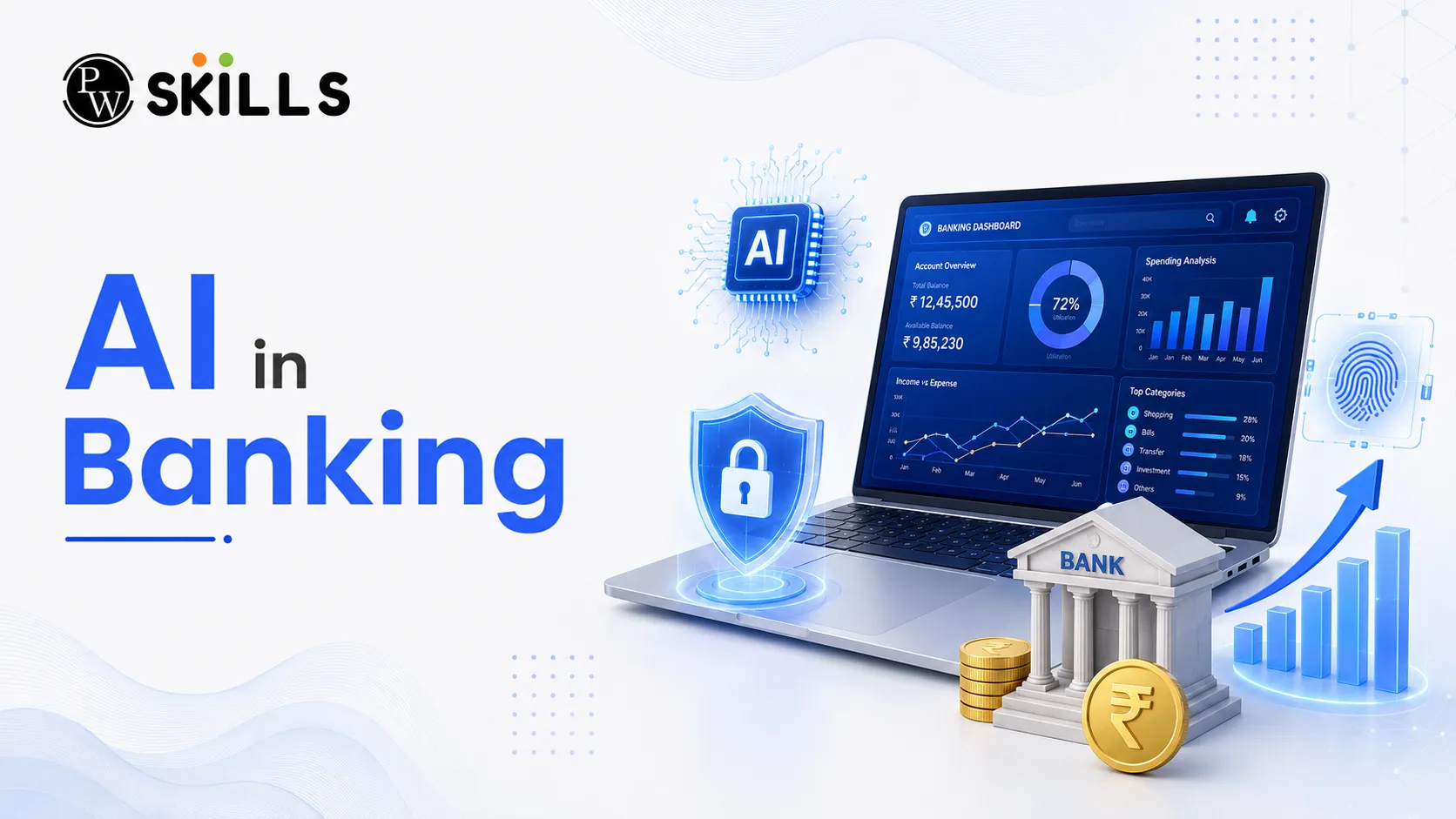
The banking industry is changing quickly as digital banking platforms continue to grow. Customers now expect faster services, quick loan approvals, and smooth online experiences. Many traditional banks still depend on old systems that can cause delays, manual work, and higher operating costs.
To solve these problems, banks are turning to AI in Banking. Artificial intelligence helps banks process large amounts of data, automate important tasks, and improve customer service. It also helps reduce errors and creates a flexible system that supports future growth and digital transformation.
What is AI in Banking?
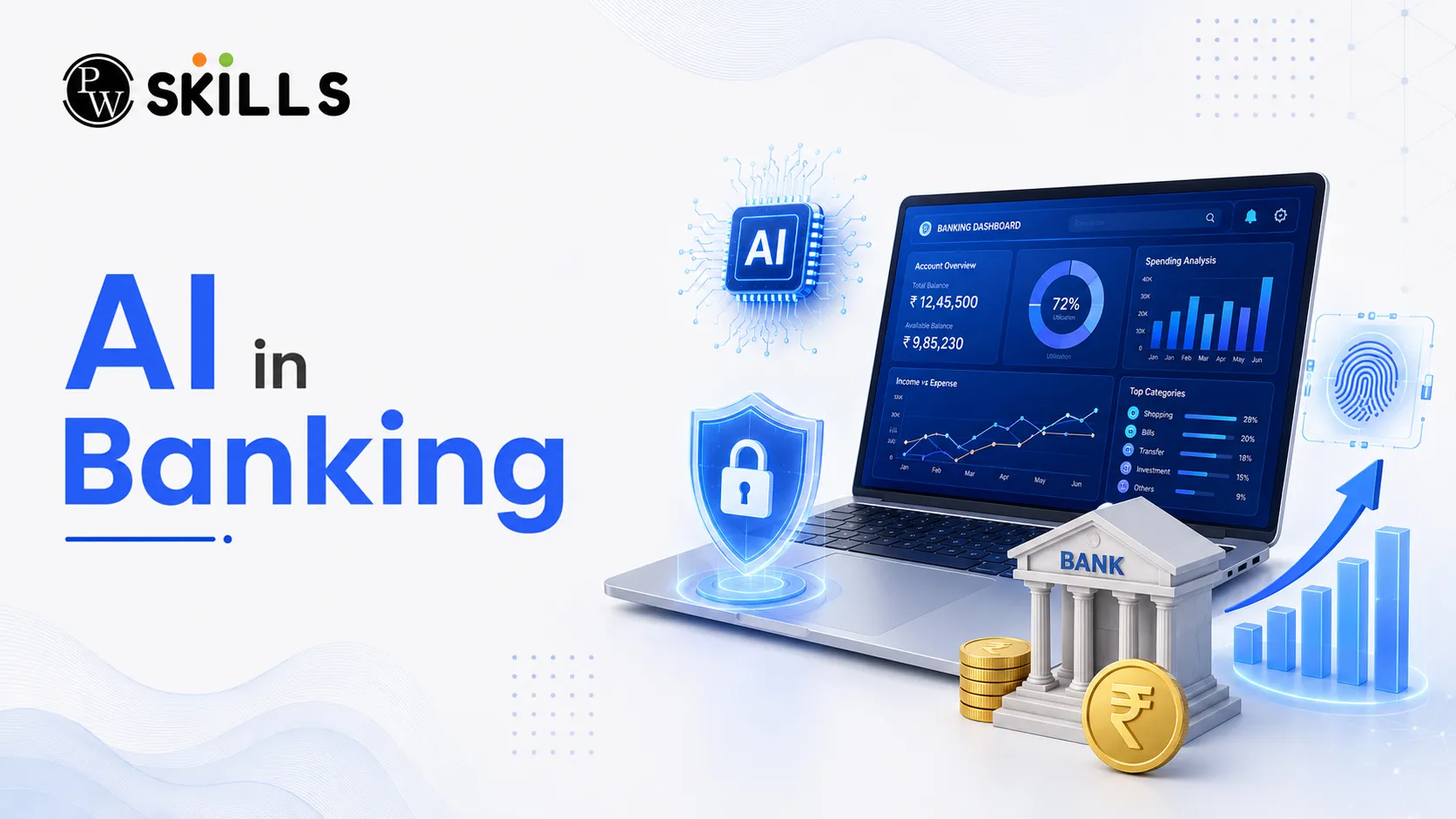
The growth of artificial intelligence in banking is helping financial institutions improve customer service, strengthen security, speed up operations, and support better business decisions. AI tools can analyze large amounts of data in real time, helping banks work faster and more accurately. From customer support to fraud detection and loan processing, AI is becoming an important part of modern banking operations.
The use of artificial intelligence in banking has moved far beyond simple software programs. Earlier banking systems handled only specific tasks, but modern AI solutions are built into the core banking system.
This allows banks to analyze huge amounts of information from different sources at the same time. AI can study customer transactions, payment activities, operational reports, and customer requests in real time.
Modern machine learning systems and large language models help banks understand both numbers and written information. Instead of waiting until the end of the day to process information, AI systems work continuously and provide instant results.
This real-time processing helps banks respond faster to customer needs, detect problems early, and improve overall efficiency while maintaining compliance and transparency.
What are the Main Pillars of AI in Banking?
Using AI-powered banking successfully requires a strong foundation. Financial institutions focus on four key areas when building AI systems.
Algorithm Transparency
AI systems influence important decisions such as credit approvals and risk evaluations. Banks must ensure that these decisions can be clearly explained and reviewed by regulators.
Data Management
Poor-quality data can create inaccurate results. Banks use strong data management practices to ensure AI systems work with accurate and reliable information.
Security Systems
Since financial information is highly sensitive, AI systems must be protected by strong cybersecurity measures to prevent data breaches and unauthorized access.
Continuous Availability
Cloud-based AI systems work 24/7. This allows banks to provide services, process transactions, and support customers at any time of the day.
What are the Benefits of AI in Banking?
Moving from manual systems to AI powered banking provides many important advantages.
Lower Error Rates
AI follows the same rules every time, reducing mistakes that often happen during manual data entry.
Better Use of Employees
Automation handles repetitive work, allowing employees to focus on customer support, financial advice, and complex problem-solving.
Improved Risk Planning
AI systems can test different economic situations and help banks prepare for possible market changes.
Faster Loan Approvals
AI can review documents and process loan applications quickly, reducing approval times from several days to only a few minutes.
What are the Use Cases of AI in Banking?
┌──────────────────────────────────────────────────────────────────────────┐
│ AI IN BANKING ARCHITECTURE │
└──────────────────────────────────────────────────────────────────────────┘
│
┌──────────────────────────────┼──────────────────────────────┐
▼ ▼ ▼
┌───────────┐ ┌───────────┐ ┌───────────┐
│ FRONT │ │ MIDDLE │ │ BACK │
│ OFFICE │ │ OFFICE │ │ OFFICE │
└─────┬─────┘ └─────┬─────┘ └─────┬─────┘
│ │ │
├─► Virtual Assistants ├─► Anti-Money Laundering ├─► Document Processing
└─► Personal Finance Tools └─► Fraud Detection └─► Automated Matching
AI helps improve front-office, middle-office, and back-office banking operations. These improvements help banks save time, reduce costs, and improve customer satisfaction.
What is the Use of AI in Banking for Customer Service?
Traditional customer support often faces delays because of limited staff and high customer demand. AI helps improve these services.
Virtual Assistants
AI-powered banking systems use smart chatbots and virtual assistants to answer customer questions, solve card issues, and process basic requests automatically.
Multi-Language Support
AI translation tools help customers communicate in different languages, making banking services available to more people.
Personalized Recommendations
AI studies customer behavior and spending patterns to suggest suitable savings plans, loans, insurance products, and investment options.
AI in Banking for Risk Management
Banks must protect customer money and prevent financial crimes. AI helps strengthen risk management processes.
Anti-Money Laundering (AML)
AI systems monitor financial transactions and identify unusual activities that may be connected to money laundering or illegal financial activities.
Call and Sentiment Analysis
AI can analyze customer conversations and financial documents to identify possible compliance issues and improve service quality.
Fraud Prevention
AI helps verify customer identities during account opening and monitors transactions to identify fraud attempts quickly.
What is AI in Banking for Back-Office Operations?
Banking automation helps reduce manual work and improve operational efficiency.
Document Processing
AI systems can read and organize information from contracts, loan applications, and compliance documents much faster than manual processes.
Automated Matching
Machine learning systems continuously compare transaction records and identify mismatches immediately instead of waiting for end-of-day processing.
Cash Flow Forecasting
AI helps treasury teams predict future cash requirements and prepare for changing market conditions.
How AI in Banking Supports Fintech Innovation?
The growth of fintech innovation is closely linked to the rise of banking automation. Traditional banking systems are often difficult to update because they depend on old software structures.
Modern AI systems add intelligent automation without requiring banks to completely replace their core systems. This allows banks to improve services more quickly and compete with fast-growing fintech companies.
Using cloud-based AI tools, banks can process applications faster, offer flexible pricing models, and launch new products more efficiently. This helps create better experiences for customers while supporting business growth.





FAQs
1. How does AI in Banking improve online transaction security?
2. How does banking automation reduce back-office delays?
3. Can AI-powered banking improve compliance management?
4. How does fintech innovation help banking customers?
5. Is human supervision still needed in artificial intelligence in banking?







Get Free Counselling Today
and Clear up all your Doubts
 Live & recorded classes available at easeDashboard for progress trackingLakhs of practice questions

