

How AI Is Transforming Financial Modeling
 Praveen Singh1 Jul, 2026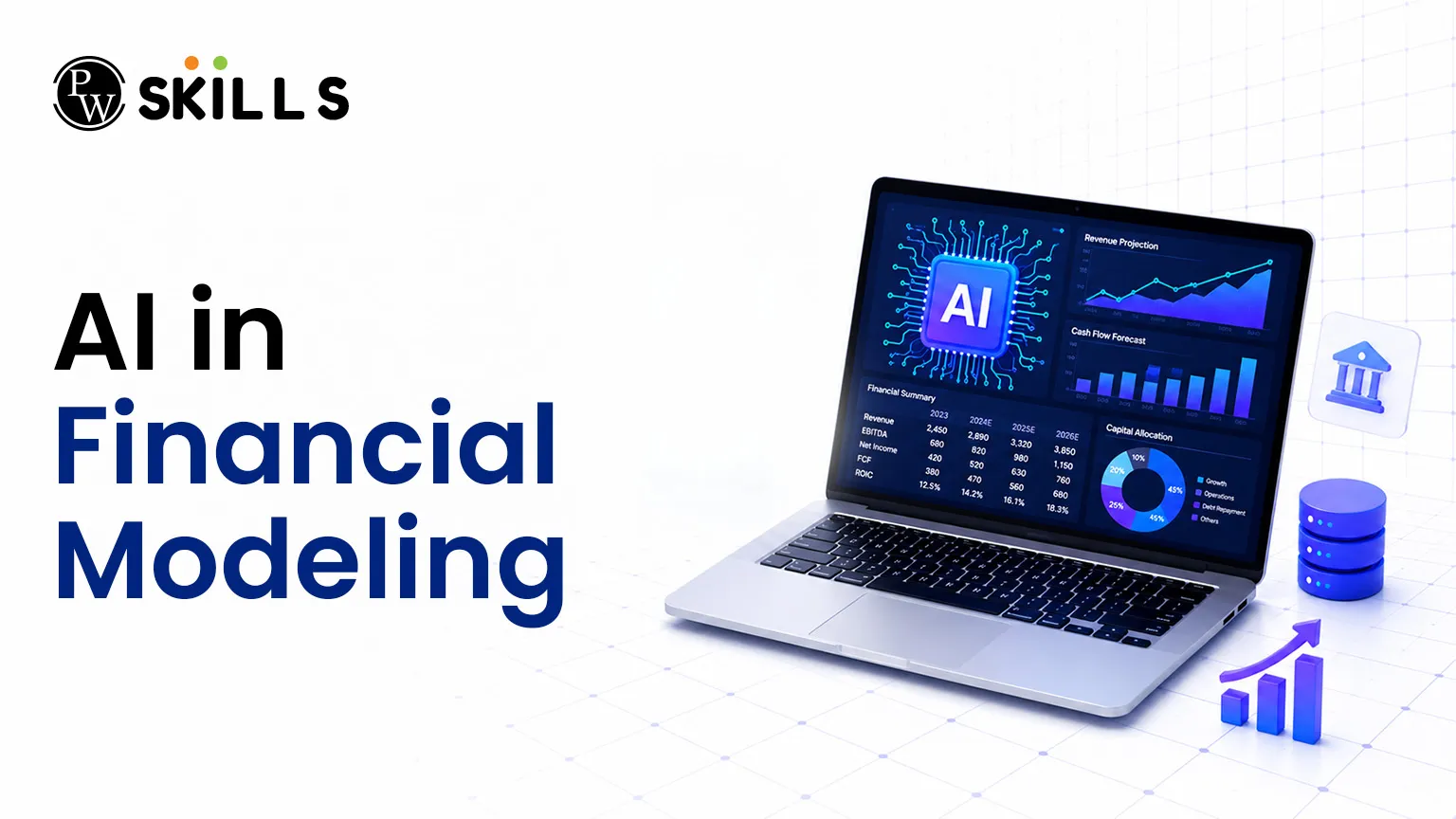
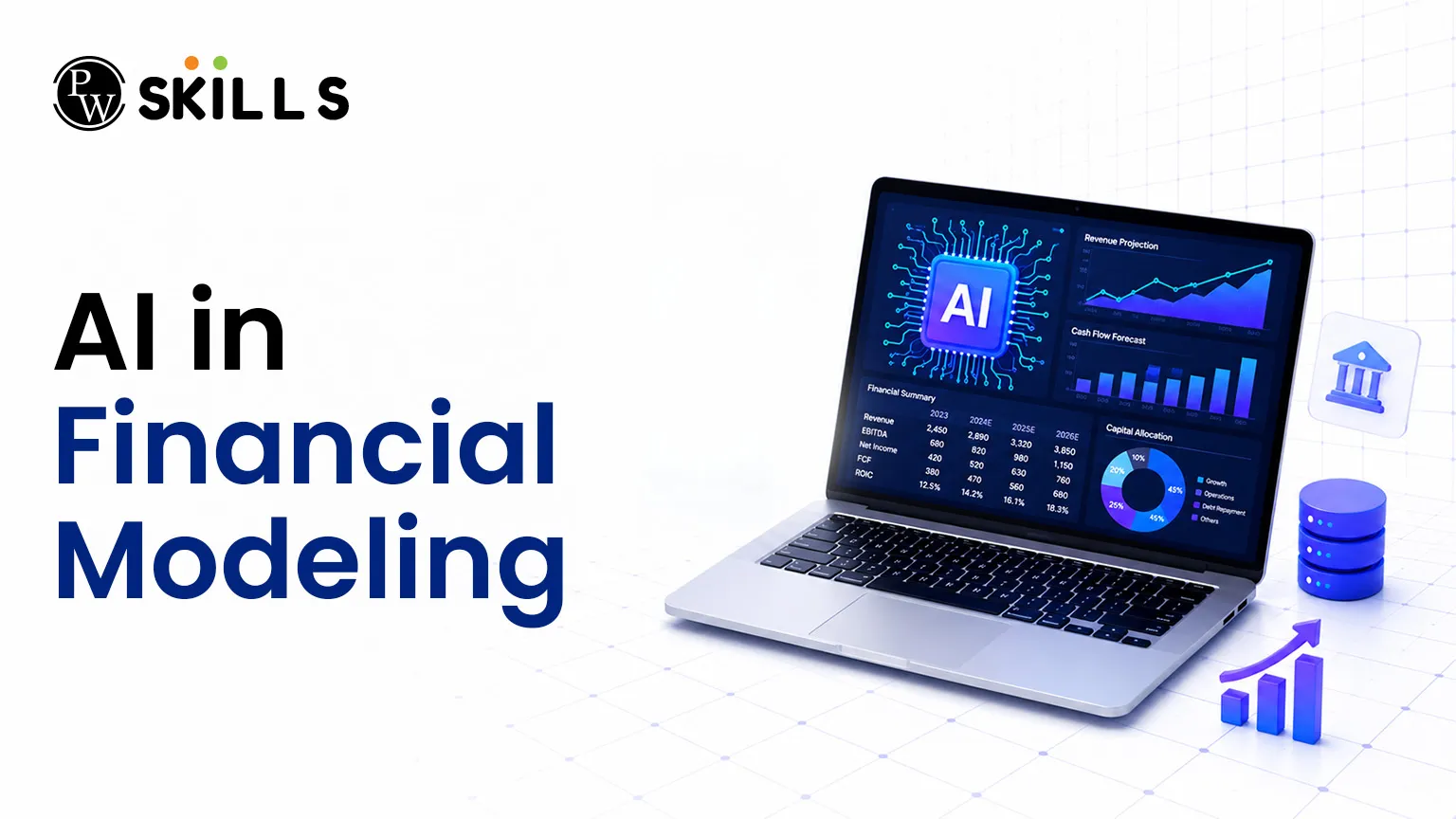
Corporate finance is currently navigating a major shift. Today, the rapid rise of AI in Financial Modeling is changing this dynamic completely. The core challenge for modern professionals is no longer just about understanding complex spreadsheet formulas. Instead, it is about keeping up with the sheer volume of data while delivering fast, error-free strategic insights. AI in finance provides a path forward. This article explores how artificial intelligence is redefining the financial landscape and why these advanced tools make human expertise more valuable than ever.
How AI in Financial Modeling Improves Forecasting Accuracy and Efficiency
Introducing machine learning and automation into financial systems means two big benefits: incredible computational speed and less human error. This allows organisations to move the hard analytical work to smart algorithms, thus greatly improving their operational efficiency and the reliability of their results.
1. Automation of Data Processing and Model Building
Traditionally, financial professionals had to spend hours on tedious data entry and validation tasks. Manually cleaning raw information from different corporate statements is highly prone to human error.
-
Fast Data Cleaning: Advanced algorithms can execute automated data cleaning tasks instantly, spotting inconsistencies, duplicates, and calculation errors that humans might miss.
-
Rapid Model Generation: Modern tools can build a basic, functional 3-statement model linking the income statement, balance sheet, and cash flow statement in seconds using clear natural language prompts.
-
Operational Advantages: Delegating data consolidation to automated systems eliminates manual mistakes, delivering faster, more trustworthy corporate records.
2. Enhanced Predictive Accuracy with Machine Learning
Static historical data often fails to capture sudden market changes. Machine learning algorithms, however, excel at identifying deep historical patterns and complex market variables.
-
Pattern Recognition: Algorithms scan vast historical datasets to find hidden trends, improving the precision of forecasting in finance.
-
Risk and Revenue Projections: Companies use these systems to predict revenue trends, shifting customer behaviors, and sudden market risks with much greater accuracy.
-
Strategic Value: Rather than relying entirely on manual spreadsheet assessments, a retail analyst can use intelligent tools to project future sales trends based on macroeconomic variables, ensuring highly optimized pricing and inventory strategies.
3. Automated Reporting and Variance Analysis
Continuous monitoring is essential for sound corporate governance. By embedding finance automation directly into standard corporate workflows, reporting becomes a continuous, dynamic process.
-
Dynamic Dashboards: Automated dashboards track performance in real-time, providing immediate visibility to stakeholders.
-
Instant Variance Analysis: Systems automatically compare actual performance figures against initial budgets, instantly flagging significant deviations.
-
Time Savings: Automating routine report creation saves hours of manual work, allowing teams to deliver high-quality, actionable insights to leadership exactly when they are needed.
Tools and Technologies for AI in Financial Modeling
The modern financial toolkit has expanded far beyond traditional spreadsheet software. Analysts now collaborate with advanced generative platforms and specialized LLMs to streamline their workflows.
To keep pace with this evolution, forward-thinking professionals are turning to comprehensive training programs. For instance, courses like Financial Modeling with AI are designed to help learners understand both core Excel principles and modern workflows. These curriculum usually covers advanced corporate techniques—such as Discounted Cash Flow (DCF), Comparable Companies, Mergers & Acquisitions (M&A), Leveraged Buyout (LBO), and Project Finance models—while teaching students to use artificial intelligence responsibly.
|
Technology Category |
Specific Tools Used |
Primary Application in Finance |
|
Generative AI Platforms |
ChatGPT, Claude, Gemini |
Generating baseline code, drafting financial assumptions, and summarizing long market reports. |
|
Specialised Search Engines |
Perplexity, Genspark |
Conducting rapid macroeconomic research, tracking competitor metrics, and gathering industry data. |
|
Automation & Analytics |
Automated Dashboards, Machine Learning Scripts |
Tracking real-time performance variance, running automated checks, and identifying data anomalies. |
Using these tools effectively requires a balanced, hybrid approach. Analysts use artificial intelligence to accelerate mechanical tasks, but they must rely entirely on professional judgment to check assumptions, evaluate specific industry dynamics, and ensure the final business narrative is accurate.
Also Check: Youtube Channels To learn Generative AI
Benefits of AI in Financial Modeling
Integrating smart technologies into financial management provides clear advantages that redefine the role of the modern analyst.
-
Significant Time Savings: Automating data aggregation and historical schedule preparation gives analysts more time to focus on strategic business planning.
-
Fluency in AI as a Career Advantage: The modern labor market highly values professionals who combine core corporate finance skills with data analytics and programming fundamentals.
-
Better Risk Mitigation: Running complex sensitivity testing and multiple parallel scenarios helps organizations spot vulnerabilities before they impact the bottom line.
-
Shift to High-Value Roles: As automation in finance handles repetitive math, human roles are moving away from screen-bound data entry and shifting toward leadership, storytelling, and active problem-solving.
-
Data-Driven Strategic Insights: Connecting automated data processing with professional human judgment allows companies to execute highly informed mergers, acquisitions, and project financing decisions.
They are great collaborating partners in the end. AI can crunch facts at lightning speed, but it can’t interview corporate executives, comprehend the competitive dynamics that are specific to a business, or communicate the human story behind the numbers. The winners will be specialists who can mix technical modelling competence with fluency in current digital tools.





How AI Is Transforming Financial Modeling FAQs
How does AI in Financial Modeling improve forecasting?
Can AI completely replace human financial analysts?
What are the key tools used in AI in finance?
What skills are needed for Financial Modeling with AI?
What value does finance automation add to corporate reporting?







Get Free Counselling Today
and Clear up all your Doubts
 Live & recorded classes available at easeDashboard for progress trackingLakhs of practice questions

