

Influencer Outreach Strategy Guide
 Study Abroad17 May, 2026
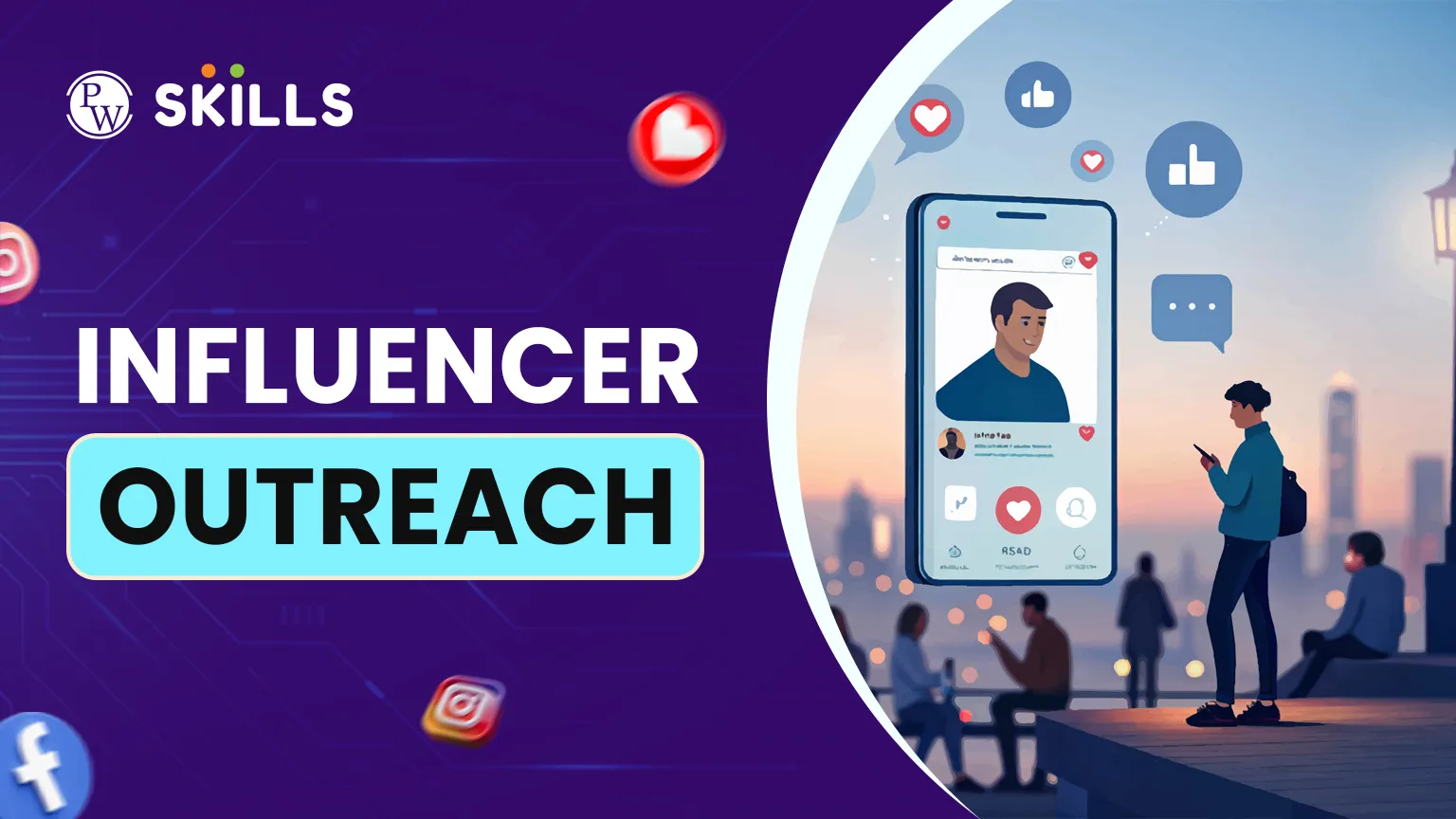
To build a brand in today's digital world, you need more than simply traditional advertising; you need trust. This is where influencer outreach becomes quite important for any digital marketer. A lot of students and professionals have trouble getting past the "cold email" stage because their messages are often disregarded or designated as spam. The issue is that there is no plan or personalization. You may transform a simple proposal into a powerful relationship by knowing how to talk to creators in a professional way. This book goes over the best strategies to get in touch with influencers and create campaigns that work well with your target demographic.
What is Influencer Outreach?
The influencer outreach process takes a lot of careful planning to make sure that every creative you reach out to share your brand's values and marketing goals.
First, you need to figure out what success means for your campaign. Are you trying to get people to know about your brand or make direct sales? Once you know what you want to do, the steps are as follows:
-
Discovery: Looking for creators who talk to the people you want to reach.
-
Vetting is checking the quality of the content, the legitimacy of the audience, and the engagement rates.
-
First Contact: Sending a personalized proposal that shows how both sides can benefit.
-
Negotiation: Discussing what needs to be done, when, and the cost.
-
Onboarding means giving the creator the briefs and assets they need.
Influencer Outreach Strategy
A successful influencer outreach strategy relies on a balance between automation and human touch. You cannot simply blast thousands of creators with the same message and expect a high response rate. Instead, segment your list based on the "tier" of the influencer, such as nano, micro, or macro creators.
When building your strategy, consider these three pillars:
-
Relevance: Does the influencer’s content niche match your product?
-
Reach: Does the influencer have a sufficient following to meet your KPIs?
-
Resonance: Does the audience actually engage with the influencer’s recommendations?
Focusing on micro-influencers often yields better results for educational or niche brands because their followers perceive them as more relatable and trustworthy.
How to Find the Right Creators?
Before reaching out, you need to build a database. You can do this manually by searching relevant hashtags on social media or by using dedicated influencer outreach tools. These tools help you filter creators by location, engagement rate, and audience interests, saving hours of manual work.
Influencer Outreach Email Template
Your first impression is usually an inbox notification. A generic "Dear Influencer" will almost certainly be ignored. A high-converting influencer outreach email template should be concise, professional, and value-oriented.
Key elements of a successful pitch include:
-
A Clear Subject Line: Mention the creator’s name or a recent piece of their content.
-
The Hook: Briefly explain why you like their specific style.
-
The Value Proposition: State clearly what is in it for them (e.g., free products, commission, or flat fees).
-
Call to Action: Ask for a brief meeting or a media kit rather than demanding a "yes" immediately.
Example Pitch Structure
-
Greeting: Use their first name.
-
Connection: Mention a specific video or post you enjoyed.
-
Introduction: Briefly state who you are and what your brand represents.
-
The "Why": Explain why they are a perfect fit for this specific campaign.
-
Closing: A low-pressure invitation to discuss the opportunity further.
Influencer Outreach Tips for Better Results
To improve your success rate, you need to go beyond the basics. Here are some influencer outreach tips to ensure your brand stands out in a crowded inbox:
-
Interact First: Engage with the creator’s content (likes and comments) for a few days before sending an email. This makes your name familiar.
-
Be Transparent: Clearly state your budget or the type of collaboration you are proposing.
-
Follow Up: Influencers are busy. A polite follow-up after five to seven days is standard practice.
-
Personalise at Scale: Even if you use a template, ensure at least two sentences are unique to that specific creator.
Using these tactics helps shift the dynamic from a cold transaction to a professional relationship, which is the foundation of any long-term influencer outreach campaign.
Influencer Outreach Examples
Looking at influencer outreach examples from top brands reveals a common theme: they treat creators as creative partners rather than just distribution channels.
The Product Seeding Approach
Some brands send products with no strings attached. While there is no guarantee of a post, this "gifting" strategy often leads to organic, high-trust mentions because the influencer genuinely likes the product.
The Long-Term Ambassadorship
Instead of a one-off post, brands often sign influencers for six-month contracts. This creates a consistent presence in front of the audience, making the promotion feel more natural and less like a traditional advert.
Influencer Outreach Campaign Management
Once the creator agrees to work with you, the management phase begins. An influencer outreach campaign requires clear communication to avoid misunderstandings regarding deadlines or creative guidelines.
|
Task |
Description |
|
Creative Briefing |
Provide clear guidelines but allow the creator "creative freedom." |
|
Tracking |
Use unique discount codes or UTM links to measure performance. |
|
Compliance |
Ensure the influencer uses the correct disclosure tags (e.g., #ad). |
|
Payment |
Process invoices promptly to maintain a good reputation in the creator community. |
Why Influencer Outreach Matters in Digital Marketing
The digital world is getting more and more divided. People are using social media instead of search engines to find things. Brands can reach out to influencers in areas where trust has already been built through effective influencer outreach. It connects what a company says with what a customer needs by getting a third party to back it up in a way that feels real.
You can establish a long-term growth engine for any company by following a step-by-step process that includes finding the proper creators and managing the connection.
Mistakes to Avoid in Influencer Outreach:
-
Only looking at the number of followers: A lot of followers doesn't always equal a lot of interaction.
-
Limiting creativity: If the content doesn't appear like what the influencer usually posts, people won't pay attention to it.
-
Not looking at the numbers: After a campaign, always look at the metrics to evaluate what worked and what didn't.




FAQs
When is the greatest time to send an email to someone?
Should I pay influencers or give them free stuff?
How can I keep track of the return on investment (ROI) of my outreach?
How often should I check back?
What is a kit for the media?





Get Free Counselling Today
and Clear up all your Doubts
 Live & recorded classes available at easeDashboard for progress trackingLakhs of practice questions

