

Re-Engagement Email Campaign Guide
 Study Abroad17 May, 2026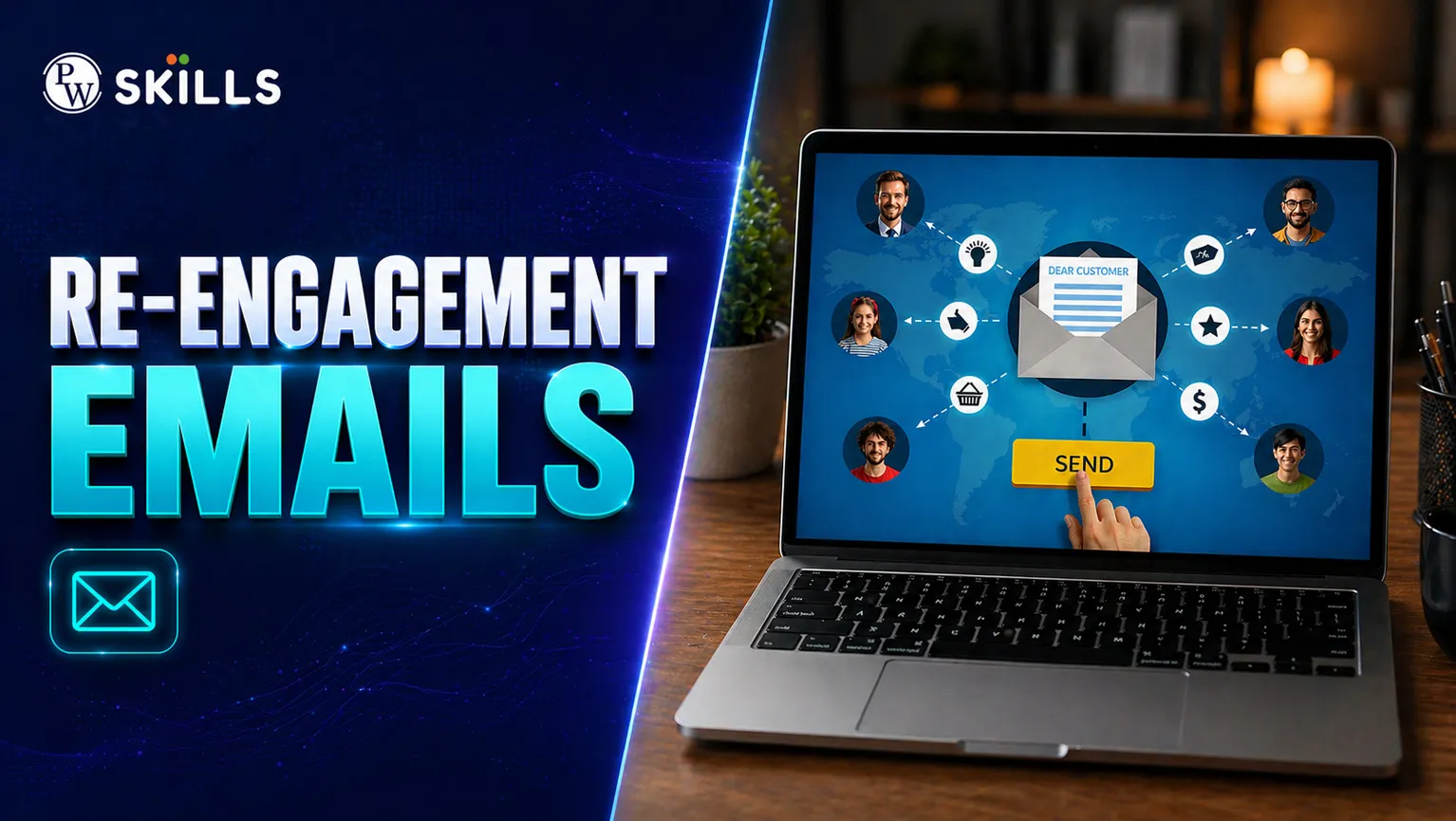
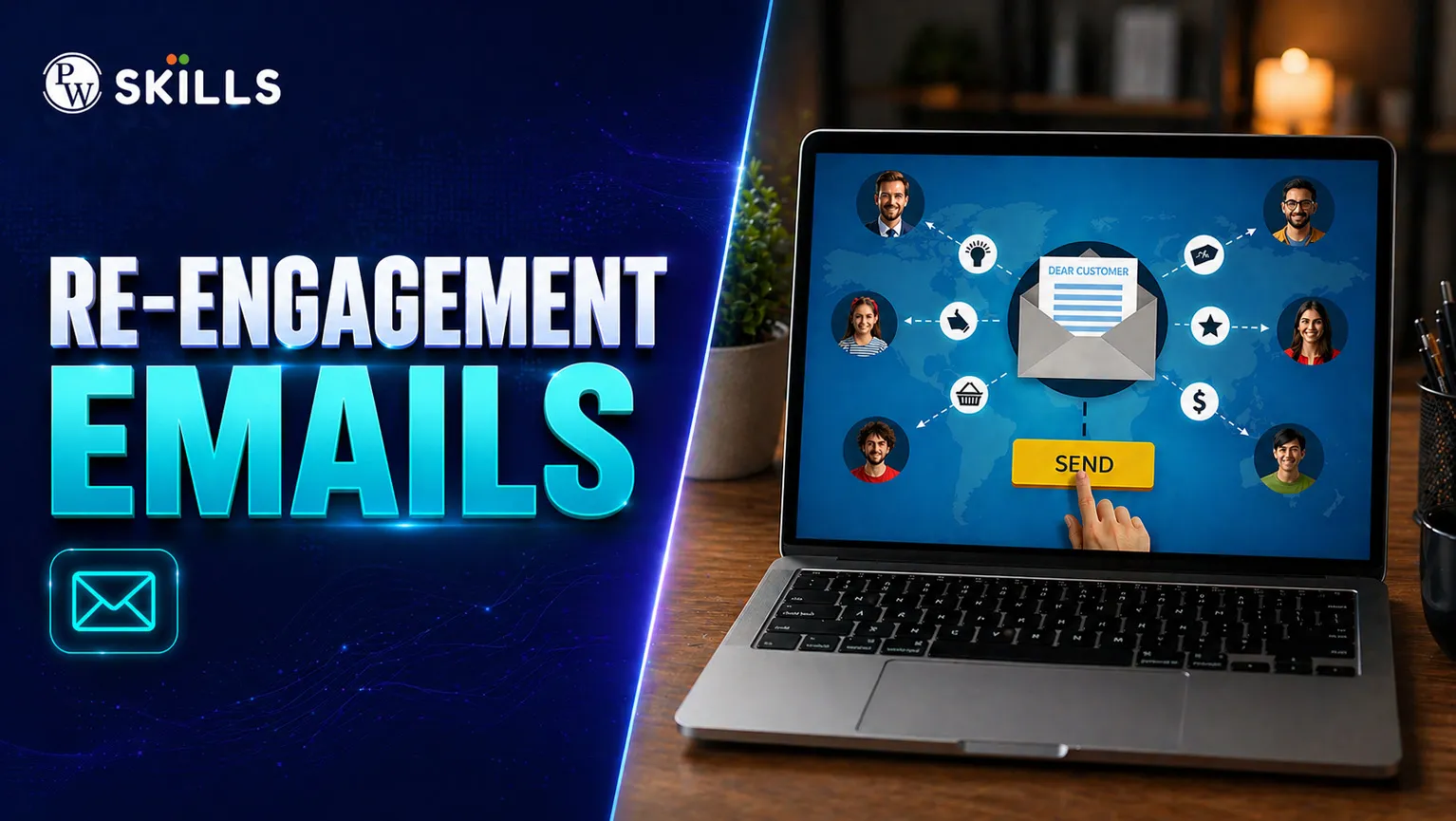
Every digital marketer has to deal with the same problem: an email list that is getting smaller. Over time, subscribers naturally lose interest, stop opening messages, or move on to other things. Re-engagement emails are the most useful tool you have at this point.
A well-planned campaign helps you find out who is still interested and who has moved on instead of letting these leads go cold. By focusing your efforts, you can cut down on the number of people that unsubscribe and make sure your marketing money isn't squandered on fake accounts. In this post, we'll talk about how to come up with a great plan to get your inactive audience back.
Importance of Re-Engagement Emails
Maintaining a healthy email list is more than just having a high subscriber count. It is about engagement quality. When people stop opening your messages, email service providers may start flagging your content as spam. This hurts your overall reach. Implementing re-engagement emails allows you to filter out inactive users while reminding others why they signed up in the first place.
Building a bridge back to your customers is often cheaper than acquiring new ones. Since these individuals are already familiar with your brand, a gentle nudge or a special offer can quickly turn an inactive contact back into a paying customer.
Re-Engagement Emails Strategy
Data is the first step in a good re-engagement emails strategy. You can't fix something if you haven't measured it. You need to figure out what "inactive" means for your business before you send any messages.
-
Find Inactive People: Look for subscribers who haven't opened or clicked on an email in the last three to six months.
-
Break Up Your Audience: Sort your inactive users by what they bought in the past or the last piece of content they interacted with.
-
Make Your Goals Clear: Choose whether you want them to click, buy, or just let you know that they still want to get updates.
-
Pick the Right Incentive: A simple "We miss you" sometimes helps, but a discount coupon or a special resource is usually better.
-
By dividing up your list, you make sure that the information feels individualized instead of generic, which greatly raises the odds of a good reaction.
Re-Engagement Emails Examples
Reading re-engagement emails examples will help you learn how to write them in a way that gets results. Different brands utilize different emotional hooks to get people to pay attention.
-
The Emotional Way: Say something like "Is it something we said?" or "We miss you." This is a good fit for firms that focus on lifestyle or subscriptions.
-
The Value-Driven Way: Point out new features or goods that the user has missed since they stopped reading your emails.
-
The Feedback Method: Find out why the subscriber stopped interacting. This gives you useful information that can help you market better in the future.
-
The Last Chance: An email that says "goodbye" and tells the user they will be taken off the list unless they click a button to keep subscribed.
Each of these instances has a distinct role in the customer journey, allowing you to change your message based on how users interact with it.
Re-Engagement Emails Templates
Having a starting point makes the writing process much faster. Use these re-engagement emails templates as a foundation and tweak them to match your brand's unique voice.
Template 1: The "We Miss You" Discount
Subject: We’ve missed you! Here is 20% off.
Body: Hi [Name], it has been a while since we last saw you. We’ve added plenty of new items we think you’ll love. To welcome you back, use code COMEBACK20 for a special discount on your next order.
Template 2: The Preference Update
Subject: Are we sending too many emails?
Body: Hello [Name], we noticed you haven't been opening our updates lately. We want to make sure we only send you things you actually want to read. Click here to update your preferences and choose how often you hear from us.
Re-Engagement Emails Workflow Explained
A structured re-engagement emails workflow is the backbone of a professional digital marketing setup. A typical three-step sequence looks like this:
-
The Reminder: A soft check-in sent after 60-90 days of inactivity.
-
The Incentive: A stronger offer or a "What's New" summary sent 7 days after the first email if there was no response.
-
The Final Call: A notification sent 14 days later stating that the user will be removed from the mailing list to keep things tidy.
|
Workflow Step |
Timing |
Primary Goal |
|
Initial Hook |
90 Days Inactive |
Awareness & Re-entry |
|
Special Offer |
+7 Days |
Conversion |
|
List Cleanup |
+14 Days |
List Hygiene |
Re-Engagement Emails Automation
Manual sending is inefficient. Using re-engagement emails automation ensures that your campaign runs in the background whenever a subscriber hits a certain period of inactivity.
You can set up a trigger in your email marketing tool that detects when a user hasn't engaged for 90 days. Once triggered, the system automatically sends a sequence of three emails over two weeks. If there is still no engagement after the final email, the automation can automatically move that contact to a "suppression list" to protect your deliverability rates.
Re-Engagement Emails Best Practices
To ensure your campaign doesn't end up in the junk folder, follow these re-engagement emails best practices. These tips focus on technical health and user experience.
-
Optimise Subject Lines: Use catchy, urgent, or curious subject lines to encourage the first click.
-
Keep it Simple: Don't clutter the email with too many calls to action. Focus on one primary goal.
-
Use Personalisation: Address the user by name and mention their past interests if the data is available.
-
A/B Testing: Test different subject lines and send times to see what resonates best with your specific audience.
-
Provide an Easy Out: Always include a clear "Unsubscribe" link. It is better for a user to leave your list than to mark your email as spam.
Re-Engagement Emails Checklist
Before you launch, use this re-engagement emails guide checklist to ensure everything is in place:
-
[ ] Have you defined your "inactive" window (e.g., 120 days)?
-
[ ] Is your tracking pixel or system working to record clicks?
-
[ ] Does your "Stay Subscribed" button link to a working landing page?
-
[ ] Have you removed competitors and internal test emails from the list?
-
[ ] Is the "Unsubscribe" link clearly visible to avoid spam complaints?
Taking these steps ensures that your campaign is professional, effective, and compliant with data privacy standards.





FAQs
How often should I conduct a campaign to get people to re-engage?
How many people should respond to these emails?
Should I get rid of subscribers who don't answer?
Is it okay to send more than one email to get people to re-engage?
Should you give a discount or a freebie?





Get Free Counselling Today
and Clear up all your Doubts
 Live & recorded classes available at easeDashboard for progress trackingLakhs of practice questions

