

2026 Hiring Outlook for CRO Specialists: Reading Between the Job-Portal Numbers
 Hardik Gupta17 Sept, 2026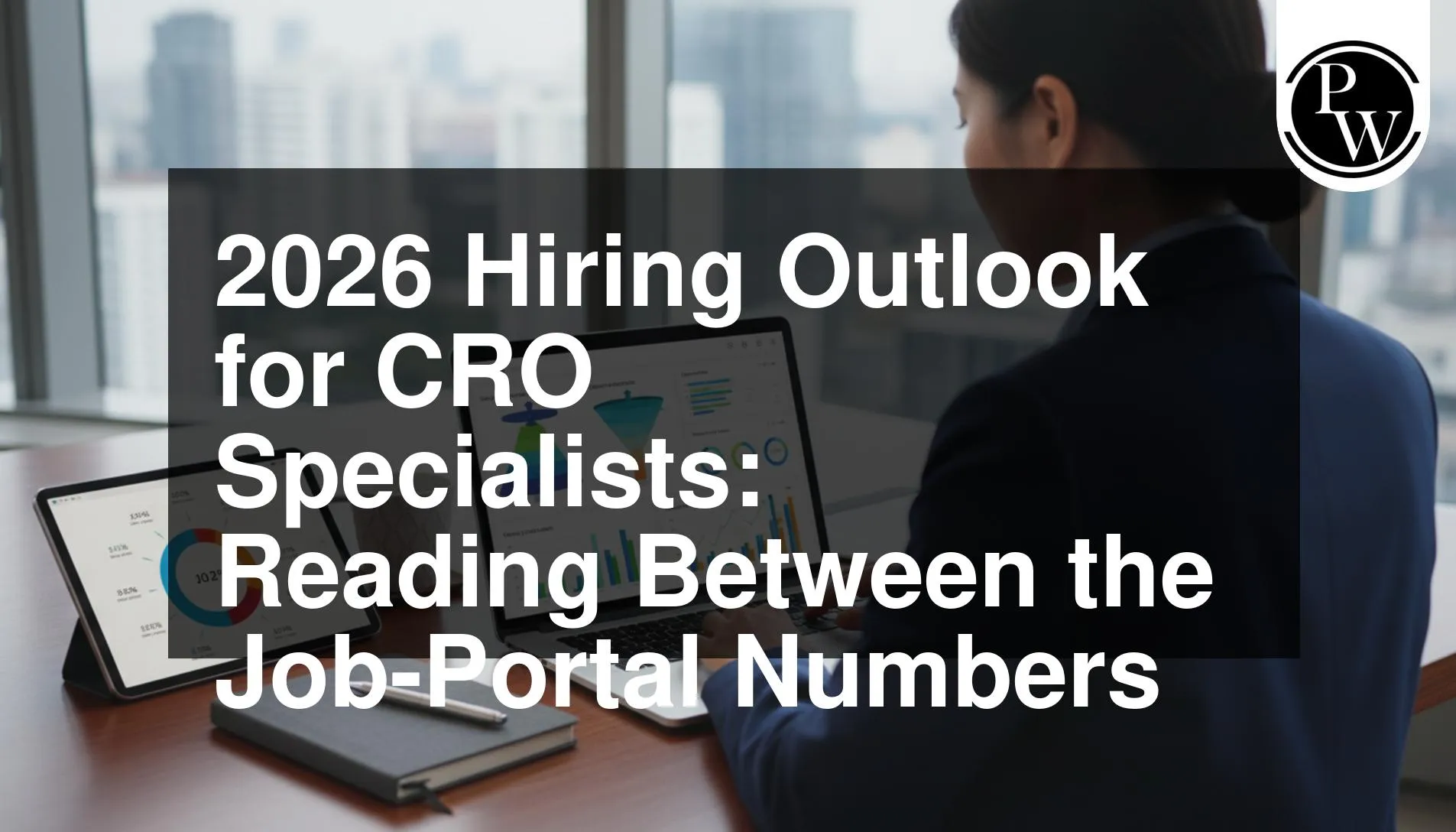
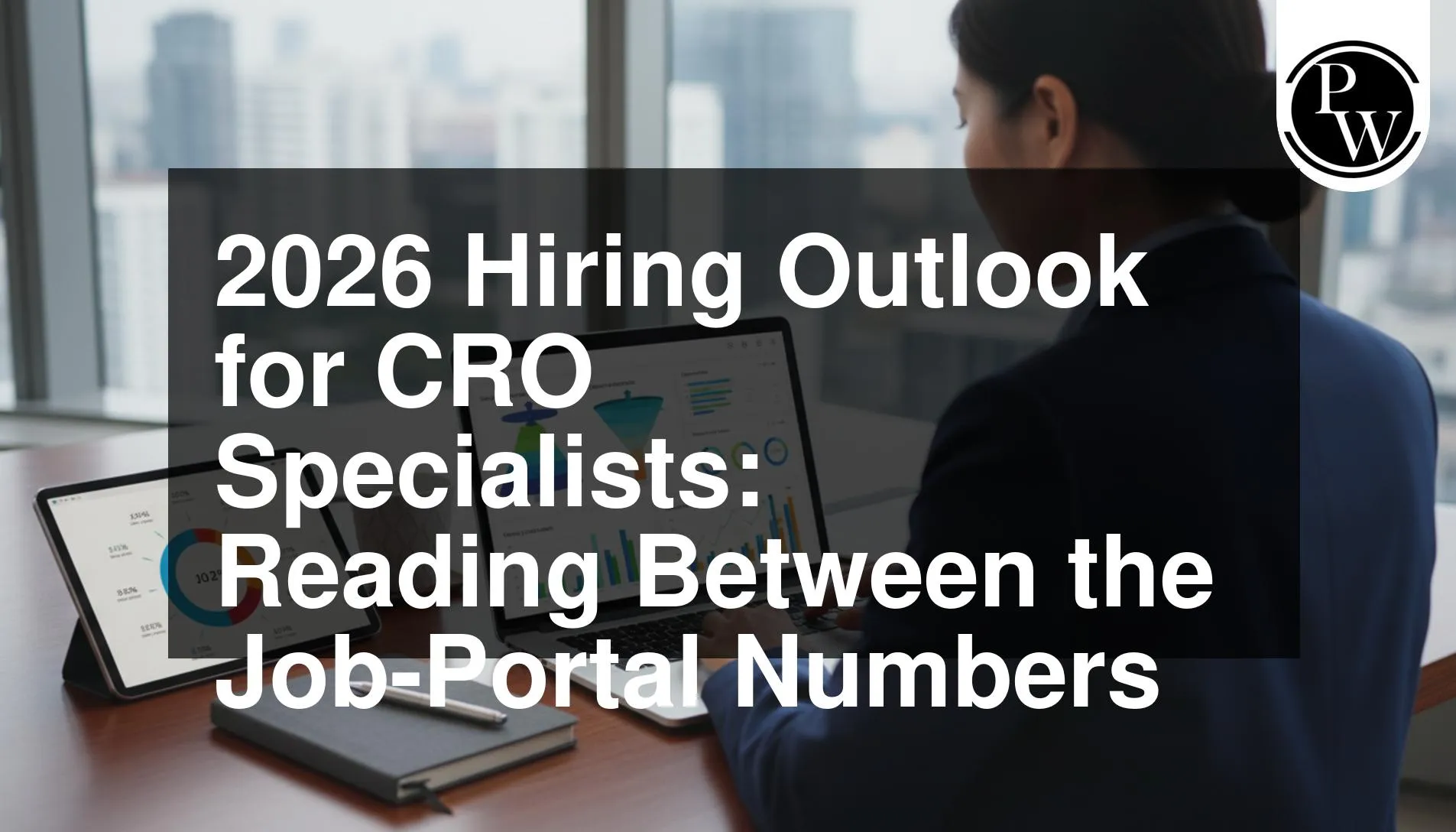
Many conversion rate optimization (CRO) specialists face uncertainty as job portals show fluctuating listing numbers in 2026. The core challenge lies in understanding whether demand is dropping or simply changing in nature.
Employers no longer want traditional optimizers who rely solely on manual A/B testing. Instead, organizations demand hybrid marketers capable of managing automated testing, predictive analytics, and personalized user journeys. Completing a Digital Marketing with AI Course addresses this exact gap by giving professionals the technical mastery needed to read data, implement machine learning tools, and meet modern hiring expectations.
Wha is a Digital Marketing with AI Course?
AI Digital Marketing Course teaches learners how to use digital marketing and AI tools to create, manage, and improve online campaigns. It covers key areas such as SEO, social media marketing, paid advertising, data analytics, content creation, conversion optimization, and marketing automation. The course helps beginners and professionals build practical skills and prepare for modern digital marketing, CRO, SEO, and performance marketing roles.
How Does a Digital Marketing with AI Course Match 2026 Hiring Trends?
The current recruitment landscape for optimization roles shows strong structural growth, but the entry barrier has changed significantly. Organizations are replacing basic CRO positions with senior roles that mandate advanced technical skills.
2026 CRO Specialist Skill Requirements
|
Traditional CRO Skills |
2026 AI-Integrated Skills |
|
Manual A/B Testing |
Predictive Analytics Algorithms |
|
Basic Heatmap Analysis |
Automated Machine Personalisation |
|
Static UX Audits |
Dynamic User-Journey Testing |
|
Copywriting Adjustments |
Real-Time Generative Analytics |
Understanding Job Portal Trends and Recruitment Data
Job portal numbers can present a misleading narrative if read without proper context. While raw job postings for entry-level CRO roles have stabilized, positions calling for AI-driven conversion capabilities have expanded rapidly.
Key metrics defining the modern recruitment climate include:
-
Shift in Role Responsibilities: More than 60% of modern optimization postings require direct expertise in machine learning tools for personalized user journeys.
-
Skill Integration Demand: Hiring managers look for candidates who hold certified expertise from an AI Digital Marketing Course alongside proven data analytical capabilities.
-
Higher Value Packages: While total role count shows controlled growth, compensation packages for candidates skilled in automated testing algorithms have increased by 20% to 30%.
Key Factors Driving CRO Demand
Several technical and economic conditions drive this shift across global industries:
-
Rising Customer Acquisition Costs (CAC): Paid acquisition across search engines and social platforms continues to rise. Companies prefer investing in conversion optimization to maximize value from existing web traffic.
-
Data Privacy Regulations: Strict cookie policies mean brands can no longer rely purely on retargeting ads. Improving on-site user journeys is now the primary growth lever.
-
Scalability via Automation: Teams want specialists who use AI models to run multi-variant tests continuously rather than managing single tests manually over weeks.
How Does a Digital Marketing with AI Course Match the HubSpot Report?
Insights from authoritative research, such as the HubSpot State of Marketing Report, highlight how optimization strategies are pivoting across global brand operations.
Core Trends Identified in Modern Marketing Analysis
Recent findings emphasize three major pillars shaping CRO and marketing workflows:
-
AI as an Industry Baseline: Over 80% of marketing leaders report using AI within their core workflows. AI tools are no longer a competitive extra; they are an absolute baseline requirement for daily operations.
-
The Disruption Factor: Over 61% of marketing professionals agree that AI has caused the largest industry shift in two decades, directly impacting how user behaviors are analyzed and targeted.
-
Human-Led Authenticity: While automation handles data processing and dynamic testing, human oversight remains vital for building brand trust, high-level strategy, and empathetic messaging.
|
Report Metric |
Industry Value |
Impact on CRO Specialists |
|
Workflow AI Adoption |
80% |
Automation skills are required for standard application approval. |
|
Industry Disruption Rate |
61% |
Traditional manual testing methods are rapidly becoming obsolete. |
|
Human Strategy Value |
High |
Human oversight is necessary to ensure dynamic tests match brand values. |
Translating Industry Insights into Job Security
For optimization specialists, this research provides a clear roadmap for career growth. Job security no longer comes from executing manual tasks like building simple survey forms or setting up single-element tests. It comes from interpreting complex behavioral data through smart tools.
Enrolling in a structured AI Digital Marketing Course equips students with the exact skills needed to align with these industry standards. Understanding these shifts allows candidates to present themselves as strategic assets capable of managing scalable, automated conversion systems.
Why Is a Digital Marketing with AI Course Important for Hiring?
To catch the attention of recruiters, job applicants must establish an effective hiring-outlook-hook on their resumes and LinkedIn profiles. Demonstrating mastery over modern AI tools shows recruiters that a candidate can drive immediate return on investment.
Core Competencies Taught in an AI-Driven Curriculum
A comprehensive AI Digital Marketing Course covers key practical modules required in high-performing conversion teams:
-
Predictive User Analytics: Learning how machine learning algorithms analyze historical user navigation data to predict drop-off points before they happen.
-
Automated Personalization Systems: Setting up tools that dynamically alter web copy, banners, and calls-to-action based on real-time user demographic signals.
-
AI-Assisted UX Auditing: Using specialized algorithms to run instant accessibility, readability, and visual hierarchy checks across hundreds of landing pages simultaneously.
-
Data-Driven Conversion Copywriting: Generating, testing, and iterating headline variations at scale using natural language models tailored to target buyer personas.
How Skill Certification Elevates Candidates
Recruiters review hundreds of resumes for mid-level marketing roles. Candidates who showcase structured learning stand out instantly during screening.
-
Resume Differentiation: Adding certified qualifications in AI-driven marketing instantly sets a profile apart from candidates with outdated skill sets.
-
Practical Portfolio Creation: Top training programs ensure students build real-world projects, such as live automated A/B tests and heat-map analyses, proving operational readiness.
-
Strategic Thinking Skills: Structured learning teaches students how to combine technical execution with high-level conversion strategy, preparing them for leadership opportunities.
How Does a Digital Marketing with AI Course Prepare You for SEO and CRO?
Tracking Digital Marketing with AI Course + SEO Specialist Jobs News reveals a clear trend across organic search and user conversion roles: the boundaries between search engine optimization and user conversion have largely dissolved.
Traditional Marketing vs 2026 Merged Search Architecture
|
Traditional Marketing |
2026 Merged Search Architecture |
|
SEO Team (Drives Traffic) |
Search & Conversion Specialist |
|
↓ |
AI Intent Analysis |
|
CRO Team (Converts Traffic) |
Behavioral UX Optimization |
|
End-to-End Funnel Monetisation |
The Convergence of Search Traffic and Conversion Optimization
Search engines prioritize web pages that deliver fast loading times, clear answers, and engaging user experiences. As a result, SEO teams can no longer focus solely on rankings, and CRO teams cannot focus solely on post-click actions.
-
Intent-Driven Landing Pages: Modern search algorithms evaluate post-click user engagement. If visitors bounce quickly due to poor layout, rankings drop. CRO specialists ensure traffic stays engaged.
-
Unified AI Workflows: Both SEO and CRO teams use similar AI frameworks for user intent analysis, semantic content structure, and algorithmic layout evaluations.
-
Data Sharing Across Funnels: Conversion metrics provide valuable feedback to search teams regarding keyword quality, helping refine targeting for higher lifetime user value.
Market Demand for Hybrid Search and Conversion Skills
Companies increasingly seek hybrid professionals who understand the entire user journey, from search engine result pages (SERPs) to the final purchase confirmation.
|
Role Focus |
Traditional Responsibilities |
Hybrid 2026 Responsibilities |
|
Keyword research, backlink building, meta tag management |
Intent modeling, user path analysis, search experience optimization |
|
|
On-page A/B testing, form optimization, button placement |
Dynamic UX personalization, algorithmic path optimization, retention tracking |
|
|
Hybrid Professional |
Separated campaign hand-offs |
End-to-end user acquisition, engagement, and conversion strategies |
Taking an AI Digital Marketing Course gives professionals the skills needed to bridge this gap, opening doors to hybrid opportunities that command higher salaries and greater job security.





FAQ
What is the primary benefit of enrolling in a Digital Marketing with AI Course for CRO specialists?
How are SEO Specialist Jobs News trends affecting modern CRO roles?
How does the HubSpot State of Marketing Report help guide career decisions?
What key elements should be included in a hiring-outlook-hook for CRO applications?
Can beginners transition into a CRO role by taking a Digital Marketing with AI Course?






Get Free Counselling Today
and Clear up all your Doubts
 Live & recorded classes available at easeDashboard for progress trackingLakhs of practice questions

