

Data-Driven Attribution Explained
 Study Abroad23 May, 2026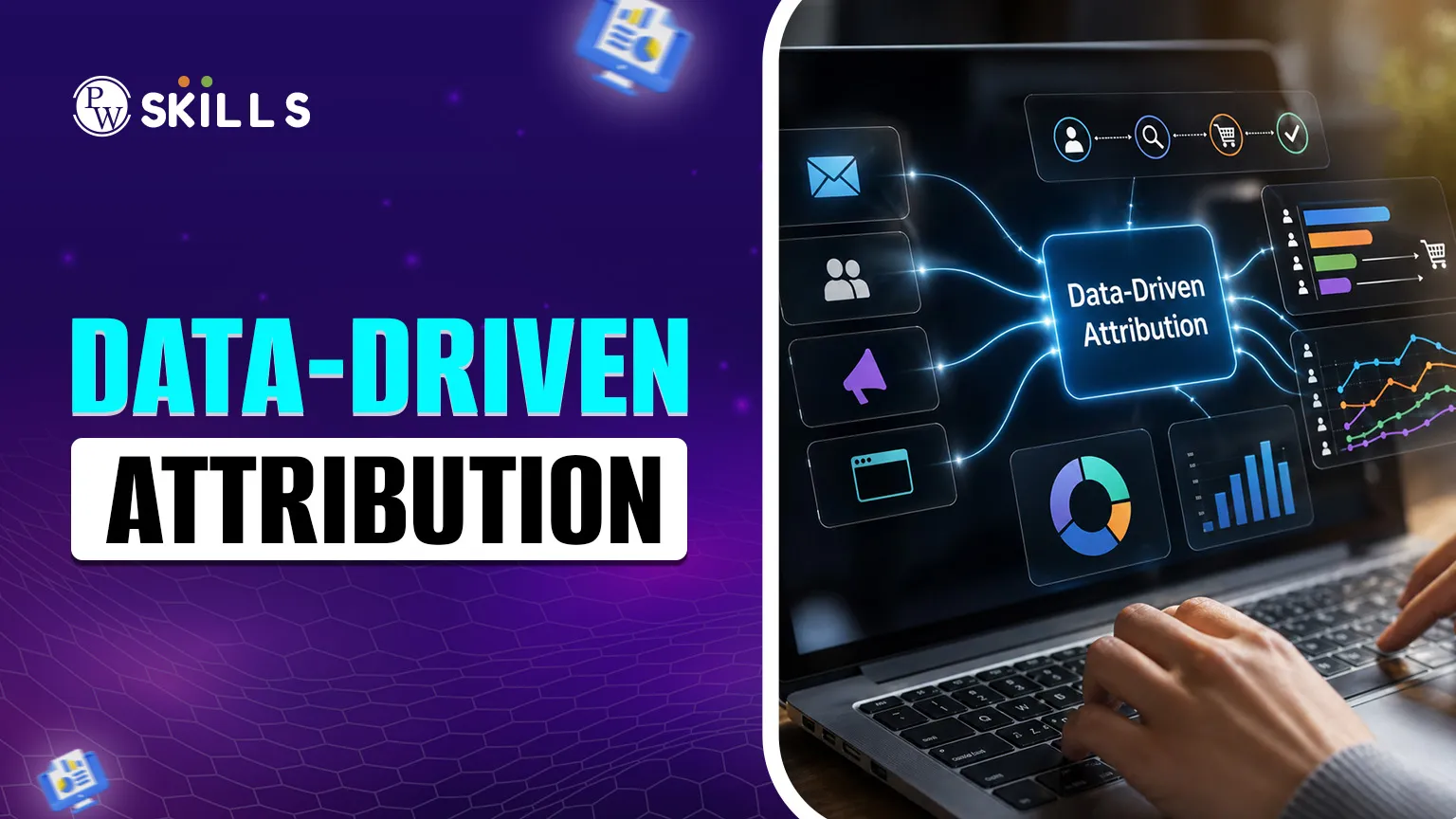
Modern marketing involves complex journeys across multiple platforms, leaving many students and professionals wondering which ads actually drive results. Understanding data-driven attribution is essential for accurately measuring ROI.
This article breaks down how the model works, its benefits, and how it compares to traditional methods to help you master digital marketing analytics.
What is Data-Driven Attribution?
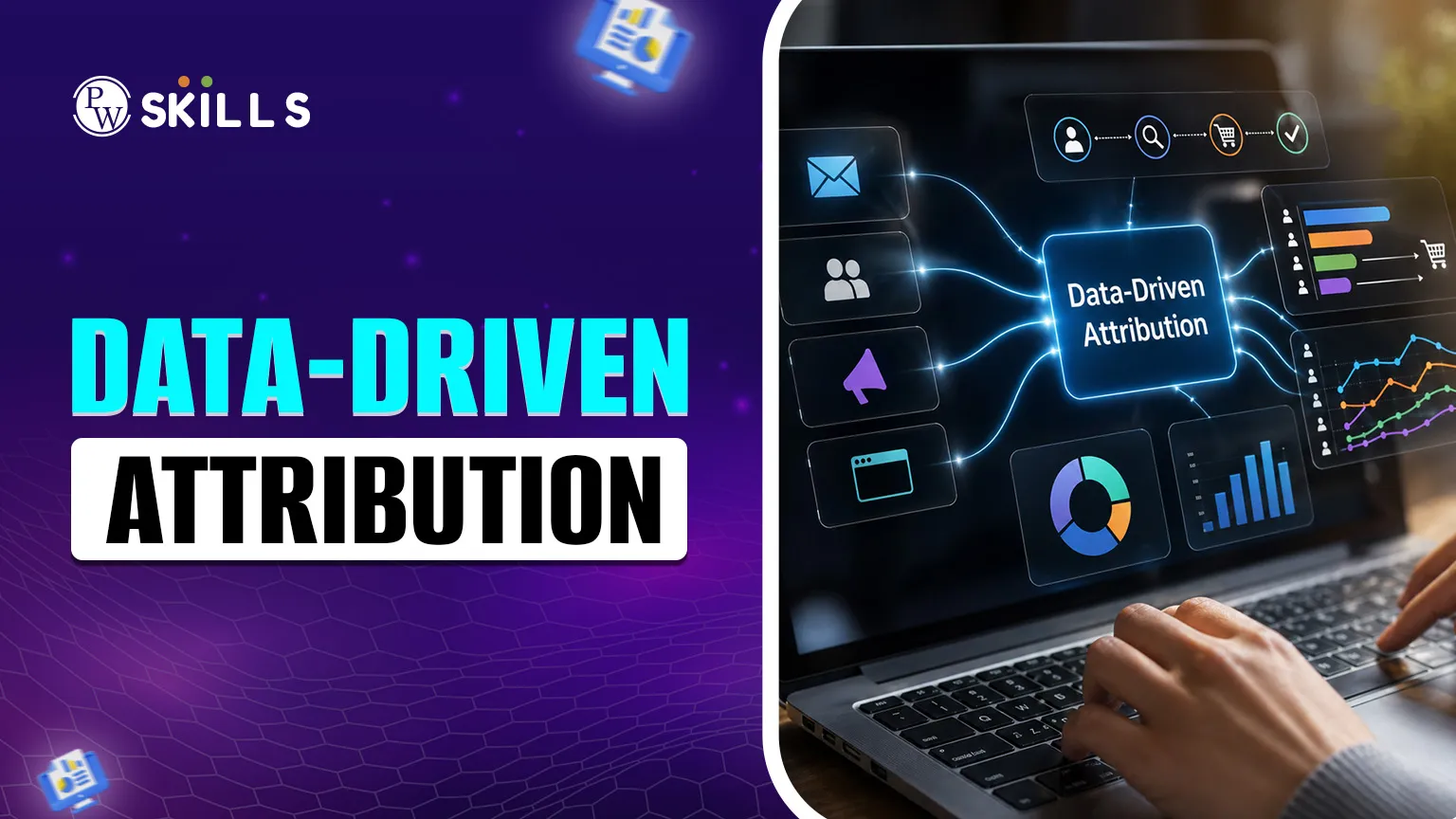
Data-driven attribution is a sophisticated method of credit assignment that uses your account’s historical data to calculate the actual contribution of each interaction in a conversion path. While older models follow fixed rules—like giving all credit to the first or last click—this model is dynamic and specific to your unique business data.
By analysing both converting and non-converting paths, the model learns which keywords, ads, or campaigns have the highest probability of influencing a sale. This ensures that marketing budgets are allocated toward the most effective channels rather than just the final click.
How the Data-Driven Attribution Model Works
The data driven attribution model relies on complex algorithms and machine learning. It doesn't just look at the ads that led to a sale; it also examines the ads that did not lead to a sale to find patterns.
-
Data Comparison: The algorithm compares the paths of customers who converted against the paths of those who did not.
-
Probability Analysis: It determines which specific touchpoints increase the likelihood of a conversion.
-
Weighted Credit: If a certain ad frequently appears in successful journeys, the model assigns it more credit, even if it occurred early in the process.
This approach eliminates the guesswork associated with "rule-based" models. It provides a more realistic view of the customer journey, acknowledging that a user might interact with several ads before making a final decision.
Benefits of Using Data-Driven Attribution
Implementing data-driven attribution in marketing offers several competitive advantages over manual tracking methods. Here are the primary data driven attribution benefits:
-
Accurate Credit Assignment: It values every touchpoint based on performance, not its position in the timeline.
-
Optimised Bidding: When integrated with automated bidding tools, it helps platforms like Google Ads bid more aggressively for high-performing keywords.
-
Reduced Waste: By identifying low-impact ads that don't contribute to conversions, businesses can stop spending on ineffective campaigns.
-
Improved ROI: Better insights lead to smarter budget distribution, which ultimately increases the return on investment.
Data-Driven Attribution Examples
To better understand how this works in practice, consider these data driven attribution examples:
Example 1: The Multi-Channel Journey
A customer clicks a Search ad, then a Remarketing ad, and finally an Email link before buying. A last-click model gives 100% credit to the Email. However, a data-driven attribution analysis might show that the initial Search ad actually increased the conversion probability by 60%. Therefore, the Search ad receives the majority of the credit.
Example 2: The Non-Converting Path
The model notices that users who see "Ad A" but never see "Ad B" rarely convert. This suggests that "Ad B" is the critical driver. The system will then shift more credit and budget toward "Ad B" to maximise results.
Data-Driven Attribution Strategy and Implementation
A successful data driven attribution strategy requires a sufficient volume of data to allow machine learning algorithms to function correctly. Most platforms require a minimum number of conversions and interactions within a specific window (usually 30 days) to activate this model.
Below are some of the key steps to implement in your strategy for the best results:
-
Select the Model: Navigate to your account settings or conversion settings and update the attribution type.
-
Monitor Performance: Allow the system 2-4 weeks to gather data and adjust to the new credit weights.
-
Adjust Bidding: Use the insights to tweak your manual bids or let smart bidding take over based on the new attribution data.
Popular Data-Driven Attribution Tools
Several platforms offer built-in capabilities to track these metrics. Using the right data driven attribution tools is vital for gathering clean data.
-
Google Ads: Offers a native data-driven model for search and display campaigns.
-
Google Analytics 4 (GA4): Provides cross-channel data-driven insights to see how different platforms work together.
-
AppsFlyer: A leading tool for mobile app attribution that uses advanced logic to credit app installs and in-app events.
-
Adobe Analytics: Offers customisable data-driven models for enterprise-level marketing stacks.
Challenges of Data-Driven Attribution
While powerful, this model isn't always perfect for every scenario. It requires a significant "warm-up" period where the algorithm learns from your specific traffic.
If your conversion volume is too low, the model may revert to a simpler method or produce inconsistent results. Additionally, privacy changes and cookie restrictions can sometimes limit the amount of data available for the algorithm to process.






FAQs
What is the main advantage of data-driven attribution?
How does a data driven attribution model differ from last-click?
What are the requirements for using data-driven attribution tools?
Can I use data driven attribution in marketing for offline conversions?
Is there a specific data driven attribution guide for beginners?





Get Free Counselling Today
and Clear up all your Doubts
 Live & recorded classes available at easeDashboard for progress trackingLakhs of practice questions

