
Elements of Cyber Security in 2026: Essential Components Explained
 Hardik Gupta25 Sept, 2026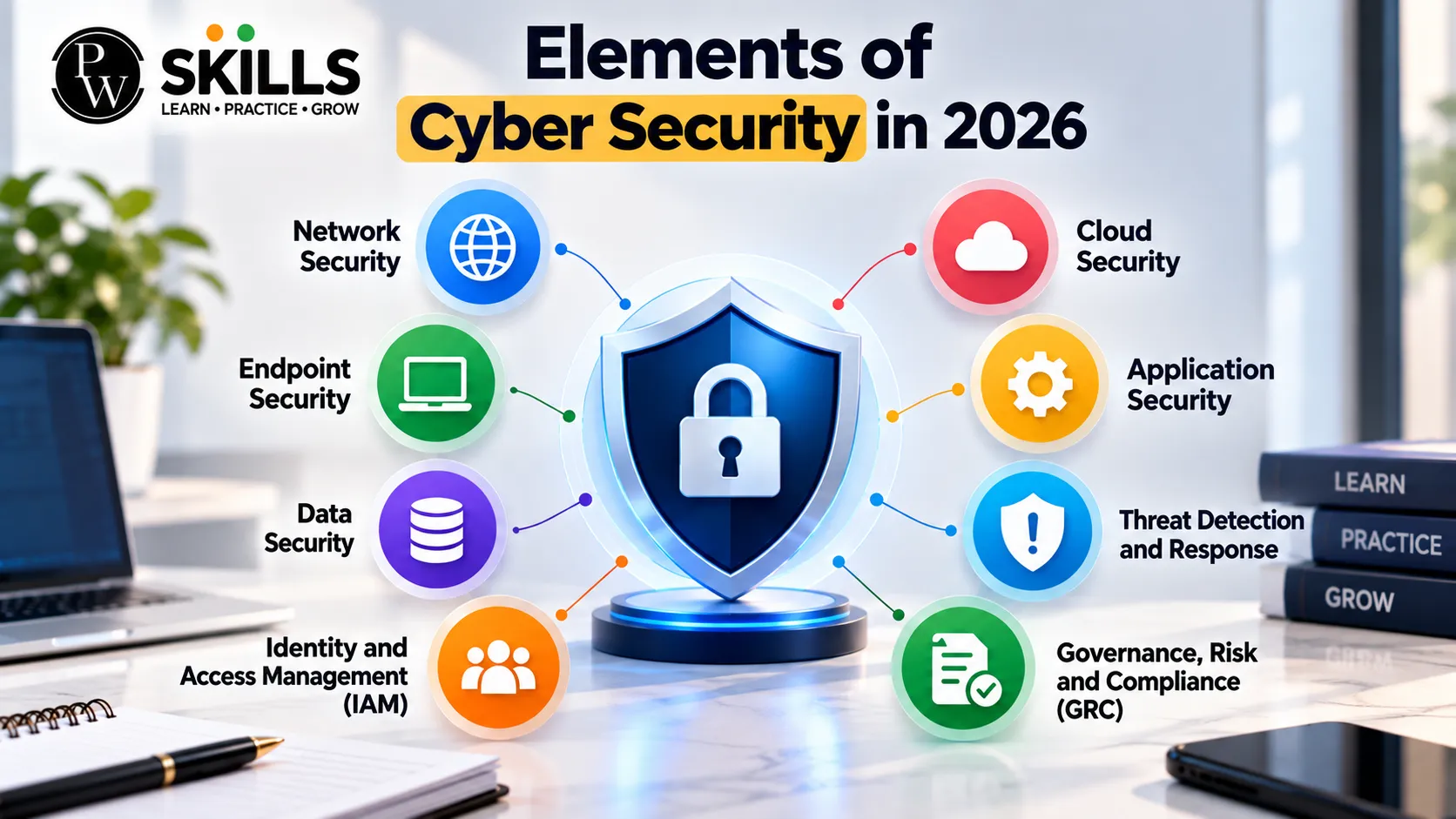
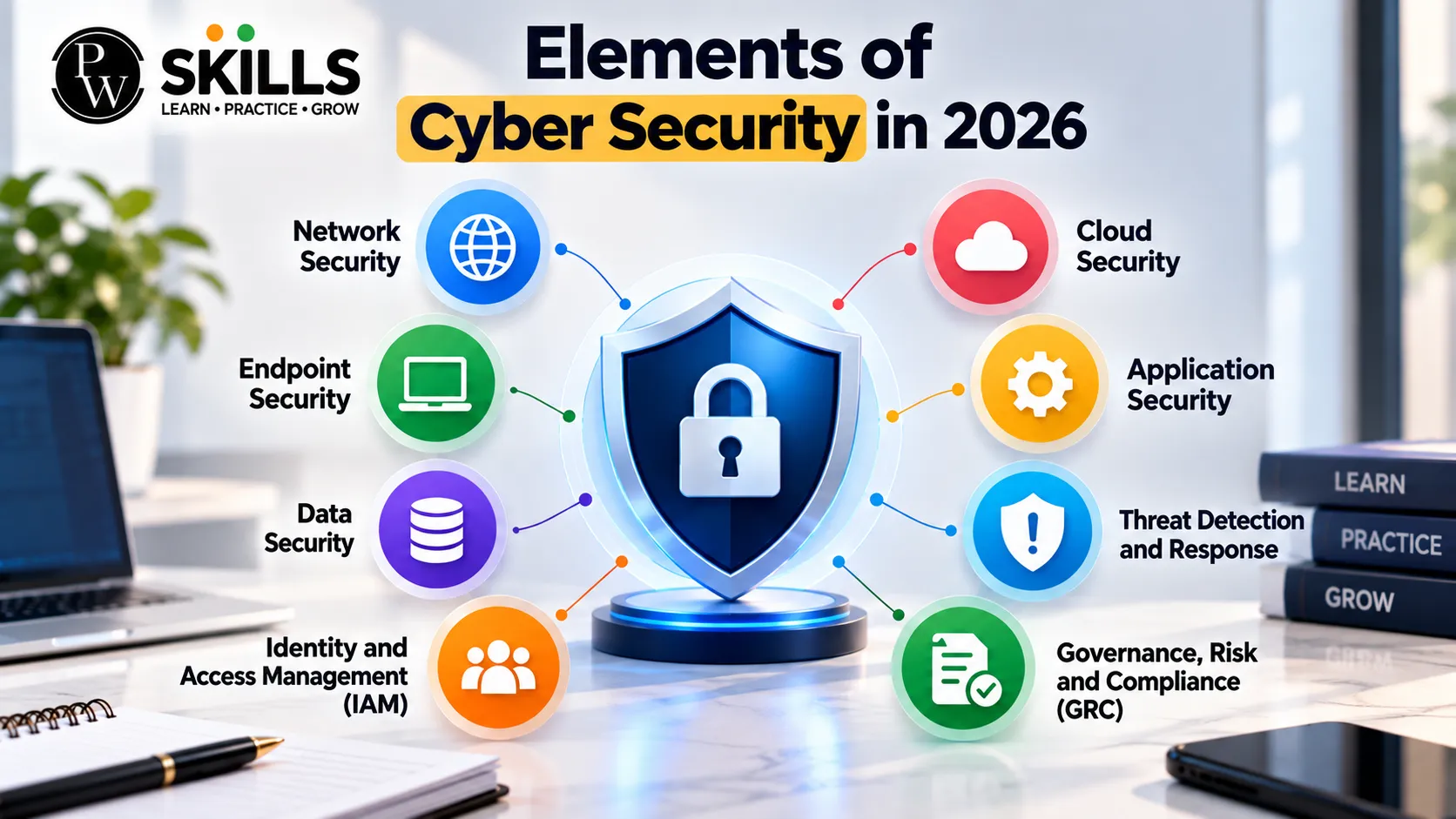
Mastering the elements of cyber security is important for protecting modern digital systems from cyber threats, data theft, and unauthorized access. As businesses use more online tools, cloud systems, and connected devices, strong security has become necessary.
Understanding the main elements of cybersecurity helps organizations protect important data, keep systems safe, and reduce the risk of cyberattacks. These elements cover areas such as applications, information, networks, daily security operations, and disaster recovery.
What Are the Elements of Cyber Security?
The elements of cybersecurity are the main security areas used to protect computer systems, networks, applications, and data. Each element has a different role, but they work together to create stronger protection. Modern businesses face threats at many levels. Hackers may target software, employee accounts, networks, databases, or user devices. This makes it important to use more than one security method.
The major cybersecurity elements include application security, information security, network security, operational security, and disaster recovery. Learning these cybersecurity components helps students and professionals understand how different security controls work together.
These concepts also form an important part of information security and cyber security basics. They help organizations build security into their systems instead of treating it as an afterthought.
Why Learning the Elements of Cyber Security Is Important
Learning the elements of cybersecurity gives students and professionals a strong foundation for understanding modern security. It helps them identify common risks and understand why different security controls are needed.
These concepts can also prepare learners for areas such as:
A strong understanding of the basics makes it easier to learn more advanced security concepts later.
How Application Security Fits Into the Elements of Cyber Security
Application security is an important part of the elements of cybersecurity because software can contain weaknesses that attackers may try to exploit. Security should be considered during application design, development, testing, and regular updates.
Common application security controls include:
-
Authentication protocols: Check the identity of users before giving them access.
-
Authorization controls: Decide what an authenticated user can view or change.
-
Data encryption: Protect sensitive information from unauthorized access.
-
Security logging: Records important activities and helps teams identify unusual behavior.
-
Secure coding: Helps developers reduce common software weaknesses.
These practices can reduce the risk of attacks against websites, mobile apps, business software, and other applications.
Also explore our Course : Ethical Hacking Course
How Information Security Supports the Elements of Cyber Security
Information security is another key part of the elements of cybersecurity. It focuses on keeping data private, correct, and available when needed.
The three main principles are:
-
Confidentiality: Only authorized people should be able to access sensitive information.
-
Integrity: Data should remain correct and should not be changed without permission.
-
Availability: Authorized users should be able to access systems and information when required.
These three principles are often called the CIA triad. They are important for protecting customer records, financial information, employee data, business documents, and other digital assets.
How Network Security Works in the Elements of Cyber Security
Network security is one of the most important elements of cybersecurity because many cyber attacks enter through network connections. Network security uses different tools and controls to monitor traffic and block harmful activity.
Important network security controls include:
-
Firewalls: Filter network traffic according to security rules.
-
Antivirus and anti-malware tools: Detect and remove harmful software.
-
Wireless security: Helps prevent unauthorized devices from accessing wireless networks.
-
Email security: Blocks phishing messages, harmful links, and dangerous attachments.
-
Intrusion detection: Helps security teams identify suspicious network activity.
Strong network protection can reduce the chance of unauthorized access and limit the damage caused by an attack.
Why Operational Security Is Part of the Elements of Cyber Security
Operational security is a key part of the elements of cybersecurity because technology alone cannot protect an organization. Employees also need clear rules for handling information, accounts, devices, and security incidents.
Important operational security activities include:
-
Asset identification: Finding and listing important systems, devices, and data.
-
Threat analysis: Identifying possible threats and attack methods.
-
Risk assessment: Understanding the possible effect of a security problem.
-
Access management: Giving users only the access they need.
-
Security policies: Creating clear rules for safe data and system use.
-
Countermeasure execution: Applying security controls to reduce known risks.
Good operational security helps reduce both accidental mistakes and security problems caused by poor processes.
How Disaster Recovery Supports the Elements of Cyber Security
Disaster recovery is another important part of the elements of cybersecurity. Even with strong security controls, organizations may face ransomware, system failures, data loss, or other serious incidents.
A disaster recovery plan helps an organization restore important systems and continue business operations.
Important disaster recovery activities include:
-
Backup generation: Creates copies of important files and databases.
-
Recovery strategy: Provides clear steps for restoring systems.
-
Plan testing: Checks whether recovery procedures actually work.
-
Regular maintenance: Keeps recovery plans updated as systems and business needs change.
-
Recovery priorities: Identifies which systems need to be restored first.
Regular backups and recovery testing can help organizations reduce downtime after a major security incident.
How the Elements of Cyber Security Work Together
The different elements of cybersecurity should not be treated as separate activities. They work together to provide multiple layers of protection.
For example, application security can protect a business application, while network security protects the connection used to access it. Information security protects the data stored inside the system, while operational security controls how employees use that data. Disaster recovery helps restore the system if these defenses fail.
Using these layers together gives organizations better protection against different types of cyber threats.



FAQs
What Are the Core Elements of Cyber Security?
How Do the Elements of Cyber Security Protect Organizational Data?
Why Is Information Security Important in the Elements of Cyber Security?
What Role Do Cyber Security Basics Play in the Elements of Cyber Security?
How Are Operational Security and Network Security Different in the Elements of Cyber Security?






Get Free Counselling Today
and Clear up all your Doubts
 Live & recorded classes available at easeDashboard for progress trackingLakhs of practice questions

