
What is Visual Design? Components, Fundamentals And Comparison
Visual design is a representation of anything which we can feel or see through our eyes using elements like fonts, typography, themes, layouts, icons, consistency, responsiveness, and more. It plays a very important role in the UI UX design field. Let us know about the impact of Visual designing in the world of design.
 Varun Saharawat30 Oct, 2025
Anything that can be looked at or felt can be termed as a visual design. Visual design surrounds us from every side, everywhere we stretch our eyes we can see a wonderful example of design crafted for us. Visual design are creative pieces of exemplary design that are often used to craft spectacular design specimens.
Design is a concept that is used to improve our understanding of the things surrounding us. In this article, let us go through the deep roots of visual design and explore the possibilities a good visual design keeps in its pocket.
What is Visual Design?
Visual design is anything that we can see or feel and anything which consists of a well defined or distinguishable shape, size, and color. Designs are made of a variety of components building their structure together and a visual design can be present on any platform, whether it is the moon we see high up in the sky, the clouds, the wings of the birds, or the crash of thunder. Everything is a design!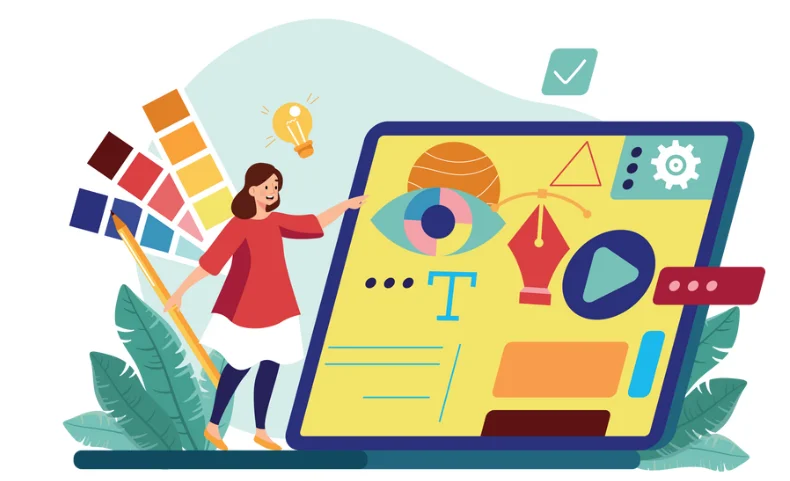 In this article, we are going to throw some light on the concept of visual design and its importance in our world. We will also understand the role of visual design in technology and applications.
Importance of Visual Design in the Modern World
In this age of modern technology and advancement, everyone wants to look good and be superior to other people, places, or things. In this age of competition, visual design is one of the supreme criteria that help us differentiate and stand out from the rest. Design is everywhere, it can be crafted in one form or another. Designs can be presented on a simple solid rock, through bottles, waste products, liquid, molten lava, clay, gadgets, and more. There are plenty of ideas and inspirations which can help you in crafting a masterpiece design. Well! Design is important as it helps us visualize a thing in front of our eyes and evaluate its importance. Visual design evokes emotions, influencing user’s participation and decisions. By definition, visual design can be defined as follows:“Visual design is a strategic blend of colors, text, visuals, fonts, layouts, and themes to present a look and feel of a specimen.”
It combines art, design, principles, themes, and communication to effectively convey messages and achieve desired outcomes. A visual design creates a positive first impression encouraging users to explore further. Good Visual design enhances the usability of a product with visual elements like graphics, animations, and imagery that can make content more engaging and memorable. It also reflects the personality and value of a brand with consistent use of colors, fonts, and visual styles brands can win the trust and recognition of people. Visual design makes complex information easy to understand. Hence, an appealing and positive visual design is important for an organization, device, or other things.Key Components of Visual Design
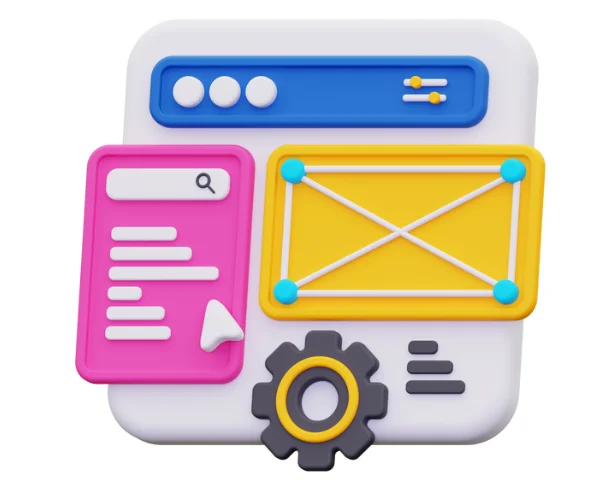 There are many important components in a well defined user interface or user experience design. Let us get an insight into some of the major components here.
Typography
Choosing between fonts, font style, font size, scaling, and spacing sets the overall design. Typography is an important definition of a well optimised visual design.Color Palette
It helps designers select and apply a color from the color palette to create an emotional attachment as per the visual hierarchy of the design. A consistent and well defined color combination is important to represent a positive image of a brand.Icons
Icons are visual image representations of a design in short format. It enhances the visual appeal and communicates the information with viewers. Visual designers must select and create visual elements like icons and imagery to convey the design objective to everyone.Layout
The composition and organisation of a visual page or platform are important. The arrangement of every element on the page in a proper place defines the layout of a visual design. There are many layout formats such as grid systems, proper spacing, alignment, and more which are required to create an effective overall user experience from a design.Consistency
It is an important concept where elements of a design and maintaining visual consistency for your brand are very important. Do not mix colors, fonts, or layouts, and keep changing it from time to time. A simple and consistent format for your organization will work like a charm!Responsive Design
Nowadays multiple devices with different screen sizes are available and hence it is important for our visual design to be adaptable to different screen sizes which means being responsive across different platforms.Fundamentals & Principles of Visual Design
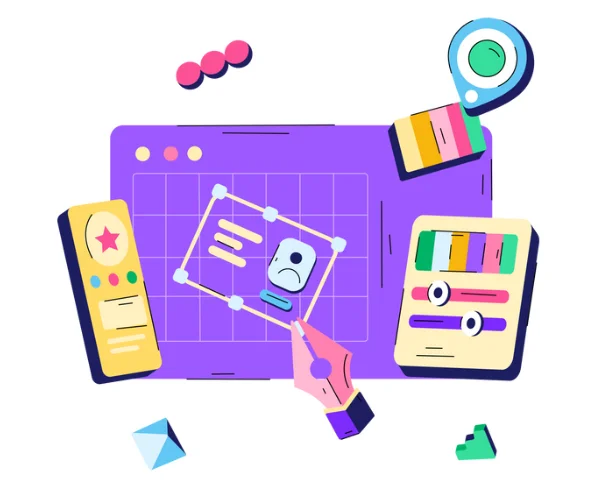
- Balance: The elements on the design platform must be carefully distributed to maintain a balance of everything mentioned in the design. Symmetrical balance is important in a design, the visual appearance of the design must not confuse viewers.
- Unity: Elements in design must share a union approach while showing everything on a platform. Everything displayed must share some link or connection between each other.
- Space: The use of space is very much important for visual design as without space everything will appear to be mixed up creating confusion for viewers or anyone who interacts with the design.
- Hierarchy: The complete visual design flow must pass through a hierarchy where font size must be passed in a hierarchical order, same with color order, fonts, and more.
- Contrast: The use of elements to attract the user's eyes must be presented with a certain high contrast compared to other design elements. However, the contrast of a design must not irritate the eyes of others.
- Scaling: A proper scaling of every element in visual design is important to satisfy user's overall experience with the design. A proper scaling of each element draws a positive response from the stakeholders.
- Simplicity: Keeping the design simple is very much important. It is crucial for a design to eliminate unnecessary elements from the design and make it more simple and attractive. A simple and uncrowded design is more effective in grabbing people’s attention.
- Accessibility: It is an important characteristic of a design where all visual elements must be operable, understandable, perceivable, and accessible by viewers with diverse needs.
What is Visual Design in UI/UX Design?
In user interface design and user experience design we use visual design to make digital products, software, and web applications and make them look attractive with the help of appealing designs. The goal of a user interface design is to convey a user friendly interface to the users which is understandable and easy to interpret. In User experience design, the goal of visual design is to communicate all information carefully and guide users through the product to create overall customer satisfaction with the product design. For example, website design where clean and optimized layouts are used along with consistent fonts, typography, icons, schemes, and more.
Visual Design Vs Graphic Design
Some of the major differences between visual design and graphic design are mentioned below.| Visual Design | Graphic Design |
| Visual design focuses on the overall aesthetics, usability, and user experience of digital products. | Graphic Design primarily focuses on creating visually appealing designs and artworks for print or digital media. |
| It enhances the functionality, usability, and interactivity of a product through design. | It creates visually impactful designs to communicate specific messages or ideas. |
| The visual design consists of UI components, interactive elements, wireframes, prototypes, and responsive designs. | It consists of logos, brochures, posters, advertisements, and other marketing materials. |
| It contains digital interfaces like websites, apps, dashboards, and other interactive platforms. | It contains both digital and print media, including banners, magazines, and packaging. |
| For example, Figma, Sketch, Adobe XD, InVision, and design systems libraries. | For example, Adobe Photoshop, Adobe Illustrator, CorelDRAW, and Canva. |
| It aims to create User experience (UX), usability, interactivity, and accessibility in designs. | It creates Visual storytelling, brand identity, and artistic composition. |
| It depicts the knowledge of user experience design, responsive design, color theory, and typography. | It depicts artistic skills, creativity, layout design, and knowledge of printing techniques. |
| It is used in designing interfaces for apps, websites, software, and other digital environments. | It is used in marketing materials, branding assets, and static visuals for promotions. |
| Visual design implements interactive, dynamic designs that improve user engagement. | Graphic design implements static, visually captivating designs for communication purposes. |
| UX/UI design, web design, app development, and software design. | Advertising, branding, and print media industries. |
How to Become a Designer As a Fresher?
Freshers who have recently completed their graduation from any recognized university can start a career in designing with the proper knowledge and skill set.- Develop a fundamental understanding of design and its concepts.
- Master advanced tools and frameworks used in designing.
- Enrol in a certification course to gain in-depth knowledge about the working of designs in various fields.
- Strengthen your portfolio with real time projects and more.
- Build networks and connections with professionals in the same field.
- Discover various career opportunities and start applying in top companies once you have the skills.
Learn UI UX Design With PW Skills
Become a professional in building interactive user interfaces and user experience designs with PW Skills UI UX Design Course. Learn UI UX design fundamentals, tools, and frameworks. Master Figma, Sketch, Adobe XD, Sketch, and other design tools in this 6 months course. Build a strong portfolio through hands-on projects and learn to craft appealing and interactive digital designs. Learn from interactive live sessions, career assistance, and dedicated peer network, and gain creative skills through user research, prototyping, and design tools.



Visual Design FAQs
Q1. What is visual design?
Ans: Visual design focuses on the aesthetics of a product or interface by combining elements such as typography, color, layout, and imagery. Its goal is to improve user experience and communicate functionality effectively.
Q2. How is visual design different from graphic design?
Ans: While visual design prioritizes user experience and functionality in digital interfaces, graphic design focuses on creating visually appealing static designs for print and marketing materials.
Q3. Which tools are used in visual design?
Ans: Visual designers often use tools like Figma, Adobe XD, Sketch, InVision, and Adobe Photoshop to create and refine their designs.
Q4. How does visual design impact user experience (UX)?
Ans: Visual design directly impacts UX by making interfaces intuitive, aesthetically pleasing, and easy to navigate, which increases user satisfaction and retention rates.


Talk to a counsellorHave doubts? Our support team will be happy to assist you!



Get Free Counselling Today
and Clear up all your Doubts
Talk to Our Counsellor just by filling out the form.
Join 15 Million students on the app today!
 Live & recorded classes available at easeDashboard for progress trackingLakhs of practice questions

