
What is the Future of Web Design?
 Varun Saharawat30 Oct, 2025
As we step into 2025, the world of web design trends is undergoing a transformative phase. The intersection of cutting-edge technology and human-centered creativity is crafting digital experiences that are visually captivating, intuitively functional, and deeply personalized.
The web is more than a collection of pages; otherwise, it is an ever-evolving space where technology and creativity collide. By embracing these trends, designers can craft experiences that are not only beautiful but are also functional, inclusive, and forward-thinking.
Whether you are a designer, developer, or simply someone who appreciates great websites. 2025 is shaping up to be a year of innovation and inspiration. Let us get ready to explore a digital landscape that is more immersive, personal, and engaging than ever before!
Also Read: Data Analyst Vs Business Analyst: Which Is Better And High Paid?
Web Design Trends Overview
The web design trends of 2025 are a testament to how far we have come in blending technology with creativity. From AI-driven personalization to sustainable design, these innovations are shaping a future where websites are more than just digital spaces; they are immersive, adaptive, and meaningful experiences.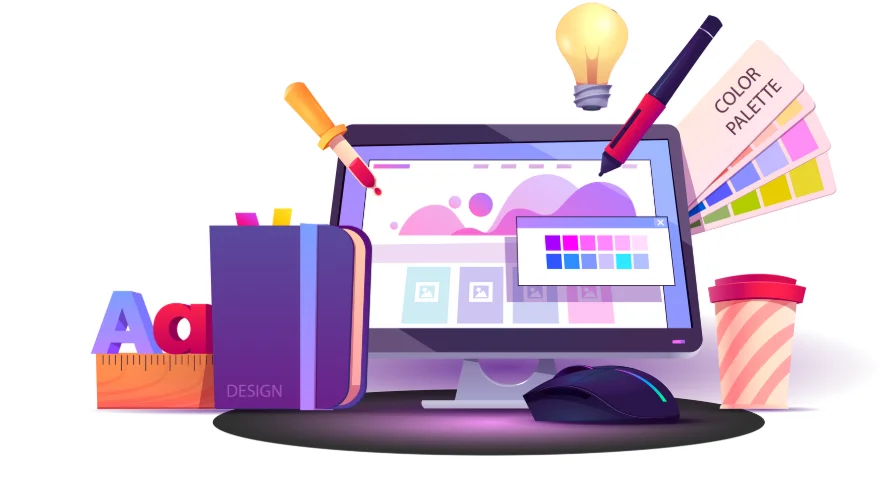 As the digital landscape continues to evolve, staying ahead of these trends will be crucial for designers and developers aiming to create impactful online platforms. Whether it is through bold typography, enhanced interactivity, or accessible features like voice-activated interfaces, there is no limit to what is possible. The future of web design is here, and it is brimming with possibilities to explore and innovate.
Web Design Trends for 2025
Web design is constantly evolving, and as we head into 2025, it is more exciting than ever. The fusion of advanced technology with thoughtful, human-centered design is creating experiences that are not only visually stunning but also deeply engaging and personalized. If you are curious about what’s hot in the world of web design, here are the web design trends shaping the future of the internet.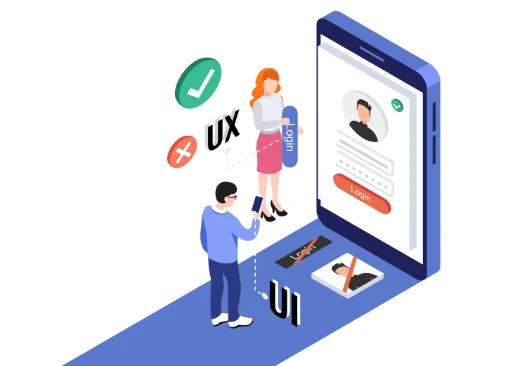
AI-Driven Personalization
 Imagine landing on a website and feeling like it was designed just for you. That’s the magic of AI-driven personalization. By leveraging artificial intelligence, websites in 2025 will dynamically adapt to individual users. From tailored content and product recommendations to layouts that suit your browsing habits, AI is set to transform how we interact online.
For instance, if you frequently shop for sustainable products, an e-commerce site might prioritize eco-friendly items on your homepage. It is all about making users feel seen, understood, and valued.
Imagine landing on a website and feeling like it was designed just for you. That’s the magic of AI-driven personalization. By leveraging artificial intelligence, websites in 2025 will dynamically adapt to individual users. From tailored content and product recommendations to layouts that suit your browsing habits, AI is set to transform how we interact online.
For instance, if you frequently shop for sustainable products, an e-commerce site might prioritize eco-friendly items on your homepage. It is all about making users feel seen, understood, and valued.
Immersive 3D Elements and Augmented Reality (AR)
 Websites are breaking out of their flat, two-dimensional molds. In 2025, 3D graphics and AR are taking center stage. Picture this: you are shopping for furniture, and instead of guessing how a couch might look in your living room, you use AR to see it virtually placed in your space.
This trend isn’t limited to e-commerce. Real estate websites can offer virtual property tours, and educational platforms can create interactive 3D models for students to explore. The goal is to make web interactions as lifelike and engaging as possible.
Websites are breaking out of their flat, two-dimensional molds. In 2025, 3D graphics and AR are taking center stage. Picture this: you are shopping for furniture, and instead of guessing how a couch might look in your living room, you use AR to see it virtually placed in your space.
This trend isn’t limited to e-commerce. Real estate websites can offer virtual property tours, and educational platforms can create interactive 3D models for students to explore. The goal is to make web interactions as lifelike and engaging as possible.
Also, Learn How to Build an E-commerce Application Using React in our Special Bootcamp!
Neumorphism 2.0
Neumorphism is evolving; it’s more refined than ever. This design style blends soft shadows and highlights to give digital elements a semi-3D appearance. Buttons, cards, and input fields appear tactile, almost like you could reach out and press them. Neumorphism 2.0 strikes the perfect balance between flat design and realism, offering interfaces that are not only visually appealing but also intuitive and user-friendly.Voice-Activated Interfaces
 With the rise of smart speakers and voice assistants, it’s no surprise that voice-activated interfaces are making their way into web design. By 2025, more websites will allow users to navigate through voice commands, making the web more accessible and convenient.
This trend is particularly beneficial for users with disabilities or those multitasking, like cooking while searching for a recipe. It is about meeting people where they are and offering solutions that fit seamlessly into their lives.
With the rise of smart speakers and voice assistants, it’s no surprise that voice-activated interfaces are making their way into web design. By 2025, more websites will allow users to navigate through voice commands, making the web more accessible and convenient.
This trend is particularly beneficial for users with disabilities or those multitasking, like cooking while searching for a recipe. It is about meeting people where they are and offering solutions that fit seamlessly into their lives.
Micro-Interactions for Enhanced User Experience
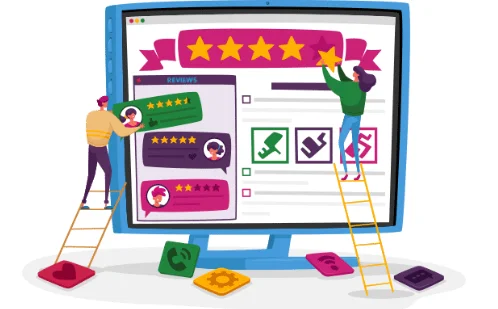 Sometimes, it’s the smallest details that make the biggest impact. Micro-interactions are those subtle animations or feedback cues that guide users through the website. For instance, a button that changes color when hovered over or a shopping cart icon that shakes when you add an item.
These moments of interaction may seem minor, but they play a significant role in making the website feel responsive and engaging. It is about creating delight at every click.
Sometimes, it’s the smallest details that make the biggest impact. Micro-interactions are those subtle animations or feedback cues that guide users through the website. For instance, a button that changes color when hovered over or a shopping cart icon that shakes when you add an item.
These moments of interaction may seem minor, but they play a significant role in making the website feel responsive and engaging. It is about creating delight at every click.
Dark Mode with Customizable Themes
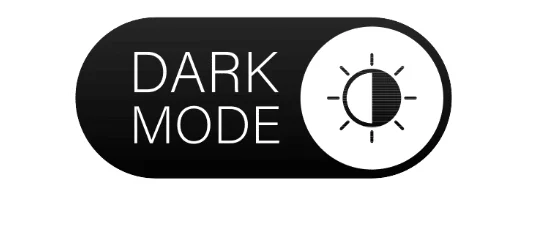 Dark mode isn’t just a passing trend; it is here to stay. But in 2025, it is getting a makeover. Websites will offer customizable themes, allowing users to switch between light, dark, and even personalized color schemes.
This not only enhances user comfort but also adds a layer of personalization. After all, who doesn’t love having options?
Dark mode isn’t just a passing trend; it is here to stay. But in 2025, it is getting a makeover. Websites will offer customizable themes, allowing users to switch between light, dark, and even personalized color schemes.
This not only enhances user comfort but also adds a layer of personalization. After all, who doesn’t love having options?
Bold Typography and Expressive Fonts
Typography is taking center stage in web design. Bold, oversized fonts paired with dynamic layouts are becoming a key way to convey brand identity and capture user attention. Think about headlines that practically shout their message while looking undeniably chic. Expressive fonts allow brands to showcase their personality, whether it is playful, professional, or somewhere in between. Typography isn’t just text; rather, it is a design element in its own right.Sustainability and Low-Impact Depth
 With growing environmental awareness, web designers are stepping up to reduce the digital carbon footprint. This means optimizing website performance, minimizing resource usage, and choosing sustainable hosting solutions.
For example, streamlined code, compressed images, and efficient server practices can significantly reduce energy consumption. It’s a win-win: better for the planet and faster load times for users.
With growing environmental awareness, web designers are stepping up to reduce the digital carbon footprint. This means optimizing website performance, minimizing resource usage, and choosing sustainable hosting solutions.
For example, streamlined code, compressed images, and efficient server practices can significantly reduce energy consumption. It’s a win-win: better for the planet and faster load times for users.
Why Staying Updated with Latest Trends Important?
Staying updated with the latest web design trends is very important for several reasons, especially for long term success.- Trends help us acquire new and trending skills, adapt to changes to favor the flow of the market, and remain competitive in the field.
- New trends generally come up with many new opportunities for growth, especially while launching new technologies, innovations, emerging markets, etc.
- You will be able to make informative decisions based on the latest data, which will decrease your risk of frequent losses.
- Using outdated tools, technologies or practices can degrade your organizational value.
Learn Web Design Trends with PW Skills
Become skilled in user interface and user experience design with PW Skills online upskilling UI UX Program. In this 6 months online live + recorded platform, you will learn about all the fundamentals and principles of web design. You will get to learn advanced web design tools and frameworks used in the market. Work on real world projects, practice exercises, and module assignments, and strengthen your learning only on pwskills.com.



Web Design Trends 2025 FAQs
Q1. How will augmented reality (AR) impact web design?
Q2. What is AI-driven personalization in web design?
Q3. What makes Neumorphism 2.0 different from its predecessor?





Get Free Counselling Today
and Clear up all your Doubts
 Live & recorded classes available at easeDashboard for progress trackingLakhs of practice questions

