
12 Logo Types To Express Your Brand’s Identity
 Varun Saharawat29 Nov, 2025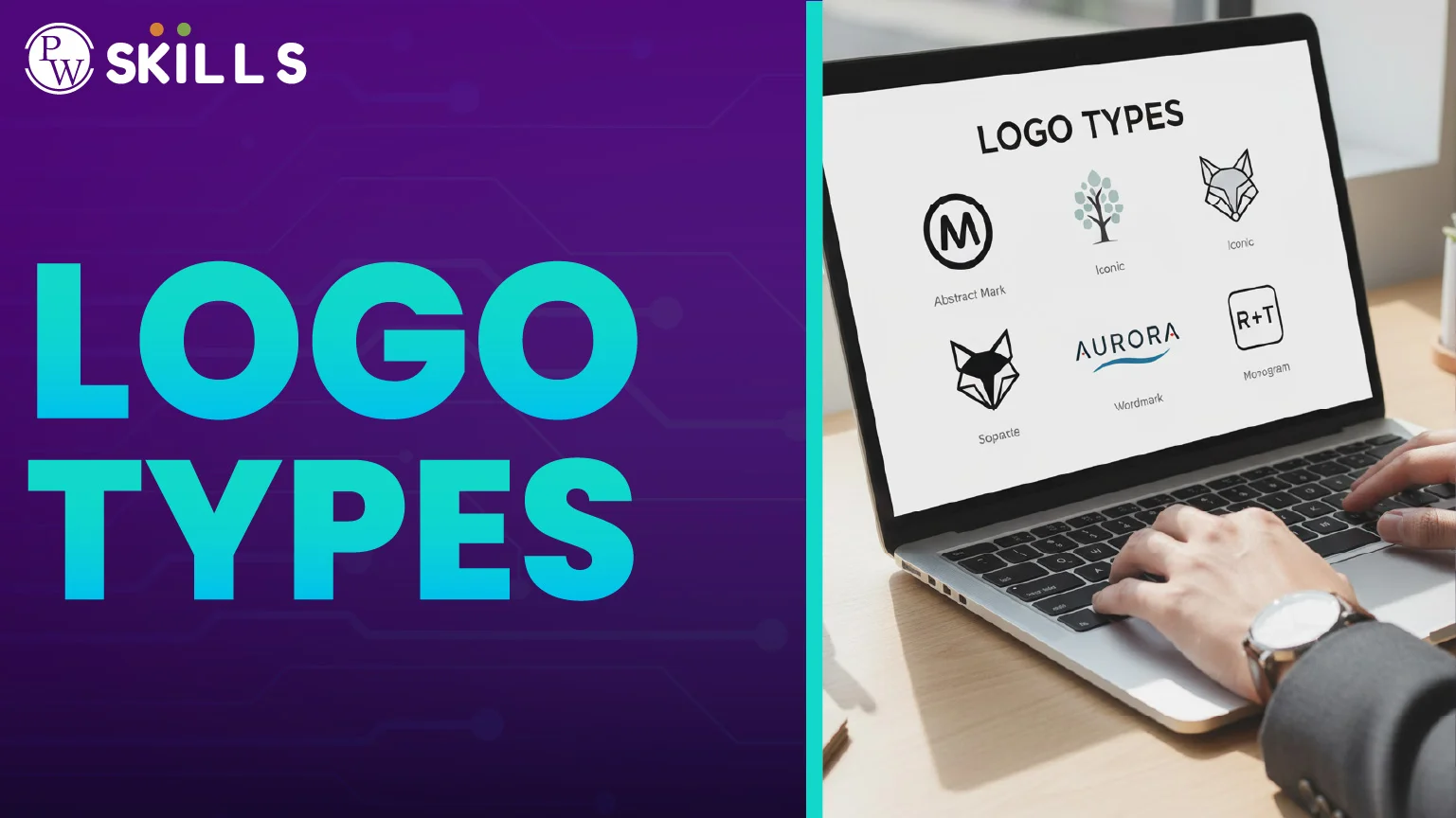
Logo Types provide a visual language for brands to show their personality and values. Each logo type tells a story to help people recognise and remember a brand more easily. The right logo can represent history, creativity, and the essence of a business in a single image or text. Main types of logos include Abstract logos, Mascots, Monograms, Minimalist, Vintage, Dynamic, and Geometric logos.
Logo Types Overview
Logo Types List provides a creative way for brands to express their values, culture, and identity visually. Each type of logo communicates differently, with some focusing on text, others on symbols or illustrations. Brands can choose a type that fits their message, audience, and medium. The careful selection of a logo type ensures clarity, recognisability, and long-term brand consistency. These logos are not just visual symbols. They tell the story of brands and create a connection with viewers.
| 12 Logo Types Summary Table | |||
|---|---|---|---|
| S No | Logo Type | Description | Example |
| 1 | Wordmark | Logo presenting the brand name with unique typography | |
| 2 | Lettermark | Initials of the brand designed in a distinctive style | IBM |
| 3 | Brandmark / Pictorial | Symbol or icon representing the brand visually | Apple |
| 4 | Combination | Both text and symbol used together for flexibility | Adidas |
| 5 | Emblem | Text enclosed in a shape or badge to represent identity | Starbucks |
| 6 | Abstract | Geometric or abstract shapes conveying brand meaning | Pepsi |
| 7 | Mascot | Character or illustration representing brand personality | KFC |
| 8 | Monogram | Stylised letters or initials to communicate style and luxury | Louis Vuitton |
| 9 | Dynamic / Adaptive | Logo that changes form or colour according to context | Google Doodle |
| 10 | Minimalist | Simple and clean design focusing on recognisability | Nike Swoosh |
| 11 | Vintage | Retro or classic design evoking authenticity and nostalgia | Harley-Davidson |
| 12 | Geometric | Logos made using circles, squares, or triangles for structure | Mastercard |
Understanding Logo Types
Learning the characteristics of each Logo type helps brands make informed choices. The type of logo a brand selects speaks about its personality, values, and tone. Different types of logos are suitable for different platforms. Here are the details of the popular types of logos:Wordmarks
Wordmarks use the full brand name in a stylised typographic design. Google and Coca-Cola are some of the popular examples of wordmarks. These logos are readable, memorable, and focus on the brand name above all else. The font, colour, and spacing contribute to the personality of brands to create a strong impression that is easily recognisable on all media.Lettermarks
Lettermarks reduce long or complex names into initials. IBM and HP use lettermarks as their logos. These logos simplify recognition to make the brand easier to remember. By focusing on initials, brands create a professional and clean look while maintaining uniqueness across platforms.Brandmarks / Pictorial
Brandmarks are based on symbols or icons to represent a brand without text. Here, Apple is a popular example of a brand to use a pictorial logo. These logos convey the brand story visually. It makes them ideal for global recognition where language might be a barrier.Combination Logos
Combination logos combine text and symbols for versatility. Adidas and Doritos use combination logos for their brand promotion. Here, each component can work alone or together. It gives brands the flexibility to promote for various applications such as social media, packaging, and advertising.Emblems
Emblems enclose text within a shape or badge. The popular examples of the brands using emblems are Starbucks and Harley-Davidson. They help brands speak of trust, heritage, and authority. Emblems often provide a traditional or classic feel to the brand. It makes them suitable for brands that have a story to tell.Abstract Logos
Abstract logos use shapes, lines, or patterns to create a unique visual identity of the brand. For example, Pepsi uses abstract logos for its brand recognition and promotion. These logos express creativity and tell about the personality of the brand easily. It is a powerful tool for modern branding needs.Mascot Logos
Mascots use characters or illustrations to represent a brand. KFC and Michelin Man are major examples of the brands that use mascot logos. They help brands tell their stories, appear friendly, and form an emotional connection with audiences.Monogram Logos
Monograms provide a creative style of letters or initials to show luxury and elegance of the brand. They are visually simple but convey the delicacy and style of the brand effectively. For example, Louis Vuitton and Chanel use monogram logos for their brand recognition.Dynamic / Adaptive Logos
Dynamic logos change in form, colour, or style depending on context. Google Doodles are examples of such dynamic logos that change with festivities and special days. They help keep the brand fresh and engaging for recognition.Minimalist Logos
Minimalist logos are based on simple lines, shapes, and minimal text, like Nike's Swoosh. These logos are modern, clear, and easy to remember to make them effective across all media.Vintage Logos
Vintage logos use retro or classic styles for brand recognition. Harley-Davidson is such an example to evoke nostalgia, authenticity, and a sense of tradition. It can help appeal strongly to certain audiences.Geometric Logos
Geometric logos use basic shapes like circles, squares, and triangles. The overlapping circles of the Mastercard are an example of geometric logos. They are structured, clear, and convey stability while remaining visually appealing. Also Read: 34 Minimalist Fonts for Sleek DesignsPrimary and Secondary Logo Types
Primary logos represent a brand officially. Secondary logos are simpler or alternate versions used in smaller spaces or specific formats. Both types of logos provide flexibility while keeping a consistent visual identity across all applications. The following table can help you understand about the primary and secondary logos:| Primary vs Secondary Logo Table | |||
|---|---|---|---|
| S No | Logo Type | Description | Example |
| 1 | Primary | Main logo used officially for the brand | Coca-Cola main logo |
| 2 | Secondary | Simplified or alternate logo for small or specific spaces | Coca-Cola bottle cap logo |




FAQs
What Are the 10 Types of Logos?
What Are The 7 Types Of Logos?
What Are the 4 Types of Logos?
What Are The Three Main Types Of Logos?
What Are The 8 Types Of Logo Design?
How do primary and secondary logos differ?
How to choose the best logo type?





Get Free Counselling Today
and Clear up all your Doubts
 Live & recorded classes available at easeDashboard for progress trackingLakhs of practice questions

