
Why Reports Keep Flagging Finance, Tax and Accounting Course -Type Training
 Hardik Gupta15 Oct, 2026
The financial space is changing as companies implement digital accounting technologies, automated reporting and new tax compliance solutions. Finance skills training enables students and working professionals to get practical expertise in accounting, taxation and GST compliance. By understanding these shifting work requirements, learners can identify skill gaps, become more job-ready and prepare for financial careers in 2026.
Finance Skills Training and the Current Skills Gap
The business world is changing quickly and traditional schooling is having a hard time keeping up. Today’s offices need personnel that understand digital accounting software, live tax portals and automated reporting systems. But the normal routes via academia are more about theoretical memorization than practical application. And this discrepancy creates a huge gap between what employers anticipate and graduate readiness.
A report released by India’s Ministry of Skill Development and Entrepreneurship in June 2025, titled Skills for the Future: Transforming India’s Workforce Landscape, found that 88% of India’s workforce was employed in low-competency occupations in 2023–24, based on Periodic Labour Force Survey data. This finding highlights the broader skills-development challenge facing India. Practical training can help learners build relevant accounting, taxation, and compliance skills for workplace tasks. Read the official Press Information Bureau announcement for the report details.
Businesses report wasting precious weeks on retraining new workers on fundamental compliance workflows. Universities don’t teach filing procedures in the actual world, or modern software, and then the corporations have to fill the gap within. Knowing this fact allows students and early career accountants to sharpen their understanding in technical competencies that are highly in demand. Familiarity with common business tools will ease the transition from the classroom to the professional accounting environment.
How Finance Skills Training Helps With Practical Accounting Skills
Traditional degree programs give a strong basic concept but sometimes lack the subtlety of day-to-day organizational operations. Textbooks don’t update fast enough to keep up with changing regulations or new electronic filing portals. Students finish with an understanding of accounting theory but not the precise methods needed to prepare an electronic tax return or reconcile a sophisticated digital ledger.
Corporate recruiters are looking for applicants that can go into a role with little supervision. New compliance software means employees have to get up to speed quickly. It’s not often that universities find themselves in these high-pressure, tech-driven situations. So, this gap forces prospective accountants to look for specialized training programs where practical software usage and active regulatory problem-solving are emphasized.
Finance Skills Training for Tax and Compliance Jobs
Tax laws are always being updated, and that means there is always a need for trained professionals. New alerts must be read and understood by professionals, revised threshold limitations must be known, and tax rules must be applied appropriately to business operations. Students could get a quick primer on tax principles in a typical finance course curriculum, but that’s not enough to equip them to deal with the complexities of auditing or working through transactions in many states.
Keeping pace with company tax responsibilities needs constant vigilance and ongoing education. Accountants must effectively manage digital portals, input tax credit matches and taxpayer grievances. Practical training helps close the gap by putting learners into real-world case studies and simulated filing situations. It gives you confidence and guarantees compliance is right across all business areas.
How Finance Skills Training Helps You Understand GST Updates
Recent GST Council Updates have brought a change in the way firms deal with indirect taxation. Errors mean instant notices due to automated review, e-invoicing requirements and tight matching rules. Thus, firms are eager for specialists that grasp return reconciliation, error fixing and digital audit trail.
The professionals who stay current on regulatory changes are highly sought for. Employers want people who are able to read council circulars and translate them into enterprise resource planning systems. The best way to stay current with these regulatory changes without impacting daily business cash flow is to refresh your technical talents with specialist tuition.
|
Regulatory Focus |
Traditional Approach |
Modern Corporate Requirement |
|
Tax Filing |
Manual paper registers |
Automated portal reconciliation and e-invoicing |
|
Skill Application |
Theoretical calculation |
Live software navigation and error-free filing |
|
Compliance Tracking |
Periodic annual checks |
Real-time monthly matching and data auditing |
Finance Skills Training for GST Career Opportunities
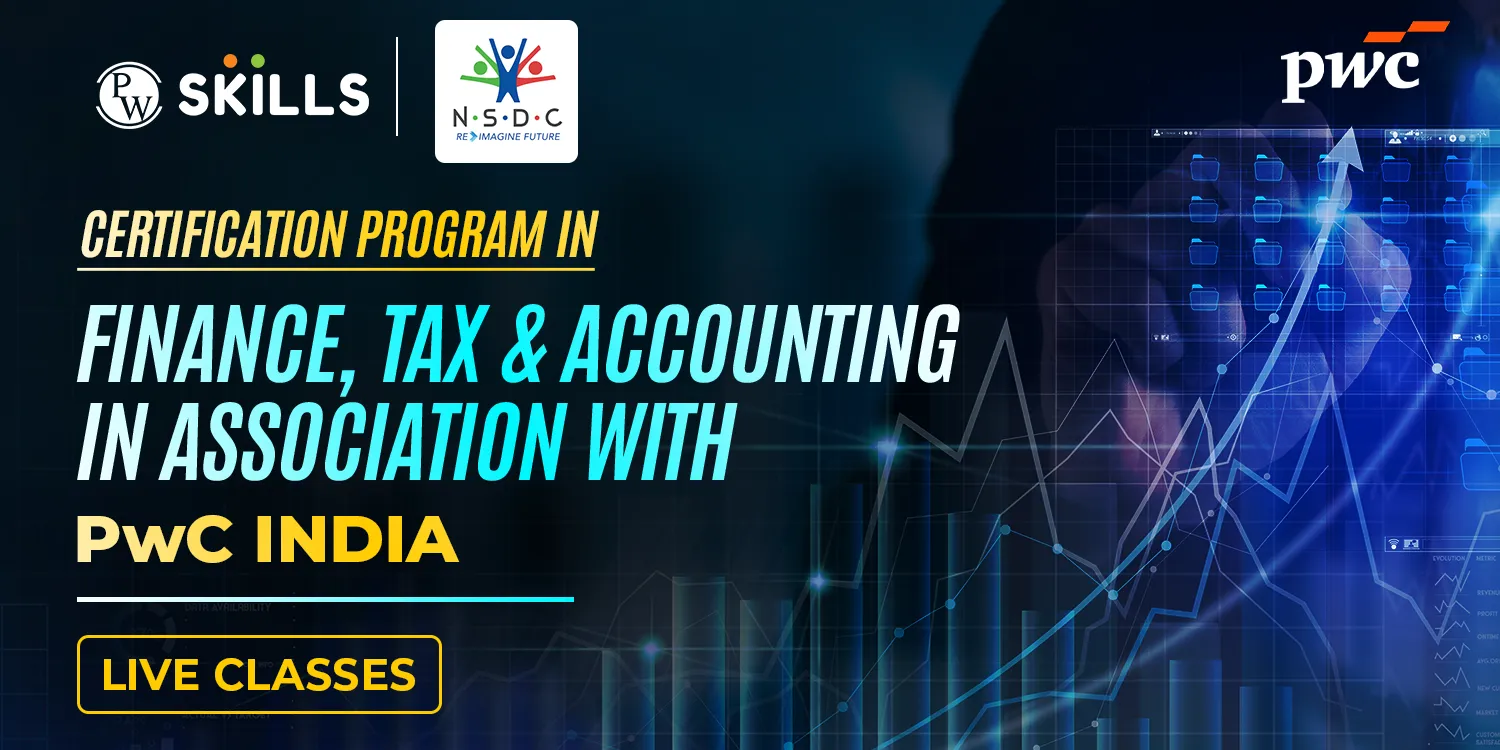
The need for specific compliance specialists has created alternate job options in a wide range of businesses. Companies of all sizes require trained personnel to manage indirect tax payments and protect profit margins. Emerging Finance, Tax and Accounting Course + GST Practitioner Jobs News says there is a constant increase in the number of vacancies for licensed professionals who can handle client portfolios independently.
Trained compliance professionals are in ongoing demand from consultancy firms, corporate accounting departments and boutique advising practices. These positions typically include direct customer interaction such as reviewing supply chain bills and timely statutory filings. Proficiency in indirect taxes provides for steady work with growth prospects in a competitive labor market.
Finance Skills Training Modules for Accounting and Taxation
Broad-based education programs aim to bridge the gap between theory and practice. Students learn about sophisticated ledger administration, computerized payroll processing, financial statements analysis and compliance reporting. These modules are more than just simple debit and credit inputs, they teach the user how to use corporate software properly.
|
Training Module |
Core Focus Area |
Practical Outcome |
|
Ledger reconciliation and reporting |
Accurate financial statement preparation |
|
|
Taxation & Compliance |
Error-free return filing and auditing |
|
|
Software Tools |
Digital ERP and accounting apps |
Efficient daily transaction management |
These practical skills make people ready to contribute to a business team from day one. Employers are looking for candidates who need little to no technical onboarding for typical financial software and reporting tools.
How to Improve Your Career With Finance Skills Training
If you want to get forward in finance, you have to be proactive about developing your skills and learning new things all the time. The pros should recognize their shortcomings, whether in digital software or regulatory compliance, and improve. Working on practical simulations and real world accounting situations develops analytical thinking and problem solving speed.
Networking with industry peers and being aware of changes in economic policy are also important for building a successful career. Workshops, regulatory notices, and recognized certifications all cement your commitment to the craft. Own your professional development and you can move through industry transformations seamlessly and achieve sustainable career



FAQs
What is the finance skills gap and why does it matter?
How does specialized finance skills programme help job seekers?
Why are contemporary tax updates important for accountants?
What career paths are available for compliance specialists?
How can professionals keep their accounting skills current?





Get Free Counselling Today
and Clear up all your Doubts
 Live & recorded classes available at easeDashboard for progress trackingLakhs of practice questions


