

Graphic Design Research: Essential Research Skills Every Designer Should Learn

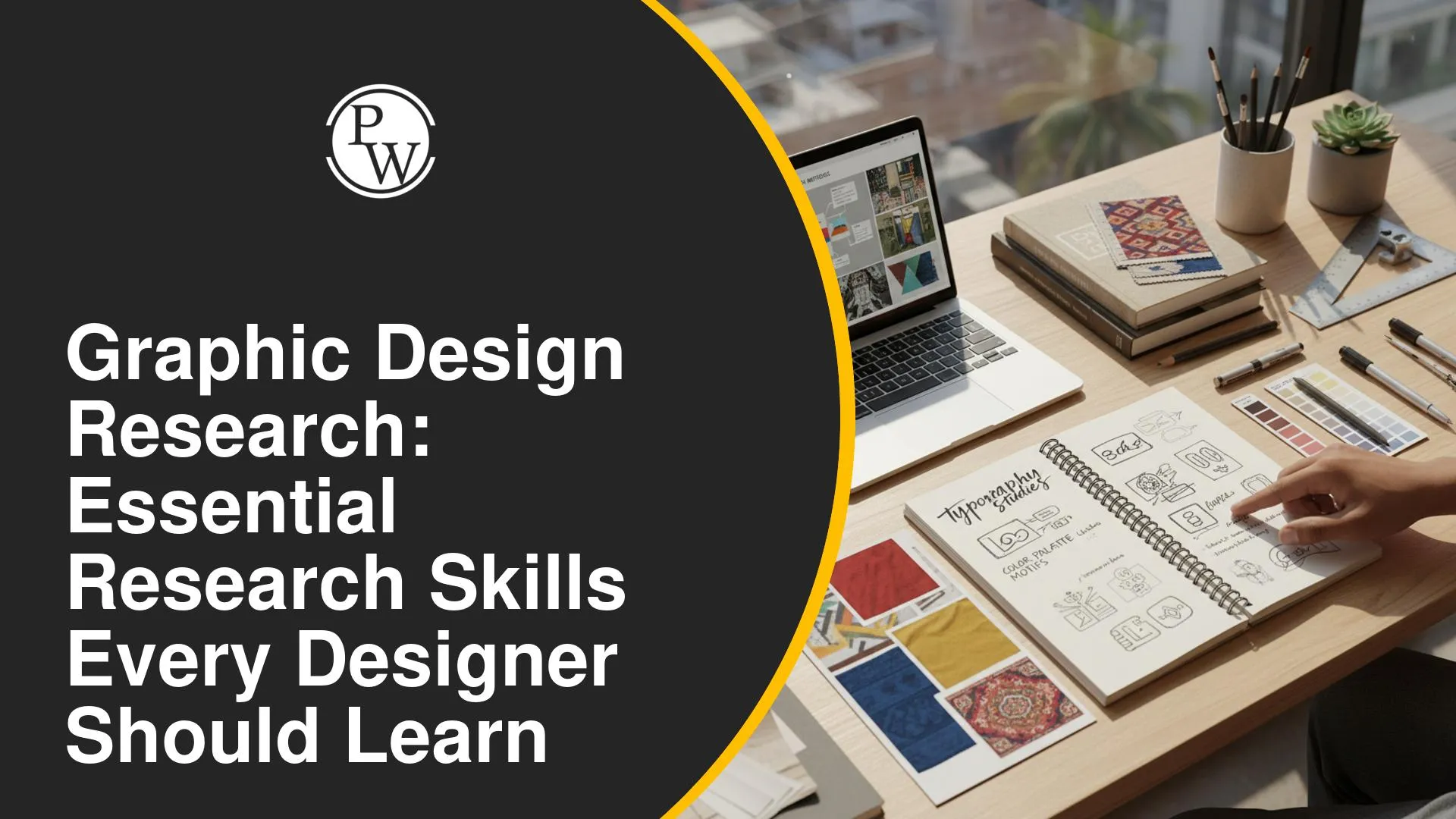
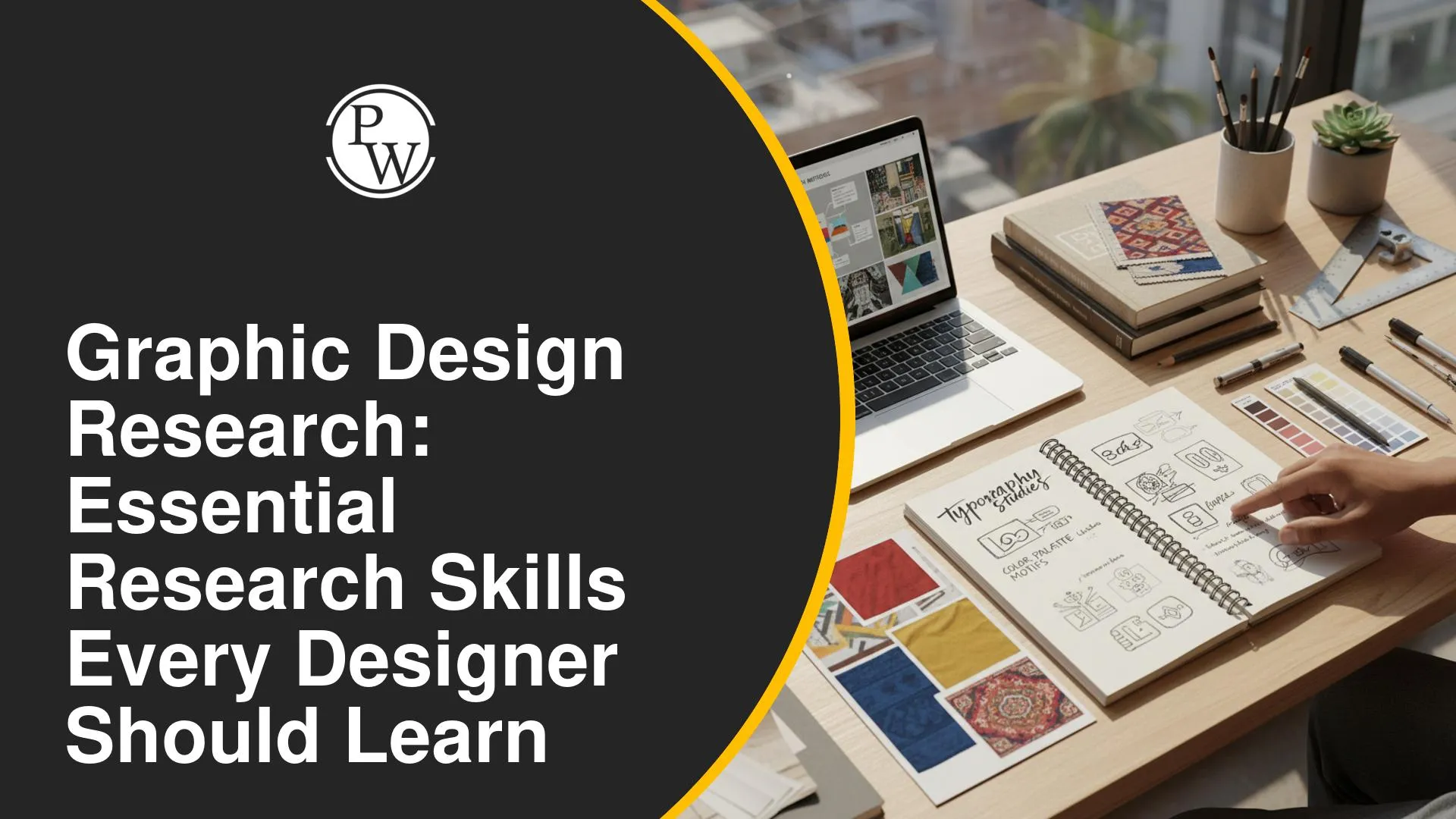
Graphic design research helps designers understand their audience, the purpose of a design, and the context in which it will be used. It involves different methods and approaches that can help designers gather useful information before and during the design process.
Research does not replace creativity or intuition. Instead, it works with them by helping designers ask the right questions, understand different perspectives, and make informed design decisions. Learning basic research skills can help designers create visual communication that is more relevant to their audience.
What Is Graphic Design Research?
Graphic design research is a way of understanding the audience, context, and ideas behind a design before or during the design process. It helps designers look beyond their first ideas and make more informed visual decisions.
-
Intuition and Research in Graphic Design
Intuition has always been an important part of graphic design. Designers use their experience, culture, and imagination to develop ideas and create visual solutions. However, relying only on intuition may not always provide a complete understanding of the audience or the situation.
A research-informed approach gives designers another way to examine their ideas. It encourages them to understand the audience, consider different perspectives, and question their initial assumptions before making design decisions.
-
How Research Works With Creative Intuition
Research does not replace creativity or intuition. Instead, designers can use both together. Creative thinking helps generate ideas, while research and reasoning can help designers understand whether those ideas are suitable for the people and context they are designing for.
This combination can make the design process more informed while allowing designers to retain their creative judgment.
What are Core Categories of Design Research?
Design research methods include several approaches that help designers understand audiences, contexts, and the effectiveness of visual communication.
-
Audience and User-Centred Research
Understanding the audience has become important, particularly as designers work with audiences whose cultural experiences may differ from their own. User-centred approaches can help designers understand the people for whom they are designing.
A user-centred project for an elderly population used research data to help develop a more user-friendly visual interface for education software.
-
Participatory and Collaborative Research
Participatory and contextual approaches involve the audience as an active partner in the design process. Instead of treating people only as recipients of a finished design, these approaches encourage their participation in developing ideas and knowledge.
-
Cross-Cultural and Contextual Research
Culture can influence how people make individual choices and interpret visual language. When designers do not share the same culture as their audience, user-centred methods can help them understand that audience instead of relying only on intuition.
Visual communication research can draw on visual anthropology, visual sociology, contextual inquiry, and storytelling to better understand audiences and their contexts
-
Human-Centred and Persona-Based Research
Human-centred design puts people at the centre of the design process. Research-based fictional personas can also help designers understand human behaviour and the people they are designing for.
What Are Essential Research Skills for Designers?
Designers need research, reasoning, observation, and audience-understanding skills to make more informed design decisions. These skills can help them combine creative thinking with a better understanding of people and their contexts.
-
Frame Questions Before Designing
Before starting a design, designers should question their initial ideas and think about the problem they are trying to address. Developing reasoning skills can help them look beyond intuition and examine their design decisions more carefully.
-
Understand the Audience
Understanding the audience is an important part of the design process. People's cultural beliefs and experiences can influence how they understand visual language, so designers need to consider these factors when creating visual communication.
-
Use User-Centred and Participatory Methods
User-centred and participatory methods involve audiences in the design process. Instead of treating people only as recipients of a finished design, these approaches give them an active role in developing ideas and contributing to the design process.
-
Conduct and Interpret Research
Designers can use different forms of inquiry to understand visual communication and human perception. These include user-centred studies, participatory approaches, contextual inquiry, and experiments. One example includes perceptual experiments that test whether human responses to basic shapes and primary colours are universal or culturally influenced.
Other approaches include research informed by visual anthropology and visual sociology, as well as methods for examining the effectiveness of communication designs.
Also Check : Create Social Media Designs with AI—No Design Skills Required
-
Connect Research Findings With Design Decisions
Research is most useful when its findings help shape design decisions. For example, research involving an elderly audience provided information that helped create a more user-friendly visual interface for education software.
How to Build a Research-Informed Graphic Design Process?
A research-informed graphic design process can bring audience understanding, appropriate research methods, collaboration, and design evaluation into the overall workflow.
Step 1: Understand the Audience and Context
Start by identifying the people the design is intended for and considering their cultural experiences and context. This becomes important when the designer and audience come from different cultural backgrounds.
Step 2: Select an Appropriate Research Approach
Choose an approach that fits the design problem and audience. Possible approaches include user-centred, participatory, contextual, cross-cultural, and human-centred research. Other methods can draw on areas such as visual anthropology, visual sociology, psychology, and social science.
Step 3: Involve the Audience
Give the audience an active role where appropriate. Collaborative design can bring different opinions into the process and give people an opportunity to contribute to the development of the design.
Step 4: Use Research to Inform the Design
Use the information gathered through research to understand users, cultural context, visual interpretation, or communication effectiveness. These findings can then guide design choices and help shape the final visual communication.
Step 5: Develop a Research-Oriented Practice
Make research and reasoning part of the design practice with creative and visual skills. This can help designers work with audience input and contribute more effectively to interdisciplinary projects.
Also Explore our Course : AI Video Creator Course Online
Common Mistakes to Avoid in Design Research
A research-informed design process can be more effective when designers avoid a few common limitations. Paying attention to intuition, audience participation, and cultural context can help keep the design process more informed and inclusive.
-
Relying Only on Intuition
Intuition is valuable, but relying on it alone can limit the understanding of an audience and its context. Research can give designers another way to question their ideas and inform their decisions.
-
Excluding the Audience From the Process
Treating the audience only as recipients can leave out their perspectives. Participatory and collaborative approaches give audiences a more active role and value their contributions to the design process.
-
Ignoring Cultural Context
People's cultural experiences can influence how they understand visual language. Designers therefore need to consider cultural context, especially when designing for audiences from different cultural backgrounds.
FAQs
Is design research applicable to graphic design?
What is the difference between intuition-based and research-based design?
What are some design research methods?
How does audience participation support graphic design research?
Can intuition and research work together in graphic design?





Get Free Counselling Today
and Clear up all your Doubts
 Live & recorded classes available at easeDashboard for progress trackingLakhs of practice questions

