

In-App Advertising Explained

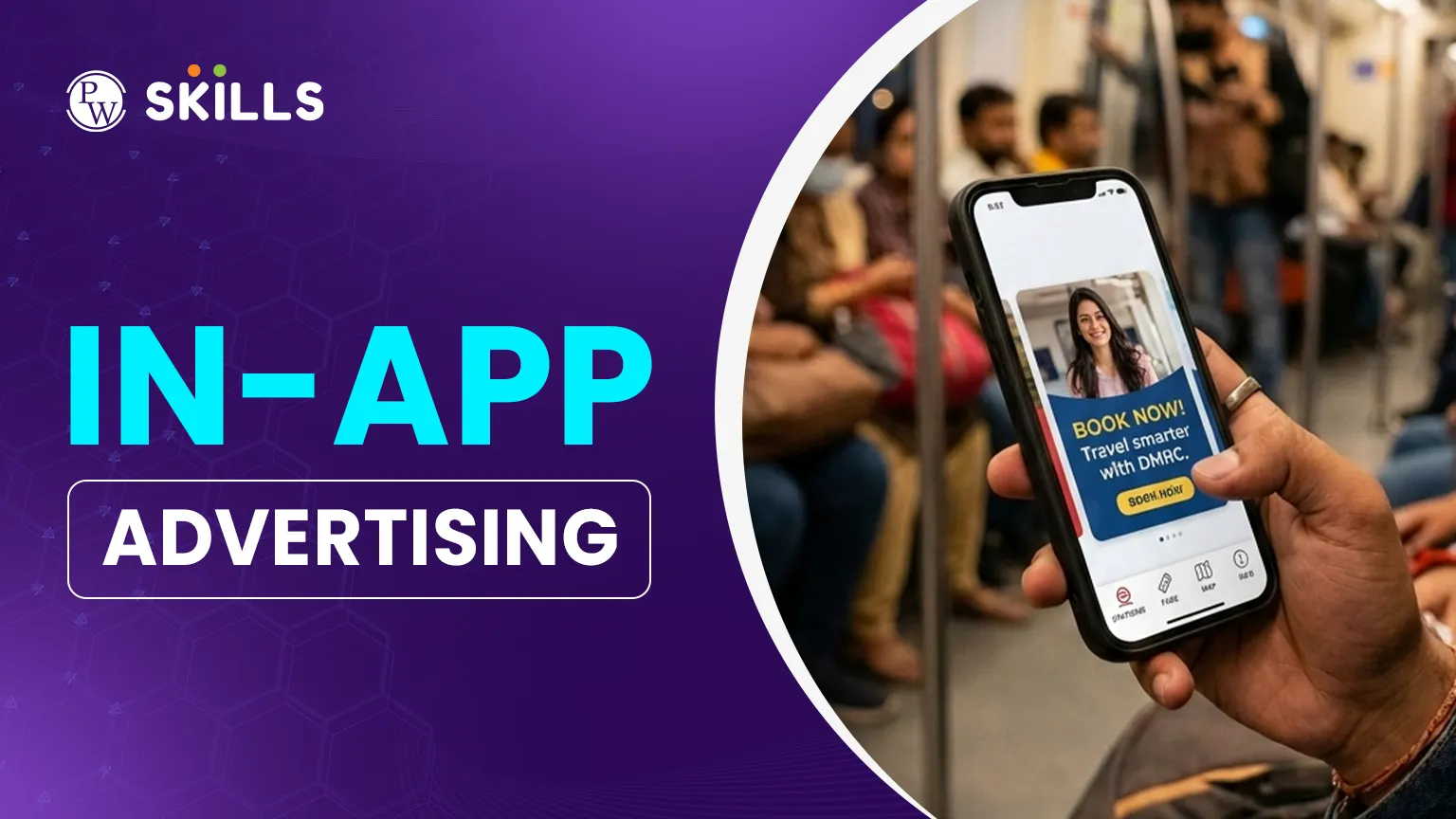
Many app developers struggle to make enough money from their apps. The best way to solve this problem is through in-app advertising. This monetisation scheme allows developers to provide their full applications to the public for free.
This article talks about the best strategy for in-app advertising and how you can use it effectively.
What is In-App Advertising?
The framework behind mobile marketing involves a real-time, automated marketplace that connects app developers with commercial brands. Instead of setting up manual, direct deals between publishers and businesses, the system relies on programmatic platforms to fill ad placements instantly. Understanding this process requires looking at the essential components that drive every single transaction.
Every standard transaction within this network operates through a structured lifecycle:
-
Request: A user opens the mobile application, triggering a digital request from the integrated Software Development Kit (SDK) to search for an available creative asset.
-
Auction: The ad platform runs an automated, instant auction where external brands bid against each other for the specific digital screen space.
-
Delivery: The highest bidding advertiser wins the placement, and the system instantly displays the creative asset on the user's screen.
-
Optimisation: If the mobile user interacts with the message, the network tracks the engagement data to refine future algorithmic delivery.
What are In-App Advertising Formats?
Choosing the right look and placement for your ad inventory determines both user retention and revenue performance. Forcing intrusive elements into an interface ruins the overall customer experience, while invisible layouts fail to earn clicks.
Mobile marketers use several distinct in-app advertising formats to hit the perfect balance between high performance and smooth design.
Banner Ads
These are small rectangular graphics that remain fixed at the very top or bottom of the mobile screen layout. They are incredibly easy to implement and remain visible while a customer interacts with the primary application content.
Interstitial Ads
Full-screen visuals that cover the entire mobile interface at natural pause points within the app. For example, they tend to happen between different levels of a game or when a user switches sections within a utility tool.
Native Ads
These custom placements are designed to match the exact look and feel, typography and clean aesthetic of the host app. They are a natural part of social feeds or news discovery timelines.
Video Ads
These short clips grab a user's attention much more effectively than static images. They are typically deployed as out-stream media inside text articles or as standalone content blocks that play automatically when a section loads.
Rewarded Ads
These highly effective elements offer real value to the user in exchange for watching a video clip. They are prominent in mobile gaming, providing extra lives or premium virtual coins.
In-App Advertising Key Metrics
Running profitable in-app advertising campaigns requires close monitoring of key performance indicators. Evaluating these figures ensures that your mobile ad placements bring in more money than they cost to run.
Click-Through Rate (CTR)
This metric shows the percentage of users who clicked on an ad after seeing it. A very low percentage indicates that your creative visual or target audience parameters need refinement.
Conversion Rate (CVR)
This calculates the percentage of clicking users who completed a specific goal, such as making a purchase. It highlights the actual commercial impact of your creative elements.
Return on Ad Spend (ROAS)
This vital calculation measures the total revenue earned for every pound spent on advertising. Keeping this number strongly positive ensures long-term business growth.
Fill Rate
This publisher metric shows the percentage of mobile ad requests successfully filled with a live creative asset. Low numbers mean the publisher is missing out on revenue.
In-App Advertising Examples
Examining how different industries implement placements reveals how varied and flexible mobile marketing can be. Different app categories use distinct formats to hit their unique business goals.
Mobile Gaming Applications
Mobile games frequently rely on rewarded videos. A player might watch a short clip to unlock premium virtual items or get an extra life, keeping engagement high without interrupting the fun.
E-Commerce Marketplaces
Shopping apps excel at using native carousel placements directly within the product feed. These show personalised product suggestions based on a user's browsing history, making the ads look like a natural part of the app.
Utility and Tools Apps
Weather and system utility apps often feature standard bottom banners or interstitial layouts during natural breaks. This approach enables them to offer their core features entirely free of charge.
What are the benefits of In-App Advertising?
Having a structured marketing framework in place on mobile apps is a huge benefit for both the asset publishers and brands that buy the space. This shared value is why the mobile ad ecosystem continues to grow so quickly.
Major Advantages for Mobile App Publishers
The primary advantage for app owners is direct monetisation without requiring user fees. By utilising an explicit in-app advertising strategy, developers can scale their user acquisition efforts by offering free apps while building reliable revenue. This approach allows developers to understand the full user journey and optimise long-term monetisation.
Critical Advantages for Commercial Advertisers
Brands get direct access to a highly engaged global audience spending a ton of time inside apps each day. Mobile devices provide rich programmatic targeting based on the user’s demographics, context and unambiguous behavioural data. This targeted precision ensures high conversion rates, less wasted spend and a great return on investment.
Best In-App Advertising Tools
Managing complex mobile campaigns across different networks is incredibly difficult without dedicated software. Modern performance marketers rely on specialised platforms to optimise their monetisation and attribution workflows.
When looking for professional in-app advertising tools, teams usually build their technical stack around three essential layers:
-
Mobile Supply-Side Platforms (SSPs): Software that helps app publishers organise, automate, and sell their available layout spaces to global programmatic buyers.
-
Mobile Demand-Side Platforms (DSPs): Technical hubs that allow commercial brands to buy high-quality mobile ad placements across multiple publisher apps automatically.
-
Mobile Measurement Partners (MMPs): Independent tracking platforms that attribute installs to the correct channels and unearth deep user journey insights.
In-App Advertising Pricing Models
Selecting the wrong pricing model can quickly drain a marketing budget without delivering real business growth. Marketers must align their spending structures directly with their specific campaign objectives.
|
Pricing Model |
Definition |
Best Used For |
|
Cost Per Mille (CPM) |
The advertiser pays a fixed price for every 1,000 ad impressions served. |
Boosting top-of-funnel brand awareness and visibility. |
|
Cost Per Click (CPC) |
The advertiser pays only when a user actively clicks on the displayed asset. |
Driving targeted traffic to landing pages or product stores. |
|
Cost Per Install (CPI) |
The advertiser pays only when a user downloads and opens the app. |
Running aggressive user acquisition campaigns. |





FAQs
What is the core mechanism of in-app advertising?
How do rewarded ads differ from standard banners?
Why do mobile marketing teams use a Mobile Measurement Partner?
What is a good way to prevent mobile ad fatigue?
Which pricing model is best for growing app downloads?





Get Free Counselling Today
and Clear up all your Doubts
 Live & recorded classes available at easeDashboard for progress trackingLakhs of practice questions

