

How Security basics From DevOps and Cloud Computing Course Applies on the Job
 Hardik Gupta18 Jul, 2026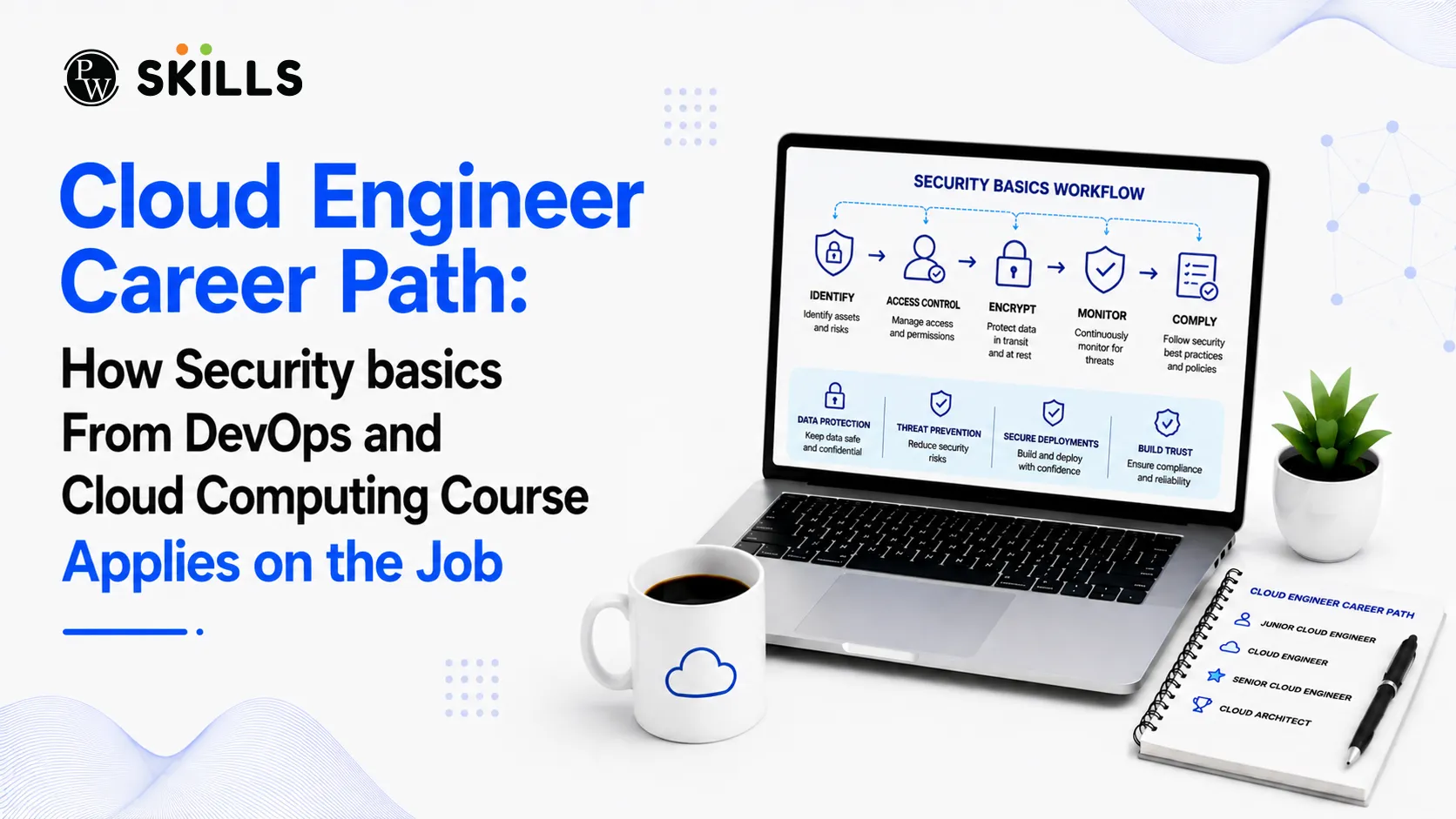
Starting a career in cloud engineering can feel overwhelming when you face complex infrastructure challenges. Many students struggle to bridge the gap between theoretical knowledge and the practical demands of protecting modern digital environments.
Enrolling in a comprehensive DevOps and Cloud Computing Course provides the exact framework needed to solve these everyday security issues efficiently.
Why Security Basics Matter in a DevOps and Cloud Computing Course?
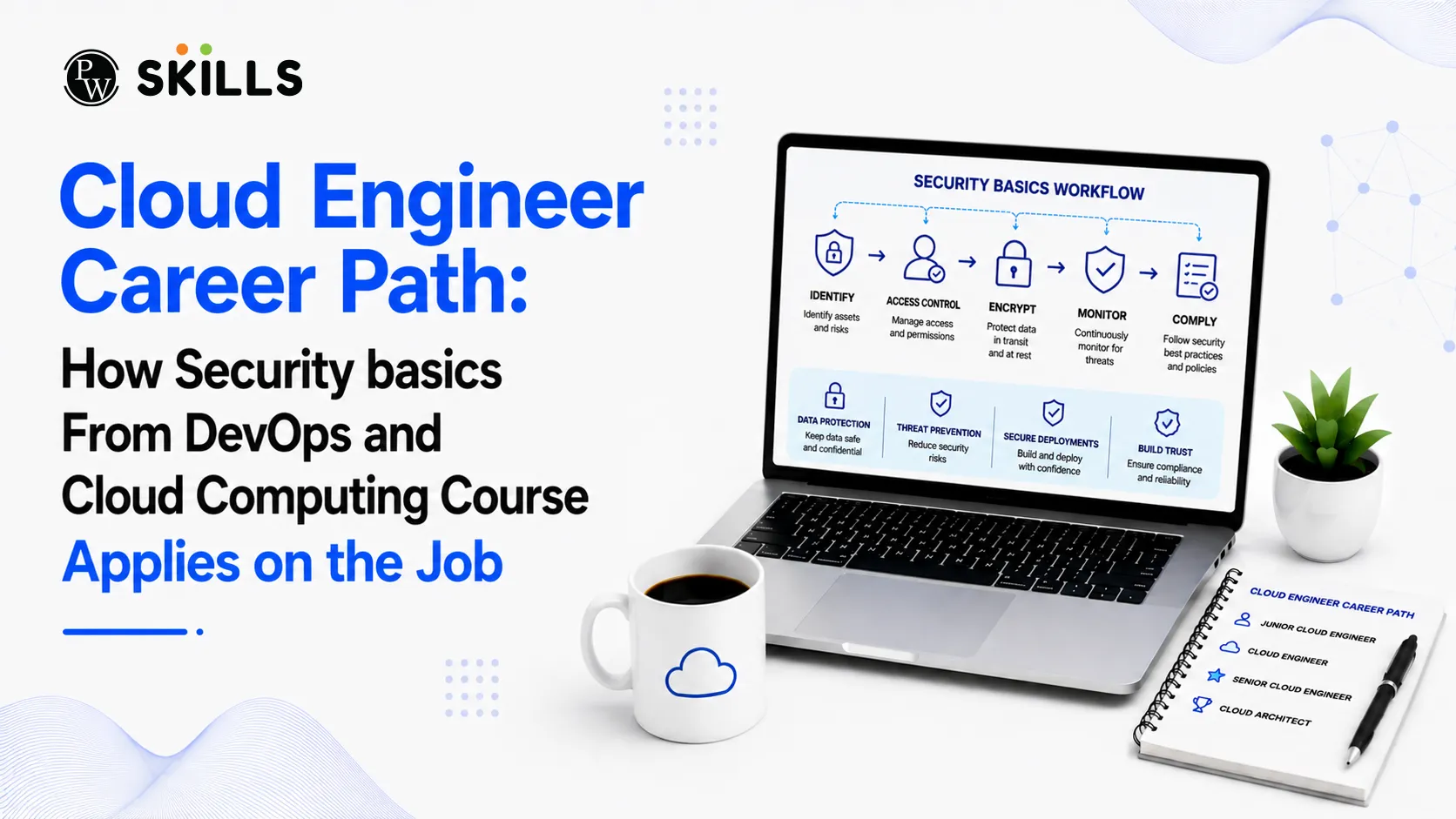
Cloud networks face constant threats, making data protection the top priority for any modern organisation. A foundational program teaches you how to lock down virtual environments before deployment. Understanding these protocols early ensures you build safe habits that protect valuable company assets.
Identity and Access Management
Controlling who can enter a digital system is the first line of defense. You will learn to assign specific user permissions, ensuring team members only access files necessary for their specific roles.
Data Encryption Principles
Protecting information while it travels across networks or sits in digital storage is vital. You will master techniques that scramble sensitive files, making them unreadable to unauthorised users who might intercept the traffic.
How Does Infrastructure Automation in a DevOps and Cloud Computing Course Improve Security?
Manual configurations frequently lead to human mistakes, which open up vulnerabilities. Modern teams use software code to set up virtual servers automatically, guaranteeing that every environment remains identical and completely secure.
Learning these methods in a DevOps and Cloud Computing Course + Infrastructure automation setups teaches you how to write repeatable scripts. This approach eliminates guesswork and standardises security baselines across hundreds of active servers simultaneously.
-
Consistency: Every virtual server uses the exactly same firewall rules automatically.
-
Speed: Deployment teams launch secure platforms in minutes rather than hours.
-
Audit Trails: Code repositories keep a clear history of every single configuration change.
How Do Security Skills from a DevOps and Cloud Computing Course Apply on the Job
Once you enter the professional workforce, classroom lessons become active daily responsibilities. Engineers regularly monitor active traffic, adjust digital firewalls, and fix system weak points before hackers exploit them.
Managing Access Keys Safely
Professionals never store secret passwords or access tokens in open code files. You will use specialised digital vaults to hide credentials, automatically rotating them to block potential system intruders
Designing Secure Network Borders
Creating isolated private networks keeps critical database structures away from the public internet. You will build secure digital pathways that allow legitimate web traffic while blocking malicious connection attempts.
How Does a DevOps and Cloud Computing Course Prepare You for Different Cloud Engineering Roles?
Different positions require distinct areas of technical focus. This breakdown illustrates how core security responsibilities shift depending on your specific target career path.
|
Technical Responsibility |
Cloud Engineer Focus |
DevOps Engineer Focus |
|
Access Control |
Manages user accounts and global permission structures |
Integrates automated login steps into delivery pipelines |
|
Network Protection |
Configures isolated virtual private networks and firewalls |
Updates routing rules via automated infrastructure code |
|
Vulnerability Fixes |
Patches operating systems on active cloud servers |
Sets up automated scanners to check code before launch |
How Does a DevOps and Cloud Computing Course Prepare You for Site Reliability Engineer Jobs?
Focusing heavily on system safety and stability opens doors to advanced operational positions. These advanced roles prioritise keeping digital platforms running smoothly without any unexpected service interruptions.
Combining a DevOps and Cloud Computing Course + Site Reliability Engineer Jobs preparation helps you understand system endurance. You will learn to build automated recovery systems that kick in instantly if a security incident occurs, keeping businesses online.
-
Proactive Monitoring: Watching live traffic logs to spot unusual system behavior instantly.
-
Incident Response: Following strict playbooks to isolate affected servers quickly during attacks.
-
Post-Mortem Analysis: Reviewing system failures to prevent the same issue from happening again.
How to Start Your Career After a DevOps and Cloud Computing Course?
Building a successful career requires a logical progression from learning theory to applying skills. Following a structured roadmap ensures you do not skip vital technical building blocks.
Discovering a DevOps and Cloud Computing Course + How to apply its lessons prepares you for real-world engineering challenges. Focusing on hands-on practical labs gives you the confidence to manage corporate cloud systems.
-
Master Linux Basics: Learn to navigate server command lines efficiently.
-
Understand Networking: Study IP addresses, subnets, and web communication protocols.
-
Learn One Cloud Platform: Gain deep knowledge of a major global cloud provider.
-
Practice Automation: Write basic scripts to build virtual machines automatically.
How Does a DevOps and Cloud Computing Course Build a Security-First Mindset?
Safety is no longer just the responsibility of a single isolated department. Modern technical organizations blend development, operations, and security into one singular collaborative workflow.
This cultural shift means engineering candidates who understand data protection are highly valued. Showcasing your knowledge of secure coding and automated testing makes you stand out during competitive hiring processes.
-
Shared Responsibility: Every developer and engineer actively checks for system flaws.
-
Early Testing: Scanning project designs for flaws during the initial planning phase.
-
Open Communication: Documenting bugs transparently so the entire team learns from mistakes.
How Are Security Skills from a DevOps and Cloud Computing Course Used Daily?
Daily routines blend system maintenance, active project building, and emergency troubleshooting. You will work closely with software developers to ensure their new features run on safe corporate platforms.
Morning System Reviews
Engineers start the day by checking automated alert dashboards for any unusual activity. You will review error logs and confirm that all automated backup systems completed successfully overnight.
Afternoon Infrastructure Building
The latter part of the day involves writing automation code to expand network capabilities. You might update firewall settings or help migrate an older database into a secure, modern cloud environment.
What Security Tools Are Covered in a DevOps and Cloud Computing Course?
You must become familiar with the standard software applications used throughout the tech industry. Mastering these tools allows you to automate tasks and secure systems efficiently.
Version Control Software
Engineers use tracking tools to manage changes made to infrastructure code scripts. This allows teams to collaborate smoothly and roll back modifications if an update introduces a security vulnerability.
Continuous Integration Servers
Automated delivery engines run tests on software code every time a developer submits updates. These systems catch syntax errors and security flaws before changes ever reach live company servers.
What Mistakes Should You Avoid After a DevOps and Cloud Computing Course?
New professionals often overlook simple settings that cause significant exposure risks. Being aware of these traps helps you protect your employer's infrastructure right from your first day on the job.
Critical Warning: Leaving default administrative passwords active on public-facing cloud databases is the leading cause of modern corporate data leaks.
Over-Privileged User Accounts
Assigning full administrative controls to every single team member creates massive safety risks. Always practice the principle of least privilege, giving users the bare minimum access needed to complete their daily work.
Neglecting Regular Software Updates
Outdated software packages contain known bugs that external attackers can easily exploit. Setting up automatic update schedules ensures your virtual servers receive crucial security patches without delay.




FAQs
What is the main benefit of taking a DevOps and Cloud Computing Course?
How does infrastructure automation improve corporate data security?
Can a DevOps and Cloud Computing Course help me get Site Reliability Engineer jobs?
What is the principle of least privilege in cloud environments?
Why do engineering teams prefer automated security scanning?





Get Free Counselling Today
and Clear up all your Doubts
 Live & recorded classes available at easeDashboard for progress trackingLakhs of practice questions

