

What Is a Full Stack .NET Developer in 2026? Skills, Roles and Career Path
 Hardik Gupta25 Sept, 2026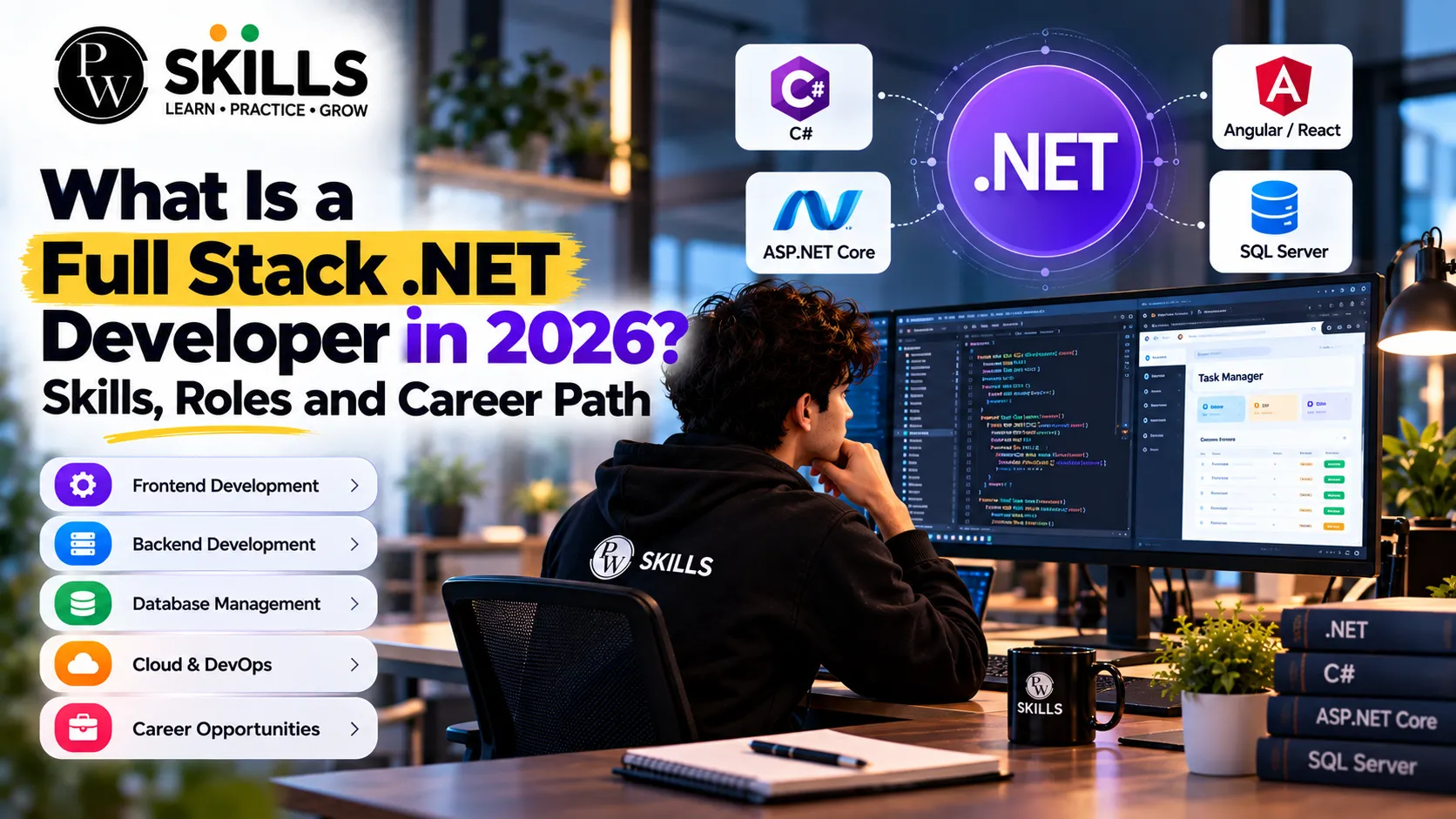
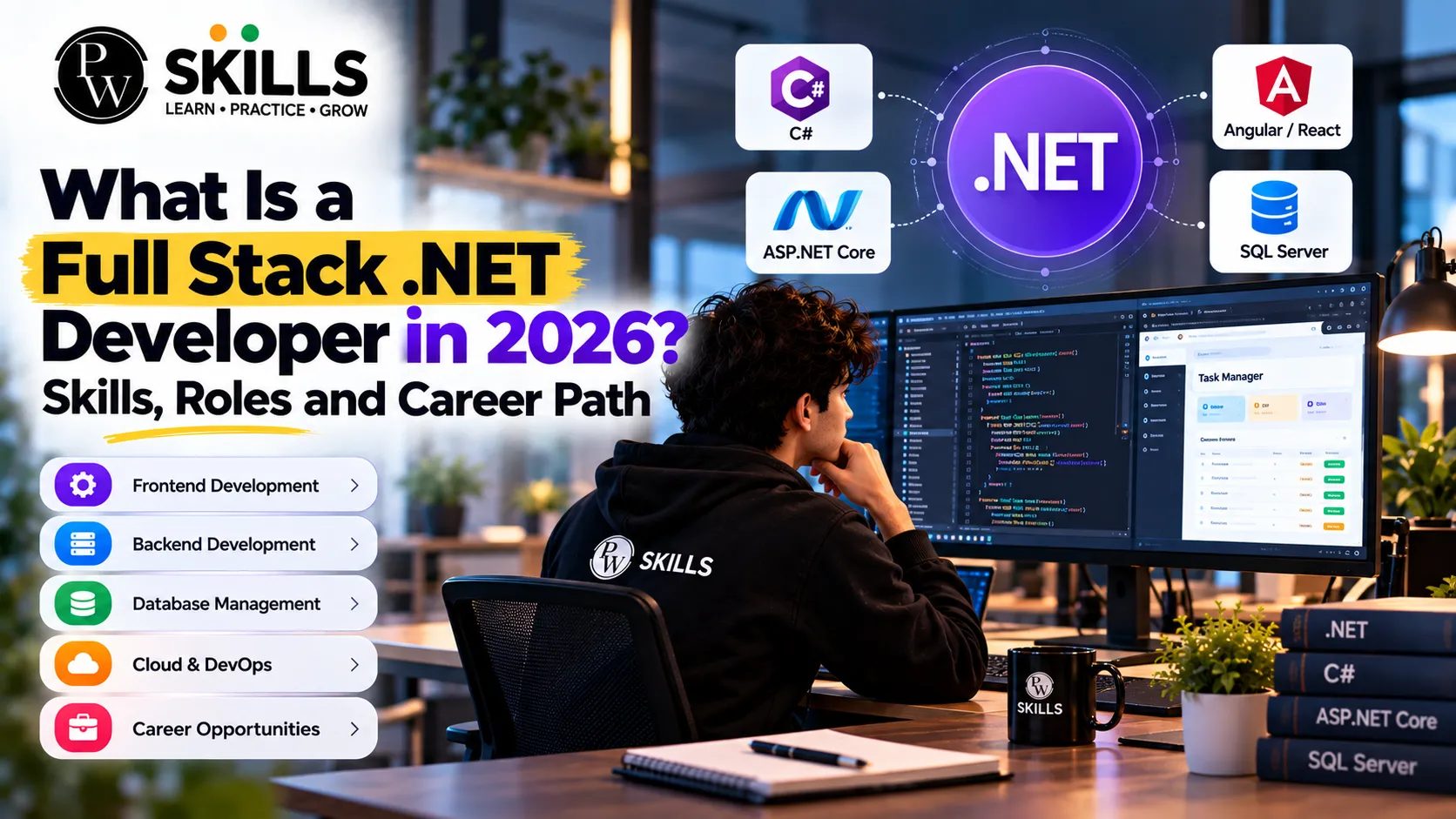
Modern web development increasingly involves connecting different layers of an application into a single working system. Microsoft’s .NET ecosystem supports this approach by bringing server-side programming, data management, APIs, and frontend technologies together. Understanding what is full stack net developer does provides context for how these technologies interact and how developers contribute across different parts of an application.
A full stack role also involves working across the development lifecycle rather than focusing on a single technical layer. This makes the concept relevant to learners exploring how modern web applications are designed, developed, tested, and maintained.
What is Full Stack NET Developer?
Understanding what is full stack net developer does requires examining how modern web systems function across server and client interfaces. A full stack developer using Microsoft technologies builds end-to-end applications, connecting database queries to user interfaces seamlessly.
They write backend server code in C# and business logic in ASP.NET Core. They have interactive screens with modern client-side frameworks.
Primary Application Components
-
Frontend Interface: Handles user interaction using HTML, CSS, JavaScript, and dynamic client components.
-
Backend Application: Implements core business rules and security routines using C# and ASP.NET Core.
-
Database Management: Stores data and fetches structured records with SQL Server and Entity Framework Core.
What Skills are Needed for a Full Stack NET Developer?
Building successful software systems requires mastering specific .NET developer skills across both client-side design and server infrastructure.
Server and Database Capabilities
Backend systems are the core of web software, handling user input and business data logic in a secure way.
-
C# Programming: The primary object-oriented language used across Microsoft software development platforms.
-
ASP.NET Core: An open-source, high-performance web framework used to construct web applications and microservices.
-
Entity Framework Core: A data object mapping tool that allows developers to work with database tables using C# objects.
-
Relational Databases: Managing records using Microsoft SQL Server to execute clean queries, indexes, and stored functions.
Client-Side Interface Capabilities
Frontend tools let developers build responsive views that react quickly to user inputs on mobile and desktop web browsers.
-
Web Standard Basics: Building structural web pages using semantic HTML5, clean CSS3 styling, and modern JavaScript standards.
-
Single Page Application Frameworks: Designing dynamic user interfaces using tools like Angular, React, or Microsoft Blazor.
-
API Integration: Connecting frontend screens with server resources through HTTP requests and standard JSON payloads.
Tools and Libraries for Full Stack .NET Developers
Modern software teams rely on specialized development tools and software libraries to streamline building enterprise web systems. Using the right toolset accelerates testing, improves code quality, and simplifies database tracking across complex project environments.
Industry-Standard Tools for .NET Workflows
-
Visual Studio & Visual Studio Code: Integrated development environments featuring advanced C# code navigation, built-in debugging, and seamless cloud deployment tools.
-
Postman: A dedicated API platform used to test, document, and monitor RESTful endpoints built with ASP.NET Core before frontend integration.
-
Git & GitHub: Version control platforms essential for tracking code edits, managing source branches, and collaborating within development teams.
-
SQL Server Management Studio (SSMS): An administrative desktop client used to design schemas, optimize database queries, and inspect relational tables.
-
Swagger / OpenAPI: Automated API documentation tools that allow frontend developers to interact with backend endpoints clearly.
What Technical Features a Full Stack NET Developer Should Know?
Choosing the right development framework involves understanding how different software modules interact within modern .NET development environments. The following breakdown shows how core components fit together inside an enterprise software stack.
|
Development Module |
Core Function |
Primary Features |
Practical Application |
|
ASP.NET Core |
Web Service Engine |
Cross-platform, high performance, built-in dependency injection |
API controllers and web endpoints |
|
C# Language |
Server Application Logic |
Type-safe, object-oriented syntax, memory safety features |
Core business algorithms and workflows |
|
Microsoft SQL Server |
Database Engine |
Structured data storage, transaction control, indexing |
Secure corporate data persistence |
|
Entity Framework Core |
Data Mapping Interface |
Automated code migrations, object queries, schema generation |
Database connections using C# code |
|
Blazor / React |
Client Interface Layer |
Component architectures, interactive web views |
Responsive user dashboard interfaces |
What are the Daily Responsibilities of a Full Stack NET Developer?
A full stack .NET developer manages multiple stages of the software release lifecycle to keep web applications running reliably.
-
Writing clean server APIs to transmit structured data between backend databases and user-facing screens.
-
Designing relational database tables, writing efficient SQL queries, and optimizing stored procedures.
-
Implementing security controls including token authentication, encryption methods, and input validation.
-
Writing unit test suites to detect software errors early and maintain overall code stability.
What is the Full Stack NET Developer Career Path in 2026?
Entering a full stack developer career involves following a clear, step-by-step learning progression across several software development phases.
Phase 1: Core Language and Logic
Begin with a solid knowledge of C# programming. Prioritize object-oriented programming, data structures, exception handling, and file processing before jumping into database layers.
Phase 2: Database and Web Services
Learn relational database management using SQL Server and Entity Framework Core. Practice building RESTful web services with ASP.NET developer tools to deliver data securely to client apps.
Phase 3: Frontend Integration and Cloud Operations
Connect dynamic single-page applications built in Angular or React to your backend web services. Finish by learning version control using Git and deploying completed project builds to cloud environments.
How to Build a Successful Career as a Full Stack NET Developer?
Focusing on these strategic technical habits helps accelerate progress when learning full stack web development skills.
-
Master C# Basics First: Build firm control over object-oriented concepts before adding complex web frameworks.
-
Build Real Projects: Create complete applications that link a real SQL database to an interactive frontend layout.
-
Focus on API Security: Practice configuring JSON Web Tokens and role permissions inside ASP.NET Core controllers.
-
Learn Version Control: Use Git repositories daily to track code changes and manage software branches cleanly.









Get Free Counselling Today
and Clear up all your Doubts
 Live & recorded classes available at easeDashboard for progress trackingLakhs of practice questions

