
Design Psychology: Top Design Psychology Principles Every Designer Must Know
 Varun Saharawat30 Oct, 2025
Design psychology is something you need to be very careful while making a design for your product, it plays a major part in user experience of the application. By understanding how our designs are perceived we can make changes to make it more effective and make it useful for users to achieve their goals. UX Design is not all about the interface and making things look good and attractive. An attractive user interface can grab the attention of users but a fulfilling experience is all users need to stay there for a long time. For good user experience you need to be guiding the users throughout properly. In this blog, we will learn about some of the best design psychology which plays an important role in UX Design.
What Is Design Psychology?
Design Psychology is the study and application of the principles that drives the way products and user experience are designed. It completely focuses on understanding how people react, think, feel or behave when interacting with a design whether it is a web page, application or space.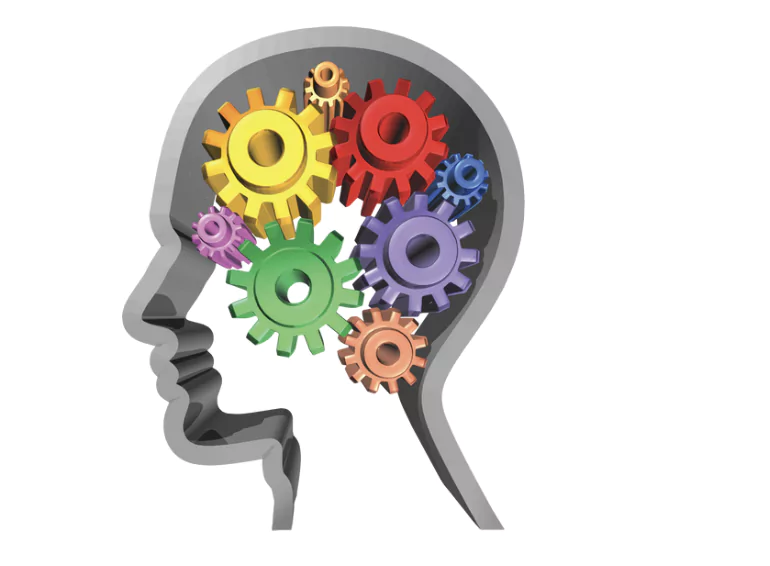 The major aim of these design psychology is to make the user experience more fulfilling, intuitive, engaging and effective throughout their time on the application. Design psychology acts as a guide helping designers create experiences suitable for designs and friendly with human behaviors, moods, emotions, and other patterns. When used properly, design psychology builds a strong connection between users and products driving growth of a business.
Why Is It Important to Understand the Design Psychology Principle?
It is important to understand the design psychology which can be used to make an impact on the human brain. These principles can help designers in their designing process for a web page, application or other interface based on the needs of their targeted users. It is important to understand human behavior in order to unlock various design challenges. These design principles can be useful in increasing the visibility of your design and much more. Let us know more about the design psychology principles in detail below.
Read More: 5 Free UI UX Design Courses With Certificate: Are Free Courses Worth It?
It is important to understand human behavior in order to unlock various design challenges. These design principles can be useful in increasing the visibility of your design and much more. Let us know more about the design psychology principles in detail below.
Read More: 5 Free UI UX Design Courses With Certificate: Are Free Courses Worth It?
How Knowing Design Psychology Helps UX Designers and Users?
Learning and applying design psychology helps both the designer and the user in many Different ways possible. Let us know both perspective below. For UX designers: UX Designers can get a reliable foundation to base their design decisions on. Instead of choosing fonts, colors, or layouts just because they “look nice,” designers can choose elements that are backed by psychological research. This leads to more effective, purpose-driven design. For users: On the user part design psychology creates a better overall experience. It makes websites easier to use, helps users find what they’re looking for faster, and makes their interactions more enjoyable. And when users are happy, they’re more likely to stay on your site, trust your brand, and make a purchase.10 Design Psychology Every Designer Must Know
 Check some of the most important design psychology principles mentioned below.
1. Hick’s Law
“It is said that decision time increases with choices.
According to Hick’s Law the more options you present your user with the longer they will take to reach a decision. This design psychology principle highlights the importance of simplicity in design. It is important to be very much specific about the design pattern, structure so that the users do not stay confused with the options they have. In order to improve usability and reduce decision fatigue, designers should limit the number of choices shown at once, especially in navigation menus or calls to action. Clear prioritization of options helps users make faster, more confident choices.2. Fitts’s Law
“In design psychology target size & distance matters”
Fitts law explains the time required to reach a target which depends on its size and distance from the point where the users started navigating the design. It is important that the important elements such as “Submit”, “buy” buttons must be at a convenient distance from the user's reach. Small and distant elements create bad experiences for the users in navigating and reaching the desired element to perform an action.3. Gestalt Principles
“How we perceive visual groups in our design is important to promote accessibility.”
Gestalt principles are used to describe how people tend to organise visuals into groups or unified wholes. This principle describe how humans group similar elements, recognise patterns and simplify complex images when we perceive objects. By applying these principles, designers can create layouts that feel intuitive, guide the user’s attention, and make interfaces more understandable at a glance.4. The Serial Position Effect
“It is said that often the users remember the first and the last thing they see while visiting the interface.”
This principle suggests that people are more likely to remember the first and last items in a list. In design, this means placing key actions or information at the beginning or end of menus or workflows to ensure they stand out and are more memorable. Middle items often get overlooked, so place less critical content there in your design.Read More: UI UX Designer Internship at Rhombus Enterprises [With Stipend]: Apply Now!
5. Miller’s Law
Miller’s law states that people can hold about 7 items in their short term memory at once. This limits the chance of making an impression of the design in the mind of people. Designers need to keep in mind and prevent overloading users with too much information at once. Designers must distribute elements in manageable chunks and avoid grouping. Paging, collapsible sections, and more to reduce overload and improve the overall experience of the users. Join Our UI/UX Telegram Channel
 Join Our UI/UX WhatsApp Channel
6. Color Psychology
“Colors play an important role in design with impact on emotions and actions.”
Colors invoke the specific emotional response and influence the behavior of the user. Color selection and its usage in design plays a key role in design. Colors have symbolic meaning where some of the colors can also evoke feelings and emotions in the user's mind. For example blue often conveys trust, red signals urgency or alert, and green suggests success or safety. Designers use color psychology to shape mood, draw attention, or reinforce branding.7. The Von Restorff Effect
This is one of the most important design psychology which can be used by designers. It is also known as the isolation effect. This principle is used to state that when multiple similar elements are present the one that differs is most likely to catch the attention of the users. Designers can use this by making important buttons, messages, or offers stand out through contrast in size, color, or style ensuring they catch the user's attention immediately.8. Cognitive Load Theory
Cognitive load refers to the amount of mental effort required to use a system or understand information. Good design minimizes cognitive load by using clear hierarchy, consistent layouts, intuitive navigation, and familiar icons. When users don’t have to think too hard to complete tasks, they’re more likely to stay engaged and satisfied.Read More: UI UX Work: What Does A UI/Ux Designer Do? [2025 Guide]
9. Emotional Design
“Design is not only made for function, not just for feeling.”
Emotional design focuses on how users feel when interacting with a product. It is important that the design connects with the personal or emotional level of the users apart from usability and functions. Positive emotions can increase user engagement, loyalty, and even make products more memorable and enjoyable.10. Confirmation Bias
Confirmation bias is a situation where people seek out to favor and defend their own design choices while they tend to dismiss the alternatives offered to them. This can lead to limited understanding and lack of unbiased evaluations in design. We are more likely to believe a story based on pre-existing views even if the evidence is shaky or inconclusive.Master User Experience Design With PW Skills
Learn the art of creating compelling and impactful design with UI UX Design Course by PW Skills. This is a complete course for everyone who wants to excel in User experience and interface designing. Master in-depth knowledge of the subject, learn about major design tools, and principles of design. Get in-depth tutorials, practice exercises, assignments, quizzes, and design cases to get a hold of design strategies that will help you grab better internship opportunities. Prepare for your interviews only with pwskills.com



Design Pyschology FAQs
Q1. What is design psychology?
Q2. Why is design psychology important?
Q3. What is the objective of design psychology?
Q4. Give an example of design psychology
Q5. How does design psychology improve user experience?





Get Free Counselling Today
and Clear up all your Doubts
 Live & recorded classes available at easeDashboard for progress trackingLakhs of practice questions

