
Product Designer Vs UX Designer: What's the Difference
Product designer vs ux designer roles are popular and in-demand roles with major distinction based on skills required and responsibilities. Let us understand the major differences between Product designer and ux designer.
 Varun Saharawat30 Oct, 2025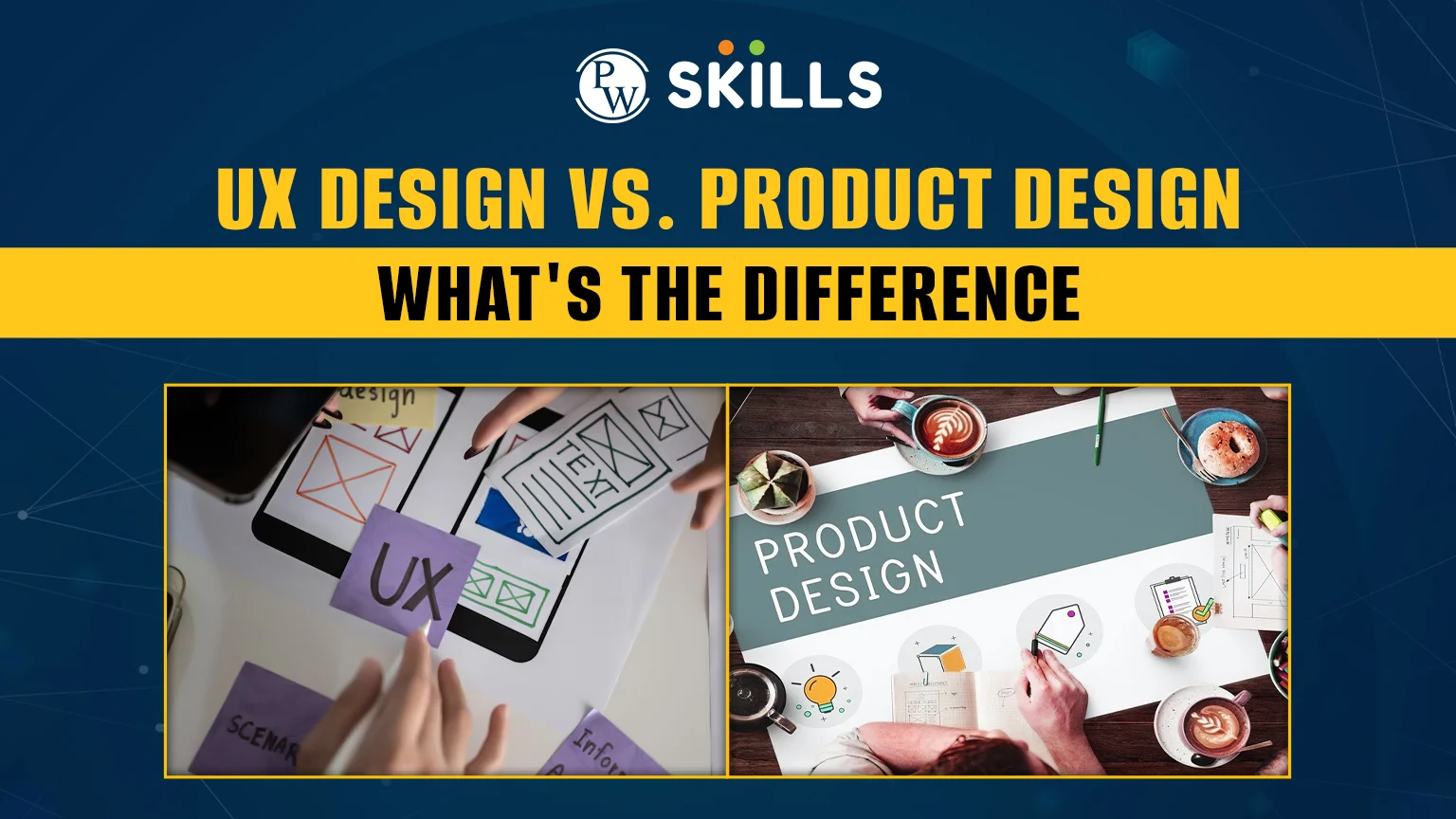
When we are comparing Product designer vs ux designer then the major difference lies in their roles and responsibilities in an organization. The responsibilities of both product designers and UX designers are different.
Do you want to build a career in one of these fields? Well! To do so you must be aware of the eligibility criteria, roles, and career opportunities available in both roles. Let us find out more about the major differences between product designers vs ux designers.
Who Is a Product Designer?
Product designers are experts who create a new product to solve business goals or needs. They create and develop new products to meet the business client’s needs and help businesses reach their goals. Product designers focus on creating a usable and effective end product, they focus on market and customer’s needs. They generally have to take care of two important things: first, their priority is to meet the user's requirements and also fulfill business goals.
Who Is a UX Designer?
UX Designers are professionals with knowledge of user experience and interaction. For UX designers, client satisfaction comes first before the business goals. UX designers make sure that the design fulfills user's needs and ensures that the end product is usable and accessible.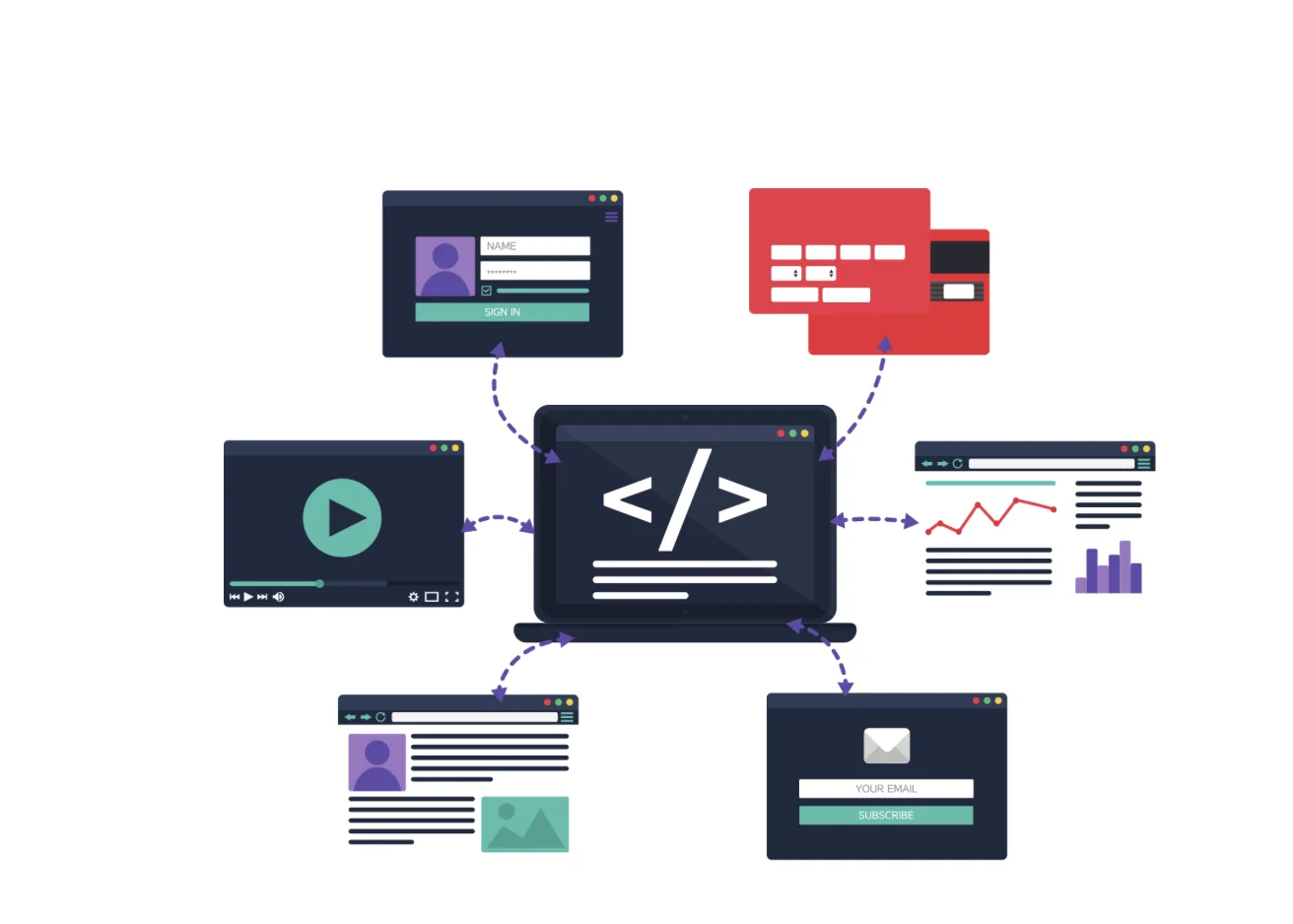 Their main goal is to make products user friendly while keeping customer satisfaction at the top. UX designers are more focused on product design rather than business objectives. A UX designer tends to create more user friendly products and ensure customer’s satisfaction and product success.
Product Designer Vs UX Designer: Key Highlights
- Product designers are more business-oriented oriented with their major focus on creating a new product that satisfies user's needs as well as business objectives. They ensure that the end product meets the business needs.
- UX designers are more concerned with designing user friendly products to ensure customer satisfaction.
- Product designers work together with cross-teams such as visual designers, business teams, graphic designers, etc.
- UX designers are more focused on interactive and functional elements of a product. UX designers focus more on hands-on aspects of designing and user-friendly products.
Product Designer vs UX Designer: Responsibilities and Roles
 Let us know some of the major roles and responsibilities required to become a product designer or ux designer.
Product Designer Responsibilities
- Must be familiar with the business strategy, market trends, and user needs to build a product aligned with business goals.
- Familiar with using tools like Figma, Adobe XD, InVision, Sketch, etc.
- Must be able to create prototypes based on real-world users interaction and interaction designs.
- Product designers can collaborate with engineers, stakeholders, marketing teams, and other cross-functional teams.
- Must have a basic understanding of front end development to implement and follow the user interface design.
- Must be able to handle complex design challenges and create user-centered solutions.
UX Designer Responsibilities
- Must be familiar with user behavior, needs, and pain points in design. Able to conduct research methods like surveys, interviews, usability tests, and data analysis to build informed design decisions.
- Must be able to create site maps, user flow,s and navigation systems and organize content and information in a structured manner. Information architecture is an important skill of a UX designer.
- Knowledge of creating wireframes and prototypes and visualizing the functionality of design and various interactive elements in user design.
- Knowledge of how users interact with the product through various features like buttons, animations and features.
- Conduct usability testing to identify issues and improve the overall user experience.
- Must have user centered thinking and ensure that the product meets the users needs effectively.
Product Designer Vs UX Designer: Average Salary In India
In India, the average annual salaries of a Product designer vs UX designer are based on experience, the location of the company, and the company's global position in the market. Product designers earn in the range of ₹12,00,000 and ₹13,20,000 per year. However, for entry level positions or fresher roles, the average annual salary is ₹2,70,000 annually. UX Designers have an average annual salary of approximately ₹9,46,821. Salaries can range from ₹2,10,000 for entry-level positions to ₹10,00,000 or more for experienced professionals.
These figures are influenced by factors such as the individual's experience, the company's size and industry, and the specific location within India. For instance, professionals in metropolitan areas like Bengaluru and Gurgaon often receive higher compensation due to the increased cost of living and demand for skilled designers.
Note: Salaries of a role depend upon various factors that are subject to change based on source and time.
UX Designers have an average annual salary of approximately ₹9,46,821. Salaries can range from ₹2,10,000 for entry-level positions to ₹10,00,000 or more for experienced professionals.
These figures are influenced by factors such as the individual's experience, the company's size and industry, and the specific location within India. For instance, professionals in metropolitan areas like Bengaluru and Gurgaon often receive higher compensation due to the increased cost of living and demand for skilled designers.
Note: Salaries of a role depend upon various factors that are subject to change based on source and time.
Product Designer Vs UX Designer: Career Opportunities
 Some of the major product designer vs ux designer career opportunities are mentioned below.
Product Designer Career Opportunities
Product designers have a broader focus on roles in user experience user interface and product strategy. Product designer roles are in demand across various industries such as e-commerce, healthcare, consumer goods, and automotive, etc. Some of the popular leadership roles, such as product designer, are design manager, product manager, head of design, and more. The ability of product designers to align with business strategy makes them valuable in the decision making process. Product designers are also sought with plenty of startup opportunities.UX Designer Career Opportunities
With the surge in online platforms and business opportunities, UX designers increased in industries like SaaS, Finance, retail, and Entertainment. Many UX designers advanced in research focused positions such as User research, behavioral analyst, UX strategist, etc. UX designers have opportunities in cutting edge fields like Augmented Reality (AR), Virtual Reality (VR), and Voice User Interface design. They can also explore many freelance and consulting opportunities for clients.Difference Table For Product Designer Vs UX Designer
Check some of the major differences between product designer vs ux designer roles.| Aspect | Product Designer | UX Designer |
| Primary Focus | Balances user experience, visual design, and business strategy. | Focuses on creating intuitive and user-friendly experiences. |
| Scope of Work | Broader scope, including the entire product lifecycle, branding, and aesthetics. | Narrower scope, emphasizing usability, user research, and functionality. |
| Key Responsibilities | Prototyping, visual design, interaction design, product strategy, and alignment with business goals. | User research, wireframing, usability testing, and information architecture. |
| Design Tools | Figma, Sketch, Adobe XD, InVision, Miro, Notion. | Figma, Sketch, Adobe XD, InVision, Optimal Workshop, Hotjar. |
| Skill Emphasis | Strong visual design, interaction design, and product strategy. | Strong research, usability testing, and wireframing skills. |
| Collaboration | Works closely with engineers, product managers, and marketing teams. | Works closely with researchers, developers, and UI designers. |
| Problem-Solving Approach | Focuses on aligning user needs with business goals. | Focuses on addressing user pain points and improving usability. |
| Career Progression | Often transitions into Product Manager, Design Manager, or Head of Design roles. | Progresses into specialized roles like UX Researcher, Accessibility Designer, or UX Strategist. |
| Average Salary (India) | ₹12,00,000 - ₹13,20,000 per year (can go higher in senior roles). | ₹9,46,000 - ₹10,00,000 per year (varies by experience and industry). |
| Freelance Opportunities | Limited due to strategic involvement and broader scope. | High, as UX tasks like research and usability testing are project-based. |
| Industry Demand | In-demand across digital and physical product domains. | Highly sought after in digital-first industries like SaaS, e-commerce, and entertainment. |
Learn UX Design With PW Skills
Enroll in our UI UX Design Course and master the art of designing beautiful and attractive applications. Create wireframes, prototypes and work on user interface starting from the research phase. Create designs for multiple responsive websites, and applications. Join our 6 months UI UX design course and learn design fundamentals, and strategies. Get in touch with top designers and explore multiple opportunities in the IT firms.



Product Designer Vs UX Designer FAQ
Q1. What is the primary difference between a Product Designer and a UX Designer?
Ans: A Product Designer focuses on the overall product lifecycle, balancing user experience, visual design, and business objective. In contrast, a UX Designer emphasizes creating seamless and user-friendly experiences by conducting research, usability testing, and crafting wireframes. Their focus is on the functionality and usability of the product.
Q2. Are the tools used by Product Designers and UX Designers the same?
Ans: There is significant overlap in the tools used by both roles. Both Product Designers and UX Designers rely on tools like Figma, Sketch, Adobe XD, and InVision for design and prototyping. However, UX Designers may use additional tools such as Optimal Workshop or Hotjar for user research and testing, while Product Designers might work with tools like Miro or Notion for collaboration and product strategy.
Q3. Which role offers better career opportunities in the current market?
Ans: Both roles have excellent career opportunities, but the demand depends on industry needs. UX Designers are highly sought after in digital-first industries such as SaaS, e-commerce, and entertainment, where user experience is paramount. Product Designers, on the other hand, are valued in both digital and physical product industries, particularly in startups and organizations looking for professionals who can bridge design and strategy.
Q4. What is the earning potential for a Product Designer compared to a UX Designer?
Ans: On average, Product Designers tend to earn slightly higher salaries due to their broader responsibilities, including business strategy and visual design. In India, Product Designers earn an average of ₹12,00,000 per year, while UX Designers earn around ₹9,50,000 per year. However, salaries for both roles can vary significantly based on experience, location, and the company.


Talk to a counsellorHave doubts? Our support team will be happy to assist you!



Get Free Counselling Today
and Clear up all your Doubts
Talk to Our Counsellor just by filling out the form.
Join 15 Million students on the app today!
 Live & recorded classes available at easeDashboard for progress trackingLakhs of practice questions

