
Taxation Courses After 12th: Best Courses, Skills & Career Options in Finance and Tax

Taxation is an important part of finance and business, creating career opportunities for students who enjoy working with numbers, accounts and financial rules. As tax regulations and compliance requirements change, businesses and individuals need professionals who can manage tax-related work accurately.
Students can start building a career in taxation after Class 12 through degree programmes in commerce, finance or taxation and later pursue professional certifications. Depending on their interests, they can work in tax consulting, GST, accounting, auditing, corporate finance or government taxation departments.
What Are Some Good Taxation Courses After 12th?
Students from the commerce stream can choose from several degree and professional pathways. The right option depends on whether they want to build a broad foundation in finance or specialise in taxation and accounting.
Some common options include:
-
BCom: Provides a foundation in accounting, finance, taxation and business studies.
-
BBA: Develops knowledge of business, accounting and financial management and can be useful for students interested in corporate finance and taxation.
-
BSc Finance: Focuses on financial concepts and can help students build a foundation for finance-related careers.
-
CA: A professional qualification that develops advanced knowledge of accounting, auditing, taxation and financial reporting.
-
CMA: Focuses on cost and management accounting and can support careers involving financial analysis and taxation.
-
CS: Provides knowledge related to corporate laws, compliance and governance, which can be useful in corporate taxation and compliance roles.
-
GST or Taxation Certification Courses: Short-term certifications can help students develop practical knowledge of GST, tax filing and compliance alongside a degree.
A degree can provide the academic foundation, while professional qualifications and certifications can help students develop specialised taxation skills.
What Skills Do You Need for a Career in Taxation?
A career in taxation requires more than knowledge of tax rules. Professionals also work with financial records, tax filings, compliance requirements and clients, making both technical and communication skills important.
Technical Skills
Students should gradually develop knowledge of:
-
Income tax and GST
-
Tax compliance and filing
-
Accounting and financial records
-
Tax audits and reporting
-
Financial analysis
-
Accounting software such as Tally, SAP and QuickBooks
Since tax regulations can change, professionals also need to keep themselves updated with new rules and compliance requirements.
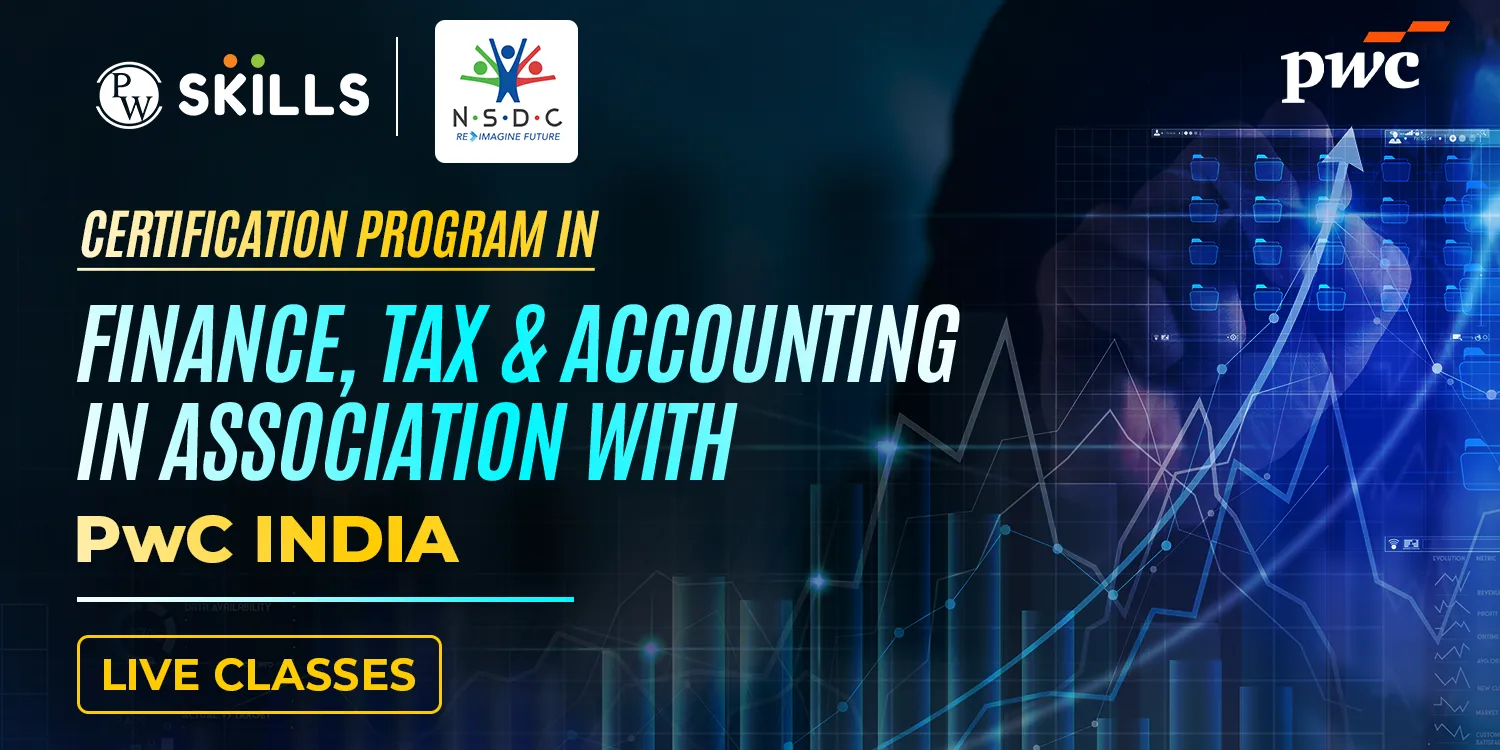
Also Explore our Course : Finance, Tax and Accounting Course
Soft Skills
Analytical thinking and problem-solving are important for understanding tax regulations and identifying financial or compliance issues. Communication and negotiation skills are also useful when explaining tax matters to clients or coordinating with businesses and authorities.
Career Options After Taxation Courses
Taxation offers career opportunities across accounting firms, companies, banks, consulting organisations and government departments. Some roles focus on compliance and accounting, while others involve tax planning, advisory work or audits.
Tax Consultant
Tax consultants advise individuals and businesses on taxation and compliance. Their work can include helping clients understand tax requirements, plan their tax affairs and meet filing obligations.
Tax Analyst
Tax analysts prepare and review tax-related information and support organisations with compliance, reporting and tax planning. They can work with MNCs, financial institutions and accounting firms.
GST Practitioner
GST practitioners assist businesses with GST-related compliance, returns, filings and other requirements. This role is particularly relevant for professionals who want to specialise in indirect taxation.
Tax Accountant
Tax accountants maintain financial records, prepare tax returns and review financial information for individuals or businesses. They may work with CA firms, audit firms or corporate finance departments.
Auditor
Auditors examine financial records and tax-related documents to identify discrepancies and support accurate financial reporting. They can work with private companies, financial institutions and government organisations.
Income Tax Officer
Students interested in government careers can also explore taxation-related positions in the Income Tax Department. An Income Tax Officer works on areas such as tax assessment, collection, audits and investigations. Government recruitment examinations can provide routes into such roles.
Is Taxation a Good Career Option After 12th?
Taxation can be a suitable career option for students interested in accounting, finance, compliance and working with financial rules. The field offers roles across corporate organisations, CA and auditing firms, banks, consulting organisations and government departments.
The career path can also become more specialised with experience. Professionals may move towards tax consulting, GST, auditing, corporate taxation or international taxation based on their qualifications and interests.



FAQs
Which course is good for taxation after 12th?
Can I pursue taxation after Class 12?
What jobs can I get after a taxation course?
Which skills are required for taxation jobs?





Get Free Counselling Today
and Clear up all your Doubts
 Live & recorded classes available at easeDashboard for progress trackingLakhs of practice questions

