

Can AI Create Educational Videos? A Complete Guide to AI-Powered Video Creation

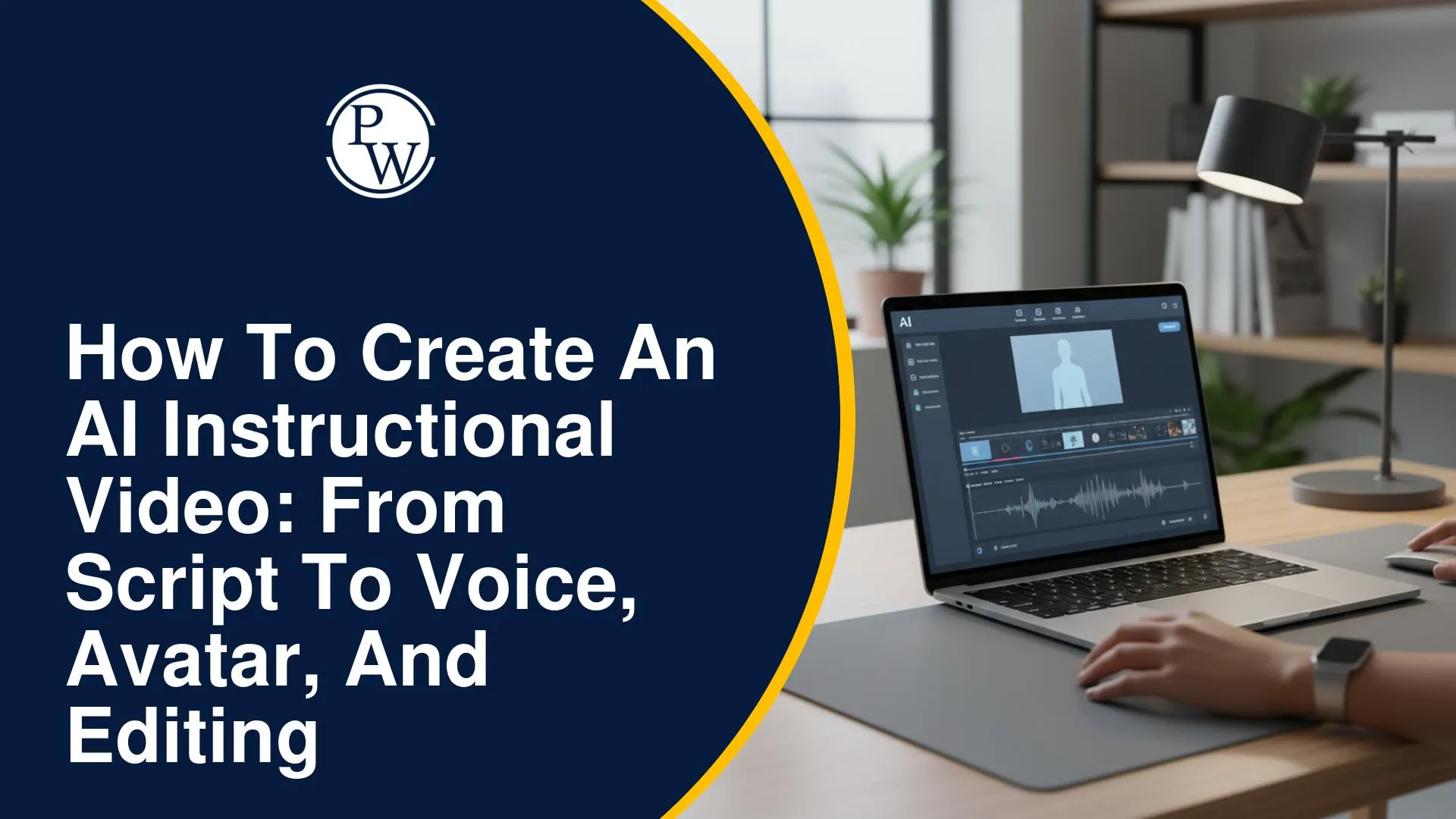
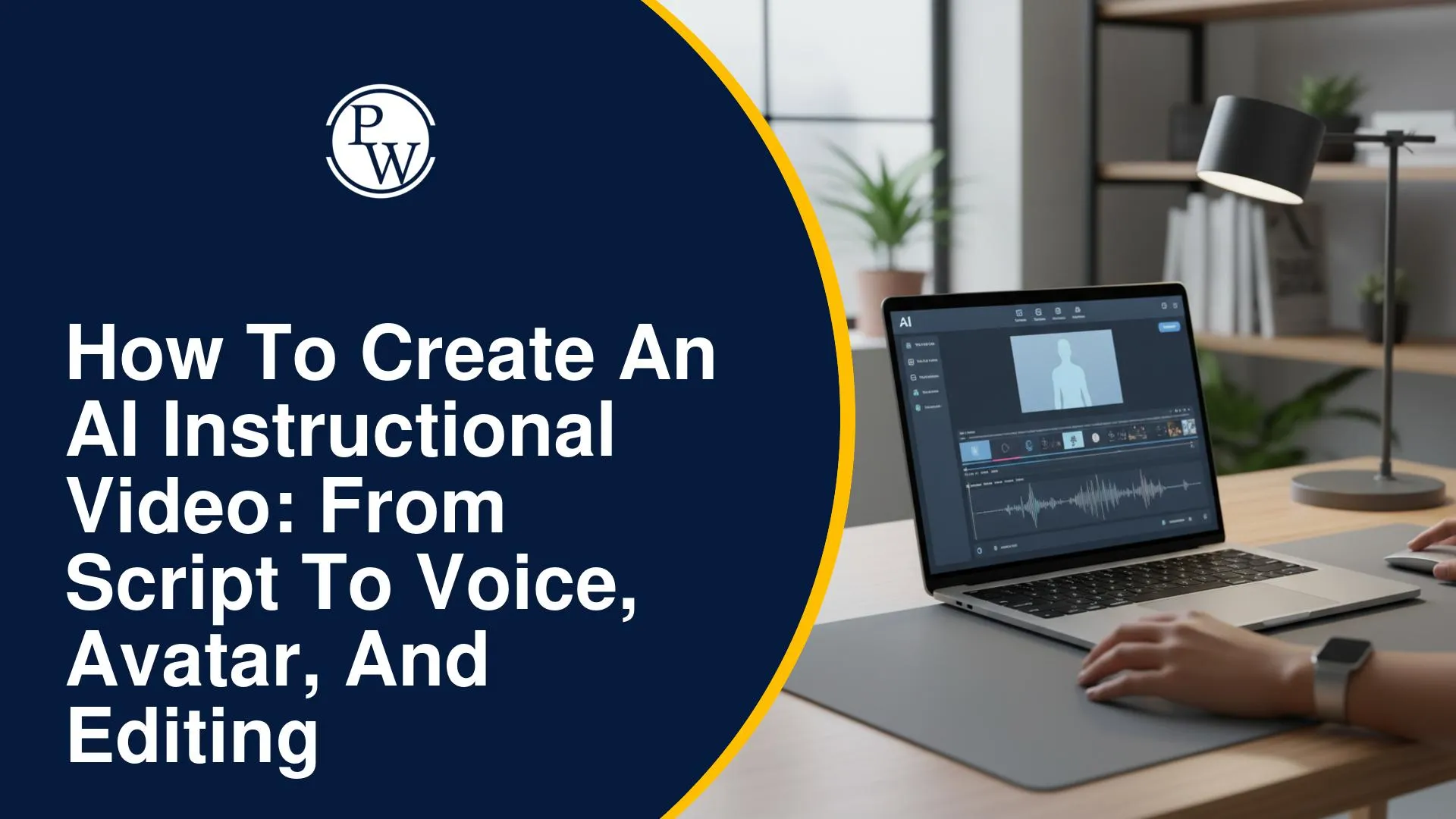
Creating an educational video traditionally involves several steps. Teachers need to plan the lesson, prepare slides and scripts, record the lecture, repeat takes when needed, and edit the final video. This process can take considerable time and effort, especially when several lessons need to be produced.
Generative AI is changing how educational videos can be created. AI can assist with generating lecture scripts, converting text into speech, creating digital presenters, and combining these elements with existing learning materials. This makes it possible to produce instructional videos with less manual production work.
Can AI Create Educational Videos?
Yes, AI can create educational videos by automating or assisting with various parts of the video production process.
Generative AI can work with different forms of content, including text, images, audio, and video. In education, these capabilities can be used to transform existing learning materials into instructional content.
For example, an educator can provide presentation slides and learning objectives. AI can then help create a lecture script based on the material, convert the script into an AI-generated voiceover, and produce a video featuring a digital presenter.
However, AI does not automatically turn any piece of information into an effective lesson. The educator still needs to decide what students should learn, review the generated content, and ensure the final video supports the learning objective.
Also Explore our Course : AI Video Creator
How Does AI Create an Educational Video?
AI-powered educational video creation can follow a simple pipeline from learning material to final instructional video.
Step 1: Provide Learning Materials
The process can begin with existing PPT slides, images, notes, or other educational resources.
If the material is in an image or presentation, Optical Character Recognition (OCR) can be used to extract the written content. The extracted text can then be combined with the original images to give the AI a better understanding of the lesson.
Step 2: Generate the Lecture Script
A generative AI model can use the learning materials to create a lecture script. The script can explain the concepts shown on the slides, add examples, provide transitions, and organise the information into a lesson that is easier to follow.
For example, if the slides contain eight English vocabulary words, AI can create explanations for each word, describe its grammatical role, and provide example sentences. The generated script should be reviewed before it is used for the final video.
Step 3: Generate the Voiceover
The approved script can be converted into speech using text-to-speech technology. Modern AI voices can provide clear pronunciation and consistent delivery. They can also make it possible to create narration without requiring the teacher to record every lesson.
The choice of voice still matters because voice quality can influence learners' perceptions of the content and the virtual presenter.
Step 4: Create a Digital Presenter
AI can also create a talking digital teacher or virtual presenter. A teacher's image or video can be used as the basis for a digital character. The generated speech can then be synchronised with the character's facial movements.
Modern systems can produce features such as blinking, facial expressions, and other movements, making the presenter appear more natural.
Step 5: Combine the Video Elements
The final stage brings the different elements together. An AI-generated instructional video can contain:
Learning material → AI-generated script → AI voice → Digital presenter → Slides and visuals → Final video
The presenter can appear alongside the slides while explaining the lesson, creating a format similar to a traditionally recorded instructional video.
What Can AI Generate for an Educational Video?
AI can support several elements of an instructional video, rather than simply generating the complete video in one step.
|
Video Element |
How AI Can Help |
|
Lecture script |
Generate explanations based on learning material |
|
Voiceover |
Convert the script into spoken narration |
|
Digital presenter |
Create a virtual teacher or talking character |
|
Visual content |
Support concepts with relevant images or animations |
|
Slides |
Help organise information into a structured presentation |
|
Examples |
Generate examples related to the lesson |
|
Captions |
Create text from the spoken narration |
The exact combination depends on the subject and learning objective. Not every educational video needs a digital teacher or AI-generated visuals.
Where Can AI-Generated Educational Videos Be Used?
AI-generated videos can be used across different subjects and learning environments.
Language Learning
Language lessons can use AI-generated narration, vocabulary explanations, pronunciation support, example sentences, and visuals.
In the research discussed above, AI-generated instructional videos were used to teach English vocabulary. The virtual teacher explained the grammatical role and meaning of words and provided examples showing their use in context.
Science Education
Science lessons can use animations and visual demonstrations to explain processes that may be difficult to observe directly.
For example, a lesson on a chemical reaction could use an animation to show how the process changes at different stages while the AI-generated narration explains what is happening.
Mathematics
AI-generated videos can combine narration with step-by-step visual explanations. For example, a Mathematics video could show each stage of solving an equation while the narration explains the reason behind each step.
Online and Blended Learning
Teachers can use AI-generated videos as supplementary resources for students to watch before or after a classroom lesson. They can also be used for revision, concept explanations, or short topic-based lessons.
How Can Educators Use AI to Create Educational Videos Responsibly?
AI works most effectively as a support tool for educators, rather than as a complete replacement for human teaching.
A practical approach is to:
-
Define the learning objective before creating the video.
-
Use reliable source material as the basis for AI-generated content.
-
Generate the lecture script according to the intended learning outcome.
-
Fact-check the script before generating the final video.
-
Choose appropriate voices and visuals for the target learners.
-
Review the completed video for accuracy, clarity, and relevance.
-
Protect personal data when using a teacher's image or voice.
-
Use AI videos as supplementary resources where appropriate.
When a teacher's face or voice is used to create a digital presenter, educators and developers should obtain appropriate consent and consider privacy and data-security requirements.
Conclusion
AI can create educational videos by combining generative AI, text-to-speech, digital presenters, visuals, and video-production tools. It can make the creation of instructional resources faster and more scalable, but human review and instructional design remain essential.
As the technology develops, AI-generated videos can become a useful supplement to classroom, online, and blended learning.
FAQs
1. Can AI create educational videos?
2. How does AI create an educational video?
3. Can AI create a video with a digital teacher?
4. Are AI-generated educational videos effective?





Get Free Counselling Today
and Clear up all your Doubts
 Live & recorded classes available at easeDashboard for progress trackingLakhs of practice questions

