
Why Python Is the Best Language for Beginners Decode Python with DSA Course 1
 Varun Saharawat10 Jul, 2026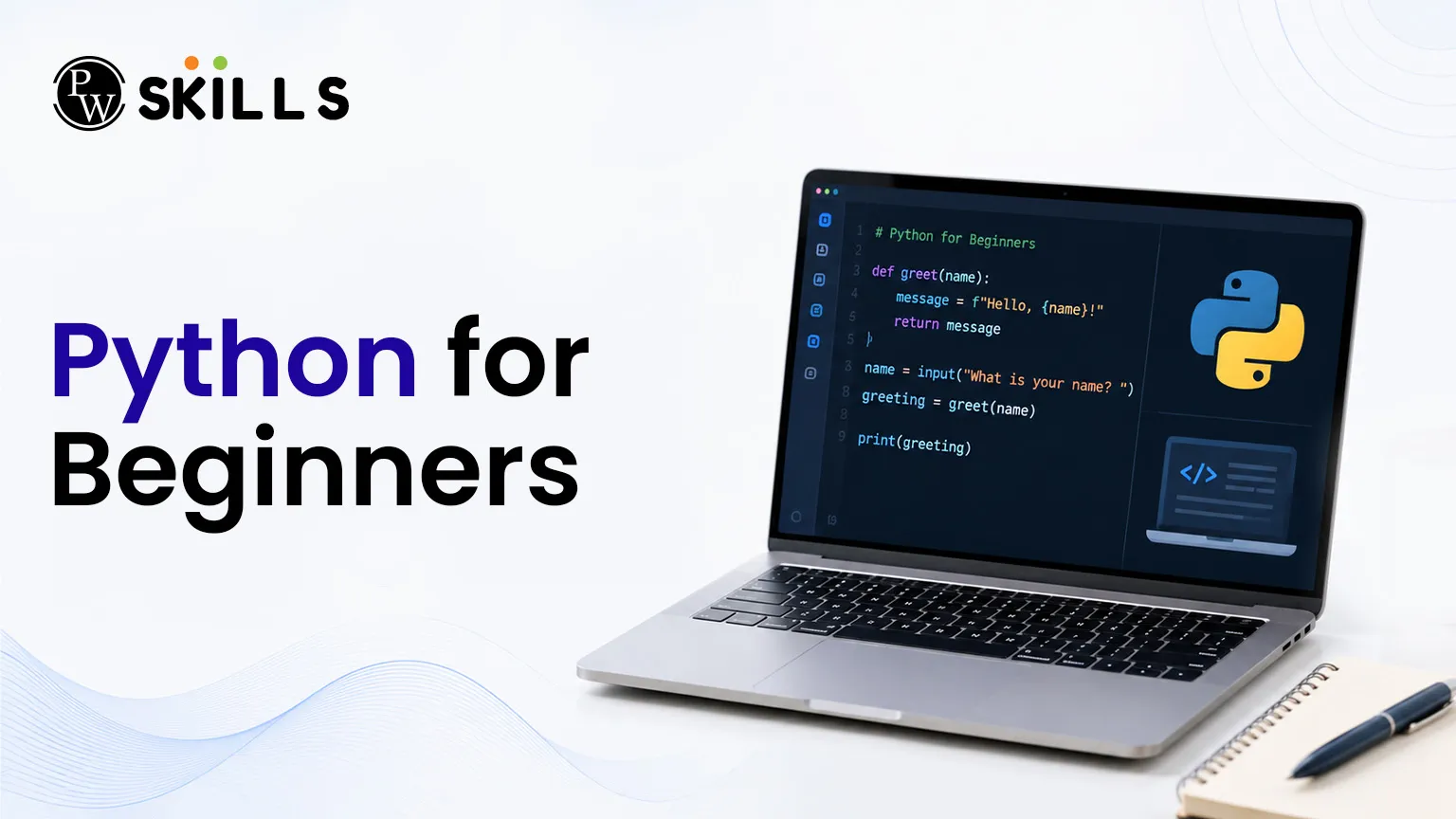
Starting your coding journey can feel overwhelming when faced with complex syntax and cryptic error messages. If you want to enter the technology sector, choosing the right first language is crucial for building long-term confidence.
Using Python for Beginners simplifies this entry point significantly because its structure mimics natural human language. This approach removes technical friction, allowing you to focus completely on understanding basic logic, data structures, and problem-solving without getting bogged down by complicated syntax rules.
What Is Python for Beginners?
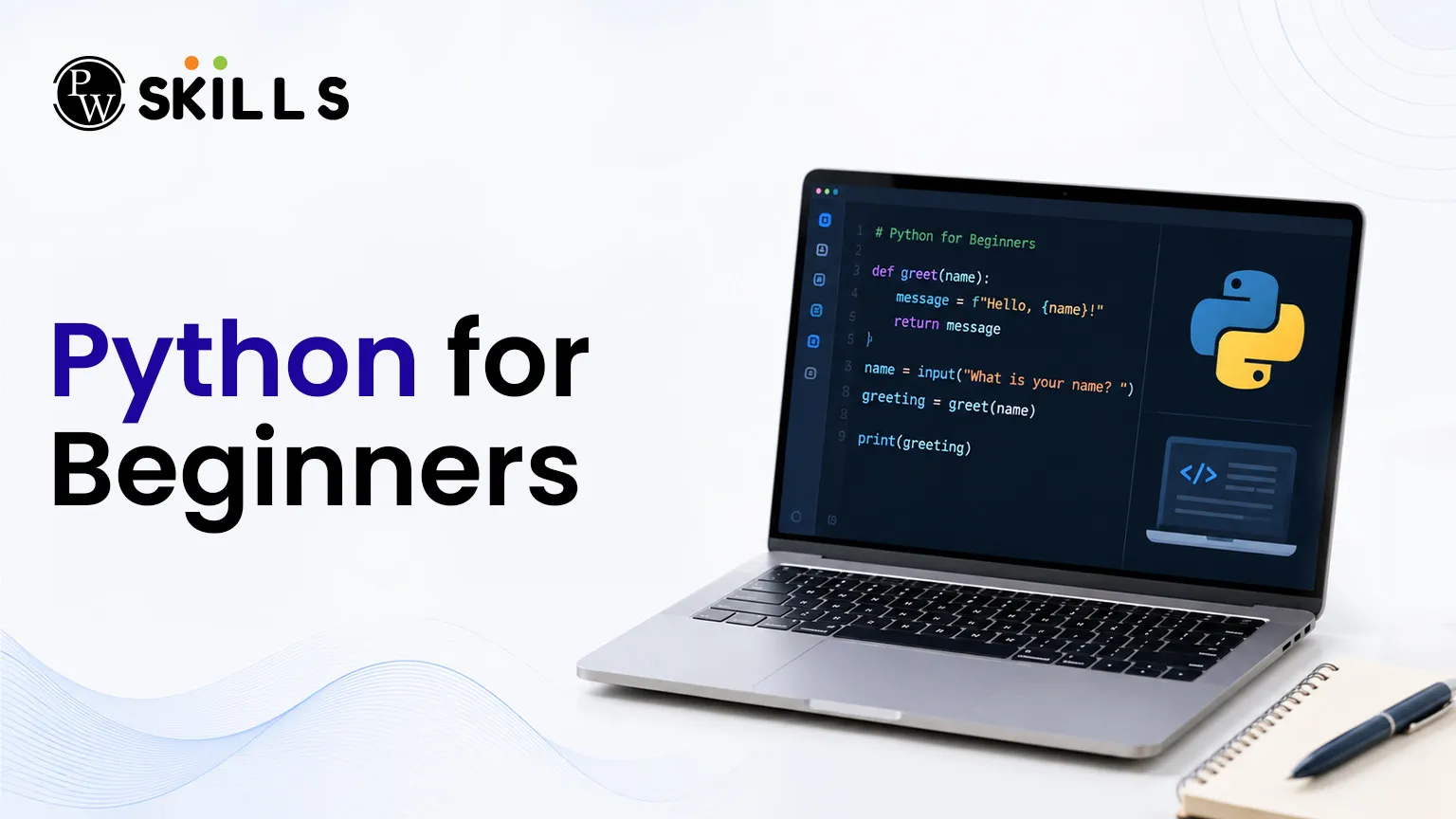
Python for Beginners represents an entry-level approach to learning software development using a language designed specifically for readability and simplicity. Created to be intuitive, it serves as an excellent beginner programming language because it strips away the structural complexity found in older languages like C++ or Java. Instead of memorising strict formatting setups and punctuation rules, new programmers can write clean, functional scripts almost immediately.
This educational path introduces you to fundamental computer science principles like loops, conditional statements, variables, and functions.
Because Python is highly integrated and versatile, learning it at the start of your journey opens direct pathways into web development, data analysis, machine learning, and automation. It serves as a universal toolkit that adapts seamlessly as your skill levels grow from writing basic scripts to engineering complex industrial applications.
Features of Python for Beginners
The architectural features of the language are what make Python for Beginners uniquely suited for those entering the technology domain for the first time.
|
Feature |
Description |
Benefit for Beginners |
|
Simple Syntax |
Uses clear English words instead of complex punctuation symbols. |
Reduces visual clutter and makes code easy to read. |
|
Dynamic Typing |
Variables do not require explicit type declarations before use. |
Saves time and simplifies data manipulation. |
|
Interpreted Nature |
Code is executed line by line, providing instant feedback. |
Makes debugging straightforward and interactive. |
|
Extensive Standard Library |
Built-in modules handle tasks like file I/O and internet networking. |
Eliminates the need to write complex base code. |
|
High Integration Ability |
Connects easily with existing languages, databases, and tools. |
Allows flexibility across diverse technical projects. |
Why Python for Beginners Is Easy to Learn?
The primary reason Python for Beginners remains the top recommendation globally is its lack of boilerplate code. In many traditional coding setups, writing a simple phrase requires setting up classes, arguments, and strict system methods. Python removes these barriers completely, enabling you to execute commands in just a single line of text.
Furthermore, Python relies heavily on clean spacing and indentation rather than curly brackets or semicolons to organise blocks of code. This design choice forces clean formatting habits naturally. When your code looks neat and reads like standard English, finding errors becomes a swift process, keeping your frustration levels low during early learning stages.
Read In Details: Python Introduction: Basics Of Python Programming
Benefits of Python for Beginners
Choosing to learn Python offers multiple distinct advantages that help new programmers build career-ready skills quickly.
-
Accelerated Learning Curve: The simplicity of the language means you spend less time debugging syntax errors and more time understanding how algorithms work.
-
Massive Job Market Demand: Tech sectors globally look for professionals skilled in Python for roles in automation, backend engineering, and data science.
-
Vast System of Resources: A massive ecosystem of pre-written code, libraries, and frameworks exists, which cuts down the amount of code you have to write from scratch.
-
Strong Foundation for Other Languages: Mastering logic through Python makes it vastly easier to pick up stricter languages later if your career requires it.
-
Rapid Prototyping Capabilities: You can design, test, and run your project ideas much faster than in alternative languages, making the development phase highly dynamic.
How Python for Beginners Simplifies Programming Concepts?
When you begin coding for beginners, abstract principles like loops, data structures, and algorithms can feel theoretical and confusing. Python translates these abstract ideas into highly practical, visual steps.
For instance, managing a collection of items in other software languages requires complex memory allocation and array size setups. Python simplifies this by using basic lists that can hold any data type and grow automatically. Because the language manages background memory tasks on its own, you can dedicate your mental energy entirely to perfecting logic, optimizing problem-solving abilities, and preparing for future technical challenges.
How to Start Learning Python for Beginners?
Embarking on your coding path requires a structured, step-by-step methodology to ensure your concepts remain clear and practical.
-
Set Up an Environment: Download the latest version of Python and use a straightforward integrated development environment (IDE) to write your scripts.
-
Master the Fundamentals: Focus deeply on understanding basic variables, input/output methods, data types, and conditional logic.
-
Build Structured Coding Habits: Practice writing code daily, ensuring you use proper indentation and helpful comments to explain your logic.
-
Work on Small Projects: Apply your knowledge by building basic calculators, text games, or automated file organizers to gain practical experience.
-
Utilise Community Forums: Join active developer networks and online discussion spaces to ask questions, share scripts, and resolve doubts.
Also Check: Java vs Python: Which Should You Learn First?
Common Mistakes to Avoid While Learning Python for Beginners
Even with an intuitive language, new learners frequently hit preventable roadblocks that stall their educational progress.
-
Inconsistent Indentation: Mixing spaces and tabs causes structural errors because Python relies on alignment to run code blocks correctly.
-
Rushing Past Basic Logic: Moving to advanced machine learning or web frameworks before mastering variables and loops creates major skill gaps.
-
Neglecting Hands-On Practice: Reading tutorials without manually typing out the code prevents your brain from building muscle memory.
-
Ignoring Error Messages: New learners often panic at error logs instead of reading the clear text descriptions Python provides to pinpoint the issue.
-
Overcomplicating the Code: Writing long, convoluted scripts when a simple, direct library function already exists to complete the task efficiently.



FAQs
Which programming language is best for an absolute newcomer?
Can I build real-world projects with Python for Beginners?
How much time does it take to learn Python properly?





Get Free Counselling Today
and Clear up all your Doubts
 Live & recorded classes available at easeDashboard for progress trackingLakhs of practice questions

