

2026 Hiring Outlook for Business Analyst (Finance): Reading Between the Job-Portal Numbers
 Hardik Gupta18 Sept, 2026
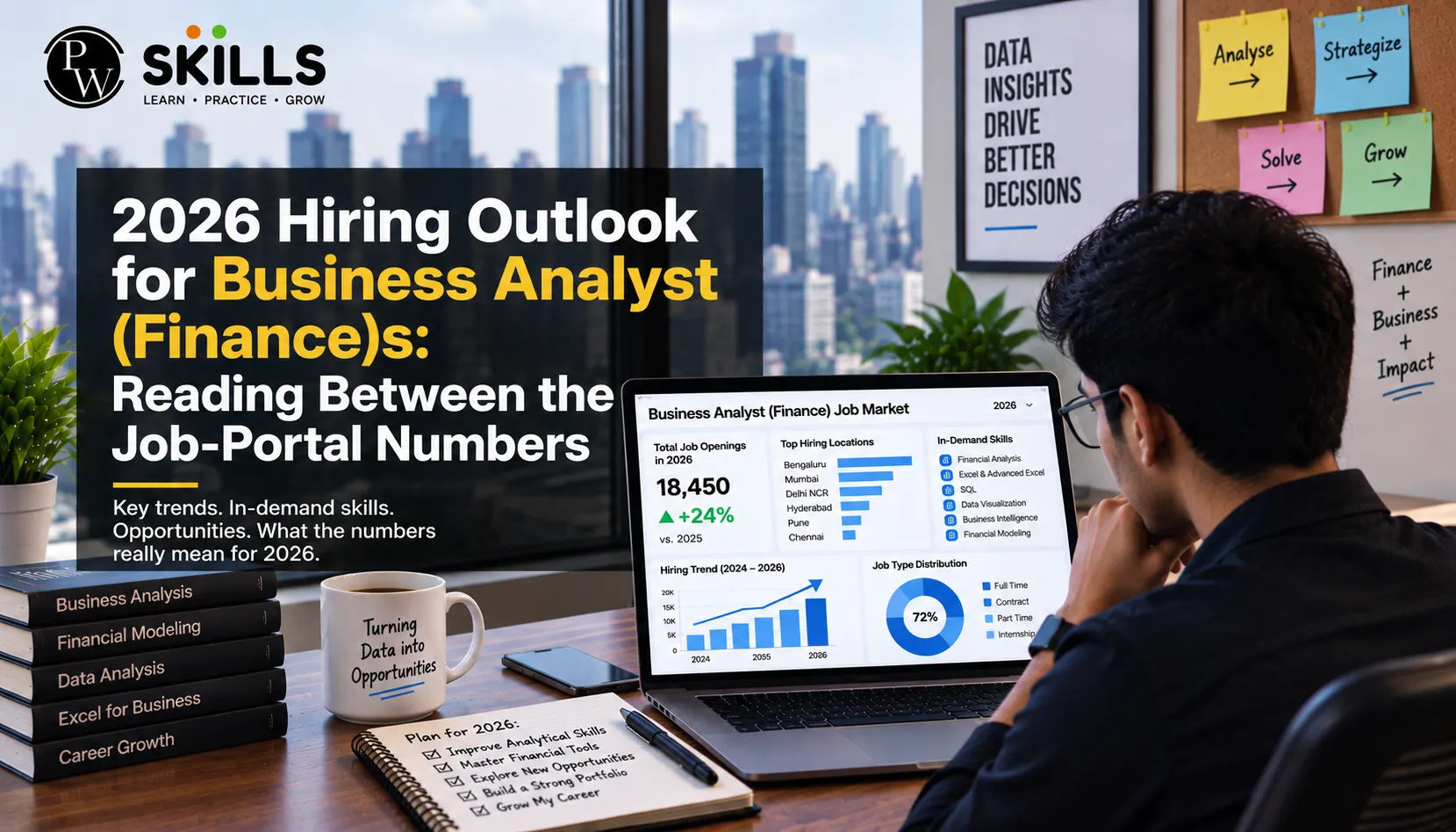
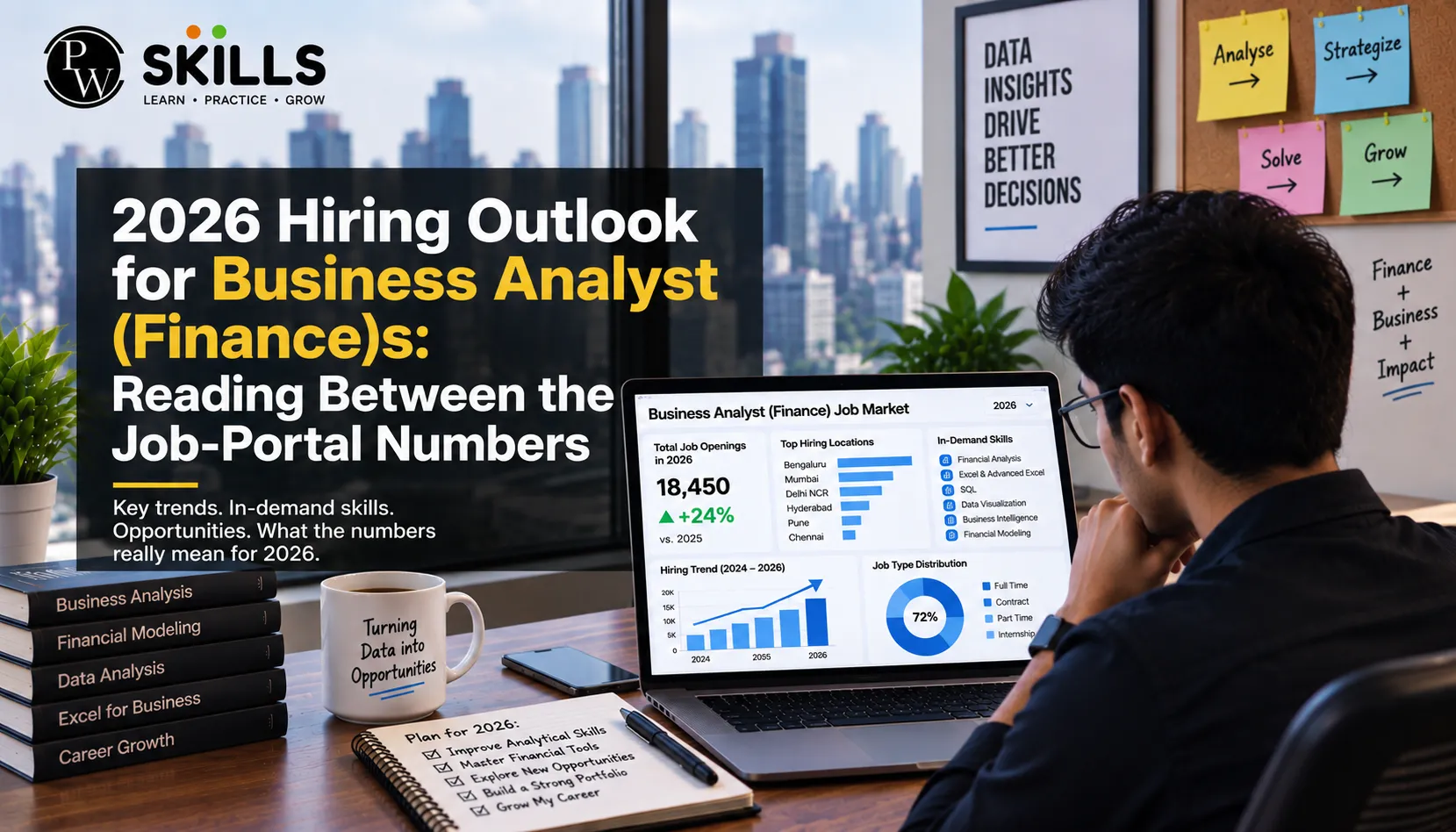
The financial sector is changing rapidly, and employers now want analysts with strong finance and AI skills. A Financial Modeling with AI Course helps bridge this skill gap by teaching predictive modeling, financial reporting automation, corporate valuation, and AI-based forecasting. It also helps professionals use modern tools to process financial data faster, improve analysis, and make better business decisions.
What is the Financial Modeling with AI Course?
The AI Financial Modeling course teaches learners how to build financial models using modern AI tools and techniques. It covers financial forecasting, valuation, Excel, Python, data analysis, and AI-based automation. The course helps finance professionals reduce manual work, improve financial analysis, and prepare for modern roles in corporate finance, valuation, and FP&A.
How Does a Financial Modeling with AI Course Match Finance Hiring Trends?
Job portal listings can be deceptive. While total job counts show steady demand for finance professionals, recruiters have tightened requirements for entry- and mid-level applicants. Standard financial modeling skills are now treated as a baseline rather than a competitive edge.
2026 Financial Hiring Evolution
|
Traditional Skills (Baseline Expectation) |
AI-Enhanced Skills (High-Value Hiring) |
|
Manual Spreadsheets |
Predictive AI Models |
|
Static Forecasting |
Dynamic Scenarios |
|
Basic Ratio Analysis |
Automated Insights |
Shift in Corporate Finance Requirements
Employers want professionals who understand both financial theory and practical technology. Modern roles demand automated scenario building, machine learning for forecasting, and rapid data cleanup.
Modern Skill Demands
-
Predictive Modeling: Moving from historical trend lines to dynamic algorithmic projections.
-
Automated Data Processing: Using AI scripts to clean raw market and internal accounting data.
-
Real-time Valuation: Generating dynamic DCF and LBO analyses that adapt to fluctuating market inputs.
How Does a Financial Modeling with AI Course Match PwC India Workforce Report Trends?
Insights from the PwC India Workforce Report highlight a clear trend: Indian professionals recognize that technical specialization is critical for career stability. The report emphasizes that upskilling in automation and digital tools directly impacts job security and earning potential.
|
Key Takeaway |
Details |
|
Upskilling Priority |
70%+ employees focus on acquiring specialized digital capabilities. |
|
Automation Impact |
Routine data entry is fully automated; strategic analysis takes priority. |
|
Compensation Link |
Specialized technical skills command higher pay premiums over generalist roles. |
For finance professionals, this means pure manual spreadsheet work is being replaced by intelligent workflows. Upskilling through targeted technical programs allows analysts to meet these changing expectations.
How Does a Financial Modeling with AI Course Prepare You for Valuation Analyst Jobs?
Recent developments highlighted in Financial Modeling with AI Course + Valuation Analyst Jobs News point to an increased demand for analysts who can conduct rapid business valuations under market volatility. Deal advisory teams, venture capital firms, and investment funds require faster, highly accurate outputs.
-
M&A Advisory: High reliance on automated valuation models for fast-tracked target evaluations.
-
Risk Management: Real-time stress testing of balance sheets using machine learning algorithms.
-
Private Equity: Rapid scenario planning across complex capital structures.
Candidates who demonstrate proficiency in modern toolkits stand out immediately during hiring processes.
What Skills Does a Financial Modeling with AI Course Cover?
A structured AI Financial Modeling course ensures mastery over both foundational finance and modern technical tools.
|
Area |
Key Skills |
|
Financial Theory |
DCF & LBO Models |
|
Financial Theory |
Ratio Analysis |
|
Financial Theory |
Statement Linkage |
|
AI Automation |
Machine Learning |
|
AI Automation |
Python Integration |
|
AI Automation |
Automated Scenarios |
Key Technical Competencies
-
Prompt Engineering for Finance: Crafting precise queries to analyze earnings reports, balance sheets, and market trends.
-
Python for Financial Analysis: Automating repetitive data collection, cleaning, and ratio calculations.
-
Dynamic Valuation Models: Constructing Discounted Cash Flow (DCF), Leveraged Buyout (LBO), and Comparable Company analyses powered by AI algorithms.
What Is the Career Path After a Financial Modeling with AI Course?
Completing an AI Financial Modeling course can open several career opportunities across corporate finance, consulting, investment management, and financial analysis. The combination of finance knowledge, financial modeling, and AI skills can help professionals take on modern finance roles and handle complex financial tasks more efficiently.
Primary Job Roles
-
Business Analyst (Finance): Analyzing business performance, improving internal financial processes, and tracking important financial and business metrics. Business analysts also use data to help companies make better financial decisions.
-
Valuation Analyst: Preparing detailed business and asset valuations for companies, investors, and advisory firms. These professionals use financial models and market data to estimate the value of businesses and investments.
-
FP&A Specialist: Supporting strategic budgeting, financial forecasting, revenue planning, and business performance analysis. FP&A specialists help management understand financial results and make better plans for future growth.
Why Choose a Financial Modeling with AI Course?
Enrolling in an AI Financial Modeling course provides the practical toolkit needed for modern corporate finance. This specialized training moves beyond static formulas to teach dynamic, automated analytical strategies.
|
Feature |
Traditional Modeling |
AI-Integrated Course |
|
Forecasting Speed |
Days / Hours |
Minutes |
|
Error Detection |
Manual Audit |
Automated AI Scans |
|
Scenario Planning |
Static Scenarios |
Dynamic Multi-Var |
|
Data Source Integration |
Manual Imports |
Automated Pipelines |
Core Benefits of the Course
-
Automated Spreadsheet Logic: Learn to build self-correcting models using prompt engineering and custom scripts.
-
Advanced Valuation Frameworks: Integrate machine learning to project revenue and expenses with higher precision.
-
Data Visualization: Create real-time dashboards for executive presentation.





FAQs
What is a Financial Modeling with AI Course?
How does a Financial Modeling with AI Course help in job searches?
Who should enroll in AI Financial Modeling course?
Are coding skills mandatory for AI Financial Modeling course?
What career roles open after a Financial Modeling with AI Course?







Get Free Counselling Today
and Clear up all your Doubts
 Live & recorded classes available at easeDashboard for progress trackingLakhs of practice questions


