

Predictive Modelling in Data Science: Types, Algorithms, Benefits, Challenges
Predictive modelling is a statistical process that uses data and algorithms to make predictions about future outcomes based on past information. READ here to explore predictive modelling in detail.
 Varun Saharawat30 Oct, 2025
What Is Predictive Modelling in Data Science?
Predictive modeling is a method used to forecast future outcomes by looking at past data. It works by creating a mathematical model that uses important information to predict results. Machine learning algorithms help to train these models and make them better over time. Predictive modeling is used in various industries to solve problems like spotting fraud, grouping customers, diagnosing diseases, and predicting stock prices. It helps people to make smarter decisions by using data to estimate what might happen next.Types of Predictive Modelling in Data Science
In the evolving world of data science, predictive modelling has diverse forms, each types of predictive modeling is specially crafted to tackle specific challenges within distinct datasets. Let us understand each type of predictive modelling with the help of the table given below:| Types Of Predictive Modeling | ||
| Types Of Model | Definition | Examples |
| Classification Models | Classification models categorize data into predefined classes or groups based on learned patterns from historical data. | In email filtering, a classification model can distinguish between spam and non-spam emails based on features like content, sender, and subject. |
| Regression Models | Regression models predict numerical values or quantities, making them essential for forecasting and trend analysis. | In finance, regression models can predict stock prices based on historical market data and relevant economic indicators. |
| Time Series Analysis | Time series analysis focuses on analyzing and predicting trends within temporal data, where the sequence of observations plays a crucial role. | Weather forecasting utilizes time series analysis to predict future temperatures, precipitation, and other meteorological parameters. |
| Clustering Models | Clustering models group data points based on similarities, providing insights into the inherent structure within the dataset. | Customer segmentation in marketing uses clustering to identify groups with similar purchasing behaviors for targeted campaigns. |
| Ensemble Models | Ensemble models combine predictions from multiple models to improve overall accuracy and robustness. | The Random Forest algorithm, an ensemble model, aggregates predictions from multiple decision trees to enhance the accuracy of classifications. |
| Association Rule Mining | Association rule mining identifies interesting relationships or associations among variables in large datasets. | In retail, it can reveal patterns like customers who buy product A are likely to buy product B as well. |
| Recommendation System | Recommendation systems predict and suggest items or actions that a user might be interested in based on historical behavior or preferences. | Streaming platforms use recommendation systems to suggest movies or music based on a user's viewing or listening history. |
| Natural Language Processing Models | NLP models process and analyze human language, making them crucial for sentiment analysis, language translation, and chatbot development. | Sentiment analysis models can predict whether a given text expresses a positive, negative, or neutral sentiment. |
Common Predictive Algorithms
Now, let us discuss some of the common ML algorithms on which predictive model works. Understanding these below written algorithm will help you to have greater understanding about the working of a predictive modeling: 1. Linear Regression: It is a fundamental algorithm predicting a dependent variable based on linear relationships with independent variables, it is widely used for straightforward predictive tasks.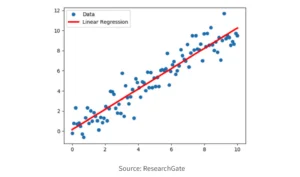 2. Decision Trees: Visualized as a tree-like graph, decision trees make decisions based on features at each node, valuable for its interpretability and ease of understanding.
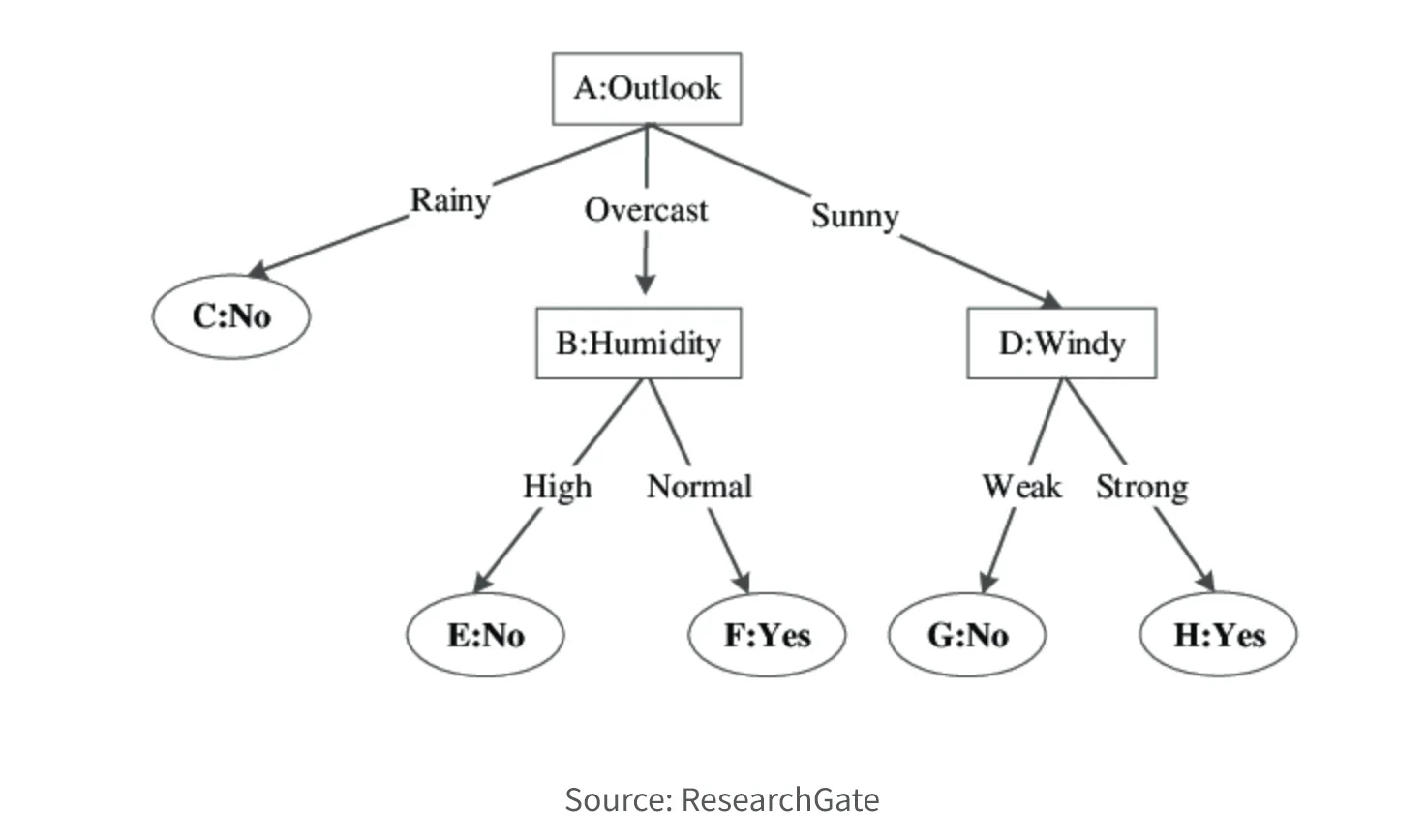 3. Random Forest: An ensemble method employing multiple decision trees, Random Forest mitigates overfitting and often yields superior predictive performance.
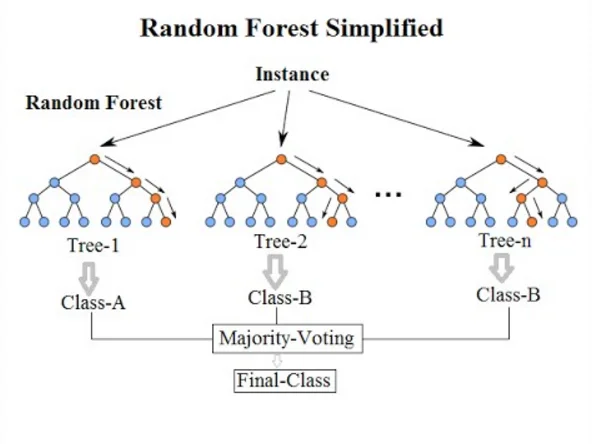 4. Support Vector Machines: This algorithm classifies data points by finding the optimal hyperplane, making it effective in high-dimensional spaces.
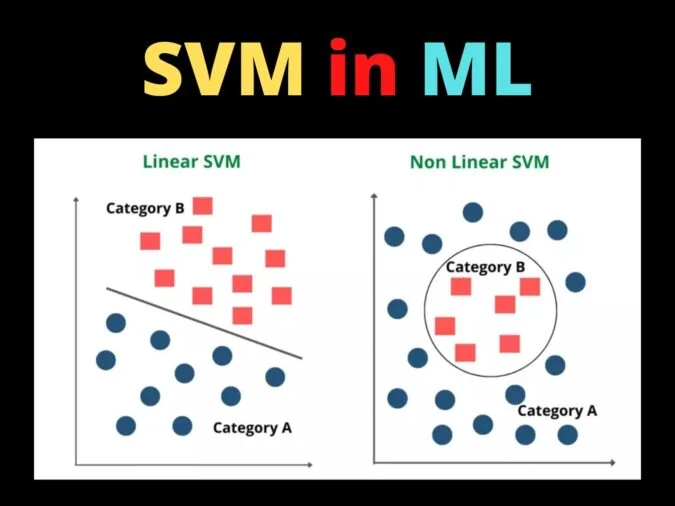 5. Neural Networks: Mimicking the human brain, neural networks excel at capturing intricate patterns and relationships within data, commonly employed in deep learning applications.
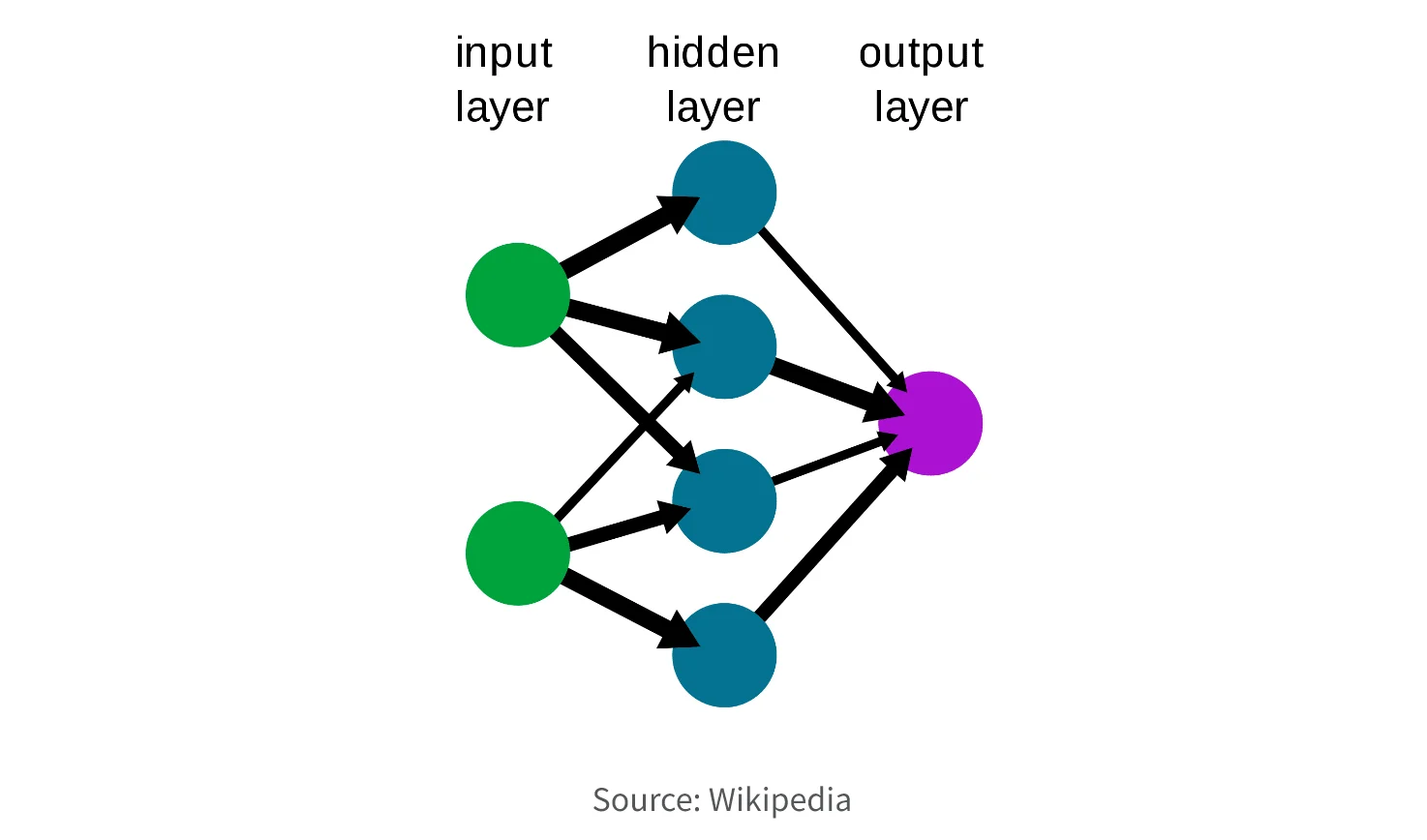
Predictive Modelling and Data Analytics
Predictive modelling is integral to the broader data analytics process. It thrives on effective data preprocessing, which involves cleaning and transforming raw data into a suitable format. Additionally, feature selection and engineering play crucial roles in enhancing model performance by identifying and incorporating relevant variables.Benefits of Predictive Modelling
Predictive modelling brings a multitude of advantages to the table, transforming the way organizations operate and make decisions. Let's delve deeper into these benefits: Precision in Decision-Making: Predictive modelling equips decision-makers with a powerful lens to scrutinize historical data and extract meaningful insights. This precision enables more accurate decision-making across various sectors, from marketing strategies to financial investments. Enhanced Business Optimization: Organizations can leverage predictive modelling to optimize their operations. By identifying inefficiencies and areas for improvement, businesses can streamline processes, allocate resources more effectively, and ultimately enhance overall efficiency. Proactive Risk Management: Critical to risk assessment and management, predictive models analyze historical data to identify potential risks. This enables organizations to proactively implement measures, ensuring a more resilient and secure business environment. Strategic Resource Allocation: An invaluable aspect of predictive modelling lies in its capacity to forecast future demands and trends. This foresight empowers organizations to strategically allocate resources, be it inventory, manpower, or financial investments. This prevents over- or underutilization, optimizing resource allocation. Personalized Customer Experiences: In sectors like retail and e-commerce, predictive modelling facilitates the creation of personalized customer experiences. Through the analysis of customer behavior and preferences, businesses can customize their offerings, marketing campaigns, and promotions to individual customers. This approach fosters loyalty and satisfaction. Improved Product Development: Predictive modelling extends its benefits to product development by forecasting market trends and consumer preferences. This insight aids in the creation of products that align closely with customer expectations, increasing the likelihood of success in the market. Efficient Marketing Strategies: Marketers harness predictive modelling to refine their strategies. By understanding customer behavior and predicting responses to different marketing approaches, businesses can optimize their advertising spend, target specific demographics, and tailor campaigns for maximum impact. Optimized Supply Chain Management: In industries with complex supply chains, predictive modelling can be instrumental in optimizing logistics and inventory management. By predicting demand fluctuations and potential disruptions, organizations can prevent stockouts, minimize excess inventory, and enhance overall supply chain efficiency. Increased Competitive Advantage: Organizations that effectively leverage predictive modelling gain a competitive edge. Whether it's anticipating market trends, adapting to consumer preferences, or optimizing operations, being ahead of the curve positions businesses as industry leaders. Innovative Productivity Improvements: Predictive modelling opens avenues for innovative productivity improvements. By analyzing historical performance data and predicting bottlenecks or inefficiencies, organizations can implement targeted improvements, enhancing overall productivity and performance. Strategic Financial Planning: Financial institutions benefit significantly from predictive modelling in areas such as credit scoring, fraud detection, and investment predictions. This allows for more informed and strategic financial planning, reducing risks and optimizing financial decision-making. Better Human Resource Management: In the realm of human resources, predictive modelling aids in talent acquisition, employee retention, and workforce planning. By analyzing historical data on employee performance, organizations can make data-driven decisions to build and retain a high-performing team. Also Read: Predictive Analytics Examples: Real World Applications and InsightsChallenges of Predictive Modelling
Predictive modelling, despite its transformative capabilities, is not without its set of challenges. These challenges, inherent to the complexity of data and the intricacies of modelling algorithms, often pose hurdles that demand careful consideration and strategic mitigation. Data Quality and Availability: Predictive models are only as good as the data they are trained on. Inaccuracies, missing values, or incomplete datasets can significantly impact the accuracy and reliability of predictions. Ensuring data quality and effective data management is a perpetual challenge, requiring comprehensive data cleaning, preprocessing, and, at times, the integration of external data sources. Overfitting and Underfitting: Striking the right balance between a model that fits the training data well and one that generalises effectively to new, unseen data is a delicate challenge. Overfitting occurs when a model captures noise or random fluctuations in the training data, making it less effective with new data. Conversely, underfitting results in a model that is too simplistic and fails to capture essential patterns. Techniques such as regularisation and careful model selection are employed to mitigate these issues. Model Interpretability: As predictive models become more sophisticated, their inner workings can become increasingly complex and challenging to interpret. This lack of interpretability is a significant concern in applications where transparency is crucial, such as in healthcare or finance. Striking a balance between model accuracy and interpretability is an ongoing challenge, with efforts focused on developing models that are not "black boxes" but can still provide actionable insights. Ethical Considerations: Predictive modelling, especially in areas like hiring, criminal justice, or lending, raises ethical concerns related to bias and fairness. Biases present in historical data may be perpetuated by models, leading to unjust outcomes. Ensuring fairness and ethical use of predictive models requires continuous scrutiny, transparency, and the development of methods to identify and rectify biased predictions. Model Validation and Testing: Evaluating the performance of a predictive model is a multifaceted challenge. Ensuring that a model generalises well to new, unseen data involves rigorous validation and testing. Cross-validation techniques, where the dataset is split into training and testing subsets, help assess model performance. However, choosing appropriate evaluation metrics and dealing with imbalanced datasets pose additional challenges in accurately gauging model effectiveness. Handling Big Data: With the explosion of data in the digital age, predictive modelling faces challenges in the data handling of large volumes of information efficiently. Traditional modelling approaches may struggle to scale, necessitating the development of algorithms and techniques that can effectively handle big data, such as distributed computing frameworks and parallel processing. Dynamic and Evolving Data: Predictive models are often trained on historical data, but real-world scenarios are dynamic and constantly evolving. Changes in underlying patterns or sudden shifts in data distribution can impact a model's performance. Building models that can adapt to changes over time and remain relevant in dynamic environments is an ongoing challenge in predictive modelling. Resource Intensiveness: Training complex predictive models can be computationally intensive and may require significant computational resources. This poses challenges, particularly for smaller organisations or those with limited computing capabilities. Striking a balance between model complexity and computational efficiency is crucial for widespread adoption. Feature Engineering: The process of selecting and transforming features (variables) to improve model performance is both an art and a science. Identifying the most relevant features from a myriad of possibilities and creating new features that enhance predictive power requires domain expertise and a deep understanding of the data. Effective feature engineering is critical for building accurate and robust predictive models. Model Deployment and Integration: Moving a predictive model from development to real-world use poses challenges. Integrating it into existing systems, ensuring scalability, and addressing deployment issues demand careful planning and collaboration between data scientists and IT experts.The Future of Predictive Modelling
As technology advances, the future of predictive modelling looks promising. Ongoing advancements in algorithm development, coupled with the integration of predictive modelling with artificial intelligence, open new frontiers. Increasing awareness of ethical and regulatory considerations will likely shape the trajectory of predictive modelling in the coming years.Predictive Modelling in Data Science Examples
1. Healthcare Predictive Modelling: Healthcare providers leverage predictive modelling to forecast patient outcomes, optimise treatment plans, and enhance resource allocation. For instance, predictive models can be employed to anticipate disease progression, identify patients at high risk of readmission, or predict the likelihood of complications during surgery. This not only improves patient care but also contributes to the efficient allocation of medical resources. 2. Financial Forecasting: In the financial sector, predictive modelling plays a pivotal role in anticipating market trends, stock prices, and potential risks. Investors and financial institutions utilise predictive models to make informed decisions about portfolio management, investment strategies, and risk mitigation. By analysing historical market data, these models provide insights into future financial scenarios, empowering stakeholders to navigate the complexities of the financial landscape. 3. Customer Churn Prediction: Businesses in various industries, particularly telecommunications, subscription services, and e-commerce, use predictive modelling to identify customers at risk of churn. By analysing customer behaviour, transaction history, and engagement patterns, predictive models can forecast the likelihood of a customer discontinuing their relationship with a company. Armed with this information, businesses can implement targeted retention strategies, such as personalised offers or enhanced customer support, to mitigate churn and foster customer loyalty. 4. Fraud Detection: In the realm of cybersecurity and financial transactions, predictive modelling is employed to detect and prevent fraudulent activities. Predictive models analyse transaction patterns, user behaviour, and historical data to identify anomalies indicative of potential fraud. By flagging suspicious activities in real-time, these models empower organisations to take immediate action, preventing financial losses and safeguarding the integrity of digital transactions. 6. Demand Forecasting in Retail: Retailers leverage predictive modelling to anticipate consumer demand for products. By analysing historical sales data, seasonal trends, and external factors (such as promotions or economic indicators), retailers can optimize inventory management, minimize stockouts, and reduce overstock situations. This ensures that products are available when customers want them, contributing to customer satisfaction and operational efficiency. 7. Energy Consumption Prediction: Predictive modelling is applied in energy management to forecast and optimise energy consumption. Utilities use these models to predict peak demand periods, enabling efficient allocation of energy resources and preventing overloads. Additionally, businesses and households can benefit from predictive models that provide insights into future energy consumption patterns, allowing them to adjust usage and optimise costs. 8. Weather Forecasting: Meteorological agencies employ predictive modelling to forecast weather conditions. These models analyse historical weather data, atmospheric conditions, and satellite imagery to predict future weather patterns. Accurate weather predictions are crucial for a range of sectors, including agriculture, transportation, and disaster preparedness, enabling stakeholders to plan and respond effectively to changing weather conditions. 9. HR Analytics for Talent Management: In human resources, predictive modelling aids in talent management and workforce planning. By analysing employee data, performance metrics, and historical trends, organisations can predict employee turnover, identify high-potential candidates, and optimise recruitment strategies. This proactive approach to workforce management enhances organisational stability and promotes a strategic approach to human resource planning. 10. Educational Analytics for Student Success: Educational institutions use predictive modelling to enhance student success by analysing academic performance, engagement metrics, and demographic data. These models can predict students at risk of academic challenges or dropping out, allowing educators to intervene with targeted support and resources. This personalised approach contributes to improved student outcomes and retention rates. 11. Supply Chain Optimization: In supply chain management, predictive modelling aids in optimising logistics and inventory management. By analysing historical data, transportation patterns, and market trends, organisations can forecast demand, streamline supply chain processes, and minimise disruptions. This ensures timely delivery of goods, reduces operational costs, and enhances overall supply chain efficiency.Predictive Modelling Techniques
- Cross-Validation: A technique for assessing model performance by partitioning data into training and testing sets, helping to evaluate how well the model generalises to new data.
- Hyperparameter Tuning: The optimization of model parameters to achieve improved accuracy, essential for fine-tuning models.
- Model Evaluation Metrics: Metrics such as accuracy, precision, recall, and F1 score provide quantitative measures for evaluating how well a predictive model performs.
Predictive Model in Machine Learning
- Role of Predictive Models in Machine Learning: Predictive models serve as the backbone for making predictions in various machine learning applications, driving automation and efficiency.
- Relationship with Descriptive and Prescriptive Models: Descriptive models summarise historical data, predictive models make predictions based on historical data, and prescriptive models provide recommendations on what actions to take based on those predictions.
Conclusion
In this ever-evolving landscape of data science, predictive modelling emerges as a beacon of insight, navigating the complexities of a data-driven world. As we journey through the intricacies of types, algorithms, benefits, challenges, and limitations, we gain a comprehensive understanding of its role in shaping industries and driving innovation. With an eye on the future, predictive modelling promises to continue unravelling the mysteries within our data, offering solutions to some of the most pressing challenges across diverse domains. Embracing this evolution, we embark on a data-driven future where predictive modelling remains at the forefront of transformative decision-making. The demand for data scientists is skyrocketing, and the PW Skills Full Stack Data Science Pro course can help you prepare for this in-demand field. Our job assurance program guarantees interview opportunities with top companies, so you can be confident that you'll land your dream job.



🔥 Trending Blogs
Predictive Modeling FAQs
How do predictive models handle uncertainties in their predictions?
Predictive models inherently deal with uncertainties by providing probabilities rather than certainties. These probabilities offer insights into the likelihood of different outcomes, allowing decision-makers to gauge the level of confidence associated with each prediction.
What steps can organisations take to address ethical considerations in predictive modelling?
Ethical considerations in predictive modelling, especially in sensitive areas like hiring or criminal justice, require careful attention. Organisations can implement fairness-aware algorithms, regularly audit and update models to mitigate biases, and ensure transparent communication about the ethical implications of their predictive modelling practices.
How do businesses ensure the interpretability of complex predictive models, such as neural networks?
The interpretability of complex models like neural networks can be challenging. To address this, businesses can employ model-agnostic interpretability techniques, use simpler models in conjunction with complex ones, and provide clear documentation on how the model arrives at its decisions.
Can predictive modelling be applied to small datasets with limited historical information?
While predictive modelling thrives on abundant and high-quality data, it can still be applied to small datasets with certain considerations. Techniques such as feature engineering, regularisation, and careful model selection become crucial in such scenarios.
How can businesses leverage predictive modelling for strategic resource allocation?
Predictive modelling aids businesses in strategic resource allocation by forecasting future demands based on historical patterns. Organisations can use these predictions to optimise the allocation of resources, whether it's workforce planning, inventory management, or budget allocation.


Talk to a counsellorHave doubts? Our support team will be happy to assist you!



Get Free Counselling Today
and Clear up all your Doubts
Talk to Our Counsellor just by filling out the form.
Join 15 Million students on the app today!
 Live & recorded classes available at easeDashboard for progress trackingLakhs of practice questions

