

Social Signals and SEO Impact
 Study Abroad27 May, 2026
Growing a digital presence often feels like shouting into a void. You publish high-quality content, yet organic rankings remain stagnant. This common struggle happens because search engines look for external validation to trust your site.
Understanding social signals is the solution to this visibility gap. By generating consistent engagement across social platforms, you create a digital footprint that signals to search engines that your content is valuable.
This article explores how these interactions bridge the gap between social media activity and search engine success.
What Are Social Signals?
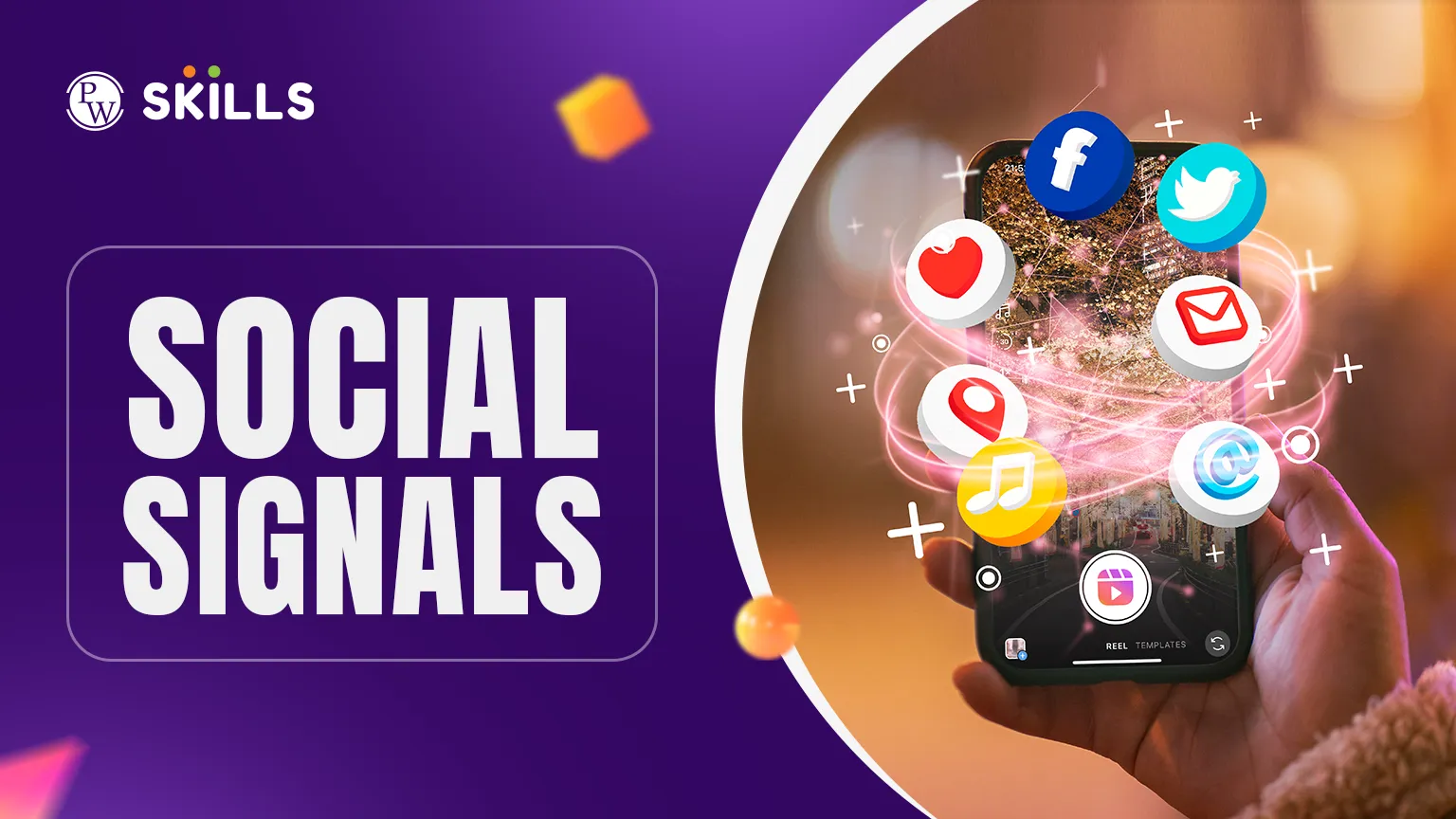
In the world of digital marketing, social signals are the metrics that reflect how people interact with your content on social media platforms. Think of them as a "digital thumbs-up" from the internet community. When users engage with your links, they send data to search engines regarding the relevance and popularity of your URL.
Common social signals examples include:
-
Shares and retweets that spread your link to new audiences.
-
Likes, hearts, and reactions on posts containing your website link.
-
Pins on Pinterest that categorise your visual content.
-
Comments and discussions triggered by your shared articles.
-
Votes on community-based platforms like Reddit or Quora.
While Google has stated that these are not direct "ranking signals" in the same way backlinks are, their correlation with high-ranking pages is undeniable. High engagement usually leads to more eyes on your content, which naturally results in more natural backlinks and a longer time spent on your site.
How Social Signals Help SEO
The relationship between social media and search engines is symbiotic. Even if a "Like" doesn't directly move you from position five to position one, the social signals impact on SEO is felt through secondary effects. When a post goes viral, it generates a massive spike in traffic. Search engines notice this influx of visitors and may perceive the content as trending or highly relevant.
Increased visibility also leads to better "link-earning" opportunities. Bloggers and journalists are more likely to find and link to your content if it is circulating heavily on social media. These high-quality backlinks are direct ranking factors. Therefore, social activity acts as a catalyst for traditional SEO success.
How to Build a Social Signals Strategy
To harness the power of social media for your website, you need a structured social signals strategy. Simply posting a link once a week is rarely enough to move the needle. Your approach should focus on shareability and user participation.
Key components of an effective strategy:
-
Consistent Posting: Maintain a regular schedule to keep your brand visible.
-
Interactive Content: Use polls, questions, and quizzes to encourage comments and shares.
-
Visual Appeal: Use high-quality images and videos, as these receive significantly higher engagement than plain text.
-
Social Sharing Buttons: Make it incredibly easy for website visitors to share your content by placing "click-to-share" icons on every blog post.
Effective strategies also involve "social listening." By monitoring what your audience talks about, you can create content that addresses their specific pain points, leading to higher engagement rates and stronger signals.
Best Tools to Track Social Signals
Tracking your progress is vital to understand which platforms are driving the most value. Using social signals tools helps you quantify engagement and identify which pieces of content are worth promoting further. These tools provide insights into share counts, mentions, and the overall reach of your URLs.
The following table highlights common categories of tools used to monitor social impact:
|
Tool Category |
Purpose |
Key Metric Tracked |
|
Analytics Platforms |
Measuring referral traffic to your site. |
Bounce rate and session duration. |
|
Social Listeners |
Tracking brand mentions across the web. |
Sentiment and share of voice. |
|
Sharing Plugins |
Tracking how many times a page was shared. |
Total share count per platform. |
|
Trend Trackers |
Identifying viral topics in your niche. |
Viral velocity and engagement potential. |
By integrating these tools into your workflow, you can move away from guesswork and focus on data-driven content distribution.
Benefits of Social Signals
Investing time in social engagement offers rewards that go beyond simple metrics. The social signals benefits extend into brand building and long-term search sustainability. When people see your content shared by influencers or peers, it builds a level of trust that a cold search result cannot replicate.
-
Improved Brand Awareness: Constant social presence makes your brand a household name in your niche.
-
Faster Indexing: Search engine crawlers often find new content faster when it is being shared rapidly on social platforms.
-
Lower Bounce Rates: Social media allows you to find a targeted audience that is genuinely interested in your topic, meaning they stay on your site longer.
-
Enhanced Authority: High share counts act as social proof, encouraging new visitors to trust your information.
How to Start with Social Signals
If you are new to this concept, follow this social signals guide to start improving your online presence today. The goal is to create a loop where your website feeds your social media, and your social media feeds your website.
-
Step 1: Audit Your Content. Look for your most helpful articles that solve a specific problem.
-
Step 2: Optimise for Social. Ensure your Open Graph tags are set so that when you share a link, it displays a beautiful image and a compelling title.
-
Step 3: Engage with Influencers. Don't just tag them; engage with their content genuinely so they are more likely to share yours.
-
Step 4: Use Paid Promotion. Sometimes a small "boost" on a post can kickstart organic sharing, leading to a surge in signals.
-
Step 5: Monitor and Adjust. Use your analytics to see which social platforms result in the highest "time on page" and double down on those.
Remember that the quality of the signal matters more than the quantity. A hundred shares from real, active users in your industry are worth more than thousands of "bot" likes that provide no real engagement.
Tips for Social Signals
In the current landscape, social signals in seo are becoming more nuanced. Search engines are getting better at identifying "fake" engagement. To stay ahead, focus on building a community rather than just a following. Encourage your employees to share company updates and participate in LinkedIn or industry-specific groups.
Another tactic is "Content Repurposing." Take a long-form blog post and turn it into ten short social media "nuggets." Each snippet can link back to the main article, creating multiple opportunities for social interaction and diverse traffic sources. This multi-channel approach ensures that your content remains visible across different user behaviours.






FAQs
Does social media directly affect Google rankings?
What are the most important social signals?
How can I increase social signals for my blog?
Are social signals tools necessary for small businesses?
Can social signals help with local SEO?





Get Free Counselling Today
and Clear up all your Doubts
 Live & recorded classes available at easeDashboard for progress trackingLakhs of practice questions

