

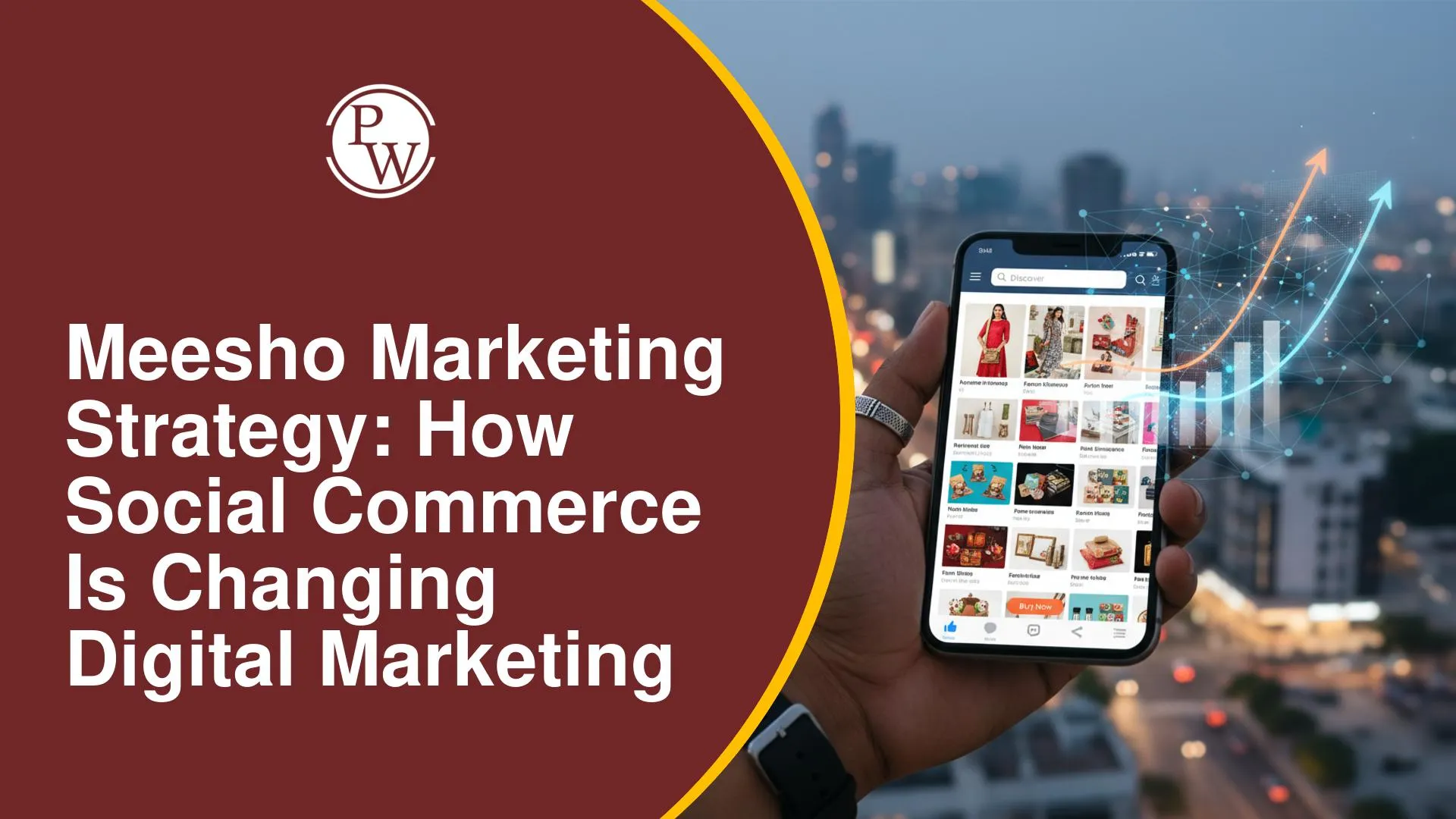
Meesho Marketing Strategy: How Social Commerce Is Changing Digital Marketing
 Hardik Gupta31 Aug, 2026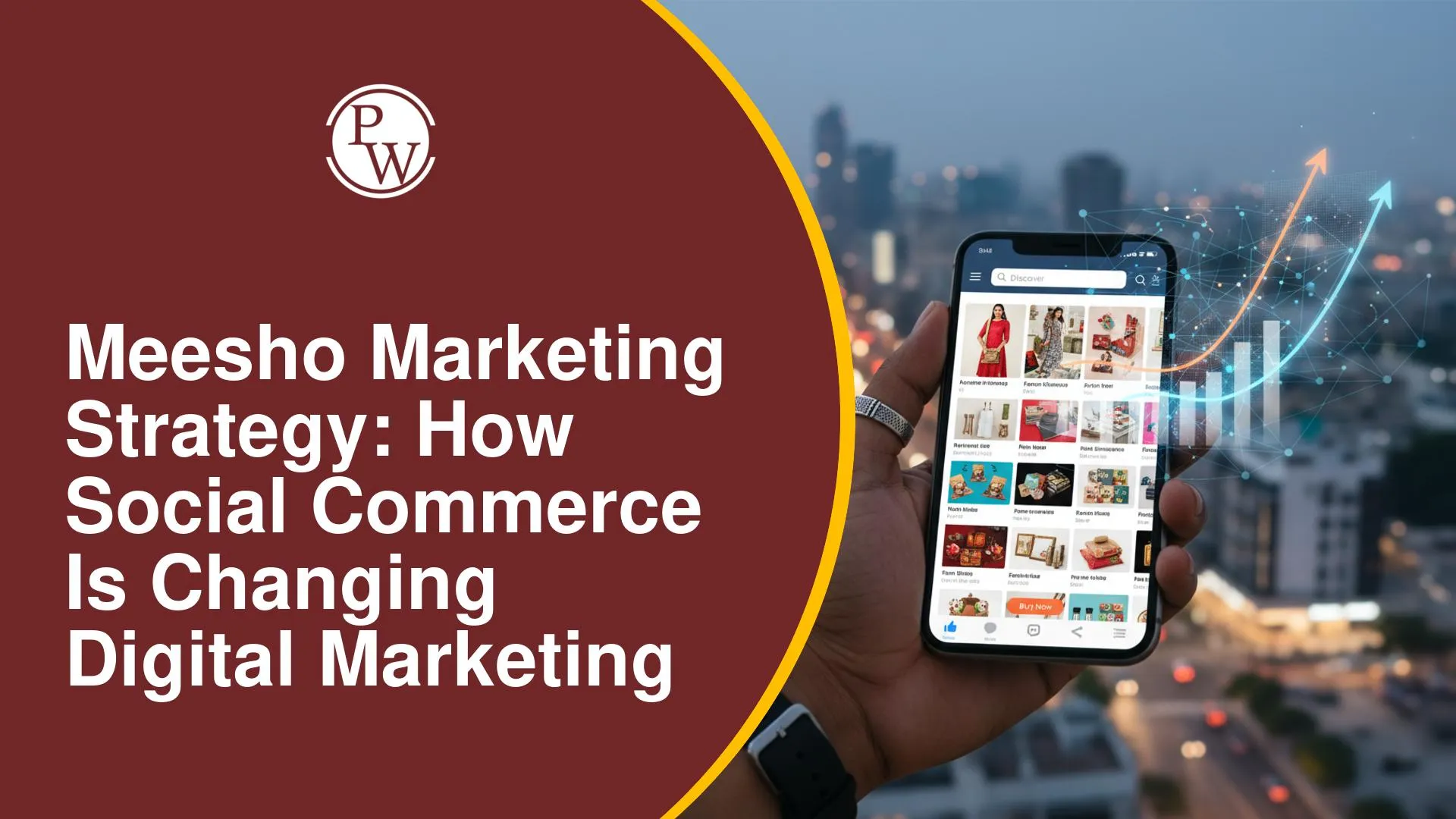
Understanding how emerging platforms dominate competitive markets can be challenging for traditional businesses and modern marketers alike. As conventional e-commerce marketing costs rise, brands struggle to reach price-sensitive consumers in smaller towns.
Meesho solved this problem by combining social networking with online shopping, creating a unique framework that redefined user acquisition in India. This article breaks down the core elements of the Meesho marketing strategy and explores how social commerce is shaping the future of digital marketing.
What Is the Meesho Marketing Strategy?
The marketing strategy is a hyper-local, community-driven framework focused on social commerce, zero-commission seller models, and tier-2+ market penetration. Unlike traditional e-commerce platforms that rely heavily on direct paid search, Meesho turned everyday social media users into resellers and affiliate distribution nodes.
|
Stage |
Key Participants |
Main Activity |
|
1. Suppliers / Manufacturers |
Suppliers & Manufacturers |
List Unbranded, High-Value Products at Wholesale Rates |
|
2. Resellers & Micro-Entrepreneurs |
Homemakers, Students & Small Sellers |
Curate Products and Add Custom Profit Margins |
|
3. Social Sharing Network |
WhatsApp, Facebook & Instagram |
Share Products Through Peer Recommendations and Build Trust |
|
4. End Consumers |
Tier-2, Tier-3 & Rural Buyers |
Purchase Products Through Local Trust Networks with Flexible Payment Options |
-
Social Reselling Model: Empowers homemakers and students to launch online businesses with zero investment by sharing products via WhatsApp and Facebook.
-
Zero-Percent Commission Rate: Attracts small manufacturers and regional suppliers by waiving seller platform fees, allowing competitive pricing.
-
Hyper-Local Language Customization: Provides multi-language app interfaces to reduce onboarding friction for non-English-speaking consumers.
-
Regional Logistics Integration: Partners with third-party logistics (3PL) providers to facilitate cash-on-delivery across distant pin codes.
What are the Main Pillars of Meesho Marketing Strategy?
To appreciate how Meesho transformed the e-commerce market, it helps to examine the specific tactical pillars behind its operations.
MEESHO GROWTH PILLARS
|
Growth Pillar |
Key Focus |
|
Low-Cost Acquisition |
Acquire Customers Through Cost-Effective Marketing |
|
Tier-2/3 Focus |
Target Customers in Tier-2 and Tier-3 Markets |
|
Reseller Power |
Use Resellers to Expand Product Reach and Sales |
|
Content & Campaigns |
Drive Engagement Through Content and Marketing Campaigns |
1. Organic Customer Acquisition via Micro-Entrepreneurs
Traditional customer acquisition strategies often depend on expensive digital ad campaigns. Meesho minimized user acquisition costs by leveraging its reseller network. Resellers share product links directly with their social circles, turning personal relationships into sales channels and organic acquisition loops.
2. Targeting Tier-2 and Tier-3 Indian Markets
While platforms like Amazon and Flipkart historically targeted urban demographics, Meesho targeted smaller towns. Millions of users in these regions were first-time online shoppers. Meesho built instant credibility by letting local resellers handle product discovery and ordering.
3. Leveraged Zero Commission for Price Competitiveness
By removing platform commissions for sellers, supplier costs decreased. Small manufacturers listed products at wholesale prices, giving end consumers lower prices without sacrificing supplier margins.
4. Engaging Content and Influencer Marketing
Meesho combined user-generated content with targeted social media advertising. Campaigns like "Sahi Sahi Sahi Hai" highlighted affordability, variety, and accessibility, building strong brand awareness across vernacular markets.
Also Explore Our Course : Digital Marketing with AI Course
What is Meesho Marketing Strategy for Social Commerce?
Social commerce blends online shopping directly into social media networks. Rather than directing users to external websites through ads, it enables users to discover, evaluate, and purchase items within social apps or trust-based channels.
|
Marketing Dimension |
Traditional E-Commerce Marketing |
Social Commerce (Meesho Model) |
|
Primary Channel |
Search engine ads, desktop websites, native app ads |
WhatsApp, Facebook groups, Instagram, community chat |
|
Trust Factor |
Brand reputation, celebrity endorsements, reviews |
Peer recommendations, direct personal relationships |
|
Target Audience |
Urban, high-income, digitally savvy buyers |
Tier-2, Tier-3, semi-urban, price-sensitive consumers |
|
Customer Acquisition |
High cost-per-click (CPC) paid ad campaigns |
Organic word-of-mouth, reseller network loops |
|
Monetization Structure |
Platform commissions on sales (10% to 25%) |
Zero commission, logistics margins, ad services |
What is Meesho Marketing Strategy for Digital Customer Acquisition?
Customer acquisition remains a challenging aspect of modern e-commerce. Meesho solved this by replacing traditional sales funnels with social networks and localized digital channels.
TRADITIONAL VS SOCIAL COMMERCE FUNNEL
|
Funnel Type |
Customer Journey |
|
Traditional Funnel |
Paid Ad → Landing Page → Add to Cart → Checkout → High Drop-Off |
|
Meesho Social Funnel |
Reseller Share → Trusted Chat → Vernacular App → COD Delivery |
Acquisition Costs Through Social Sharing
Standard Facebook and Google ads can lead to high Cost Per Acquisition (CPA) figures. Meesho incentivized resellers through margins and bonuses, converting marketing spend into direct sales rewards.
Vernacular and Regional Digital Marketing
Language barriers often hinder digital adoption. Meesho offered app support in multiple Indian languages, including Hindi, Bengali, Tamil, Telugu, and Marathi. Localized messaging improved ad conversions and increased customer trust.
Push Notifications and In-App Gamification
Meesho keeps users engaged through gamified app experiences. Features like daily spin-the-wheel rewards, scratch cards, and personalized push notifications encourage regular app usage and higher repeat orders.
What is Meesho Marketing Strategy Using AI and Analytics?
Data analytics and AI play an essential role in running scalable social commerce operations. Building high-performing campaigns requires mastering these tools to analyze customer behavior and optimize conversion funnels.
To build these skills, practical training can make a significant difference. The course offers hands-on experience with over 25 industry AI tools. Designed by experienced industry professionals, this course helps learners master integrated growth planning, performance analytics, SEO, and full-funnel strategy execution.
Key elements of a modern, data-driven strategy include:
-
Predictive Personalisation: Recommending tailored products to users based on local buying trends and search history.
-
Automated Ad Management: Using AI algorithms to optimize budget distribution and bid strategies across social platforms.
-
Funnel Analytics: Tracking metrics like Customer Acquisition Cost (CAC) and Return on Ad Spend (ROAS) using advanced dashboards.
-
Conversion Rate Optimisation (CRO): Running structured A/B tests on landing pages, product images, and checkout workflows.





FAQs
What is the core foundation of the Meesho marketing strategy?
How does Meesho keep its customer acquisition cost low?
Why is social commerce important in modern digital marketing strategy?
How does Meesho compete with traditional e-commerce marketing platforms?
What digital marketing skills are needed to build a brand like Meesho?






Get Free Counselling Today
and Clear up all your Doubts
 Live & recorded classes available at easeDashboard for progress trackingLakhs of practice questions

