

Live Streaming Strategy for Brands
 Varun Saharawat26 May, 2026
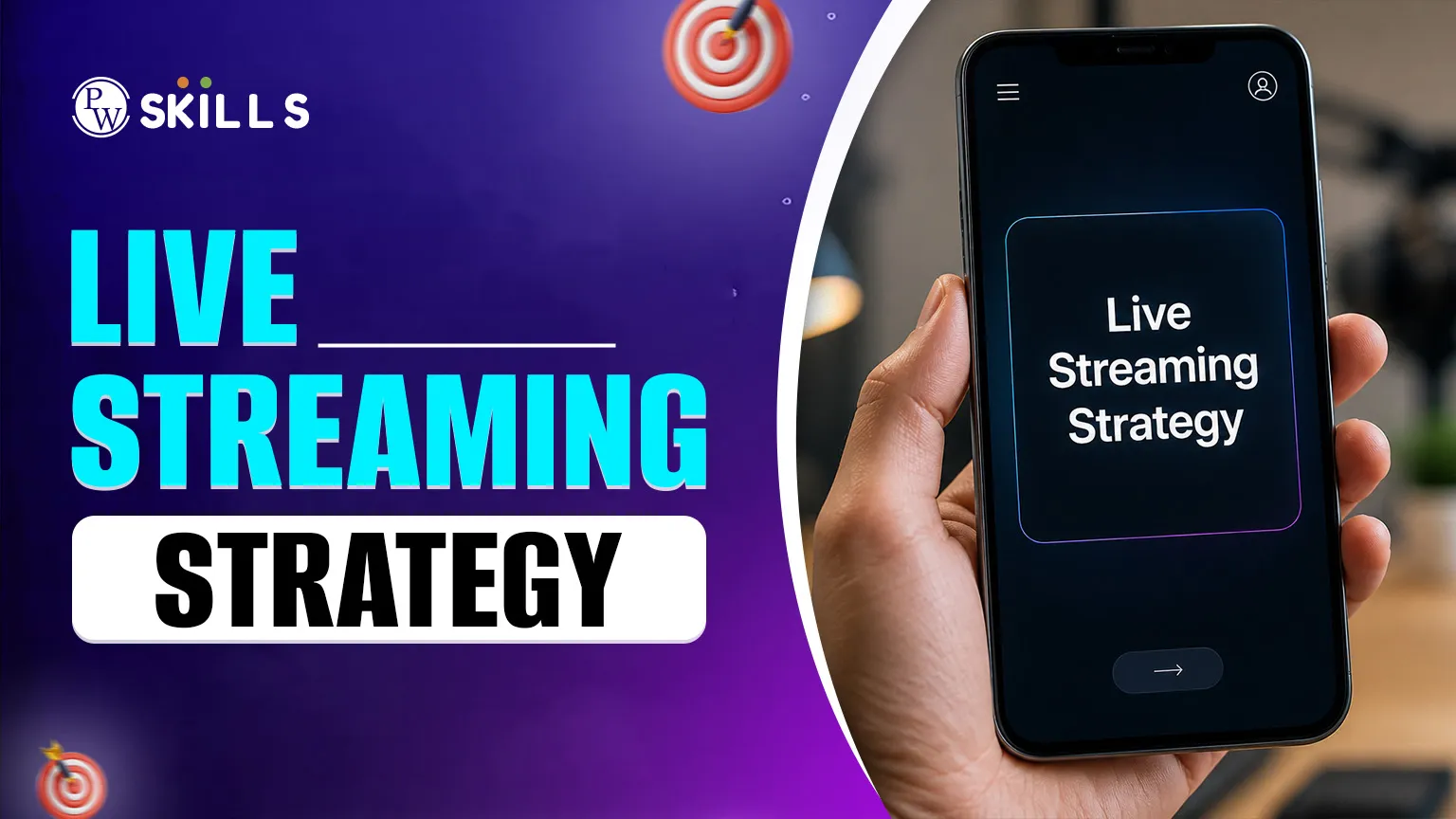
Brands often struggle to stand out online because people tend to ignore static ads. The main challenge is building real, live connections with today’s consumers. A good live streaming strategy helps your brand feel more human and offers interactive experiences that pre-recorded videos can’t match.
Importance of Live Streaming Strategy
The digital world moves quickly. People want more than just watching your brand—they want to be part of its story. With a clear plan for live content, you’re not just speaking into the void; you’re building a lasting marketing channel.
Going live does more than increase views. When done well, live video connects your brand directly with your customers.
-
Higher Engagement: Live videos usually get more comments and interactions than uploaded ones because viewers know their input matters right away.
-
Cost-Effective: Live streams don’t need big budgets. Authentic content made with simple equipment can still have a big impact.
-
Real-Time Feedback: You can ask your audience questions and get answers right away, almost like having a live focus group.
-
Increased Trust: Sharing behind-the-scenes or unscripted moments helps your brand look more open and trustworthy.
How to Build a Live Streaming Strategy
A plan acts as your roadmap, preventing common mistakes like technical glitches or lack of audience interest. Without a clear direction, your live sessions may feel disjointed or unprofessional.
Defining Your Goals and Audience
Before you start recording, decide what you want to achieve. Are you launching a product, helping customers, or building brand awareness? Once you have a clear purpose, you can plan your approach. Also, find out where your audience spends time online. For instance, B2B brands often succeed on LinkedIn, while lifestyle brands tend to get better results on Instagram or YouTube.
Content Mapping and Scheduling
Being consistent is key to a successful live streaming strategy plan. Make a content calendar that includes:
-
Topic Selection: What value are you providing?
-
Frequency: Will you go live weekly, bi-weekly, or monthly?
-
Promotion: How will you notify followers before the event?
Live Streaming Strategy Examples
Looking at how successful companies operate can provide a blueprint for your own efforts. Variety is essential to keep the audience coming back for more.
|
Strategy Type |
Objective |
Best Practice |
|
Product Launches |
Drive immediate sales |
Offer exclusive "live-only" discounts. |
|
Q&A Sessions |
Build authority |
Prepare a few "seed" questions to start the flow. |
|
Behind the Scenes |
Humanise the brand |
Show the office culture or manufacturing process. |
|
Expert Interviews |
Expand reach |
Collab with influencers to tap into their audience. |
These live streaming strategy examples show that content doesn't always have to be a hard sell. Sometimes, the best way to convert a customer is simply by being helpful or entertaining.
Live Streaming Strategy Tools
Technical quality reflects on your brand's reputation. While you don't need a Hollywood studio, using the right live streaming strategy tools ensures your broadcast is stable and visually appealing.
-
Encoding Software: Platforms that allow you to stream to multiple destinations simultaneously.
-
Audio Equipment: A dedicated microphone is often more important than the camera quality; viewers will tolerate 720p video but not static-filled audio.
-
Stable Internet Connection: Use an Ethernet cable whenever possible to avoid the fluctuations of Wi-Fi.
-
Lighting Kits: Simple ring lights or softboxes can significantly improve the professional look of your stream.
-
Interaction Tools: Use built-in chat features, polls, and on-screen graphics to keep the audience engaged.
Live Streaming Strategy for Brands
If you are representing a company, make sure everything you do matches your brand’s values. Your tone, visuals, and messages should all reflect what your brand stands for. When planning a live streaming strategy for brands, create a Run of Show (ROS) document. This outlines what will happen each minute, helping the host stay focused and cover all important topics.
Managing Technical Risks
Always prepare a backup plan. If your main internet connection goes down, use a hotspot. If your guest’s audio stops working, be ready to talk about a solo topic until the issue is fixed. How you handle surprises shows your professionalism.
How long should your brand’s live stream last? Most experts recommend streaming for at least 20 to 30 minutes. This gives the platform time to alert your followers and lets viewers join and get comfortable.
Measuring Success
You can’t improve what you don’t measure. Keep track of things like your highest number of viewers at once, total watch time, and how many people click your calls to action. Over time, these numbers will show which topics your audience likes best.
The most common mistake is not promoting your stream ahead of time. Treat your live event like an in-person event: send emails, post countdowns on your stories, and mention it in your newsletters to help get more viewers from the beginning.
Live Streaming Strategy Guide for Social Media
Choosing the right home for your content is vital. Each platform has a different "vibe" and user expectation. This live streaming strategy guide highlights the differences:
-
YouTube Live: Excellent for long-form content and SEO. Since it is a search engine, your live videos can be found months after they air.
-
LinkedIn Live: The premier choice for B2B brands and professional thought leadership.
-
Instagram/Facebook: Best for casual, high-frequency updates and reaching a broad demographic.
-
Twitch: While gaming-focused, it is becoming a hub for "Just Chatting" and creative hobbyist brands.



FAQs
How do I choose the right platform for my live streaming strategy?
What is the ideal frequency for a live streaming strategy plan?
Can I use a live streaming strategy for product sales?
What are the most important live streaming strategy tools for beginners?
How do I handle negative comments during a live stream?





Get Free Counselling Today
and Clear up all your Doubts
 Live & recorded classes available at easeDashboard for progress trackingLakhs of practice questions

