Last-Touch Attribution Model Explained
 Study Abroad23 May, 2026
Understanding how customers transition from casual browsers to loyal buyers is a significant challenge for modern marketers. With so many digital channels available, determining which specific ad or link actually drove a sale can be confusing.
This is where the last-touch attribution model comes into play. By focusing on the final interaction, businesses can gain immediate insights into what closes a deal. However, relying solely on this method can lead to a narrow view of your marketing effectiveness.
What is Last-Touch Attribution?
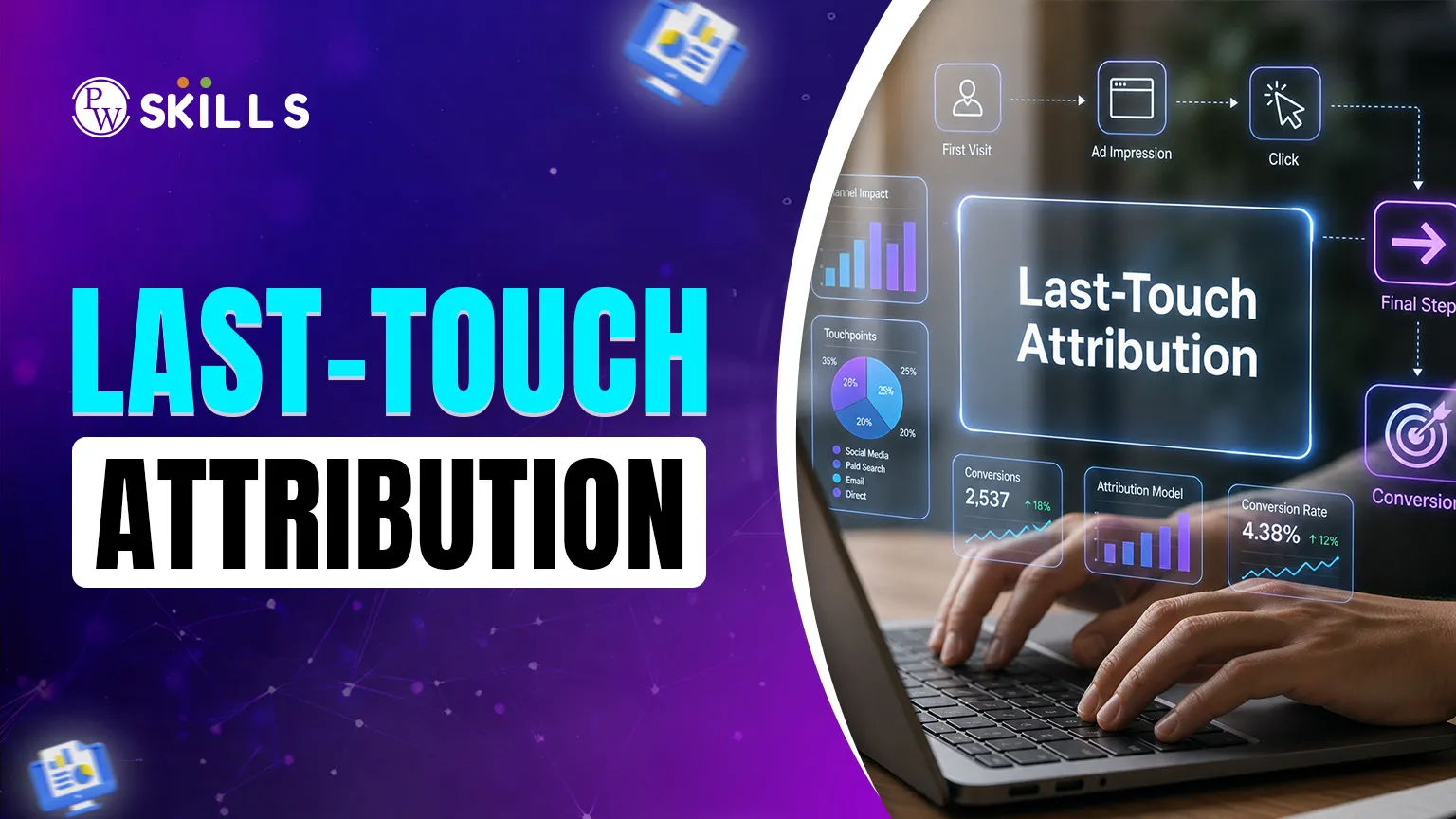
Last-touch attribution is a single-touch attribution model that assigns full credit for a conversion to the very last marketing channel or touchpoint a user engaged with before completing a desired action. This action could be a product purchase, a newsletter sign-up, or a mobile app download.
In the world of digital analytics, this is often the default setting. It assumes that the final click is the most critical driver of the conversion. If a user sees a Facebook ad, reads a blog post, and then finally clicks a Google Search ad to buy the product, the Google Search ad receives 100% of the credit.
How the Last-Touch Attribution Model Works
The last touch attribution model operates on a winner-takes-all basis. It ignores the entire "top of the funnel" and "middle of the funnel" activities. Here is a step-by-step breakdown of the logic:
-
User Interaction: A user interacts with various marketing assets over days or weeks.
-
The Final Click: The user eventually clicks on a final link (the "last touch").
-
Conversion: The user completes the purchase immediately after that last click.
-
Credit Assignment: The analytics software identifies the source of that last click and attributes the entire revenue or conversion value to it.
Last-Touch Attribution Examples
To better understand how this applies in real-world scenarios, let’s look at a few last touch attribution examples involving different digital journeys.
Example 1: E-commerce Purchase
A shopper sees an Instagram influencer’s post about a pair of running shoes. Two days later, they see a retargeting ad on a news website. Finally, they search for the brand on Google, click a paid search result, and buy the shoes. Under this model, Paid Search gets all the credit, while Instagram and the retargeting ad get zero.
Example 2: Software Subscription
A business owner listens to a podcast where a project management tool is mentioned. They later visit the company’s website directly to read a whitepaper. A week later, they receive a promotional email with a discount code, click the link, and subscribe. Here, the Email Marketing channel is credited with the conversion.
Last-Touch Attribution Benefits
Despite its simplicity, there are several reasons many companies continue to use a last-touch attribution strategy.
1. Ease of Implementation
One of the primary last touch attribution benefits is that it is incredibly easy to set up. Most analytics platforms, such as Google Analytics or basic CRM tools, use this as their standard configuration. It requires minimal data science knowledge compared to multi-touch or algorithmic models.
2. High Accuracy for Bottom-Funnel Activity
This model is highly effective at identifying "closers." It tells you exactly which channels are successful at pushing a lead over the finish line. For businesses with very short sales cycles, this data is often all they need to optimise their spend.
3. Reduced Data Noise
Multi-touch models can sometimes become over-complicated by trying to weigh dozens of minor interactions. Last-touch attribution removes the "noise" of early-stage browsing and focuses on the definitive action that resulted in revenue.
Last-Touch Attribution Tools
To track conversions accurately, marketers use specific last touch attribution tools. These platforms help collect data from various sources to pinpoint that final interaction.
-
Google Analytics 4 (GA4): While it is moving toward data-driven attribution, it still allows users to report on last-click metrics.
-
AppsFlyer: A leading mobile attribution platform that helps app developers track the final media source that led to an app install.
-
Singular: Provides unified marketing data and last-touch insights to help brands understand their ROI across different platforms.
-
HubSpot: A CRM that allows sales teams to see the last page a lead visited before filling out a contact form.
Last-Touch Attribution Strategy
If you decide to use this model, it should be part of a broader last touch attribution guide for your team to ensure data isn't misinterpreted.
-
Define Your Conversion Goal: Are you measuring a sale, a lead, or an app install? Clarity here is vital.
-
Clean Your Data: Ensure that UTM parameters are correctly set up on all URLs. If a user clicks an untracked link, the credit might default to "Direct" traffic, which provides no insight.
-
Compare with Other Models: Periodically compare last-touch data with "First-Touch" or "Linear" data. If the results are wildly different, you may need a more balanced approach.
-
Short-Cycle Focus: Use this strategy primarily for low-cost items or impulse buys where the customer journey is naturally short.
Last-Touch Attribution vs. Other Models
Now, let’s see how the last-touch attribution model is different from the other models. This will help you understand its benefits and uses in a better way:
|
Feature |
Last-Touch Attribution |
First-Touch Attribution |
Multi-Touch Attribution |
|
Focus |
Conversion/Closing |
Brand Discovery |
Entire Journey |
|
Complexity |
Low |
Low |
High |
|
Best For |
Short sales cycles |
Brand awareness campaigns |
Complex B2B sales |
|
Credit Distribution |
100% to the end |
100% to the start |
Weighted across all |
Challenges of Last-Touch Attribution in Marketing
While beneficial for some, using last touch attribution in marketing has distinct drawbacks that can lead to poor decision-making if not managed carefully.
-
Disregards Brand Awareness: It ignores the channels that first introduced the customer to the brand. If you cut funding to social media because it has a low "last-touch" conversion rate, your "last-touch" search ads might eventually fail because no one is entering the top of your funnel anymore.
-
Incomplete Customer View: It provides a one-dimensional view of a multi-dimensional journey. Most modern customers require 7 to 13 touchpoints before buying.
-
Biased Results: This model naturally favours "pull" marketing (like Search) over "push" marketing (like Display or Video ads), even if the push marketing did the heavy lifting of creating desire for the product.