

How to Tell If Your Digital Marketing Course Taught You the Wrong Things
 Varun Saharawat20 Jun, 2026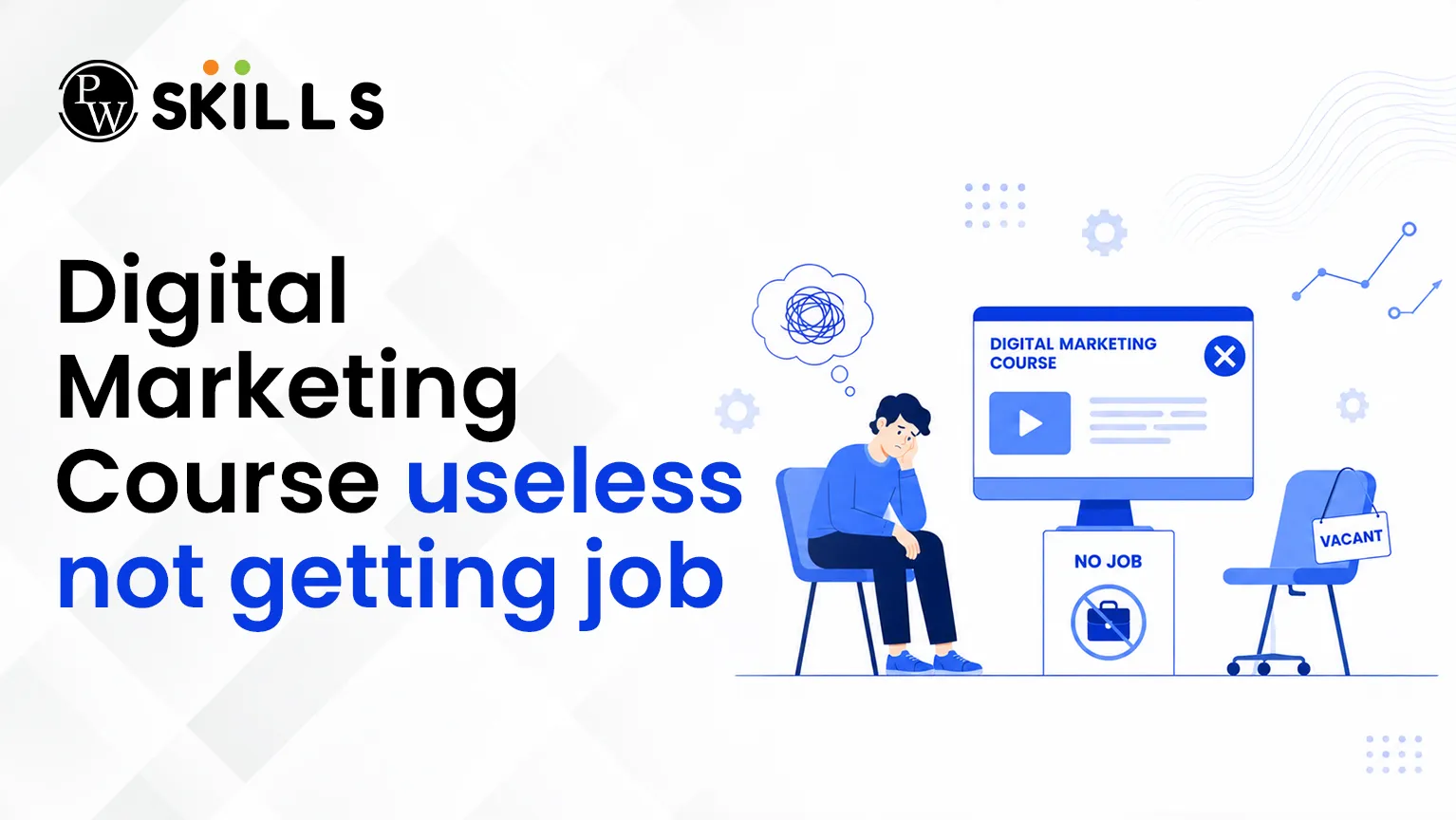
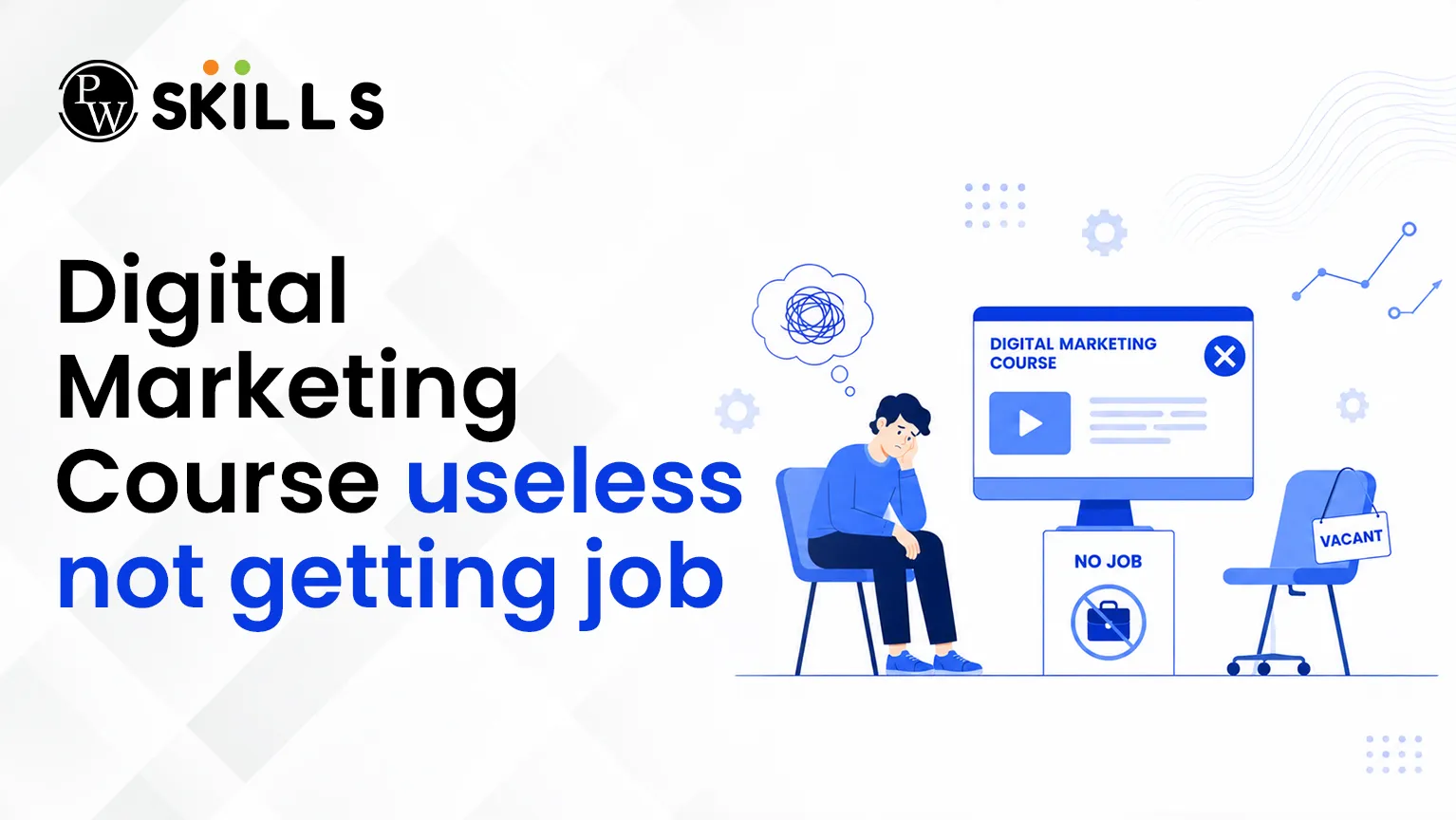
Every year, thousands of ambitious students enrol in training programmes hoping to build a successful career in online advertising. Unfortunately, a vast majority find their digital marketing course useless not getting job offers after graduation, because the curriculum failed to align with current industry standards.
Why Is Your Digital Marketing Course Not Helping You Get a Job?
The transition from the classroom to the corporate world reveals the stark reality of modern hiring practices. Many institutes promise quick success but deliver generic modules that do not translate into real-world business growth.
The Missing Link in Classroom Education
Most traditional institutes teach concepts from textbooks that are several years old. In a landscape where platform algorithms change weekly, relying on static notes makes your education obsolete before you even graduate. Employers do not pay for theoretical knowledge; they pay for measurable returns on ad spend.
The Warning Signs of Poor Quality Training
You can easily spot a substandard programme by evaluating how you spend your time during class hours.
-
Too much theory: Spending weeks copying notes about what SEO stands for instead of ranking a live webpage.
-
No live budget experience: Learning about paid ads through screenshots without ever spending a single pound of real currency.
-
Single-channel focus: Mastering only Facebook posts while completely ignoring data analytics, automation, and search campaigns.
What Makes a Digital Marketing Course Useful for Getting Jobs?
A quality training programme should transform you from an amateur into a capable professional who can handle real business challenges. Evaluating your actual digital marketing course outcomes against industry demands will show you exactly where your training fell short.
To help you assess your current situation, the table below compares the outcomes of a flawed educational programme with the results of high-quality, modern training.
|
Flawed Course Outcomes |
High-Quality Course Outcomes |
|
Memorising definitions of search engine optimization. |
Conducting live keyword research and optimizing live URLs. |
|
Learning how to make basic social media graphics. |
Setting up tracking pixels and running conversion campaigns. |
|
Writing generic blog posts without search intent. |
Utilizing artificial intelligence tools for automated data analysis. |
|
Receiving a piece of paper with no portfolio. |
Building a live dashboard showing actual campaign performance. |
Skills You Need When Your Digital Marketing Course Is Not Enough
Landing a modern role requires more than just knowing how to post updates on Instagram. Employers look for specific digital marketing employability skills that directly impact their monthly revenue and lead generation.
Learning Data and Analytics
Data is the backbone of all modern advertising. If your instructors did not teach you how to set up Google Analytics, read conversion funnels, and interpret bounce rates, your training missed a massive component of corporate survival.
Integrating Artificial Intelligence Tools
The modern workplace heavily relies on automation. High-quality training now integrates advanced machine learning models to teach students how to scale content creation, automate customer service workflows, and predict consumer behaviour efficiently.
Common Challenges After Completing a Digital Marketing Course
The initial phase of job hunting can feel overwhelming when every entry-level vacancy demands two years of professional experience. Understanding these digital marketing career challenges allows you to navigate the competitive hiring landscape strategically.
The Experience Catch-22
The biggest hurdle for fresh graduates is proving they can handle a company's marketing budget without making costly mistakes. Agencies reject applicants because they cannot afford to risk their clients' capital on someone who has never managed a live campaign.
Keeping Pace with Platform Updates
Search engines and social networks update their user interfaces and tracking systems constantly. A professional must know how to adapt to these shifts independently without waiting for a new training module to be published.
Why Practical Training Is Essential After a Digital Marketing Course?
You cannot learn to swim by reading a book, and you cannot learn online advertising without launching real campaigns. True digital marketing practical training forces you to solve real problems under real constraints.
Working on live assignments forces you to understand the actual friction points of online business.
-
Budget management: Learning how to distribute funds across search and display networks to maximize return on investment.
-
A/B testing: Running two different ad variations simultaneously to see which headline converts better.
-
Client communication: Presenting performance reports to business owners in a clear, professional manner.
Digital Marketing Job Preparation Checklist for Freshers
Before you send out your next batch of resumes, you must evaluate whether your training prepared you for the actual day-to-day responsibilities of a corporate role. Use this checklist to measure your digital marketing job readiness accurately.
The following list outlines the absolute minimum practical assets you need to present to a hiring manager during an interview sequence:
-
A live portfolio website: A self-built WordPress or Shopify site that proves you understand domain management and basic web design.
-
Verified ad accounts: Proof of running live campaigns, even with a small personal budget of twenty pounds.
-
An analytical dashboard: A clean Looker Studio or Google Analytics report displaying traffic acquisition data from a real source.
How to Clear Digital Marketing Interviews After Upskilling?
The final step of your educational journey should focus entirely on how you present your skills to prospective employers. Proper digital marketing placement preparation bridges the gap between technical ability and landing a digital marketing job after course completion.
Crafting a Performance-Based Resume
Remove generic phrases like "highly motivated individual" from your CV. Instead, replace them with hard metrics. Write about how you increased a test website's organic traffic by twenty percent or improved an ad's click-through rate during your practical sessions.
Cracking the Technical Interview
Be ready to answer situational questions during your interviews. Managers will ask how you would fix a dropping conversion rate or how you plan to handle a sudden rise in cost-per-click metrics. If your training was purely theoretical, these questions will instantly expose the gaps in your knowledge.




FAQs
What should I do if my digital marketing course is useless and I am not getting a job?
How long does it take to get a digital marketing job after course graduation?
Which digital marketing employability skills are in the highest demand right now?
How can I get digital marketing practical training if my institute only taught theory?
What are the standard digital marketing course outcomes of a premium industry programme?







Get Free Counselling Today
and Clear up all your Doubts
 Live & recorded classes available at easeDashboard for progress trackingLakhs of practice questions

