

FTC Disclosure Guidelines for Affiliates
 Study Abroad23 May, 2026
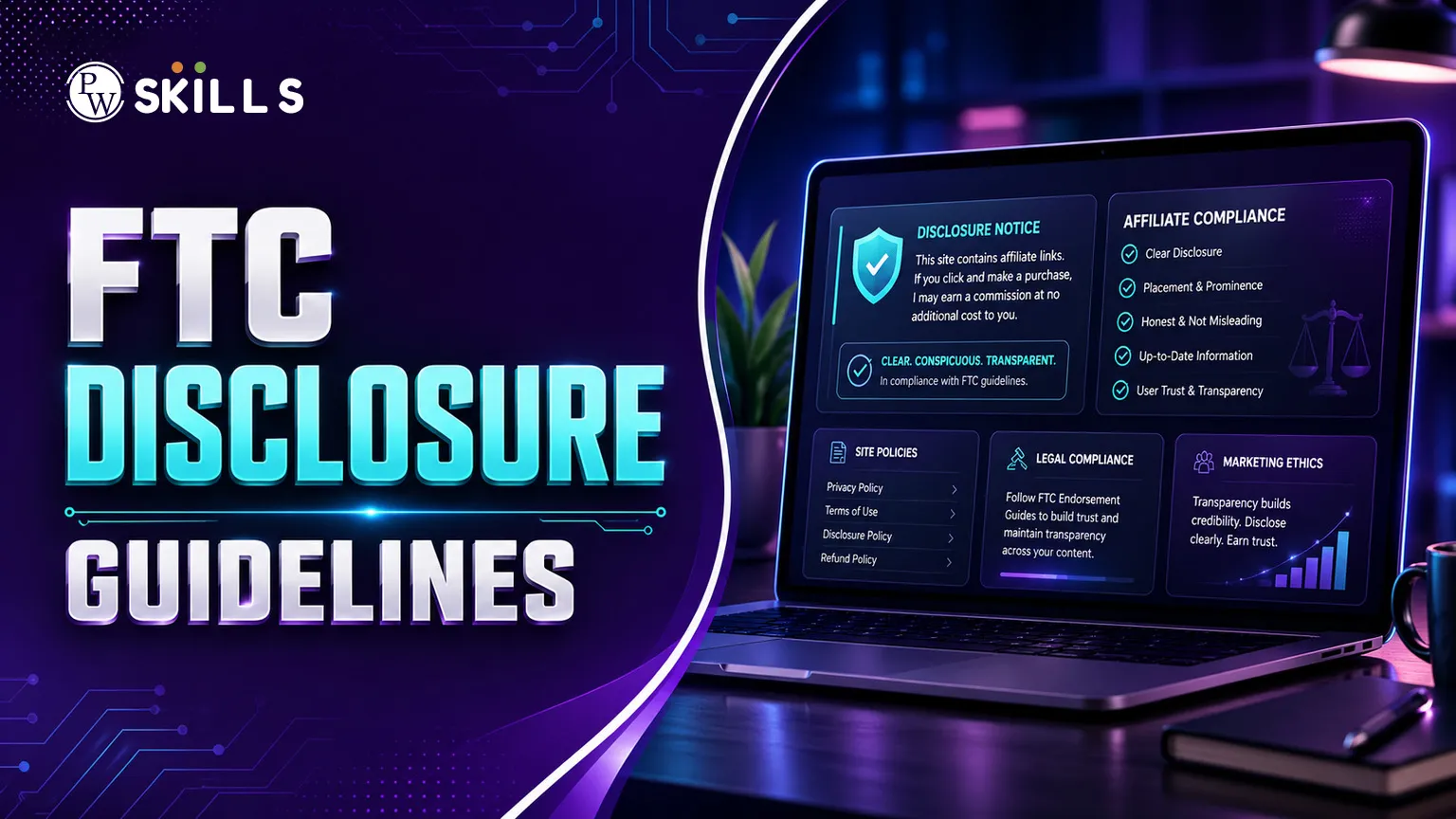
No matter if you’re an experienced blogger or new to Instagram, it’s important to know the FTC Disclosure Guidelines. Many creators find it hard to balance good-looking content with being honest about paid partnerships. Not disclosing these relationships can lead to big fines and lost trust. This article will help you follow the rules on each platform so your affiliate marketing stays honest and legal.
FTC Disclosure Guidelines Overview
The Federal Trade Commission (FTC) helps protect people from misleading ads. Online, it can be hard to tell if a recommendation is real or paid for. The FTC Disclosure Guidelines make sure your audience knows if you’re paid, get free products, or earn a commission before they buy something.
Being open is key in digital marketing. When you use an affiliate link, you’re acting like a salesperson for a brand. The FTC says you must share this relationship because it could affect how people see your recommendation.
Key Principles of FTC Disclosure Guidelines
To achieve FTC disclosure guidelines compliance, you must follow the "Clear and Conspicuous" rule. This means the disclosure must be hard to miss and easy to understand. You cannot hide a disclosure in a sea of hashtags or place it at the bottom of a page where a user is unlikely to scroll.
1. Placement and Visibility
The disclosure must be placed as close as possible to the claim or link it qualifies. For a blog post, this usually means at the very top of the article. For social media, it should appear before the "More" button or at the beginning of a caption.
2. Language and Clarity
Use clear and simple words. Stay away from technical terms or anything confusing. The main goal is for anyone reading to understand there’s a financial connection between you and the product you’re promoting.
3. Consistency Across Devices
A disclosure that looks fine on a desktop might be hidden on a mobile screen. Ensure your FTC disclosure guidelines compliance strategy accounts for how content appears on smartphones and tablets.
FTC Disclosure Guidelines for Affiliate Marketing
Affiliate marketing relies heavily on trust. If you are promoting a product using a unique link that tracks sales, the FTC disclosure guidelines for affiliate marketing require you to state this clearly.
Disclosure in Blog Posts
If you write a long article, just putting a disclosure at the bottom isn’t enough. It’s best to:
-
Place a general disclosure at the top of the post.
-
Use phrases like "This post contains affiliate links" or "I may earn a commission if you purchase through these links."
-
If the post is very long, consider repeating the disclosure near the specific links.
Using Affiliate Links in Reviews
If you are reviewing a product you received for free, you must disclose that fact even if you aren't getting a commission. The audience needs to know that your review might be biased because you didn't pay for the item.
FTC Disclosure Guidelines for Social Media
Social media platforms present unique challenges because of character limits and layout constraints. However, the FTC disclosure guidelines for social media remain strict regardless of the platform.
Instagram and Facebook
On platforms like Instagram, the disclosure should be in the caption itself. Using the "Paid Partnership" tool provided by the platform is a great start, but the FTC often recommends adding a manual disclosure as well, such as #Ad or #PaidPromotion.
TikTok and Video Content
For video content, the disclosure must be part of the video itself, not just the description. A verbal disclosure at the start of the video or an on-screen text overlay that stays visible long enough to be read is required.
Twitter (X)
Due to character limits, brevity is key. Using #ad or #sponsored at the beginning of the tweet is usually sufficient to meet FTC disclosure guidelines for influencers.
FTC Disclosure Guidelines for Influencers
Influencers are often held to a higher standard because of their perceived authority and large following. The FTC disclosure guidelines for influencers state that any "material connection" must be revealed. A material connection includes:
-
Cash payments.
-
Free products or services (even if you didn't ask for them).
-
Store credit or gift cards.
-
Personal or family relationships with the brand owners.
If you are an influencer, do not assume your followers "already know" you are a brand ambassador. Every single post that features a brand you have a relationship with must include a disclosure.
FTC Disclosure Guidelines Examples
Learning by example is often the easiest way to ensure you are doing things correctly. Here are some FTC disclosure guidelines examples that you can adapt for your own content:
-
Blog Header: "Disclosure: This post contains affiliate links. If you click through and make a purchase, I may receive a small commission at no extra cost to you."
-
Instagram Caption: Start with "Ad:" or "Sponsored by [Brand Name]" before any other text.
-
Product Review: "I received this [Product Name] for free from [Brand] to review, but all opinions expressed here are my own."
-
YouTube Video: A text overlay saying "Sponsored by [Brand]" appears in the first few seconds of the video.
FTC Disclosure Guidelines Checklist
Use this FTC disclosure guidelines checklist before hitting "publish" on any promotional content:
-
Is the disclosure visible? Is it at the top of the page or at the start of the caption?
-
Is the font readable? Ensure the text size and colour contrast make it easy to see.
-
Is the language simple? Have you used clear terms like "Ad," "Promotion," or "Paid Partnership"?
-
Is it "Above the Fold"? Do users have to click "See More" or scroll down to find the disclosure? (If yes, move it up).
-
Does it work on mobile? View your post on a smartphone to confirm the disclosure isn't cut off.
-
Is it near the link? Ensure the disclosure is placed in close proximity to the affiliate link or product recommendation.
FTC Disclosure Guidelines: Mistakes to Avoid
Even well-meaning creators often fall into traps that lead to non-compliance. Avoiding these mistakes is essential for maintaining FTC disclosure guidelines compliance.
-
Vague Hashtags: Using #Spon, #Collab, or #Ambassador is often considered too vague by the FTC. Stick to #Ad or #Sponsored.
-
Hidden Disclosures: Placing the disclosure in a "Link in Bio" or on a separate "About" page is not enough. It must be on the specific post where the recommendation is made.
-
Hyperlinked Disclosures: You cannot simply have a link that says "Disclosure" that takes people to a different page. The information must be immediately available.
-
Relying Solely on Platform Tools: While "Paid Partnership" tags are helpful, they are not always sufficient. Adding your own text disclosure is the safest route.
Steps to Update Your Content According to FTC Disclosure Guidelines
If you have older content that doesn't meet the current FTC disclosure guidelines, it is worth going back and updating it.
-
Audit Top-Performing Posts: Identify your most visited blog posts or videos and ensure they have clear disclosures.
-
Standardise Your Templates: Create a standard disclosure block that you can easily insert into every new piece of content.
-
Educate Your Team: If you work with editors or virtual assistants, make sure they understand the importance of FTC disclosure guidelines for affiliate marketing.






FAQs
What are the main FTC Disclosure Guidelines for affiliates?
Do I need a disclosure if I bought the product myself?
Where should I place my FTC disclosure on social media?
Can I just use #ad in my posts?
What happens if I don't follow the FTC disclosure guidelines?





Get Free Counselling Today
and Clear up all your Doubts
 Live & recorded classes available at easeDashboard for progress trackingLakhs of practice questions

