

A Beginner's Roadmap to Cloud Computing Careers
 Hardik Gupta10 Jul, 2026
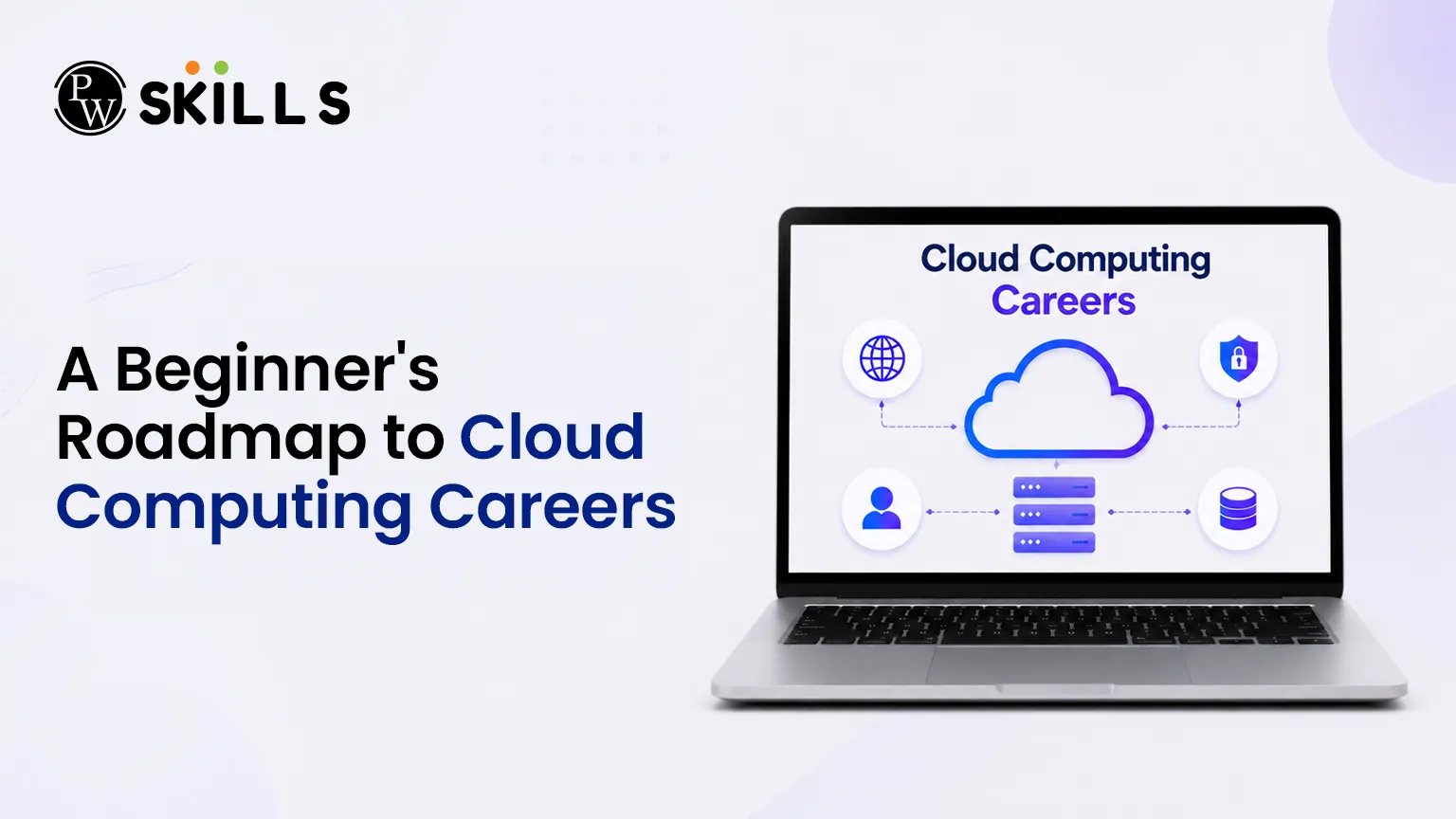
A Cloud Computing Career Roadmap provides a structured approach to building the skills required for cloud-based roles. With multiple platforms, certifications, and career options available, beginners often struggle to decide where to start.
Following a clear roadmap helps you learn the fundamentals, gain practical experience, and progress step by step without feeling overwhelmed. Whether you are a student, a fresher, or a working professional, a well-planned learning path can help you prepare for a successful career in cloud computing.
Importance of a Cloud Computing Career Roadmap
The demand for digital infrastructure has changed how businesses operate globally. Organizations are rapidly moving their operations away from physical servers to virtual environments. This massive shift has created an urgent need for skilled professionals who can design, maintain, and secure these digital networks.
Starting with a clear plan helps you identify the exact skills that employers want, saving you months of aimless learning.
-
High Demand: Companies of all sizes are looking for talent to manage their digital migrations.
-
Career Growth: The field offers clear pathways for promotion from entry-level roles to senior architecture positions.
-
Diverse Options: You can specialise in development, security, administration, or data analytics based on your personal interests.
What are the Foundational Steps in a Cloud Computing Career Roadmap?
You have to learn the basic building blocks of information technology before you can start working directly with major digital platforms. If you skip over these fundamentals, advanced concepts become almost impossible to understand later on.
-
Networking Basics: Learn how data travels across the internet, including IP addressing, routers, and switches.
-
Operating Systems: Master command-line interfaces, particularly Linux, as most digital servers run on it.
-
Virtualisation: Understand how physical hardware splits into multiple virtual machines.
The table below outlines the core foundational areas every beginner must focus on before moving to advanced platform training.
|
Skill Area |
Key Concepts to Learn |
Practical Importance |
|
Networking |
TCP/IP, DNS, Subnetting, Firewalls |
Helps you secure and connect virtual networks. |
|
Linux CLI, File Management, Bash Scripting |
Allows you to manage servers without a graphical interface. |
|
|
Programming |
Python, Basic Scripting, Automation |
Essential for automating repetitive infrastructure tasks. |
How to Start a Cloud Computing Career Roadmap as a Beginner?
If you have absolutely no prior technical experience, the learning curve can seem steep. Starting with cloud computing for beginners means focusing purely on conceptual understanding before writing any code or setting up servers.
-
Use free tiers provided by major platforms to explore dashboards without incurring high costs.
-
Build simple static websites hosted entirely on virtual storage buckets.
-
Set up automated budget alerts so you never get unexpected bills while experimenting.
Focusing on small, manageable projects keeps motivation high and prevents burnout during the early stages of your educational journey.
How to Choose Your Path in the Cloud Computing Career Roadmap?
The industry is not a one-size-fits-all field. If you like coding, system administration, or data management, it branches into different specialisms. Once you choose a path early on, you can start narrowing your job search.
-
Cloud Support Engineer: Troubleshoots technical issues and helps clients maintain system uptime.
-
SysOps Administrator: Manages the daily operations, monitoring, and deployment of virtual infrastructure.
-
Junior Cloud Engineer: Assists senior teams in building and configuring digital systems.
Focusing on a specific role allows you to tailor your practical projects to match actual job descriptions, making your portfolio much more attractive to hiring managers.
Also Check: Cloud Computing Services | Cloud Based Services
What are the Main Cloud Platforms to Learn for a Cloud Computing Career Roadmap?
Once you understand the IT fundamentals, you must learn how to use actual service platforms. The market is dominated by three major global providers, and mastering at least one is essential for your career progression.
-
Amazon Web Services (AWS): The market leader with the largest market share and a vast array of services.
-
Microsoft Azure: Widely used by enterprise companies that rely heavily on traditional Microsoft software.
-
Google Cloud Platform (GCP): Known for its strong capabilities in data analytics, containers, and machine learning.
The following list highlights the primary services you should explore on any of these platforms:
-
Compute Services: Virtual servers and serverless functions.
-
Storage Solutions: Object storage, block storage, and shared file systems.
-
Database Management: Managed SQL and NoSQL database options.
What Certifications Do You Need for Your Cloud Computing Career Roadmap?
Professional credentials prove your knowledge and help your resume pass the initial screening process. Practical skills are most important, but having certifications shows your dedication to learning.
-
Foundational Level: AWS Certified Cloud Practitioner or Microsoft Certified: Azure Fundamentals. These exams validate basic industry terminology and concepts.
-
Associate Level: AWS Certified Solutions Architect – Associate or Azure Administrator Associate. These focus on actual implementation and deployment.
Important Note: Do not rely on certifications alone. Pair your certificates with hands-on lab projects to show employers you can actually do the work.
How Does a Cloud Computing Career Roadmap Help You Become a Cloud Engineer?
Moving from a learner to a professional requires shifting your focus toward modern operational methodologies. A successful cloud engineer career involves understanding how software development and system operations blend together.
-
Infrastructure as Code (IaC): Using tools like Terraform to define networks through text files instead of manual clicks.
-
Containers: Learning Docker and Kubernetes to package applications so they run reliably anywhere.
-
CI/CD Pipelines: Automating the testing and deployment of software updates.
Building a portfolio that features these automated workflows will significantly elevate your profile during technical job interviews.
How to Find Your First Job Using a Cloud Computing Career Roadmap?
The final stage of your journey involves navigating the job market effectively. Broadening your horizon across various IT careers helps you find stepping-stone roles that eventually lead to dedicated infrastructure positions.
-
Build a Portfolio: Host your infrastructure scripts on public repositories to show clean, working code.
-
Network Online: Connect with working professionals in technical groups and attend local industry meetups.
-
Target Adjacencies: Consider taking roles in traditional IT helpdesks or system administration to gain corporate experience while studying.



FAQs
What is the best programming language to learn for this pathway?
Can I get a job in this field without a university degree?
How long does it typically take to become job-ready from scratch?
What is the main difference between AWS and Azure?
Is it necessary to learn Linux for this profession?





Get Free Counselling Today
and Clear up all your Doubts
 Live & recorded classes available at easeDashboard for progress trackingLakhs of practice questions

