

The Skills Required for Entry-Level BFSI Jobs

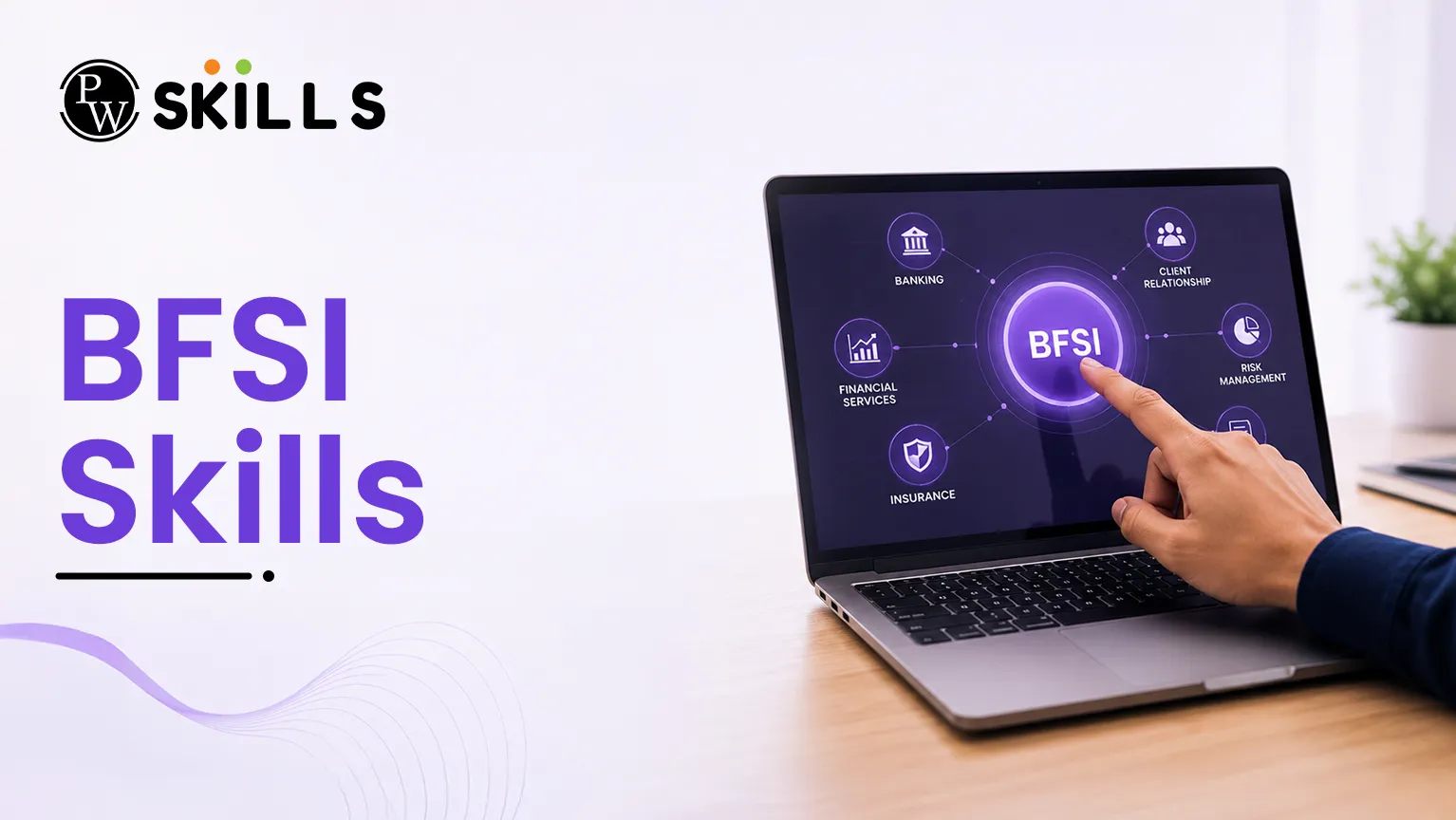
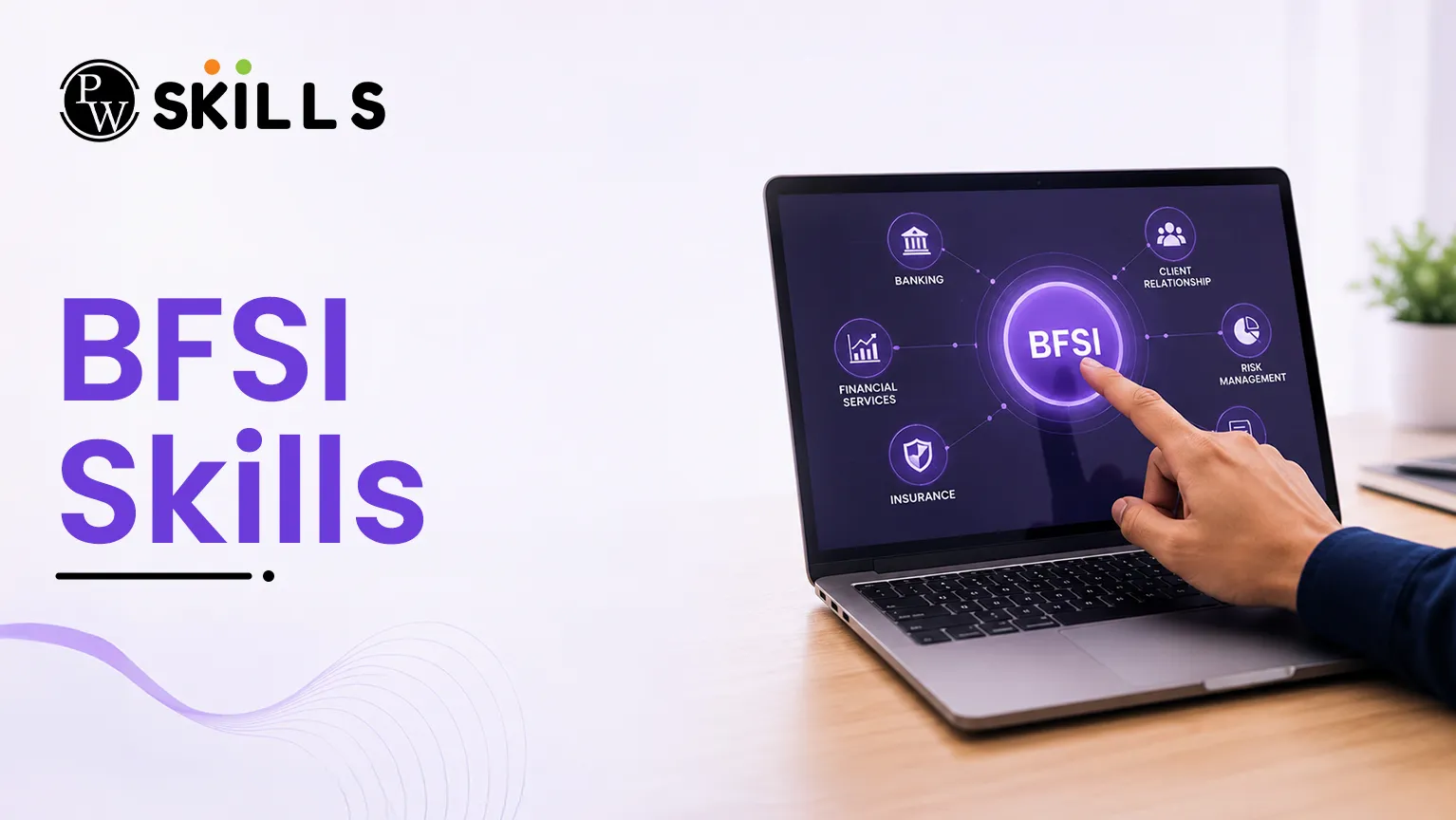
Getting a stable and high-growth job in the financial industry can be challenging for fresh graduates. Many candidates do not get selected because they lack practical knowledge, even if they have a college degree. Traditional education often does not teach the real-world skills needed in corporate jobs.
Today, employers look beyond academic marks and focus more on job-ready abilities. Learning the right BFSI Skills helps bridge this gap and prepares candidates for professional roles. Understanding how the industry works can help you build useful knowledge, perform well in interviews, and create a successful long-term career.
What are BFSI Skills?
The BFSI sector includes banking, insurance, investment services, and financial products. Entry-level professionals need a strong understanding of banking products, customer service, compliance rules, and digital systems. Employers prefer candidates who can handle customer needs, follow regulations, and work comfortably with banking software. Developing both technical and personal skills improves your chances of getting selected for BFSI jobs for freshers and growing faster in the industry.
What are the BFSI Skills for Banking Operations?
Modern banking work requires strong operational knowledge. Banking professionals no longer work only with paper records. They regularly use digital systems, customer onboarding tools, and risk-checking processes.
Banking Skills for Product Knowledge
To perform well in an entry-level role, you should understand the main products offered by banks and financial institutions. Important bank job skills include:
Account Types: Understanding the features and rules of savings accounts, current accounts, fixed deposits, and recurring deposits.
Loan Products: Learning how home loans, personal loans, and vehicle loans work, including documentation, interest rates, and processing steps.
Investment Products: Understanding mutual funds, equity funds, debt funds, hybrid funds, and Systematic Investment Plans (SIPs).
Insurance Products: Learning about term insurance, endowment plans, and unit-linked insurance products.
BFSI Skills for Customer Onboarding
Customer onboarding is an important process because mistakes can create risks for banks. Entry-level employees must understand Know Your Customer (KYC) procedures. They should know how to verify identity documents, check customer information, and avoid errors during account opening. Proper documentation helps banks stay compliant with official regulations.
Banking Skills for Digital Systems
Today's banking industry depends heavily on technology. Freshers should develop strong digital skills to manage daily work smoothly.
Internet Banking Platforms --> Monitoring online transactions and digital account statements
Mobile Wallet Ecosystems --> Understanding instant payment applications and digital transfers
Core Banking Systems (CBS) --> Learning basic banking software tools such as Finacle
Data Analytics Basics --> Using Microsoft Excel to track customer records and daily reports
What are the BFSI Skills for Compliance and Regulations?
Banks and financial companies work under strict rules and regulations. Even a small mistake can create serious issues for the institution. Because of this, recruiters prefer candidates who understand basic compliance requirements.
Banking Skills for RBI Rules
Every banking transaction must follow guidelines issued by the Reserve Bank of India (RBI). Entry-level employees should know how RBI policies affect banking operations, interest rates, and branch activities.
BFSI Skills for Anti-Money Laundering
Stopping financial crimes is an important responsibility. Professionals should learn how to identify unusual transactions, monitor large cash deposits, and follow Anti-Money Laundering (AML) guidelines. These BFSI Skills help protect customers and institutions.
Banking Skills for Risk Management
Frontline employees play a key role in reducing fraud risks. Important risk management activities include:
Signature Verification: Checking signatures on cheques and withdrawal forms before processing transactions.
Credit Score Review: Checking customer's credit history before starting the loan approval procedures.
Income Verification: Reviewing salary documents and employer details to reduce loan repayment risks.
Essential BFSI Skills for Customer Relationship Management
Technology helps manage records, but customer relationships help grow the business. Financial institutions depend on customer-facing teams to attract new customers and keep existing ones satisfied.
Financial Skills for Cross-Selling
Entry-level professionals, such as Relationship Officers and Sales Executives, often work on customer acquisition goals. They should learn how to study customer needs and recommend useful products. For example, if a customer maintains a large savings balance, the employee can suggest investment products or insurance plans that may help them achieve financial goals.
Financial Skills for Communication
Providing financial guidance requires clear and simple communication. Strong financial skills help employees serve different types of customers effectively.
|
Communication Area |
Core Practical Application |
|
Active Listening |
Understanding a customer's future goals before suggesting suitable financial products. |
|
Clear Communication |
Explaining interest rates, fees, and policy terms clearly to avoid confusion later. |
|
Problem Solving |
Handling account issues, transaction delays, and service complaints professionally. |
Financial Services Skills for Professional Behaviour
Since financial institutions handle customer money, professional conduct is very important. Entry-level employees should follow workplace rules, dress professionally, and show patience when dealing with customer concerns. Good behaviour builds trust and supports long-term career growth.
What BFSI Skills are Required for Freshers to get Jobs?
Building strong BFSI Skills can help freshers enter different departments in the banking and financial industry. Candidates can choose career paths based on their interests and strengths.
[Entry-Level Candidate]
│
├─► Retail Banking Focus ──► Customer Service Executive / Teller
├─► Sales & Growth Focus ──► Relationship Officer / Business Development
└─► Operations Focus ──► Credit Processing Associate / Back-Office
1. Customer Service Executive and Bank Teller
Bank tellers are often the first point of contact for customers. They handle cash transactions, process fund transfers, issue cheque books, and solve routine banking issues. This role requires accuracy and strong customer service skills.
2. Relationship Officer and Business Development Executive
These professionals focus on growing the customer base and increasing business opportunities. They explain banking products, attract new customers, and manage customer relationships. These positions often offer performance-based incentives and faster career growth.
3. Credit Processing Associate and Operations Executive
These employees mainly work in support and back-office departments. Their responsibilities include checking loan forms, verifying documents, processing applications, and supporting loan disbursement activities. This role is suitable for candidates who enjoy detailed and analytical work.
What are the Best BFSI Skills Certifications?
Getting professional certifications can improve your chances of securing BFSI jobs. Certifications show employers that you understand industry practices and workplace processes.
BFSI Skills Certification Programs
Industry-focused programs, such as the professional courses, help candidates learn core banking operations, banking software, interview preparation, and resume-building techniques.
NISM Certification
NISM certification modules are useful for candidates who want to work in mutual funds, investment services, and wealth management sectors.
IRDAI Certification
This certification is required for professionals who want to work in insurance sales, insurance advisory services, and insurance product management.





FAQs
1. What are the core BFSI Skills required for banking freshers?
2. Can a non-commerce graduate apply for BFSI jobs for freshers?
3. Why are compliance-related bank job skills important?
4. How do financial services skills help career growth?
5. Which certifications improve BFSI jobs for freshers?





Get Free Counselling Today
and Clear up all your Doubts
 Live & recorded classes available at easeDashboard for progress trackingLakhs of practice questions

