

Complete Guide To Get SBI Securities Virtual Relationship Manager Job | Interview Preparation Tip
 Varun Saharawat2 Jul, 2026
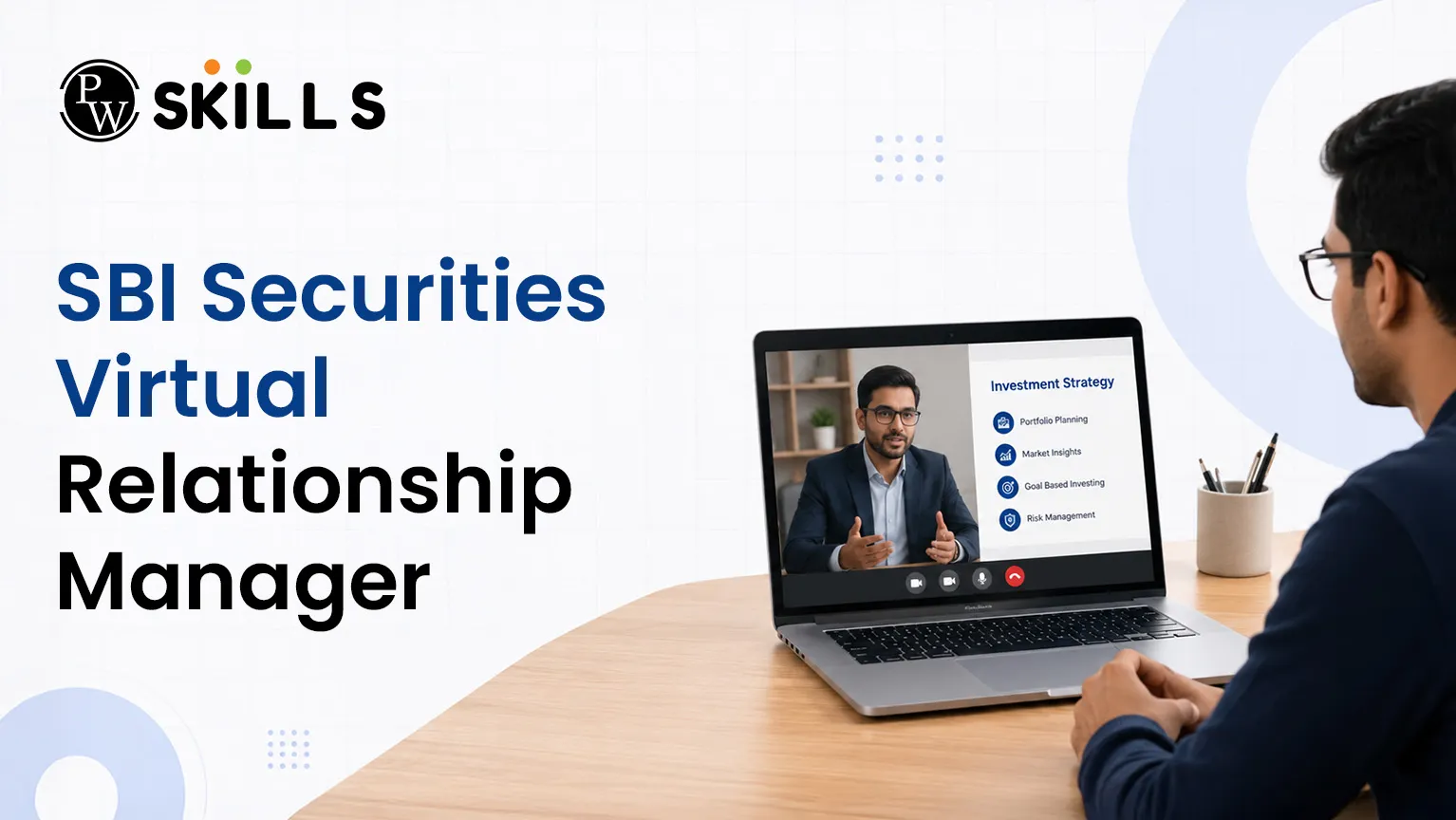
The SBI Securities Virtual Relationship Manager role offers a unique opportunity to combine traditional banking services with modern digital customer engagement. This position focuses on managing premium customer relationships, providing financial assistance, and delivering seamless virtual support.
This article covers everything from job responsibilities and eligibility requirements to essential interview preparation tips, helping candidates understand the skills needed to succeed in this role.
What is an SBI Securities Virtual Relationship Manager Job?
A Relationship Manager is a professional responsible for managing and nurturing client relationships remotely. Unlike standard field-based positions, individuals in this role operate from a digital hub, remote workspace, or a designated call center. They serve as the primary link between the financial institution and its vast customer base using contemporary digital tools.
This profile is mainly focused on generating client engagement through calls, emails, video meetings, and chat platforms. Without face-to-face interaction, professionals manage diverse investment portfolios and respond to client inquiries to build trust and create long-term brand loyalty.
Roles and Responsibilities of an SBI Securities Virtual Relationship Manager Job
Understanding daily tasks is essential before applying for SBI Securities jobs. Individuals handle various operational, sales, and service-oriented tasks daily.
The primary responsibilities of this role include:
-
Portfolio Management: Overseeing an assigned group of existing clients to ensure satisfaction and long-term retention.
-
Lead Conversion: Interacting with customers who show interest in targeted, lead-based marketing campaigns and converting that initial interest into transactions.
-
Account Activation: Assisting clients with the seamless activation and onboarding of dormant demat and trading accounts.
-
Product Explanation: Explaining complex financial product details clearly so clients can confidently execute their online transactions.
-
Goal Achievement: Meeting strict internal key result areas (KRAs) regarding call volume, daily business activities, and overall target completion.
Eligibility Criteria for SBI Securities Virtual Relationship Manager Job
The eligibility criteria for this profile are flexible, and hence, it is open to both freshers and experienced professionals. The company is looking for some skills beyond standard education requirements.
Review the key eligibility factors listed below in the table:
|
Criteria Category |
Requirement Specifications |
|
Experience Levels |
0 to 4 years (Freshers are fully welcome to apply) |
|
Industry Sector |
Broking and BFSI (Banking, Financial Services, and Insurance) |
|
Academic Qualifications |
Graduates or Postgraduates in any stream (BCom, BA, BSc, etc.) |
|
Job Location |
Primarily based in Mumbai corporate offices or remote hubs |
|
Preferred Qualifications |
MBA or PGDM holders receive hiring preferences |
Skills Required for the SBI Securities Virtual Relationship Manager Job
To clear a virtual relationship manager interview, applicants need a balanced mix of technical knowledge and polished interpersonal communication skills. Because client interactions happen entirely through digital channels, clarity and professional presentation are critical.
Focus on developing these specific areas:
-
Communication Mastery: Exceptional spoken and written English communication is essential to explain market updates and product features smoothly.
-
Technical Proficiency: Good functional knowledge of MS Excel for tracking client portfolios, logging data, and compiling daily business reports.
-
Financial Awareness: Strong fundamental knowledge of equity markets, investment patterns, and general banking structures.
-
Relationship Building: Ability to display patience, empathy, and active listening to gain client confidence over the telephone.
Interview Preparation Tips for the SBI Securities Virtual Relationship Manager Job
Succeeding in the interview requires understanding situational logic and telephone sales dynamics. Recruiters evaluate your composure under pressure and your ability to articulate value clearly.
Master the Telephone Role-Play
As part of the evaluation process, candidates will often be asked to engage in an interactive role-play scenario. You might be asked to sell a popular banking product or investment option in a mock phone call to a client. Choose 1 or 2 structured telephone sales techniques and learn how to discuss the benefits of your product without over-complicating your presentation.
Learn to Handle Difficult Customers
A common question is how you manage angry, dissatisfied, or impatient clients. Interviewers look for a positive mindset, patience, and a calm tone of voice. Highlight your ability to listen to client complaints without interruption, show empathy, and offer clear, practical solutions.
Build Trust Remotely
Be ready to explain how you can establish credible client relationships without physical meetings. Focus on clear communication, transparency regarding financial products, regular follow-ups, and delivering accurate market insights to build client trust.
Also Check: SBI में Specialist Officer Full Interview Preparation | बिना Exam के Golden Chance!
Technical and Product Questions for the SBI Securities Virtual Relationship Manager Job
Answering corporate interview questions successfully requires a solid blend of technical banking literacy and clear financial reasoning. The recruiting panel will test your fundamental understanding of the Indian financial markets, trading platforms, and basic investment instruments.
Review these sample questions and structured answers to help you prepare for your upcoming discussion:
What is the difference between a Demat account and a Trading account?
A Demat account acts as a digital storage vault for your financial securities, converting physical share certificates into electronic format. In contrast, a Trading account is the operational platform used to buy and sell those securities in the stock market. While the trading account facilitates the actual transaction, the demat account holds the assets safely.
How do you explain mutual funds to a client with low risk tolerance?
Start by acknowledging their cautious approach toward investments. Explain that mutual funds pool money from multiple investors to buy a highly diversified basket of stocks or fixed-income bonds. For low-risk individuals, suggest focusing on debt mutual funds or hybrid funds, which allocate assets into stable government securities to protect capital while offering better returns than traditional savings accounts.
What do you understand by the term Equity-Linked Savings Scheme (ELSS)?
An Equity-Linked Savings Scheme is a specific type of mutual fund that primarily invests in equity markets and offers tax deduction benefits under Section 80C of the Income Tax Act. It carries a mandatory lock-in period of three years, which is the shortest among all tax-saving options available in India, making it a popular choice for young salaried professionals.
How would you define the Systematic Investment Plan (SIP) path to a beginner?
A Systematic Investment Plan is a disciplined investment method rather than a financial product itself. It allows individuals to invest a fixed amount of money into their chosen mutual fund scheme at regular intervals, such as monthly or quarterly. This strategy helps investors benefit from rupee cost averaging, meaning they buy more fund units when prices are low and fewer units when prices are high.
What is the role of a depository participant in the stock market system?
A depository participant acts as an authorized agent or link between the retail investor and the central depositories in India, which are the National Securities Depository Limited (NSDL) and the Central Depository Services Limited (CDSL). Financial institutions and brokerage entities register as depository participants to offer demat account services legally to the public.



FAQs
What certifications benefit an SBI Securities Virtual Relationship Manager?
Can freshers apply for the Virtual Relationship Manager role at SBI Securities?
What products do Virtual Relationship Managers cross-sell?
Is the Virtual Relationship Manager position a field job?
What is the main target metric for this job profile?





Get Free Counselling Today
and Clear up all your Doubts
 Live & recorded classes available at easeDashboard for progress trackingLakhs of practice questions

