

Frontend vs Backend vs Full Stack: Which Path Is Better?
 Kishor Kumar Bairagi1 Jul, 2026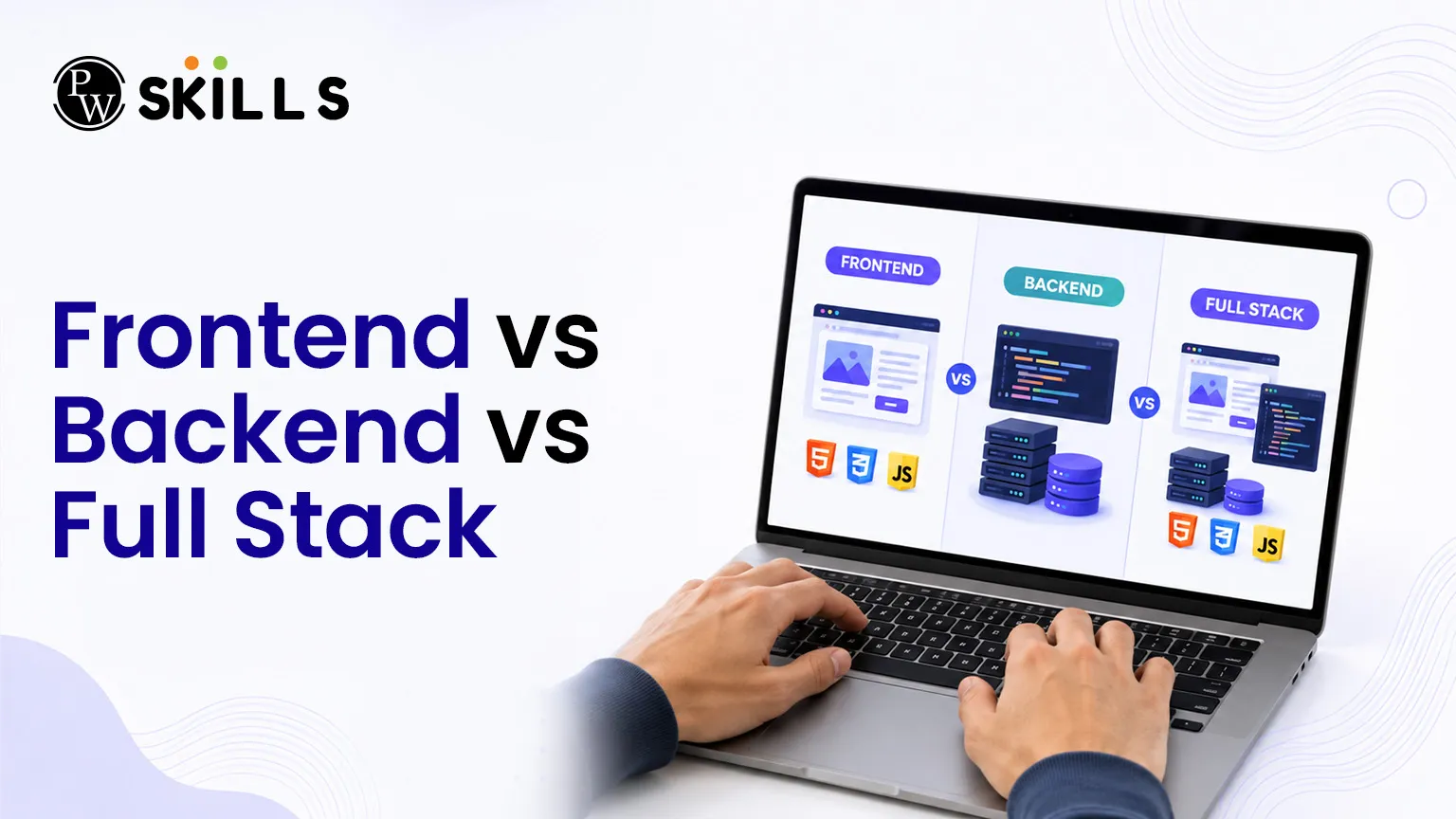
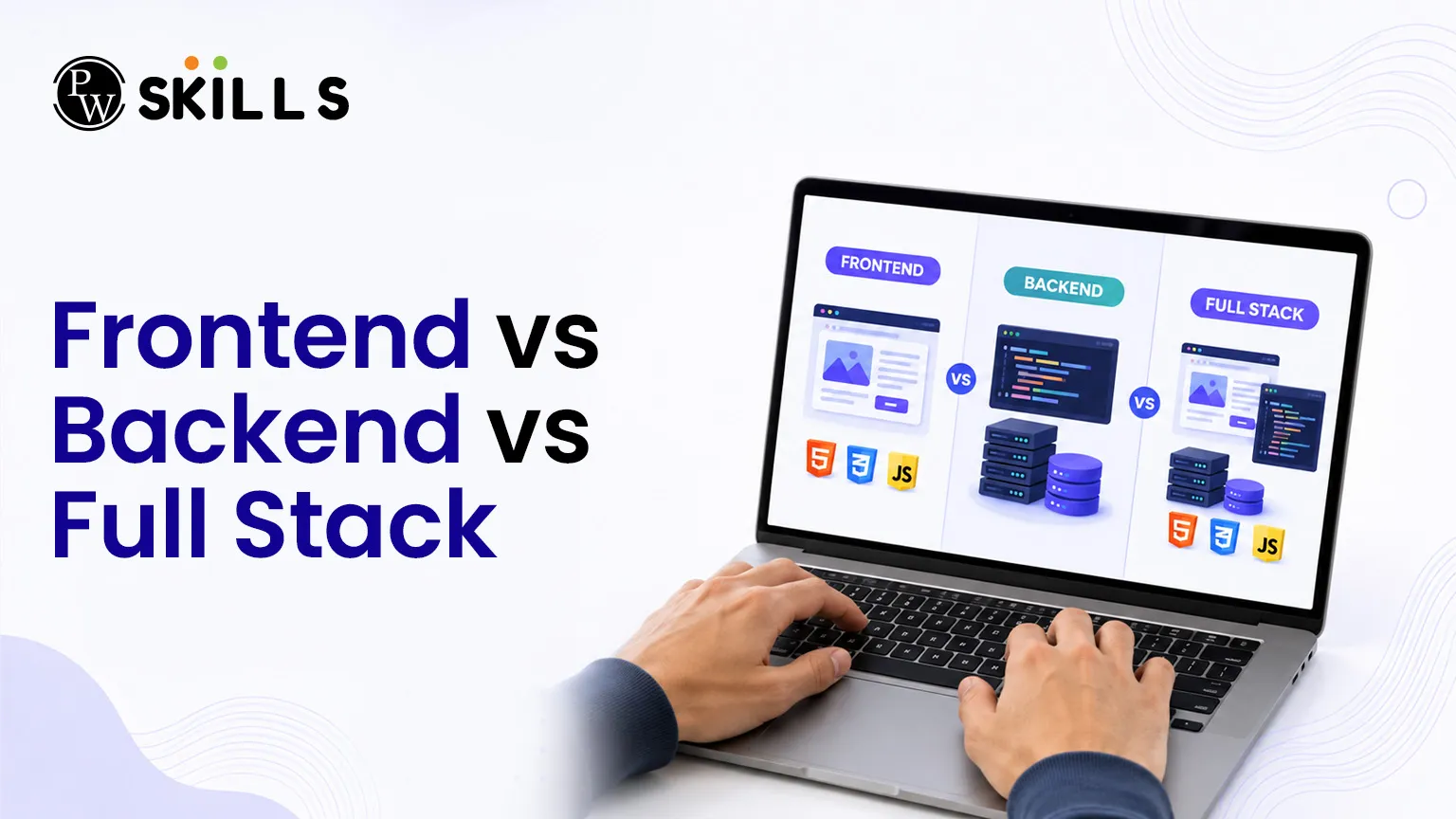
The choice between Frontend vs Backend vs Full Stack influences your daily engineering routine, the software development tools you learn, and your long-term software development roles. Choosing a path requires evaluating whether you prefer building user interfaces, structuring relational databases, or managing end-to-end application deployments. This article breaks down each technical speciality to help you build a clear roadmap.
Skills, Tools, and Technologies in Frontend vs Backend vs Full Stack
Every specialized engineering track requires a specific technical stack and distinct problem-solving methodologies.
Frontend Development: The Client-Side Ecosystem
Frontend engineering focuses entirely on client-side environments, processing code directly inside the user's web browser. Developers convert design mockups into responsive, interactive digital layouts.
-
Core Languages: HTML5 structures content, CSS3 controls layout aesthetics, and JavaScript manages dynamic browser behaviours.
-
Modern Frameworks: Libraries like React, Angular, and Vue.js streamline state management and component rendering.
-
Key Engineering Concepts: UI/UX alignment, responsive design layouts, web performance tracking, and digital accessibility compliance.
Read In Detail: What is Frontend Development? Complete Explanation
Backend Development: The Server-Side Infrastructure
Backend engineering operates behind the scenes, managing remote servers, data processing operations, and secure API gateways.
-
Programming Languages: Python, Node.js, Java, C#, and Go power complex business logic.
-
Framework Options: Systems rely heavily on Django, Flask, Express.js, and Spring Boot.
-
Database Architectures: Storage uses relational engines like MySQL and PostgreSQL alongside NoSQL systems like MongoDB.
-
Key Engineering Concepts: RESTful API creation, database indexing, user authentication protocols, and system security frameworks.
Read In Detail: What is Backend Development? Skills, Salary, Roles & More
Full Stack Development: End-to-End Orchestration
Full stack engineers work across both environments, combining client-side design with server-side infrastructure.
-
Integrated Tech Stacks: Developers use unified setups like MERN (MongoDB, Express, React, Node.js).
-
Infrastructure & Deployment: Systems leverage AWS, Docker containers, Git, and automated CI/CD pipelines.
Read In Detail: What is Full Stack Development? A Complete Guide for 2026
| Metric | Frontend Developer | Backend Developer | Full Stack Developer |
| Primary Focus | User Interface & Experience | Server Logic & Databases | Complete Application Lifecycles |
| Execution Environment | Client-Side (Web Browser) | Server-Side (Cloud/Hardware) | Both Environments Combined |
| Core Software Tools | React, HTML, CSS, JavaScript | Python, Node.js, SQL, Django | MERN Stack, Docker, Cloud Platforms |
Benefits of Frontend vs Backend vs Full Stack
There are professional advantages to specializing, and these depend on the market and on your style of engineering.
Advantages of Choosing Frontend Development
-
Instant Visual Feedback: As you code, changes immediately appear on screen, facilitating easier testing and iteration.
-
Strong UX Focus: Developers are involved in how people experience goods, mixing creative and technical skills.
-
Accessible Entry Point: Clear visual outputs make foundational concepts highly approachable for beginners.
Advantages of Choosing Backend Development
-
System Architecture Mastery: Engineers design complex logical workflows, data models, and system integrations.
-
Focus on Scalability: Work centres on optimising application performance, query efficiency, and core data security.
-
High Enterprise Utility: Large businesses prioritise backend stability, ensuring steady demand for specialized database professionals.
Advantages of Choosing Full Stack Development
-
Maximum Professional Versatility: Full stack talent can transition fluidly between interface design and database engineering.
-
Independent Prototyping: Engineers can build, test, and deploy functional minimum viable products entirely on their own.
-
Broader Career Opportunities: Versatile skillsets match startup environments where developers manage multiple technical responsibilities.
How to Choose the Right Career Path in Frontend vs Backend vs Full Stack
Selecting a direction requires evaluating your personal problem-solving style alongside your long-term web development career goals.
[Are you choosing a development path?]
│
┌─────────────────┴─────────────────┐
▼ ▼
[Do you prefer visuals?] [Do you prefer data/logic?]
│ │
┌────────┴────────┐ ┌────────┴────────┐
▼ ▼ ▼ ▼
(Yes) (No) (Yes) (No)
│ │ │ │
▼ └────────┬────────┘ ▼
[Frontend Path] │ [Explore Other Stacks]
▼
[Do you want to manage both?]
│
┌───────────┴───────────┐
▼ ▼
(Yes) (No)
│ │
▼ ▼
[Full Stack Path] [Backend Path]
Analyze Your Natural Problem-Solving Instincts
Your cognitive style tells you what software development roles are best for you:
-
If you like to tweak UI alignments, fine-tune animations and worry about accessibility, then the frontend developer route is where your skills lie.
-
If you like to optimize complex database queries, construct application architecture and build secure data pipelines then backend developer track is good for your analytical nature.
-
Full stack developer routes are good for you if you like to manage the whole project lifecycle, connect frontend views to servers, and orchestrate deployments.
Evaluate Long-Term Professional Demands
Today’s industrial developments richly reward adaptive engineers. Big organisations tend to recruit deep specialists for certain frontend or backend functions, but new startups are typically looking for flexible full stack skills to keep teams nimble. Joining a structured training program like the Full Stack Development with AI course offers a hands-on way to learn client-side design and server-side engineering.
Frontend vs Backend vs Full Stack Key Takeaways
There is no single "best" choice in the Frontend vs Backend vs Full Stack debate. The right path depends on your interests, strengths, and career goals. If you enjoy creating engaging user experiences, frontend development may be the ideal fit. If solving complex logical problems and managing data excites you, backend development could be the better option. For those who want to work across the entire application lifecycle, full stack development offers the greatest versatility. Regardless of the path you choose, consistent learning and hands-on practice will be the key to building a successful career in software development.




FAQs
Which career track pays a higher entry-level salary?
Can I transition to full stack engineering later in my career?
Is AI changing the developer roadmap for new engineers?
Which programming languages should a beginner learn first?
How long does it take to learn full stack development?





Get Free Counselling Today
and Clear up all your Doubts
 Live & recorded classes available at easeDashboard for progress trackingLakhs of practice questions

