
GST Accounting Basics Every Beginner Should Learn

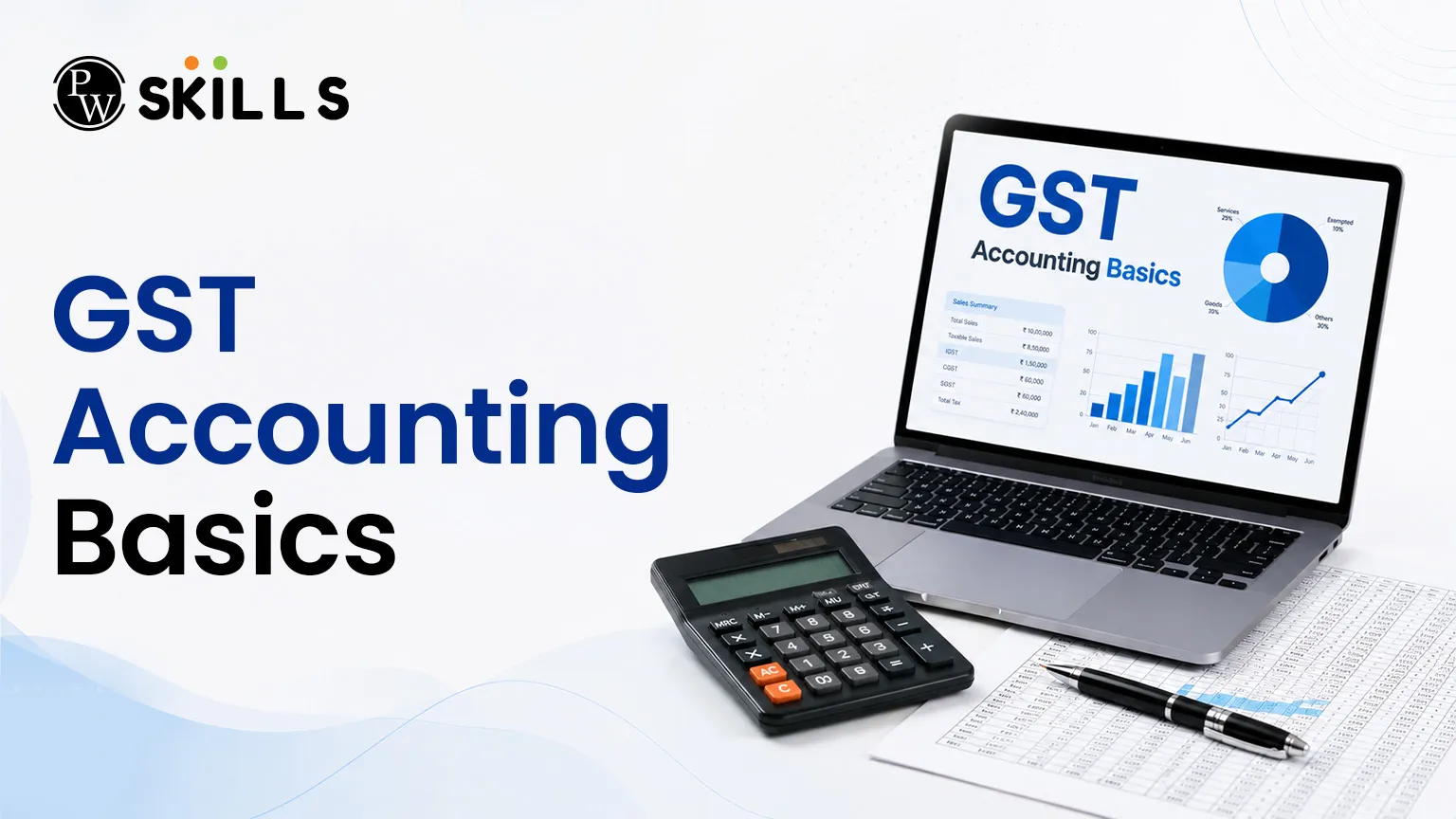
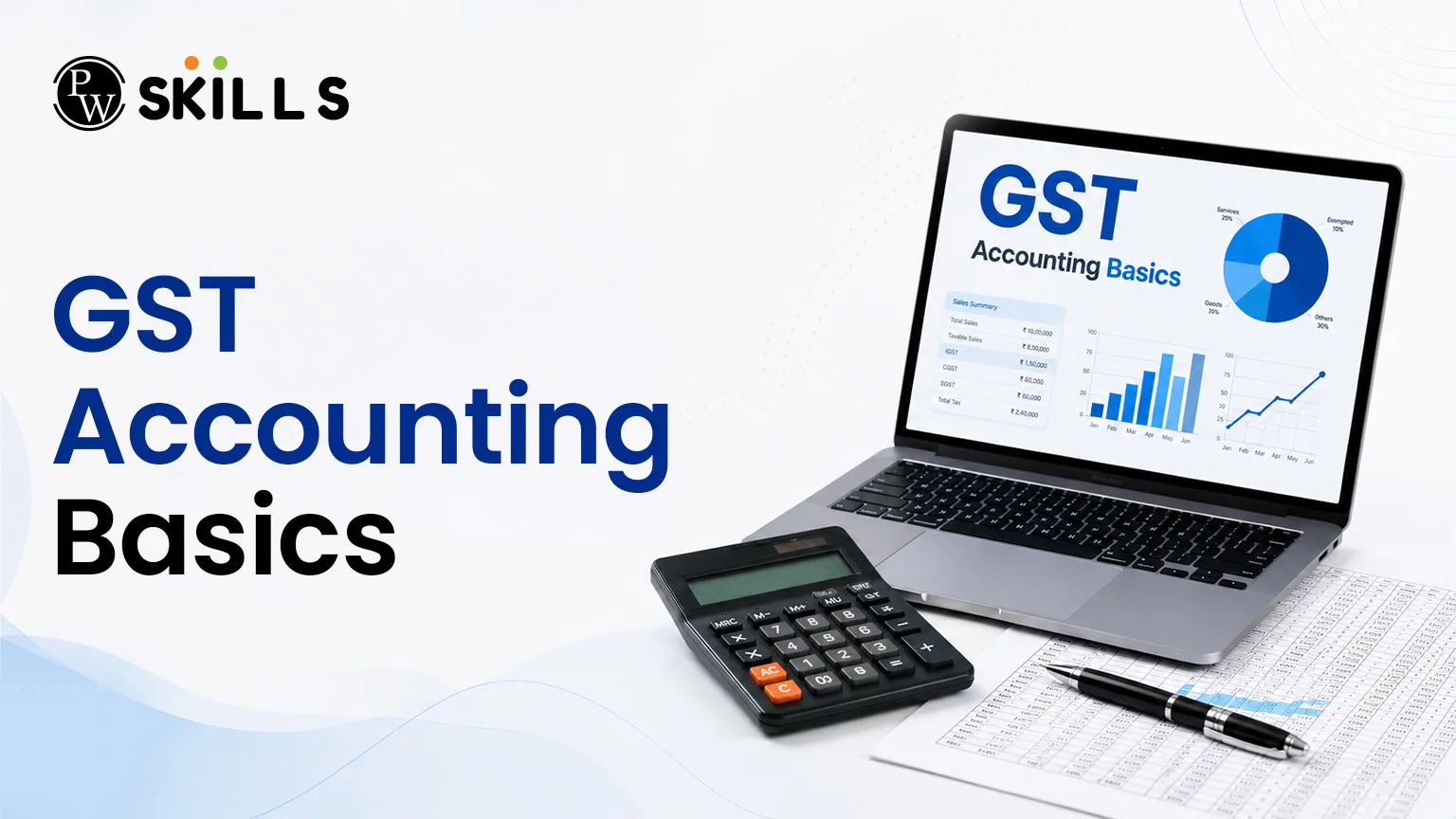
Sales and purchases can have complex tax consequences that many beginners don't understand, leading to costly filing mistakes. This problem is solved by understanding the GST accounting basics. The basics of GST accounting provides a systematic framework to record the transactions accurately and ensure that your business remains compliant.
Why You Need to Know GST Accounting Basics?
You need to have a solid understanding of modern tax systems to enter the financial world. A good grasp of GST accounting is essential for any business owner or accountant to keep accurate financial records. It takes the guesswork out of it and makes sure every invoice is compliant with national tax laws.
Core Benefits for Beginners
-
Legal Compliance: Avoid hefty penalties by recording tax liabilities correctly from day one.
-
Financial Accuracy: Keeps your profit and loss statements accurate by separating tax amounts from actual business revenue.
-
Career Growth: Enhances your employability in corporate finance and commercial bookkeeping roles.
What is the Foundation of GST Accounting Basics?
Before recording transactions, you must understand how the Goods and Services Tax system operates. In a dual-GST model, taxes are split between central and state governments depending on where the transaction happens. This structure keeps GST bookkeeping organized and transparent.
The Three Main Tax Components
-
CGST (Central Goods and Services Tax): Collected by the central government on intra-state sales (within the same state).
-
SGST (State Goods and Services Tax): Collected by the state government on intra-state sales.
-
IGST (Integrated Goods and Services Tax): Collected by the central government on inter-state transactions (between different states).
The table below breaks down how these taxes apply based on location:
|
Transaction Type |
Location of Supply |
Applicable Tax Components |
|
Intra-State |
Same state as the business |
CGST + SGST (Split equally) |
|
Inter-State |
Different state or territory |
IGST (Full rate applied) |
How to Record Ledgers in GST Accounting Basics?
To keep clean records, you have to create specific tax accounts called ledgers. So instead of throwing all taxes in a bucket, you split them up so you can keep track of what you owe vs what you are owed. This process is essential to learn the basics of GST accounting.
Essential Ledgers Every Beginner Must Create
-
Input Tax Ledgers: Used for purchasing goods or services (Input CGST, Input SGST, Input IGST).
-
Output Tax Ledgers: Used for selling goods or services (Output CGST, Output SGST, Output IGST).
-
Electronic Cash Ledger: A digital wallet on the government portal used to pay tax liabilities.
Also check: Taxation System in India: Understanding the Indian Tax System
Input Tax Credit in GST Accounting Basics
The most critical part of commercial taxation is the Input Tax Credit (ITC). It allows businesses to reduce the tax they collect from customers by the amount of tax they already paid to suppliers. Grasping this concept is a vital milestone in learning accounting fundamentals.
-
You buy raw materials for your business and pay input tax to your supplier.
-
You sell the finished product to a consumer and collect output tax.
-
You subtract the input tax from the output tax, paying only the remaining balance to the government.
Important Note: You can only claim ITC if you hold a valid tax invoice and your supplier has filed their returns correctly on the portal.
Journal Entries for GST Accounting Basics
Let us look at how transactions actually appear in a general journal. Recording these entries correctly prevents discrepancies during audits. These examples showcase GST accounting basics applied to everyday business scenarios.
Scenario 1: Intra-State Purchase of Goods
When a business buys goods worth 10,000 INR within the same state at a 18% tax rate, the entry splits the tax between the central and state accounts:
-
Purchase Account: Dr. 10,000
-
Input CGST Account: Dr. 900
-
Input SGST Account: Dr. 900
-
To Creditor Account: Cr. 11,800
Scenario 2: Intra-State Sale of Goods
When selling those goods for 15,000 INR within the same state, the collected tax must be recorded as a liability:
-
Debtor Account: Dr. 17,700
-
To Sales Account: Cr. 15,000
-
To Output CGST Account: Cr. 1,350
-
To Output SGST Account: Cr. 1,350
How to do GST Compliance in GST Accounting Basics?
Maintaining compliance requires regular checks and systematic data entries. Missing deadlines or miscalculating values can disrupt business operations. Following a strict routine ensures seamless GST compliance throughout the financial year.
The following steps outline the standard sequence for managing periodic tax data entries:
1. Issue Valid Invoices: Create sequential invoices containing your unique tax identification number, clear HSN codes, and distinct tax breakdowns.
2. Reconcile Purchase Data: Compare your internal purchase register with the automated tax portals to ensure all supplier invoices match perfectly.
3. Calculate Net Tax Liability: Offset your total Output Tax against your eligible Input Tax Credit to determine your final payable amount.
4. File Returns and Pay Balance: Submit the required monthly or quarterly returns through your software or the official portal and clear dues via net banking.
How TallyPrime Simplifies GST Accounting Basics?
Paper ledgers teach you the basics, but manual calculations slow down your business growth. Automated tools are used by modern firms to manage high-volume data entries, tax generation, and digital invoicing.
-
Automatic Tax Calculations: Eliminates manual errors by instantly applying correct CGST, SGST, or IGST percentages.
-
Instant E-Invoicing: Generates government-compliant electronic invoices with a single click.
-
Error Prevention: Warns you immediately if an invoice misses required details or uses mismatched tax components.
A structured financial course can help you develop industry-ready skills and master these digital workflows, improving your career prospects.
Read in Detail: What Is Tally? Meaning, Uses, Features & Types Explained



FAQs
What is the difference between direct tax and indirect tax?
Can a beginner manage business taxation without an accounting degree?
What happens if a business inputs the wrong GST number on a sales invoice?
Is the input tax credit applicable to regular office refreshments?





Get Free Counselling Today
and Clear up all your Doubts
 Live & recorded classes available at easeDashboard for progress trackingLakhs of practice questions

