
2026 Hiring Outlook for Finance Support Associates: Reading Between the Job-Portal Numbers
 Hardik Gupta19 Sept, 2026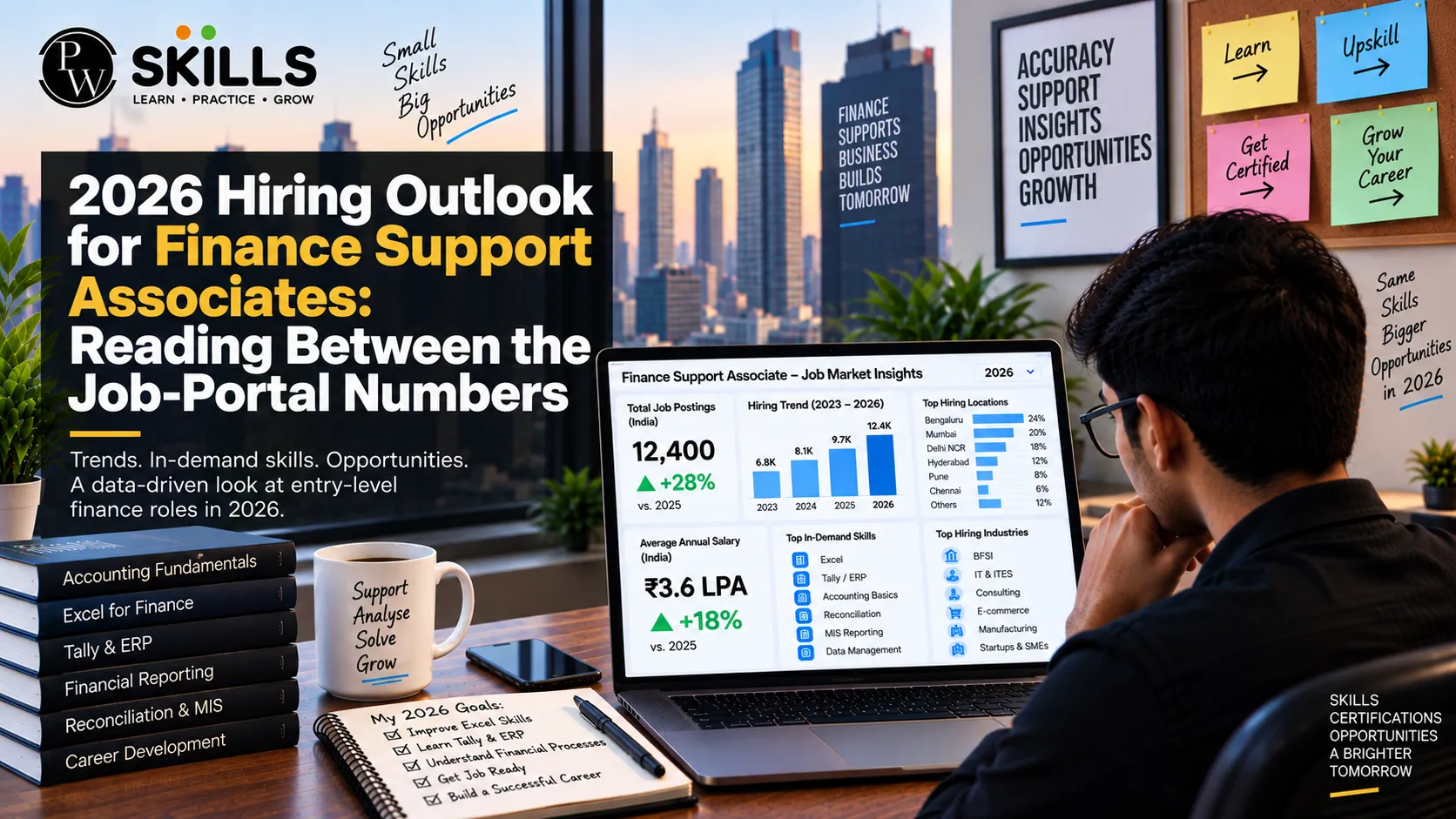
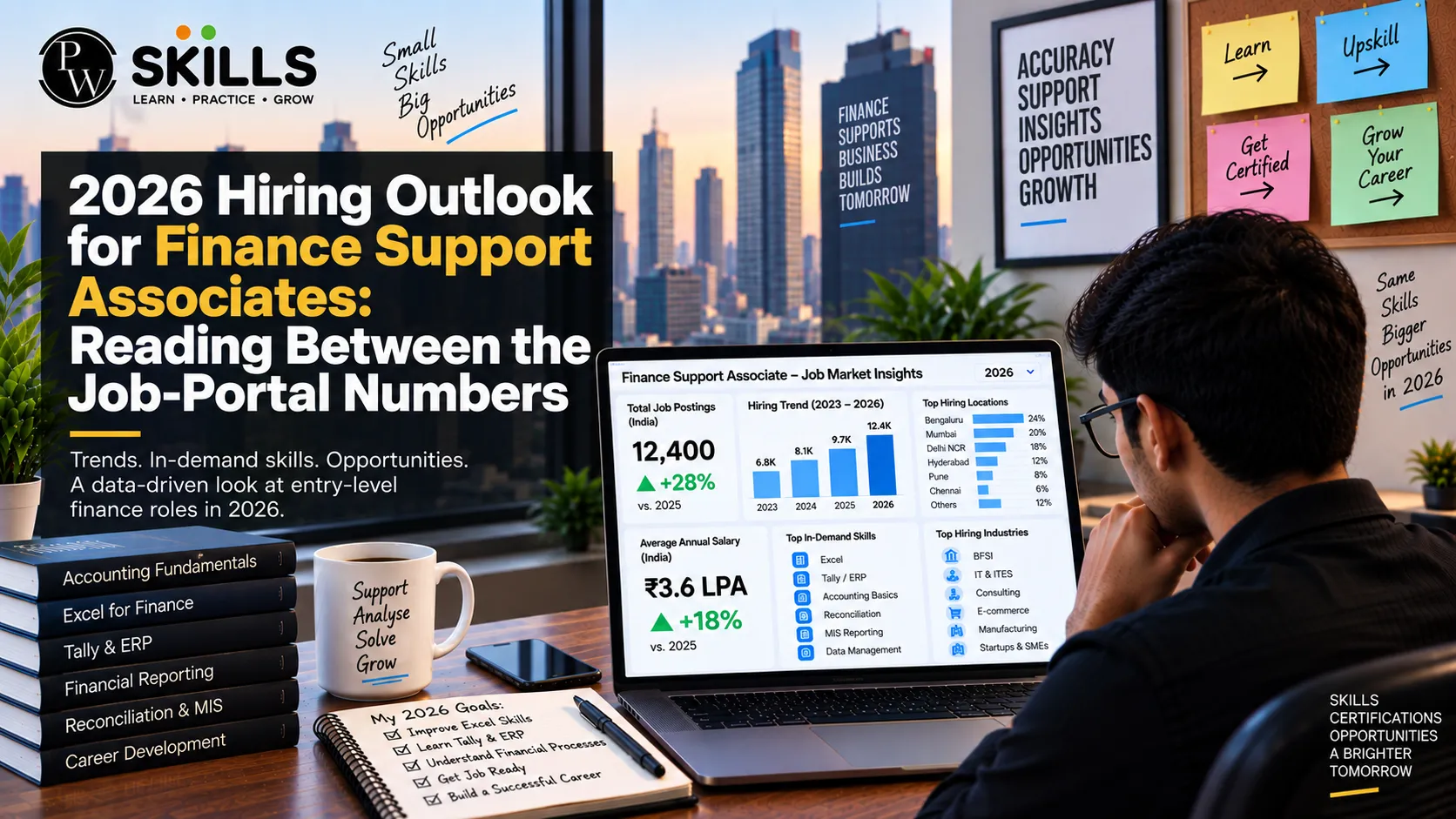
Navigating modern job portals often feels overwhelming for aspiring finance professionals trying to decode hiring requirements. Traditional academic degrees frequently fail to bridge the gap between theoretical knowledge and practical workplace execution. Job seekers face fierce competition, making it vital to understand what recruiters actually look for behind the numbers.
Recent updates and regulatory shifts, including various SEBI NISM Circulars, place heavy emphasis on compliance-ready skills. Aspirants need targeted credentials like NISM & Tally Certification Courses to stand out in a crowded market. Bridging this competency gap transforms portal rejections into interview callbacks.
Overview of NISM & Tally Certification Courses
NISM & Tally Certification Courses help learners build practical skills in financial markets, accounting, taxation, and financial operations. NISM certifications focus on areas such as securities markets, mutual funds, and investment products, while Tally training helps learners manage accounting records, GST, TDS, and financial reports. Together, these courses can help students and freshers build job-ready skills for finance, accounting, taxation, securities operations, and financial services roles.
How Do NISM & Tally Certification Courses Help With Job Portals?
Modern recruitment processes often use applicant tracking systems to scan resumes for relevant skills and qualifications. When companies hire finance support associates, they may look for candidates who understand accounting software, financial records, financial markets, and compliance processes.
NISM & Tally courses can help candidates show that they have developed specific job-related skills.
Key benefits include:
-
Resume Shortlisting: Relevant certifications and software skills can make a resume more closely match the requirements of a finance job.
-
Skill Verification: Certifications give employers an additional way to see that a candidate has completed focused learning.
-
Regulatory Alignment: Knowledge of financial rules can help candidates understand compliance-related work in financial institutions.
-
Practical Knowledge: Tally skills can help learners understand accounting entries, ledgers, reports, and other common finance tasks.
A certification does not guarantee selection, but it can make a candidate's profile more relevant when combined with practical skills and good interview preparation.
What Skills Do NISM & Tally Certification Courses Teach for Securities Jobs?
Recent NISM & Tally Certification Courses + Securities Market Professional Jobs News points toward a growing need for professionals with multiple skills. Financial companies need employees who can work with data, maintain accurate records, use digital tools, and understand basic market and compliance requirements.
Important competencies include:
-
Data Accuracy: Finance professionals must maintain correct records because even small errors can affect reports and business decisions.
-
Software Fluency: Knowledge of accounting and financial software can help employees complete daily tasks faster and with fewer errors.
-
Compliance Awareness: Understanding basic financial rules helps employees follow company processes and reduce compliance risks.
-
Analytical Skills: Candidates should be able to read financial information, identify errors, and understand basic trends.
-
Communication Skills: Finance professionals often need to explain reports, transactions, or client-related information clearly.
These skills can help candidates prepare for finance support, accounting, operations, and securities-related roles.
How Do NISM & Tally Certification Courses Help With SEBI NISM Circulars?
Regulatory knowledge is important in India's financial services industry. Financial institutions must follow rules related to investors, transactions, markets, and professional activities.
Candidates following SEBI NISM Circulars can better understand how regulatory requirements may affect specific roles and certifications. This is especially useful for professionals who want to work in securities markets, mutual funds, investment operations, or related financial services.
Important areas include:
-
Mandatory Benchmarks: Some financial roles require specific certifications or qualifications based on their responsibilities.
-
Risk Reduction: Employees with proper compliance knowledge can help reduce mistakes in financial and operational processes.
-
Professional Readiness: Understanding regulatory requirements can make candidates better prepared for roles involving financial products and investor services.
-
Career Growth: Keeping knowledge updated can help professionals remain prepared as industry rules and processes change.
Candidates should always check the latest official requirements for the specific role they want because certification requirements can differ between financial activities.
How Do NISM & Tally Certification Courses Help With Finance Hiring?
Job portals have made it easier for companies to reach a large number of candidates. However, this also means that job seekers face greater competition.
Recruiters often receive many applications for entry-level finance positions. A resume that clearly lists relevant skills, certifications, software knowledge, and practical projects can be easier to evaluate.
Candidates should make sure their resumes clearly mention:
-
NISM certification, where relevant
-
Tally and accounting software skills
-
GST and TDS knowledge
-
Excel and data-handling skills
-
Financial market knowledge
-
Academic qualifications
-
Practical projects or internships
This approach helps candidates present their skills clearly instead of relying only on their degree.
How Do NISM & Tally Certification Courses Improve Career Growth?
The current Hiring-outlook-hook shows why candidates need to focus on practical and job-ready skills. A degree provides an important foundation, but additional skills can help candidates match specific job requirements.
Candidates can improve their preparation through:
-
Targeted Upskilling: Learn accounting software, financial market concepts, Excel, and relevant compliance topics.
-
Portfolio Building: Add practical projects that show how you can apply your knowledge.
-
Resume Improvement: Keep certifications and technical skills clearly visible on your resume.
-
Interview Practice: Prepare for questions related to accounting, finance, markets, and compliance.
-
Continuous Learning: Follow important industry and regulatory updates to keep your knowledge current.
How Do NISM & Tally Certification Courses Work Together?
NISM and Tally cover different but useful areas of finance. NISM focuses on financial markets and related professional knowledge, while Tally supports practical accounting and business record management.
Together, these skills can help candidates explore a wider range of entry-level opportunities.
For example, Tally knowledge can support careers such as:
-
Junior Accountant
-
Accounts Assistant
-
Taxation Executive
-
Tally Operator
Relevant NISM certification can support roles connected with:
-
Mutual Fund Distribution
-
Securities Operations
-
Financial Services
-
Investment Operations
-
Wealth Management Support
The exact role and certification requirement depend on the job and applicable regulations.
How Can Freshers Prepare With NISM & Tally Certification Courses?
Freshers should focus on building a balanced skill set rather than collecting many certificates without practical knowledge.
A simple preparation plan can include:
Step 1: Build accounting basics
Learn financial accounting, ledgers, journal entries, GST, TDS, and basic financial statements.
Step 2: Learn accounting software
Practise common tasks in Tally and understand how businesses use accounting software.
Step 3: Understand financial markets
Learn basic concepts related to securities, mutual funds, investment products, and market operations.
Step 4: Complete relevant certification
Choose a suitable NISM certification based on the career role you want to pursue.
Step 5: Build practical projects
Create sample accounting reports, financial analysis work, or other projects that demonstrate your skills.
Step 6: Apply strategically
Use job portals to target roles that match your qualifications instead of applying randomly to every finance vacancy.



FAQs
What makes NISM & Tally Certification Courses useful for finance roles?
How do SEBI NISM Circulars impact everyday hiring decisions?
Can fresh graduates secure jobs using only NISM & Tally Certification Courses?
Where can professionals track updates regarding Securities Market Professional Jobs News?
How does the current Hiring-outlook-hook influence candidate preparation?





Get Free Counselling Today
and Clear up all your Doubts
 Live & recorded classes available at easeDashboard for progress trackingLakhs of practice questions

