

How AI Avatars Are Changing Video Creation: Benefits, Limitations & Use Cases

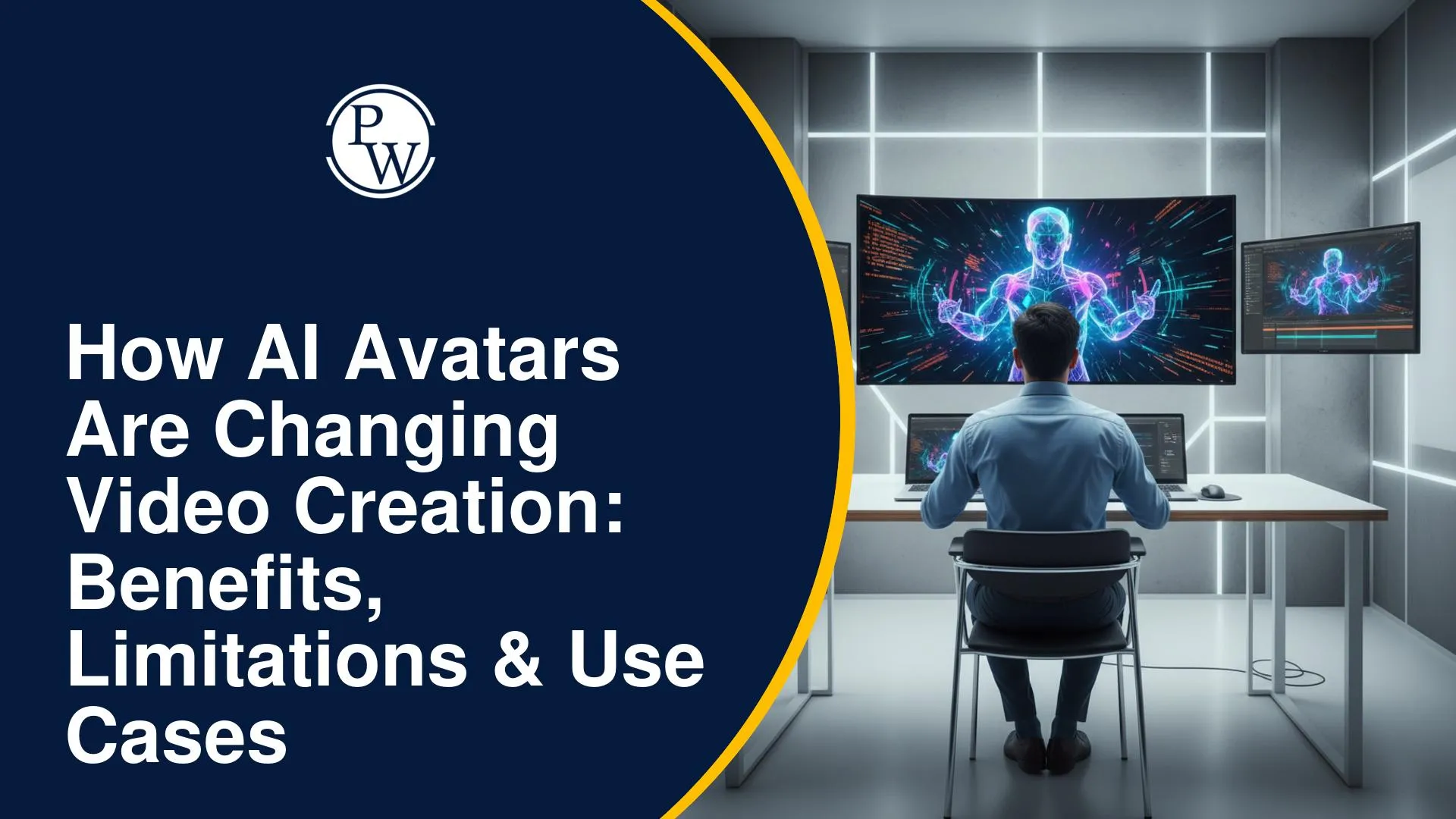
AI-generated videos are rapidly transforming classroom learning, online courses, and digital study tools. Video production no longer requires expensive recording studios, cameras, and long editing hours. By combining an AI avatar generator, smart text scripts, and speech synthesis, students and teachers can build full educational videos in under 10 minutes.
Research published in the British Journal of Educational Technology suggests that an AI video creation pipeline helps students learn vocabulary faster while keeping them focused.
What Is an AI Avatar?
An AI presenter or virtual character is created using software algorithms to mimic human speech, facial movements, and gestures on screen. Unlike old computer graphics, modern AI technology uses text-to-speech engine tools and lip-synthesis to synchronize natural voice delivery with realistic face movements, including eye blinks.
How Does AI Video Creation Work?
Creating a complete digital avatar video follows a simple three-step process:
-
Script Generation: Text-based tools or Large Language Models convert presentation slides into lecture scripts.
-
Avatar Synthesis: Voice engines convert the text into speech while an AI talking avatar matches lip movements to the audio track.
-
Video Compositing: The on-screen presenter is merged with lesson slides into a ready-to-watch video file.
Benefits of Using AI Avatars in Instructional Videos
This section explains how AI avatars can make instructional videos more engaging, consistent, and efficient for educators and learners.
|
Benefit |
How It Helps |
|
Higher Information Retention |
Students can recall key words and facts better compared to traditional human recordings. |
|
Reduced Cognitive Load |
Clear presentation reduces mental strain and helps learners focus directly on the content. |
|
Standardized & Clear Speech |
AI avatars provide consistent accents and clear speech without vocal stutters or interruptions. |
|
Fast & Low-Cost Creation |
Text and slides can be converted into instructional videos quickly without the need for expensive recording equipment. |
1. Superior Information Retention
A scientific study comparing an AI spokesperson video against traditional recorded human videos found that students watching AI-generated lessons scored higher in word retention tests.
2. Reduced Cognitive Strain
Watching real human instructors can sometimes trigger social pressure or distraction. An AI talking avatar provides a calm, steady presentation that lowers cognitive load, which may reduce cognitive strain and help students focus on the content .
3. Clear and Standardized Delivery
Human instructors may vary in accent, tone, or speaking speed. Modern voice engines provide consistent pronunciation, making AI videos ideal for language instruction.
4. Fast and Scalable Production
Creating traditional educational videos takes hours of rehearsal, studio setups, and editing. With an AI avatar generator, teachers and students can generate video content in a fraction of the time.
Current Limitations of AI Avatars in Video Creation
While AI video creation offers several benefits, it also comes with important limitations:
-
Lower Social Presence: AI avatars may provide less emotional connection or social presence than a live human teacher.
-
Missing Subtle Micro-Expressions: Deep emotional cues, spontaneous body language, and subtle expressions can be difficult for synthetic presenters to replicate perfectly.
-
Domain Limitations: AI-generated scripts and avatars work exceptionally well for language learning and basic topics, but complex subjects like advanced calculus or engineering require careful human verification to avoid logical errors or AI hallucinations.
Use Cases of AI Avatars for Students and Educators
This section highlights practical ways students and educators can use AI avatars for learning, revision, and supplementary instruction.
-
Language Learning: Ideal for learning foreign languages where clear, standard pronunciation is essential.
-
Microlearning Modules: Quickly creating short 5-minute explanation clips for revision before exams.
-
Flipped Classrooms & Extra Study: Generating bite-sized supplementary lesson summaries that students can review at their own pace.
-
Educational Equity: Allowing schools in remote or under-resourced areas to rapidly produce and share high-quality video content.
Should You Use an AI Avatar for Your Next Lesson?
AI avatars are best treated as a production shortcut, not a teaching replacement. They're a strong fit for structured, repeatable content, language drills, microlearning, revision summaries, where clarity and speed matter more than emotional nuance. For material that depends on rapport, spontaneity, or complex reasoning, a human presenter (or at least a human review pass) still does the heavier lifting.
FAQs
What is an AI talking avatar in educational videos?
How is an AI spokesperson video different from a traditional recorded video?
Can an AI avatar generator improve student test scores?
Are AI video creation tools hard to use for students and teachers?





Get Free Counselling Today
and Clear up all your Doubts
 Live & recorded classes available at easeDashboard for progress trackingLakhs of practice questions

