

3D Animation Guide: Career Paths, Skills & Learning Process Explained
 Mishika Gupta9 Aug, 2026
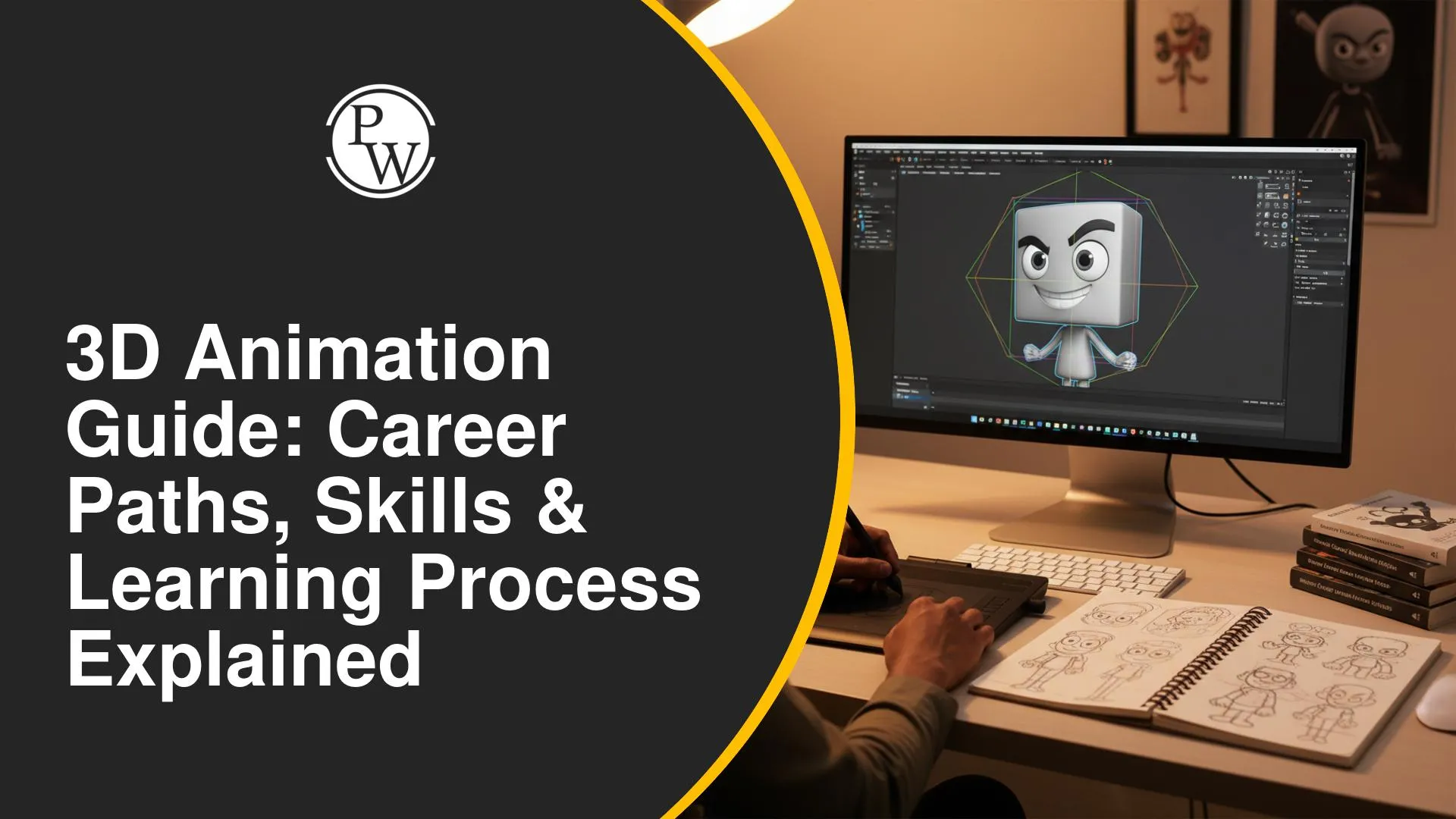
3D Animation is transforming industries like films, gaming, advertising, and digital media by helping creators develop realistic characters, environments, and visual experiences. However, beginners often struggle to understand the right learning path, software tools, and skills needed to enter this creative field.
A 3D animation course can help you learn the complete animation process, including 3D modelling, texturing, rigging, and animation techniques. PW Skills helps learners build essential creative and technical skills through practical learning, enabling them to understand industry tools and take their first steps towards a career in 3D animation.
How Does the 3D Animation Process Work?
Creating a 3D animation involves multiple stages, where artists transform an idea into a complete visual experience. Each stage requires creativity, technical skills, and knowledge of animation tools.
-
Concept Development and Storyboarding
The first stage involves developing an idea and planning how the final animation will look. Artists create sketches, references, and storyboards to decide the characters, environment, camera angles, and overall visual direction.
A well-planned concept helps the production team understand the sequence and purpose of the animation.
-
3D Modelling and Asset Creation
3D modelling involves creating digital objects, characters, and environments using specialised software. Artists use different techniques to build shapes and add details that make models look realistic.
For example, a character model may include facial features, clothing, and other details required for animation.
-
Texturing and Shading
After creating a model, artists add colours, patterns, and surface details through texturing. Shading helps define how different materials appear, such as metal, glass, skin, or fabric.
This stage gives digital objects a realistic appearance and improves the overall quality of the animation.
-
Rigging and Character Animation
Rigging involves creating a digital skeleton inside a 3D model so that it can move naturally. This process is especially important for character animation, as it allows artists to control movements, expressions, and actions.
After rigging, animators create movements by applying poses and actions to bring characters and objects to life.
-
Lighting, Rendering, and Final Output
Lighting adds depth, mood, and realism to the scene. Once all elements are completed, rendering converts the digital scene into the final animated output.
The final stage may also include editing, sound integration, and other post-production improvements.
What Skills Do You Need to Learn 3D Animation?
Building a successful animation career requires a combination of creative understanding and technical expertise. Developing these skills can help you create professional-quality projects.
Creative Skills
Creative skills help artists develop unique and visually appealing animations. Important creative abilities include:
-
Storytelling and visual communication
-
Understanding character design
-
Observation skills
-
Knowledge of colours, shapes, and composition
Technical Skills
Technical knowledge helps artists use animation tools effectively. Key technical skills include:
-
3D modelling
-
Texturing and shading
-
Rigging and animation
-
Understanding animation principles
-
Working with animation software
-
Rendering techniques
Professional Skills
Along with technical abilities, professional skills are also important for working in animation teams. These include:
-
Collaboration
-
Time management
-
Problem-solving
-
Building a strong portfolio
How Can Beginners Start Learning 3D Animation?
Starting a journey in 3D animation becomes easier when you follow a step-by-step learning approach. Beginners can begin by understanding basic animation concepts and gradually develop advanced skills.
Some effective ways to learn 3D animation include:
-
Learn fundamental animation principles
-
Practise using beginner-friendly animation software
-
Understand 3D modelling and character creation
-
Work on small animation projects
-
Build a portfolio showcasing your skills
-
Learn from a 3D animation course with practical training
Consistent practice and hands-on experience play an important role in improving animation skills.
What Career Opportunities Are Available After Learning 3D Animation?
A career in 3D animation offers opportunities across entertainment, gaming, advertising, and digital media industries. Professionals can choose different roles based on their interests and skills. Some popular animation jobs include:
|
Job Role |
Responsibilities |
|
3D Animator |
Creates movements for characters and objects |
|
Character Animator |
Develops realistic character actions and expressions |
|
3D Modeller |
Creates digital models and environments |
|
Rigging Artist |
Builds movement systems for characters |
|
Texture Artist |
Adds colours, materials, and surface details |
|
Lighting Artist |
Creates realistic lighting effects |
|
Motion Graphics Artist |
Designs animated visual content |
With experience and skill development, professionals can explore advanced roles in animation production and creative leadership.
How Does a Career in 3D Animation Grow?
A career in 3D animation develops with continuous learning, practical experience, and improvement of creative skills. Beginners usually start by building basic knowledge and gradually move towards specialised roles.
A typical career growth path may include:
-
Beginner Level: Junior 3D Artist, Animation Intern, Modelling Assistant
-
Intermediate Level: 3D Animator, Character Animator, Rigging Artist
-
Advanced Level: Senior Animator, Animation Supervisor, Creative Lead
-
Leadership Level: Animation Director or Creative Director
Building a strong portfolio and staying updated with new tools can help professionals progress in the animation industry.
How Can PW Skills Help You Build Your 3D Animation Skills?
Learning 3D animation requires proper guidance, practical exposure, and knowledge of industry tools. PW Skills helps learners understand the fundamentals of animation and develop skills required for creative and technical roles.
Through a 3D animation course, learners can focus on:
-
Understanding the basics of 3D animation workflow
-
Learning essential animation concepts and techniques
-
Exploring industry-relevant software tools
-
Developing practical projects to improve skills
-
Building confidence to begin a career in animation
With consistent practice and the right learning approach, beginners can develop the skills needed to explore opportunities in the animation industry.
A career in 3D Animation requires creativity, technical knowledge, and continuous skill development. With the right learning resources and practical exposure, beginners can explore opportunities in this growing field. PW Skills helps learners build essential animation skills, understand industry tools, and gain the confidence needed to take their first step towards an animation career.
3D Animation Guide FAQs
What skills are required for 3D animation?
What jobs can I get after learning 3D animation?
Is a 3D animation course useful for beginners?





Get Free Counselling Today
and Clear up all your Doubts
 Live & recorded classes available at easeDashboard for progress trackingLakhs of practice questions

