

DevOps Principles: Best DevOps Practices To Follow In 2025
DevOps principles are the guidelines and practices that help implement DevOps throughout the complete software development cycle. Let us learn the most important devOps principles and best practices in this article.
 Varun Saharawat30 Oct, 2025
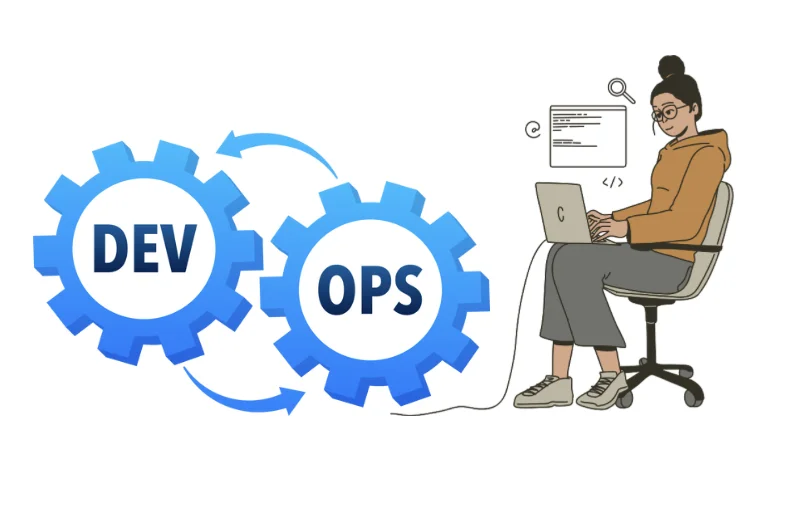
DevOps principles include agile and better practices to provide a better understanding and faster development of the software applications based on user’s needs and requirements. DevOps builds a bridge between the development and operations teams which helps the DevOps team to deliver software applications at a faster pace and provide a well-optimised integration and development compared to traditional software development methods.
In this article, we are going to uncover the top 5 devOps principles and the best practices used in DevOps methodologies.
5 Top DevOps Principles And Working
DevOps uses agile methodologies to adopt new ways of making the software development life cycle more effective and productive.1. Collaboration & Communication
DevOps is more about breaking down barriers to implement more effective communication and integration where the development teams and operations teams can communicate and collaborate using devOps techniques, tools, and best practices. The Development teams and operation teams collaborate to form a combined team to communicate effectively, share feedback, and collaborate throughout the complete software development lifecycle. The DevOps teams hold responsibilities for the complete front end and back end of the software development process.2. Customer Centric Decision Making
 This is one of the most important devOps principles where customer based decisions are more prioritized in software development. Both the Development and operations teams focus on whether the end product is usable and needs of users are getting fulfilled through feedback from customers from existing products.
The DevOps teams collaborate and implement best practices to implement the software development lifecycle. These teams follow agile methodologies to monitor the devOps lifecycle in real time. Tools and effective strategies are made to check how end users interact with the application in real time.
This is one of the most important devOps principles where customer based decisions are more prioritized in software development. Both the Development and operations teams focus on whether the end product is usable and needs of users are getting fulfilled through feedback from customers from existing products.
The DevOps teams collaborate and implement best practices to implement the software development lifecycle. These teams follow agile methodologies to monitor the devOps lifecycle in real time. Tools and effective strategies are made to check how end users interact with the application in real time.
3. Automation in DevOps
The best benefit of the DevOps principle is the implementation of automation techniques in software development processes. Various DevOps tools are available to implement a more effective software development lifecycle. The DevOps goal is to implement automation in each phase of the software development lifecycle based on agile methodologies. DevOps practices aim to implement automation in major processes such as deployment, testing, maintenance, surveys, etc.4. Continuous Improvement
 Continuous improvement is one of the core benefits of devOps principles using agile practices. The Full stack DevOps teams code, deploy, test, and maintain the software development lifecycle and address any bugs or performance issues based on feedback from users or teams.
Continuous improvement affects the Continuous delivery methods allowing devOps teams to push updates and improve the effectiveness of the software applications. Regular updates are made to the product to remove any performance issues and deliver the complete end product to the users.
Continuous improvement is one of the core benefits of devOps principles using agile practices. The Full stack DevOps teams code, deploy, test, and maintain the software development lifecycle and address any bugs or performance issues based on feedback from users or teams.
Continuous improvement affects the Continuous delivery methods allowing devOps teams to push updates and improve the effectiveness of the software applications. Regular updates are made to the product to remove any performance issues and deliver the complete end product to the users.
5. Responsibility of Software Development Lifecycle
In the traditional software development life cycle the software development team is used to code the applications and hand it to the operation team for further evaluations such as testing, deployment, and survey. While in DevOps, software development teams and operations teams collaborate together to offer a more productive and reliable approach to the software development process. The devOps team is answerable for the complete software development process from the initial phase to the end product. Everything is completed in a collaborative environment. Any issues or failures are addressed in real time with updates on the software.Best DevOps Practices To Follow In 2025
Some of the best practices a devOps engineer must follow while implementing devOps methodologies.1. Continuous Integration and Continuous Delivery (CI/CD)
It is important to automate the entire software delivery method and ensure faster and continuous delivery of software applications. Use CI/CD tools such as Jenkins, and Gitlab for faster and more reliable deployments. It is important to follow the DevOps pipeline practices in software development lifecycle.2. Infrastructure as Code (IaC)
Use DevOps-based IaC tools like Ansible, Terraform, and other tools to manage infrastructures in DevOps software development. Always ensure all the IAC Code versions are up to date and ready for rollback whenever needed.3. Fail and Improve
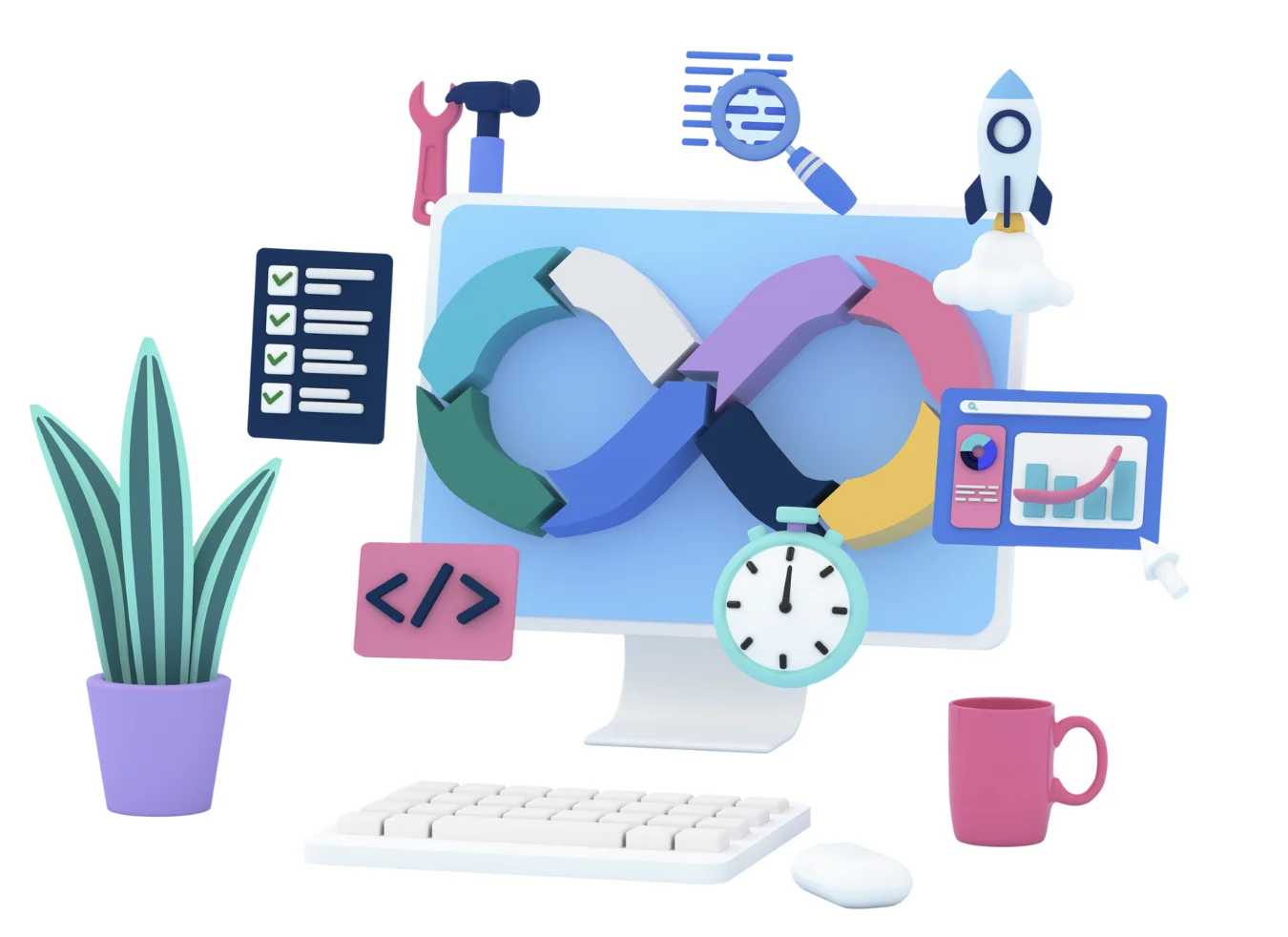 DevOps goes very well with continuous improvement based on users feedback and real time collaboration of experts. Always take failure as an opportunity to deliver better. Ensure flexibility and take risks to discover various methods to implement an effective end product using devOps principles.
4. Improve Security With DevSecOps
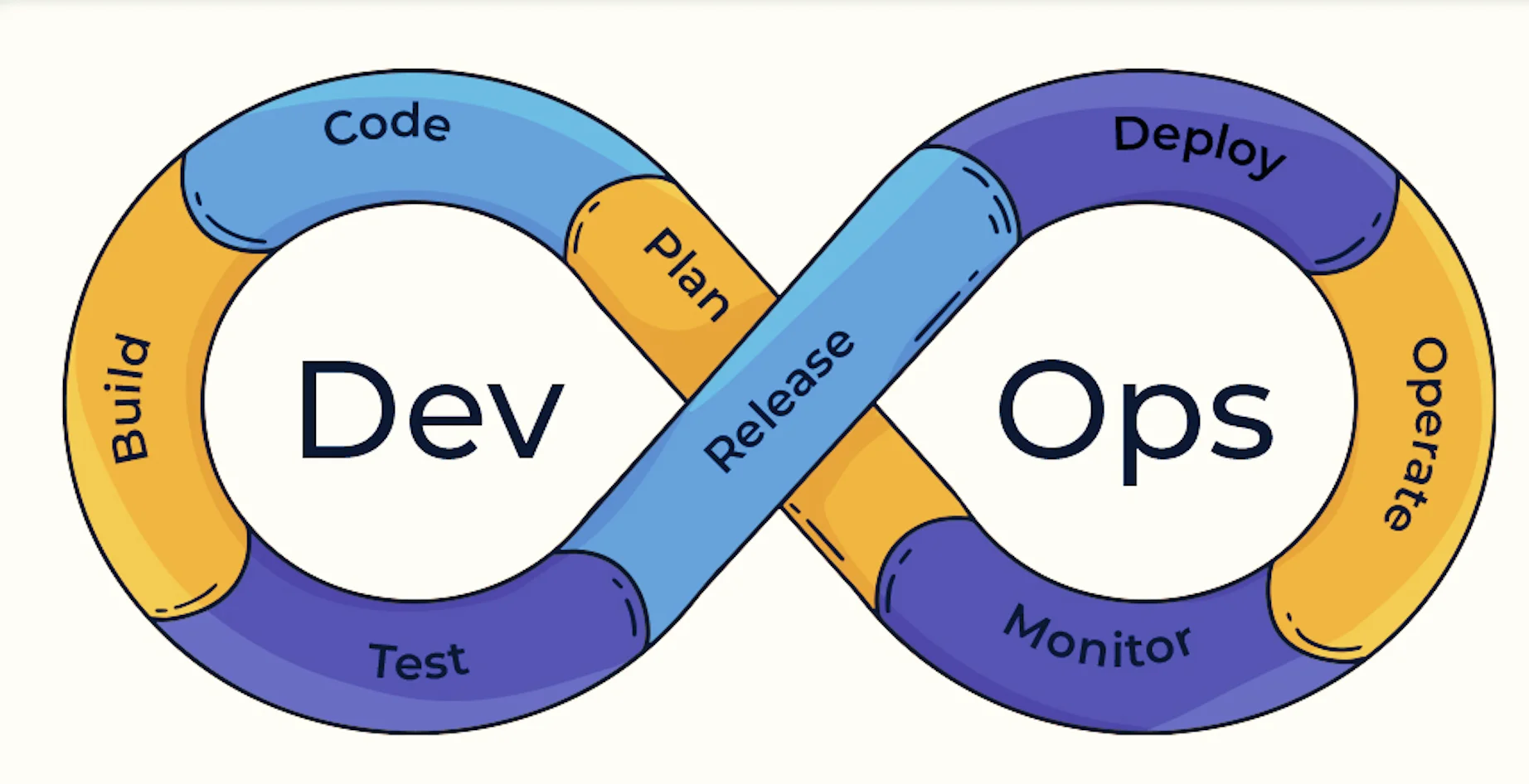 DevSecOps methodologies are used to embed security practices at every stage of the DevOps lifecycle and processes. You can use automated tools for various methods and ensure no vulnerabilities or phishing is possible within the system.
5. Monitor and Improve
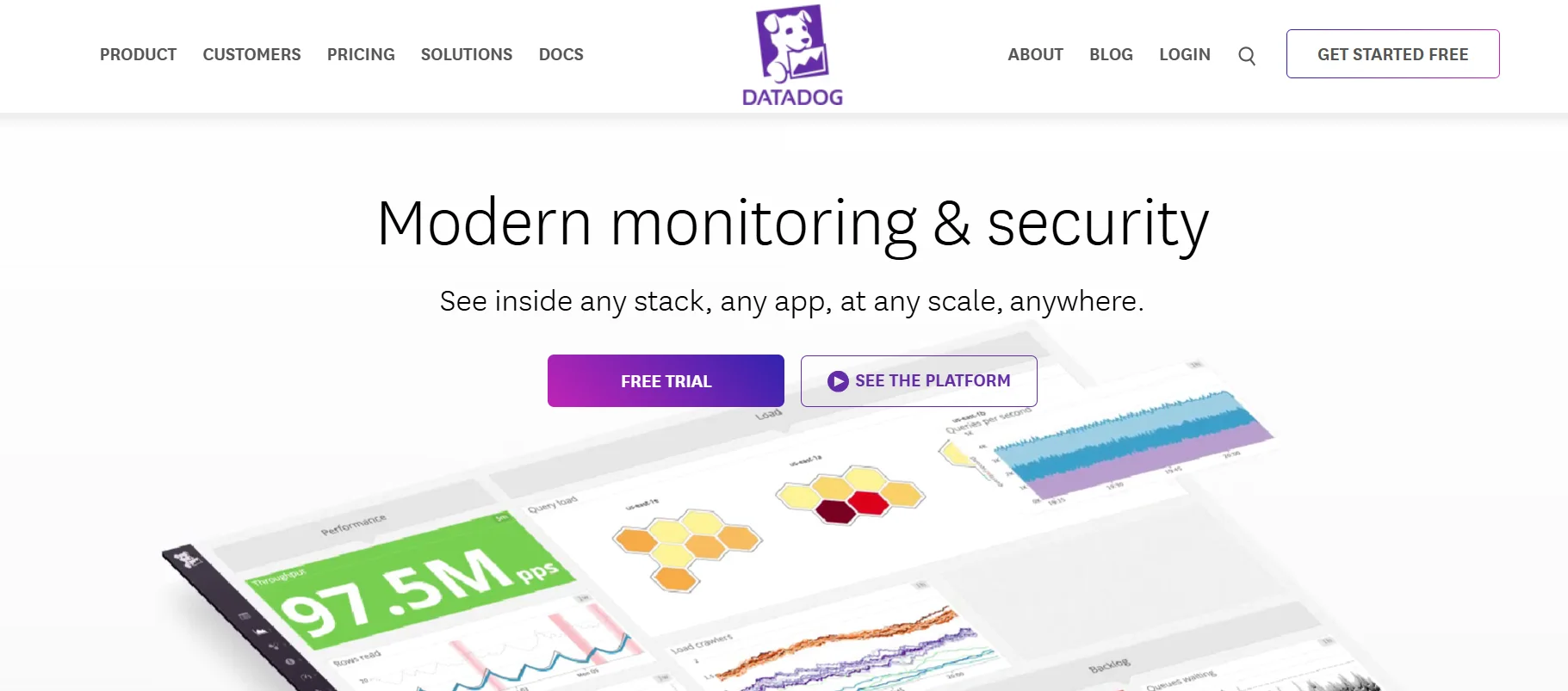 Always monitor every stage of the DevOps software development life cycle using effective tools like Prometheus, Datadog, Grafana, and other methods in DevOps. Use AI based anomaly detection tools to identify any issues found within the end product.
6. Integrate Machine Learning and AI in DevOps
Leverage the power of artificial intelligence and machine learning models to implement automation, optimisation, and predictive analytics. Use AI tools for efficient planning, implementation, and automation. Many devOps tools are now powered with Gen AI, which can be used for efficient implementation, testing, deployment, and maintenance of the software application.7. Use Cloud Native and Multi Cloud Structures
 Implement Cloud native architectures and use multi cloud strategies to ensure effective resource utilisations, availability, and cost reduction. You can also integrate other better controls wherever needed.
Interview Questions Based On DevOps Principles
Check some of the most important questions based on DevOps principles. 1. What are the fundamental principles of DevOps? Answer: The fundamental principles of DevOps include:- Collaboration and Communication: Breaking down silos between development and operations teams.
- Automation: Automating repetitive tasks like testing, deployment, and monitoring.
- Continuous Improvement: Iterating quickly to improve processes and systems.
- Infrastructure as Code (IaC): Managing infrastructure through code for consistency and scalability.
- Monitoring and Feedback: Proactively identifying issues and refining systems through continuous monitoring.
- Ensures consistency across environments.
- Reduces errors caused by manual configurations.
- Enables faster scaling and disaster recovery.
- Examples: Terraform, Ansible, AWS CloudFormation.
- Track and manage changes in code.
- Enable collaborative development.
- Provide rollback capabilities to previous versions if issues occur.
- Support CI/CD pipelines by integrating with tools like Jenkins or GitLab.
- Using tools like Prometheus, Grafana, and Datadog.
- Implementing log aggregation and distributed tracing.
- Setting up real-time alerts for anomalies.
- Integrating monitoring into CI/CD pipelines to identify issues before production.
Also Read:
- Lean Principles Introduction In DevOps
- DevOps Lifecycle - Definition, Key Aspects, Best Practices
- What Is A DevOps Pipeline? A Complete Guide
- Bitbucket Pipelines: Integrated CI/CD Automation For Developers
- CI/CD: 12 Important Benefits Of Continuous Integration And Continuous Delivery
- Continuous Integration Tools: Definitive 2025 Guide To The Top 18 CI Platforms
- CI Vs CD: Difference Between Continuous Integration And Continuous Delivery Explained
- CI CD Pipeline: What It Is, Stages, Tools, And Step-by-Step Guide
- What Is Infrastructure As Code (IaC)? - The 12 Steps Ultimate Guide
- What Is DevOps Automation And Why It’s A Must-Have Skill In Tech
- DevOps Test Automation
- Monitoring Tools In 2025: 11+ Most Popular DevOps Monitoring Tools
Learn DevOps And Cloud Computing With PW Skills
Master DevOps tools and techniques with DevOps and Cloud Computing Course on PW Skills. Learn everything about the DevOps practice from scratch and master tools like Jenkins, Ansible, Kubernetes, Terraform, etc to code, deploy, test, and maintain the software application development process. Get tutored by expert mentors from the industry through interactive classes. Get an industry oriented curriculum and strengthen your concepts through capstone projects. Prepare for interviews and crack a wide range of opportunities in DevOps only with pwskills.com.



🔥 Trending Blogs
DevOps Principle FAQ
Q1. What is the role of communication and collaboration in DevOps?
Ans: Communication and Collaboration play an important role in DevOps where both the Development teams and operation teams collaborate to form a combined team to communicate effectively, share feedback, and collaborate throughout the complete software development lifecycle.
Q2. What is the full form of IaC?
Ans: The IaC in DevOps stands for Infrastructure as a Code which is a practice of managing infrastructure through code.
Q3. Why is automation important in DevOps?
Ans: Automation reduces human errors, accelerates processes, and ensures consistency across development, testing, and deployment stages. It also helps teams focus on innovation rather than repetitive tasks, thus enhancing overall efficiency.
Q4. How does DevOps promote collaboration?
Ans: DevOps fosters collaboration by uniting development, operations, and QA teams under shared goals. It emphasizes communication, shared responsibilities, and the use of tools like Slack and Jira to streamline workflows.


Talk to a counsellorHave doubts? Our support team will be happy to assist you!



Get Free Counselling Today
and Clear up all your Doubts
Talk to Our Counsellor just by filling out the form.
Join 15 Million students on the app today!
 Live & recorded classes available at easeDashboard for progress trackingLakhs of practice questions

