

Cloud Services: What are Cloud Services?
There are plenty of cloud services available on cloud platforms, from scalable storage to deployable applications. The main providers of cloud services are Google Cloud Platform, Amazon Web Services (AWS), and Microsoft Azure.
 Varun Saharawat30 Oct, 2025
Ever wondered how our favorite apps, files, and even entire businesses run seamlessly from anywhere? That is the magic of Cloud Services. From storing data to powering apps, the cloud is behind the scenes, making everything faster and more efficient. Let us dive into what cloud services are and why have they become crucial in today’s digital age.
What are Cloud Services?
Cloud services refer to a broad category of cloud computing services delivered over the internet, allowing users to access and use resources without owning and managing the underlying infrastructure. These services are typically offered by cloud providers such as Amazon Web Services (AWS), Microsoft Azure, Google Cloud Platform (GCP), and others. They enable businesses and individuals to store data, run applications, process workloads, and perform various IT tasks remotely. Cloud services have revolutionized IT, providing businesses with more flexibility, reduced operational costs, and the ability to focus on innovation.Key Takeaways
- Cloud services deliver computing resources over the internet without requiring users to manage the underlying infrastructure.
- The major Cloud services providers are Amazon Web Services (AWS), Microsoft Azure, Google Cloud Platform (GCP).
- Enable storage, application hosting, workload processing, and remote IT tasks for businesses and individuals.
- Provide flexibility, reduced operational costs, and scalability.
- Allow firms to prioritize innovation over infrastructure upkeep.
- Have transformed the IT landscape by offering scalable, cost-effective solutions.
Types of Cloud Services
Cloud services are typically classified into several categories based on the type of resources and functionality they provide. Each type of cloud service offers different benefits depending on the needs of the business or individual, ranging from infrastructure management to full-featured software applications. The primary types of cloud services are:Infrastructure as a Service (IaaS)
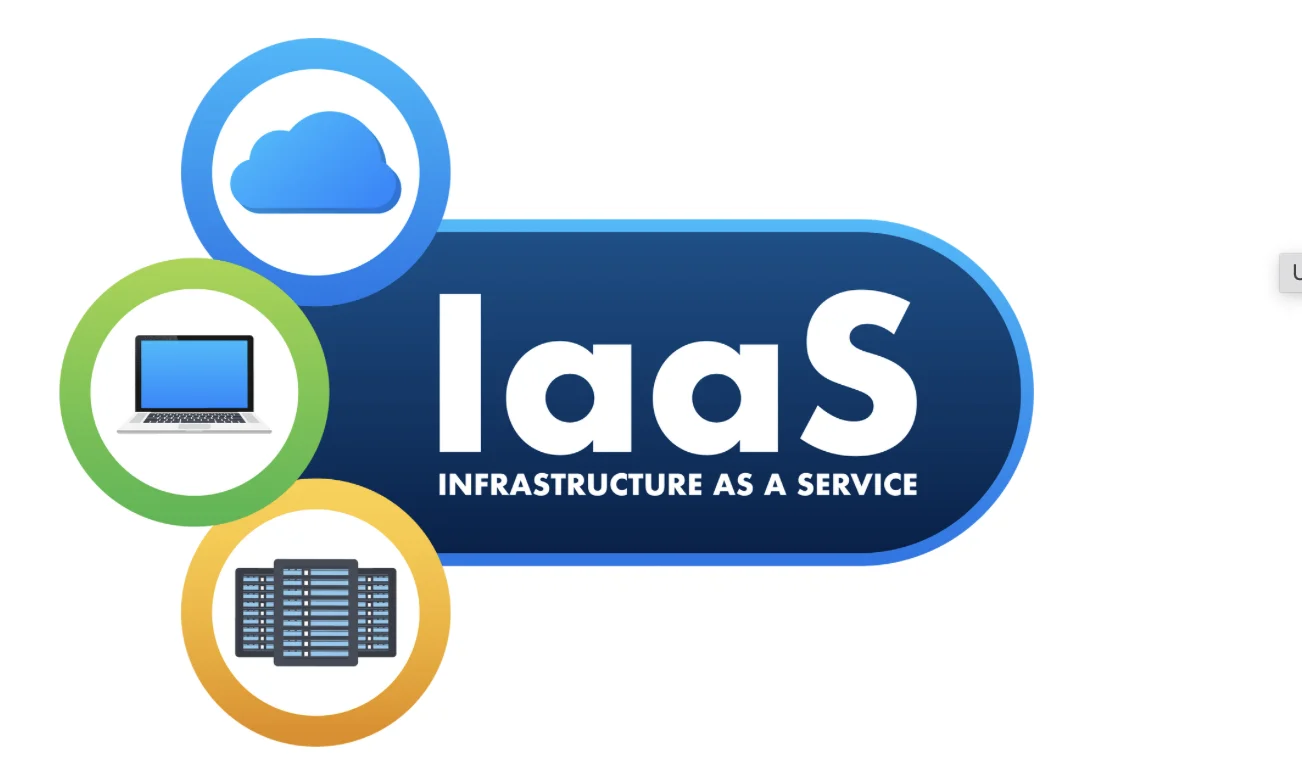 Infrastructure as a Service (IaaS) provides virtualized computing resources over the internet. This includes servers, storage, and networking components. Businesses or developers that want full control over their infrastructure but prefer not to invest in physical hardware. Amazon Web Services (AWS), Google Compute Engine, and Microsoft Azure Virtual Machines are some of the popular examples of Infrastructure as a Service (IaaS).
Key features of IaaS include scalability of computer power, storage, and networks, users manage the operating systems and applications themselves, and it is ideal for hosting websites, developing software, or performing large-scale computations.
Infrastructure as a Service (IaaS) provides virtualized computing resources over the internet. This includes servers, storage, and networking components. Businesses or developers that want full control over their infrastructure but prefer not to invest in physical hardware. Amazon Web Services (AWS), Google Compute Engine, and Microsoft Azure Virtual Machines are some of the popular examples of Infrastructure as a Service (IaaS).
Key features of IaaS include scalability of computer power, storage, and networks, users manage the operating systems and applications themselves, and it is ideal for hosting websites, developing software, or performing large-scale computations.
Platform as a Service (PaaS)
 Platform as a Service (PaaS) enables developers to create, test, and deploy applications without having to manage the underlying infrastructure. It is for developers and teams that want to focus on coding and application development rather than managing servers or environments. Google App Engine, Microsoft Azure App Services, and Heroku are some of the examples of PaaS.
Key features of PaaS include development tools, databases, and runtime environments provided by the cloud provider. It automatically handles scaling, load balancing, and security. It is useful for web applications, mobile app development, and API integration.
Platform as a Service (PaaS) enables developers to create, test, and deploy applications without having to manage the underlying infrastructure. It is for developers and teams that want to focus on coding and application development rather than managing servers or environments. Google App Engine, Microsoft Azure App Services, and Heroku are some of the examples of PaaS.
Key features of PaaS include development tools, databases, and runtime environments provided by the cloud provider. It automatically handles scaling, load balancing, and security. It is useful for web applications, mobile app development, and API integration.
Software as a Service (SaaS)
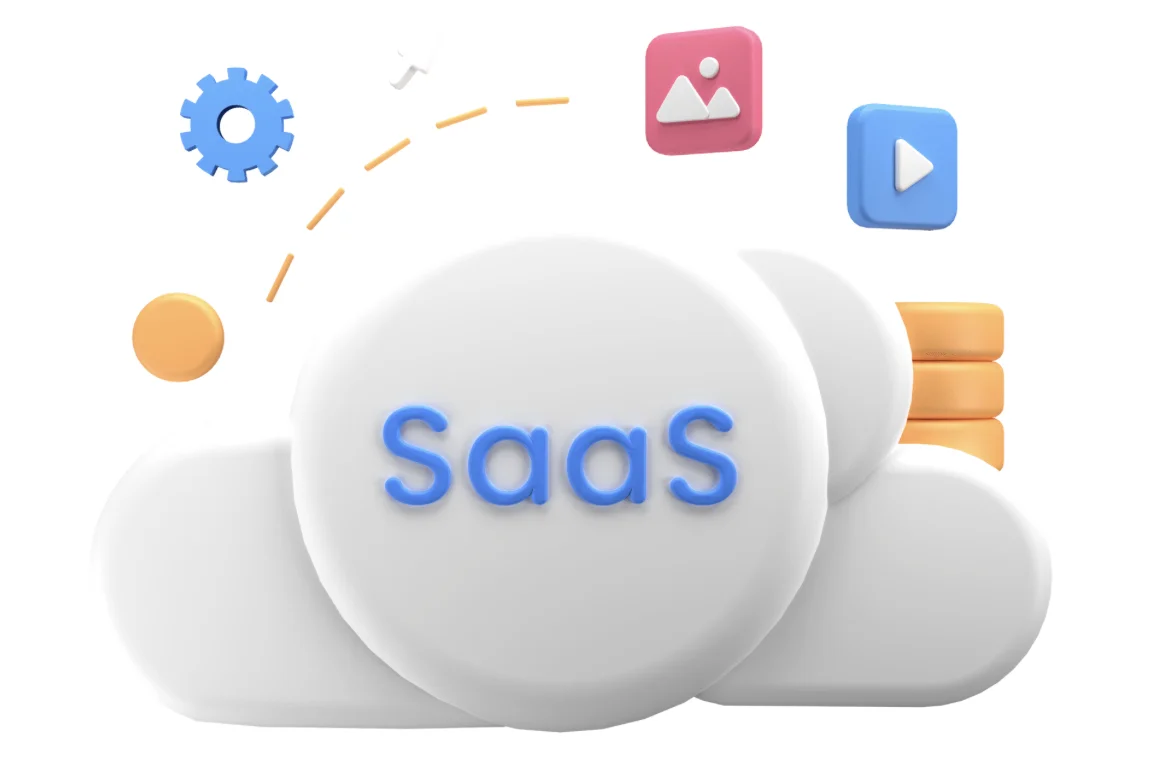 Software as a service (SaaS) provides fully managed software applications via the Internet. Users can access these programs using a web browser. End users or businesses that need ready-to-use software without worrying about installation, maintenance, or updates. Google Workspace, Microsoft 365, Salesforce, Dropbox, and Slack are some of the software as a service.
Key features of SaaS include easy access to software from any device with internet. Cloud providers manage software, infrastructure, security, and updates. It often follows a subscription or pay-per-use model.
Software as a service (SaaS) provides fully managed software applications via the Internet. Users can access these programs using a web browser. End users or businesses that need ready-to-use software without worrying about installation, maintenance, or updates. Google Workspace, Microsoft 365, Salesforce, Dropbox, and Slack are some of the software as a service.
Key features of SaaS include easy access to software from any device with internet. Cloud providers manage software, infrastructure, security, and updates. It often follows a subscription or pay-per-use model.
Function as a Service (FaaS)
Function as a Service allows users to execute code in response to events without provisioning or managing servers. The infrastructure is entirely abstracted away from the developer. Developers are looking to run small units of code (functions) without worrying about the underlying infrastructure. AWS Lambda, Azure Functions, and Google Cloud Functions are examples of Function as a Service (FaaS). The key features are great for microservices, event-driven computing, and lightweight tasks. The code runs only when triggered by specific events. It also automates scaling and pay-per-execution pricing.Database as a Service (DBaaS)
Database as a Service offers fully managed database solutions in the cloud, enabling users to set up and scale databases without managing physical hardware or software installations. Developers and organizations that need scalable, high-performance databases without the overhead of managing database servers. AWS RDS, Google Cloud SQL, and Azure Cosmos DB are some of the popular examples of DBaaS. The key features of DBaaS include automated backups, scaling, and updates. It often supports SQL and NoSQL databases. It has high availability and fault tolerance.Backup as a Service (BaaS)
Backup as a Service is a cloud service that automatically backs up data to the cloud, providing data redundancy and recovery options. Businesses or individuals who want to ensure data protection in case of system failure or disaster are the ones using it. Backblaze, Carbonite, and AWS Backup are some of the common examples of BaaS. Key features of BaaS include restoring data in the event of accidental deletion or hardware failure. It automates and schedules the backups for the convenience of the user. BaaS can be used for files, databases, or entire systems.Advantages and Disadvantages of Cloud Services
While cloud services offer significant advantages in terms of flexibility, scalability, and cost efficiency, they also come with challenges such as potential security concerns, dependence on internet connectivity, and the risk of vendor lock-in. To fully leverage the benefits of cloud computing, businesses need to weigh these pros and cons based on their specific needs and use cases. Cloud service can be easily scaled up or down based on demand. These operate on a pay-as-you-go model, allowing businesses to avoid large upfront capital expenditures on hardware and infrastructure. Cloud services providers manage software updates, patches, and maintenance, ensuring systems remain secure and up-to-date. Cloud services are accessible from any device with an internet connection, enabling remote work and global access. Cloud providers often utilize global data centers with high redundancy and fast networks, ensuring high performance and minimal downtime. Cloud services require a stable internet connection to access resources and data. While cloud providers manage most infrastructure, this reduces control over system configurations and hardware customizations. Although cloud providers offer strong security measures, storing sensitive data off-premises raises concerns about data breaches, unauthorized access, and compliance with privacy regulations. Cloud services may experience outages or downtime, leading to service disruptions. While cloud services eliminate upfront hardware costs, the ongoing pay-as-you-go model can become expensive over time, especially if usage increases or services aren’t optimized.Build a Career in Cloud Computing with PW Skills
If you are looking for a career as a cloud engineer then enrol in our DevOps and Cloud Computing Course and experience top-class interactive classes and hands-on experience working on real time deployments, technologies, and more.



🔥 Trending Blogs
Cloud Services FAQs
Q1. What is a cloud computing service?
Ans. Cloud services refer to a broad category of computing services delivered over the internet, allowing users to access and use resources without owning and managing the underlying infrastructure.
Q2. What is cloud computing in simple terms?
Ans. Cloud computing is using online services to store data, run applications, and access resources over the internet instead of relying on our own hardware.
Q3. What are the challenges faced by Cloud services?
Ans. Cloud services come with challenges, including potential security concerns, dependence on internet connectivity, and the risk of vendor lock-in.


Talk to a counsellorHave doubts? Our support team will be happy to assist you!



Get Free Counselling Today
and Clear up all your Doubts
Talk to Our Counsellor just by filling out the form.
Join 15 Million students on the app today!
 Live & recorded classes available at easeDashboard for progress trackingLakhs of practice questions

