

Cloud Computing Skills That Can Double Your Career Opportunities
 Shivam Singh1 Jul, 2026
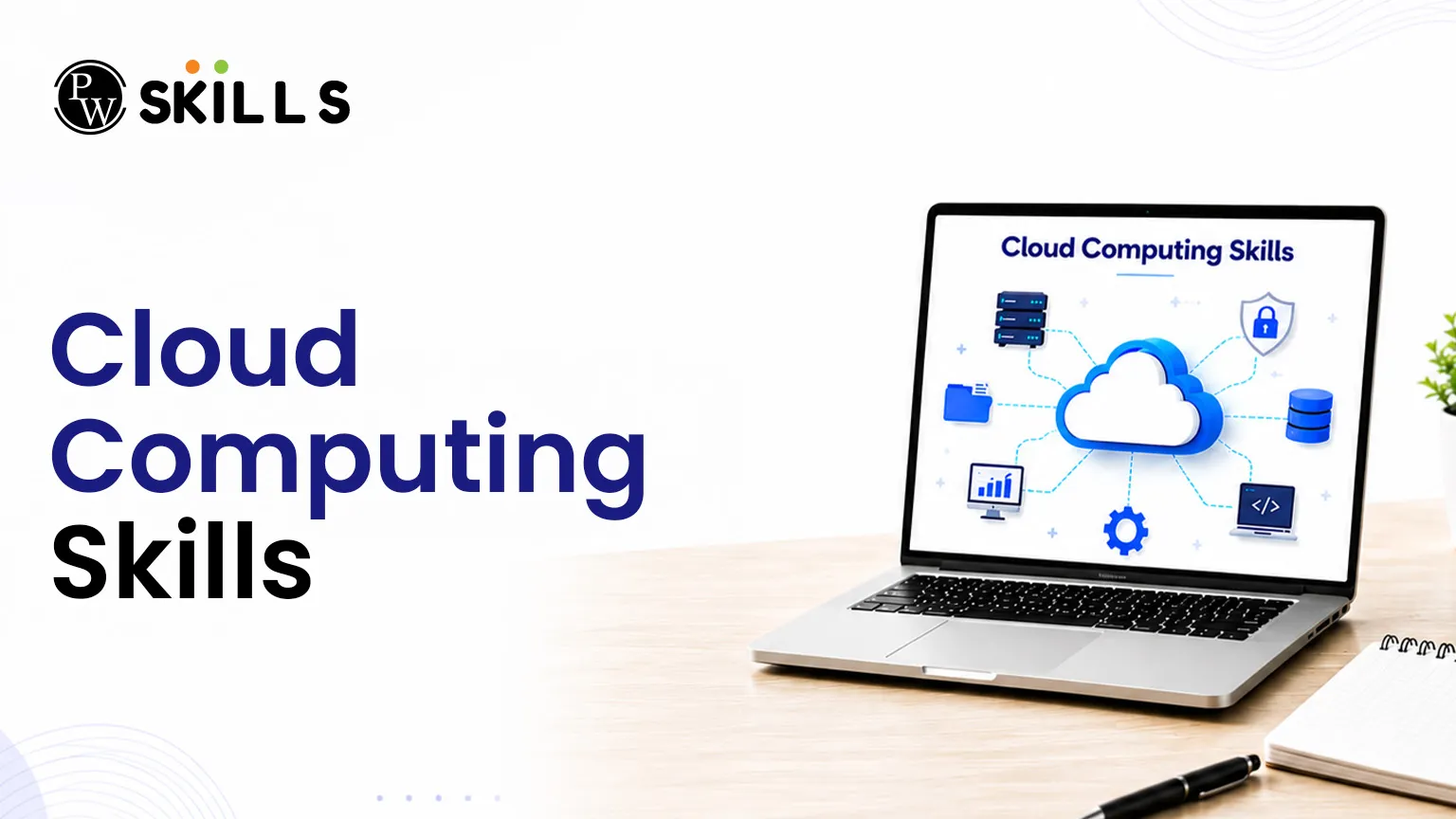
As companies are migrating their databases and application suites to distant servers, they are seeking those who can effectively construct, operate, and secure these systems. A good method to fill this gap is to build excellent cloud computing skills. Understanding cloud platform dynamics is a career insurance against technology displacement. It opens up your career alternatives exponentially.
Cloud Computing Skills Overview
It refer to the technical competencies required to build, manage, and deploy software applications and structural frameworks on remote internet servers instead of on physical systems. These include everything from database manipulation to automated networking systems. For ambitious developers and engineers, understanding these core methodologies opens up vast cloud career opportunities.
Professionals can move from the constraints of the corporate world to modern, flexible technological ecosystems and learn how these platforms use resources. Learning the big platforms like Amazon Web Services (AWS), Microsoft Azure or Google Cloud Platform (GCP) affects the way you think about solving technical problems. It allows you to meet the broadest organisational needs and construct durable digital environments.
Read in Detail:
AWS vs Azure vs GCP : What Should Beginners Learn First ?
Top Cloud Computing Skills
The cloud sector demands a combination of platform expertise, basic programming principles, and specialised architectural approaches. Organisations want individuals who can manage the operations of delivering software quickly and keeping robust infrastructure safety.
1. Cloud Platform Infrastructure and Architecture
Successful deployments are built on a strong grasp of cloud platforms and cloud architecture. You should know how to install, organise and manage resources in ecosystems like AWS, Azure or Google Cloud. This demands resilient systems that can automatically adapt to traffic and are cost effective.
-
Key Platforms: Amazon Web Services (AWS), Microsoft Azure, Google Cloud Platform (GCP).
-
Infrastructure as Code (IaC): Using specialized tools like Terraform and AWS CloudFormation to automatically build and manage system environments through code.
2. Networking and Security Awareness
The main operational risk is to design systems without defining the connectivity and protection procedures. Today’s professionals need to know how data flows via virtual environments and still retain structural security.
-
Virtual Private Clouds (VPCs): Building isolated, secure network spaces where enterprise resources can safely talk to each other.
-
Identity and Access Management (IAM): Establishing rules, tracking user permissions, and setting up encryption to shield sensitive corporate assets from unauthorized access.
-
Network Elements: Managing public subnets, internet gateways, load balancers, and Domain Name System (DNS) configurations to keep applications responsive.
3. Containerisation and Microservices
The old method of deploying entire, massive applications at once has evolved into microservices. Modern applications are broken down into small, isolated services that run inside independent packages called containers.
-
Docker: Packaging application files, runtimes, and dependencies into uniform containers that run smoothly across different servers.
-
Kubernetes: Managing and scaling hundreds of containers across large server clusters without manual intervention.
4. Automation and Scripting
Manual server maintenance slows down operations and introduces human error. Automation helps companies run daily IT operations quickly and smoothly.
-
Scripting Languages: Writing clear scripts in Python or PowerShell to handle repetitive tasks, clean up databases, and update system configurations.
-
Serverless Computing: Deploying functional code blocks using tools like AWS Lambda or Azure Functions without provisioning or managing actual underlying servers.
5. Monitoring and Cost Management
Operating in the cloud can become expensive if system resources are not actively managed and reviewed. Companies value engineers who keep virtual systems clean and cost-efficient.
-
Monitoring Tools: Tracking performance metrics and handling system diagnostics through AWS CloudWatch or Google Stackdriver.
-
Cost Control: Reviewing spot instances, reserved instances, and billing analytics to cut down on unused or unnecessary cloud expenses.
How Cloud Computing Skills Create Opportunities Across Different Industries
Cloud competencies are highly transferable across diverse fields, offering versatile career paths outside traditional software firms.
+-------------------------------------------------------------------+
| CROSS-INDUSTRY CLOUD ADOPTION |
+-------------------+-----------------------------------------------+
| Industry | Core Application of Cloud Skills |
+-------------------+-----------------------------------------------+
| Healthcare | Securing sensitive medical databases under |
| | strict regulatory compliance rules. |
+-------------------+-----------------------------------------------+
| Finance | Powering fraud-detection tools and safe |
| | real-time transaction processing networks. |
+-------------------+-----------------------------------------------+
| E-Commerce | Auto-scaling server infrastructure to handle |
| | massive customer traffic spikes during sales. |
+-------------------+-----------------------------------------------+
In the healthcare sector, systems require secure, scalable environments that protect patient records while following strict regulatory compliance frameworks. Professionals with deep security awareness build these confidential systems, ensuring medical records remain safe yet accessible to authorized personnel.
The banking and financial sectors rely heavily on cloud engineering to power fraud-detection algorithms and handle secure transactions. Financial institutions use real-time data processing to spot unauthorized transactions instantly, which requires stable, low-latency network setups.
E-commerce companies use cloud infrastructure to scale up their systems automatically during holiday shopping peaks and down when traffic drops. This elasticity prevents online storefronts from crashing during major sales while keeping server costs low during quiet periods.
Benefits of Cloud Computing Skills
Developing these technical capabilities reshapes your professional trajectory, giving you clear advantages in a crowded employment market.
-
Expanded Career Horizons: Mastering cloud systems makes you eligible for diverse roles like Cloud Engineer, DevSecOps Specialist, Cloud Administrator, or Enterprise Architect.
-
Higher Earning Potential: Organizations face a shortage of certified experts and are willing to pay competitive salaries to individuals who can manage their virtual infrastructures.
-
Continuous Professional Growth: Technology platforms update constantly, ensuring that your daily work stays engaging and challenges you to keep learning.
-
Enhanced Business Influence: Learning cost management and architectural design allows you to directly guide executive decisions and optimize technical budgets.
For those eager to enter this lucrative market, enrolling in a structured program is an excellent next step. This technical curriculum guides you through Linux foundations, Python scripting, and AWS Solutions Architect principles.
You also get hands-on experience with crucial deployment tools like Jenkins, Ansible, Docker, and Kubernetes. Working on real-world projects helps you build a job-ready profile under the guidance of expert mentors, turning these concepts into practical, everyday habits.



Cloud Computing Skills FAQs
Which basic technical abilities are required to build cloud computing skills?
Can obtaining relevant cloud certifications significantly increase my career prospects?
What specific duties does an engineer handle using cloud engineer skills?
How do automated delivery lines change software development frameworks?
Why do employers focus heavily on cloud cost management today?





Get Free Counselling Today
and Clear up all your Doubts
 Live & recorded classes available at easeDashboard for progress trackingLakhs of practice questions

