

What are the Data Analyst Roles and Responsibilities?
Get familiar with the roles and responsibilities of a data analytics professional. Learn about data analyst roles and responsibilities in this article.
 Varun Saharawat30 Oct, 2025
Learn data analyst roles and responsibilities to explore career opportunities in this field. Behind every smart decision lies a story; a story told by data. Whether it is a company launching a new product, optimizing a marketing campaign, or uncovering customer preferences, data holds the answer.
But raw numbers and spreadsheets cannot speak for themselves. Enter the Data Analyst, the storyteller who deciphers these numbers, turning them into insights that drive impactful decisions.
In this article, we will go through the fascinating world of data analysts and explore the data analyst roles and responsibilities they have on their shoulders in shaping strategies and solving real-world problems.
What is Data Analysis?
At its core, data analysis is the process of taking raw data (those puzzle pieces) and making sense of it. It’s about finding patterns, trends, and insights that can help solve problems, answer questions, or make decisions. For example, think about a coffee shop. Every day, they collect data like how many cups of coffee they sell, what times are the busiest, or which items on the menu are most popular. But only having this data is not enough. Data analysis is what transforms this raw information into actionable knowledge. It’s like asking questions:- Why are sales higher in the morning than in the afternoon?
- Should we add more seating during rush hour?
- Is it time to promote a new drink based on trends?
Who is a Data Analyst?
A Data Analyst is like a detective of the data world. They are the ones who gather the puzzle pieces, sort them out, and figure out how they all fit together. Their goal is to uncover the hidden stories that data is trying to tell. Think of Data Analysts as:- Translator: They take complex numbers and technical data and turn it into insights that anyone can understand.
- Probem-Solver: They answer business questions using data. For instance, “Why are customers leaving after one purchase?”
- Guide: They provide recommendations based on their findings. For example, “Let us invest in online ads because our data shows they drive sales.”
Data Analyst Roles And Responsibilities
Being a data analyst is as much about technical skills as it is about curiosity, creativity, and collaboration. Every responsibility from cleaning data to presenting insights, plays a vital role in shaping the stories that drive decisions. Let us understand the data analyst roles and responsibilities in detail:1. Data Collection and Acquisition
 Imagine data as the raw material for a masterpiece. A data analyst’s first responsibility is to gather this material. This involves working with databases, APIs, or even third-party platforms to collect information from various sources. This is one of the most important data analyst roles and responsibilities.
Analysts often collaborate with teams to understand what kind of data is needed. For example: the marketing team might need customer behavior data, while operations might want efficiency metrics. It is like being a detective, piecing together clues to paint a complete picture.
Imagine data as the raw material for a masterpiece. A data analyst’s first responsibility is to gather this material. This involves working with databases, APIs, or even third-party platforms to collect information from various sources. This is one of the most important data analyst roles and responsibilities.
Analysts often collaborate with teams to understand what kind of data is needed. For example: the marketing team might need customer behavior data, while operations might want efficiency metrics. It is like being a detective, piecing together clues to paint a complete picture.
2. Data Cleaning and Preprocessing
 Raw data is not perfect as it is messy, inconsistent, and often incomplete. A Data Analyst acts like a meticulous chef, cleaning the ingredients before preparing the meal. This means removing duplicate entries, handling missing values, and standardizing formats.
For example, if sales data from one region uses dollars while another uses euros, it is the analyst’s job to make the data uniform. This process ensures that the analysis is accurate and reliable. Think of it as a strong foundation before constructing a building.
Raw data is not perfect as it is messy, inconsistent, and often incomplete. A Data Analyst acts like a meticulous chef, cleaning the ingredients before preparing the meal. This means removing duplicate entries, handling missing values, and standardizing formats.
For example, if sales data from one region uses dollars while another uses euros, it is the analyst’s job to make the data uniform. This process ensures that the analysis is accurate and reliable. Think of it as a strong foundation before constructing a building.
3. Data Analysis
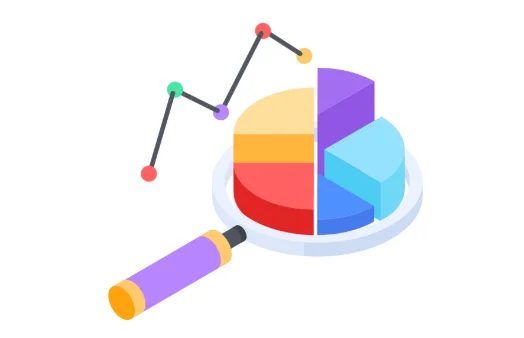 Once the data is ready, the data analyst roles and responsibilities is to take time to dig in. Analysts use tools like Excel, Python, or R to uncover patterns, trends, and insights. This is where they become storytellers, interpreting what the data us trying to say.
For instance, if sales are dipping, an analyst might discover that customer preference have shifted. They use statistical techniques to answer questions like “Why did this happen?” or ”What is likely to happen next?” It’s like turning a complex puzzle into a meaningful story.
Once the data is ready, the data analyst roles and responsibilities is to take time to dig in. Analysts use tools like Excel, Python, or R to uncover patterns, trends, and insights. This is where they become storytellers, interpreting what the data us trying to say.
For instance, if sales are dipping, an analyst might discover that customer preference have shifted. They use statistical techniques to answer questions like “Why did this happen?” or ”What is likely to happen next?” It’s like turning a complex puzzle into a meaningful story.
4. Data Visualization
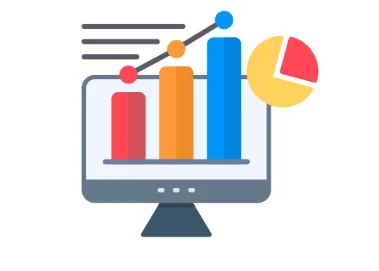 Numbers and statistics can feel overwhelming, but visualization transforms them into something digestible. A Data Analyst is like an artist, creating dashboards, charts, and graphs that bring data to life. Using tools like Tableau or Power BI, they design visuals that are easy to understand and actionable. The data visualization is an important data analyst roles and responsibilities.
For example, a line graph showing monthly sales growth can quickly highlight seasonal trends. Good visualizations make data approachable, ensuring everyone can grasp its significance whether they are any employee from executives to interns.
Numbers and statistics can feel overwhelming, but visualization transforms them into something digestible. A Data Analyst is like an artist, creating dashboards, charts, and graphs that bring data to life. Using tools like Tableau or Power BI, they design visuals that are easy to understand and actionable. The data visualization is an important data analyst roles and responsibilities.
For example, a line graph showing monthly sales growth can quickly highlight seasonal trends. Good visualizations make data approachable, ensuring everyone can grasp its significance whether they are any employee from executives to interns.
5. Reporting and Presentation
 Insights are only valuable if they can be communicated effectively. Analysts compile their findings into reports and presentations that tell a clear, compelling story. This is where their communication skills shine. They simplify complex data into actionable recommendations, tailoring their language to suit the audience. This is where the data analyst roles and responsibilities get bigger.
For example, a technical team might appreciate detailed statistical methods, while the leadership team prefers concise summaries. The goal is to empower decision-makers with clarity and confidence.
Insights are only valuable if they can be communicated effectively. Analysts compile their findings into reports and presentations that tell a clear, compelling story. This is where their communication skills shine. They simplify complex data into actionable recommendations, tailoring their language to suit the audience. This is where the data analyst roles and responsibilities get bigger.
For example, a technical team might appreciate detailed statistical methods, while the leadership team prefers concise summaries. The goal is to empower decision-makers with clarity and confidence.
6. Collaboration
 No analyst works in isolation. They are team players who collaborate with various departments, from marketing to IT. By understanding each team’s goals, they align their analysis to meet those needs.
For example, if the product team is launching a new feature, an analyst might evaluate customer feedback to gauge its success. Collaboration also involves partnering with Data engineers and scientists to access and process large datasets. It is a role that thrives on teamwork and shared goals.
No analyst works in isolation. They are team players who collaborate with various departments, from marketing to IT. By understanding each team’s goals, they align their analysis to meet those needs.
For example, if the product team is launching a new feature, an analyst might evaluate customer feedback to gauge its success. Collaboration also involves partnering with Data engineers and scientists to access and process large datasets. It is a role that thrives on teamwork and shared goals.
7. Tools and Technology Expertise
 A Data Analyst’s toolkit is diverse, including programming languages like Python and SQL and visualization tools like Tableau. Mastering these tools is like being a skilled craftsman; each tool serves a specific purpose.
For instance, Python can automate repetitive tasks, while SQL helps retrieve data efficiently from databases. Staying updated on the latest tools ensures analysts remain effective and competitive in their field.
A Data Analyst’s toolkit is diverse, including programming languages like Python and SQL and visualization tools like Tableau. Mastering these tools is like being a skilled craftsman; each tool serves a specific purpose.
For instance, Python can automate repetitive tasks, while SQL helps retrieve data efficiently from databases. Staying updated on the latest tools ensures analysts remain effective and competitive in their field.
8. Business Insights and Strategy
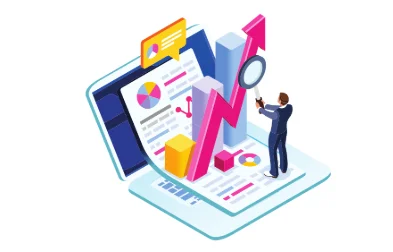 Data Analysts are more than number crunches; they are strategists. By aligning their insights with business objectives, they drive growth and efficiency.
For example, if an e-commerce company notices a drop in cart conversion, an analyst might identify website speed as the issue. Their recommendations directly impact business decisions, making their role critical for success.
Data Analysts are more than number crunches; they are strategists. By aligning their insights with business objectives, they drive growth and efficiency.
For example, if an e-commerce company notices a drop in cart conversion, an analyst might identify website speed as the issue. Their recommendations directly impact business decisions, making their role critical for success.
9. Adherence to Data Privacy and Compliance
In today’s world, data privacy is paramount. Analysts must ensure that their work complies with regulations like GDPR or HIPAA. This includes anonymizing sensitive data and following strict protocols for data storage and access. For instance, customer data must be handled carefully to prevent breaches. It’s a responsibility that requires both technical and ethical diligence.Why is Data Analysis Important?
We live in a world overflowing with data, from social media likes to sales figures. Without data analysis, this information is just noise. But with it, businesses, governments, and even individuals can:- Solve problems more effectively
- Spot opportunities before others do
- Make smarter, evidence-based decisions
Learn Data Analytics With PW Skills
Become a data analyst and master tools like SQL, Python, Tableau, and Excel with our hands-on, expert led Data Analysis Course. Gain real-world experience and turn data into insights that drive the decision-making progress. Enroll today and unlock endless career opportunities!




🔥 Trending Blogs
Data Analyst Roles and Responsibilities FAQs
Q1. What are the duties and responsibilities of a data analyst?
Ans. Data analysts are required to collect data, preprocess it, analyze it, prepare a visual interpretation, and present it to the decision-makers, making it easy for them to understand the data and act accordingly.
Q2. What is data analysis?
Ans. Data analysis is the process of taking raw data and making sense of it. It’s about finding patterns, trends, and insights that can help solve problems, answer questions, or make decisions.
Q3. What is the responsibility of an analyst?
Ans. Data analysts collect, interpret, and use data to develop doable steps that improve processes and optimize growth. A piece of detailed information on how exactly data analysts perform growth and improvement is mentioned above in the article.
Q4. What are the skills required to become a data analyst?
Ans: The skills required to become a data analyst are data visualization, machine learning, SQL, artificial intelligence, data manipulation, Python, and more.


Talk to a counsellorHave doubts? Our support team will be happy to assist you!



Get Free Counselling Today
and Clear up all your Doubts
Talk to Our Counsellor just by filling out the form.
Join 15 Million students on the app today!
 Live & recorded classes available at easeDashboard for progress trackingLakhs of practice questions

