

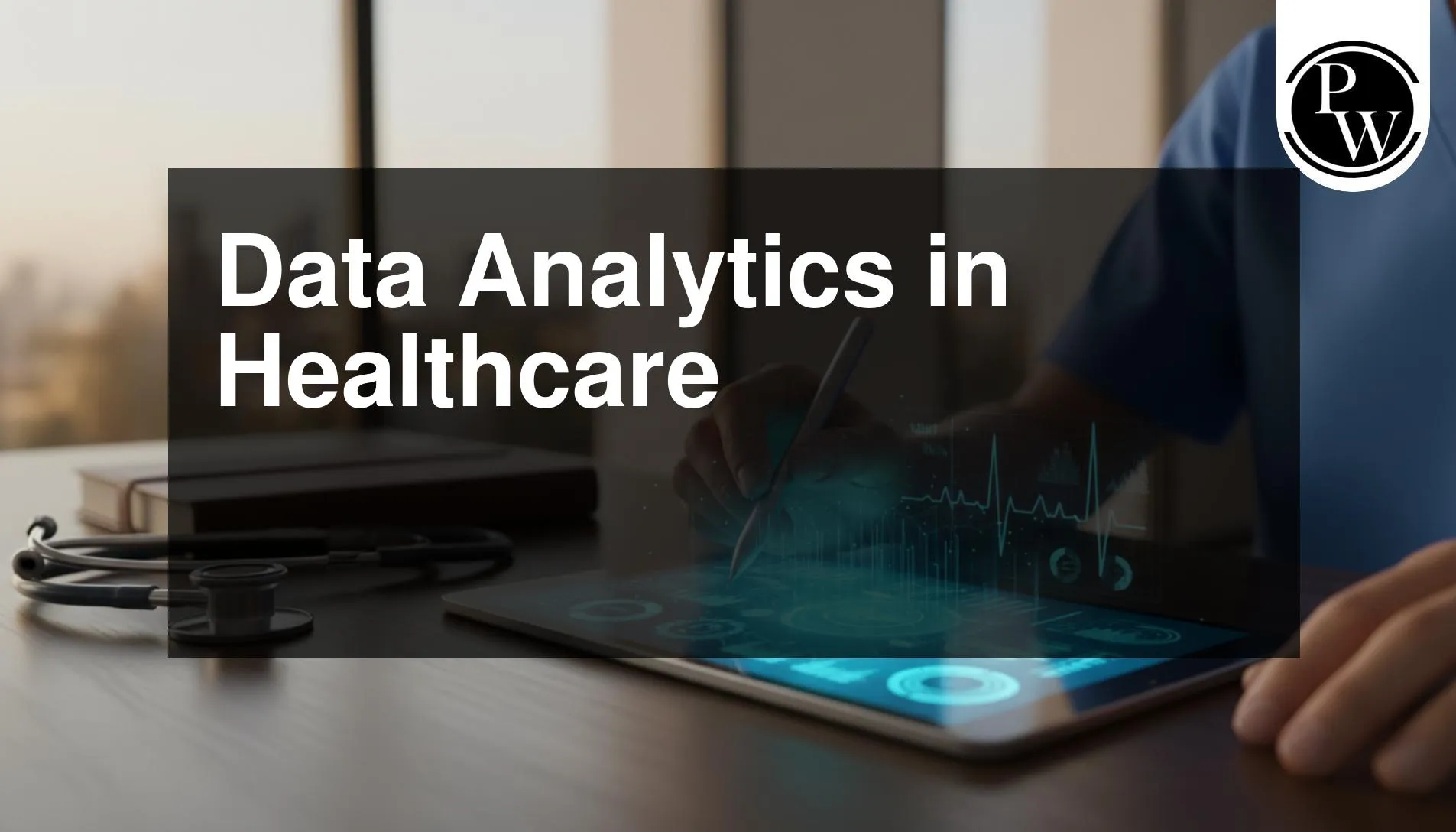
Data Analytics in Healthcare
 Hardik Gupta15 Sept, 2026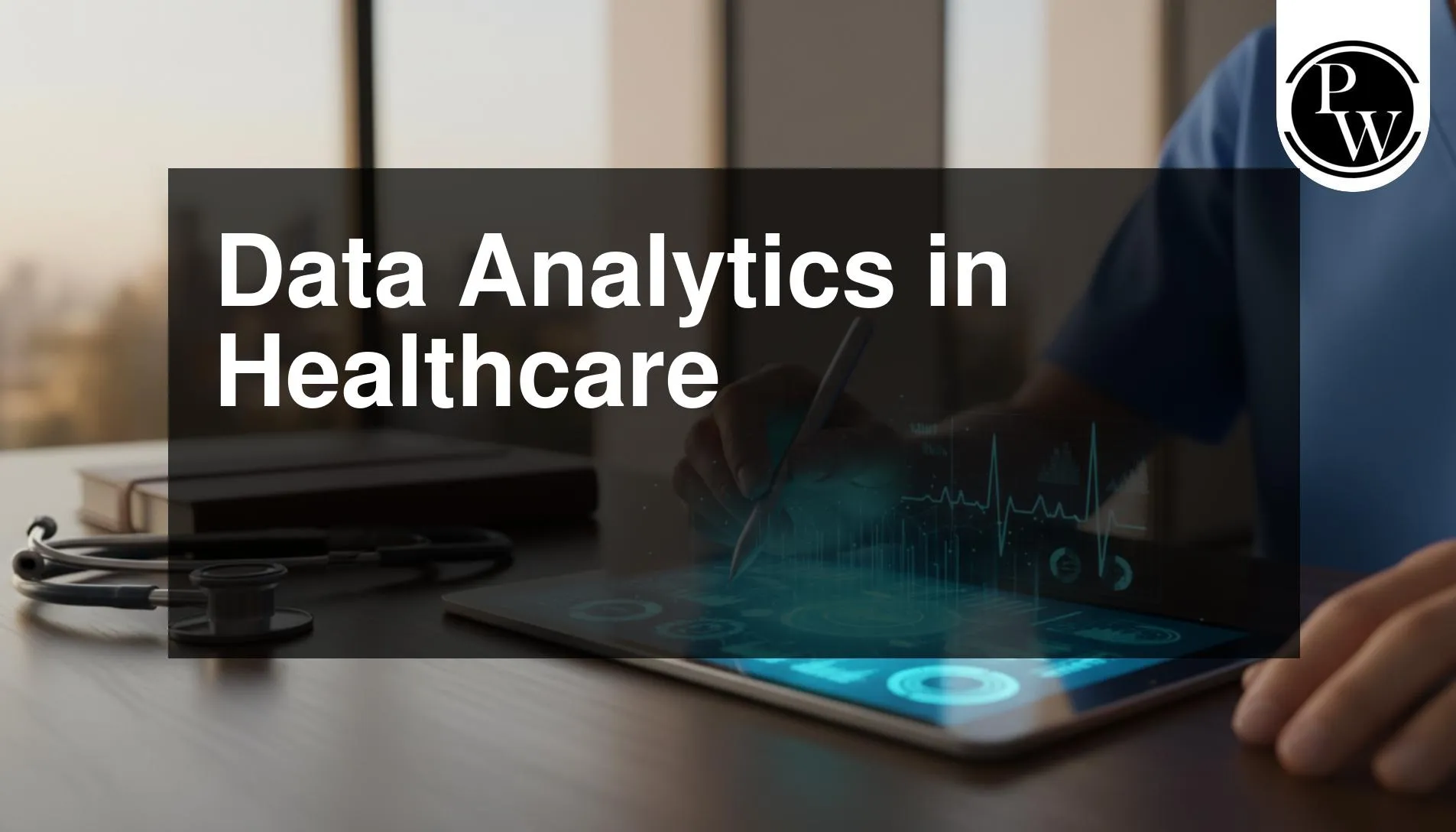
Turning Patient Data Into Better Care
Healthcare generates an extraordinary amount of data — electronic health
records, lab results, imaging scans, wearable device readings, insurance claims,
and more. For decades, most of this data sat siloed and underused. Today, data
analytics is changing that, helping providers, hospitals, and health systems make
faster, safer, and more personalized decisions. Here's how.
Why Healthcare Needs Data Analytics
Healthcare is uniquely data-rich but historically has struggled to use that data effectively. Patient records are often scattered across different systems, formats, and providers. Analytics brings structure to this chaos — connecting the dots between symptoms, treatments, and outcomes in ways that were previously impossible to see at scale.
The stakes are also higher than in most industries. A well-timed insight can catch a disease earlier, prevent a medication error, or free up a hospital bed for a patient who needs it more urgently. That's what makes analytics in this field so consequential.
Key Applications
1. Predictive Diagnostics By analyzing patterns across large patient
populations, predictive models can flag early warning signs of conditions like
sepsis, heart failure, or diabetic complications — sometimes before a clinician
would otherwise notice. This allows for earlier intervention, which often means
better outcomes and lower treatment costs.
2. Personalized Treatment Plans Every patient responds differently to
treatment. Analytics helps clinicians move away from one-size-fits-all care by
factoring in a patient's genetics, history, lifestyle, and how similar patients have responded
to specific therapies — a foundation of what's often called precision medicine.
3. Hospital Operations and Resource Planning Behind the scenes, analytics
helps hospitals forecast patient admission rates, optimize staff scheduling,
manage bed availability, and reduce wait times. During surges — like flu season
or a public health emergency — this kind of forecasting can be the difference
between a system that copes and one that's overwhelmed.
4. Fraud Detection and Claims Management Insurance claims data is a natural
fit for analytics. Pattern recognition can flag billing anomalies, duplicate claims, or
unusual prescribing behavior, helping insurers and providers catch fraud or waste
that would be nearly impossible to spot manually.
5. Population Health Management By analyzing data across entire
communities or patient populations, health systems can identify at-risk groups,
target preventive care programs, and measure the impact of public health
initiatives — shifting the focus from treating illness to preventing it.
6. Remote Monitoring and Wearables Data from wearable devices and remote
monitoring tools lets providers track patients' vitals continuously rather than
relying on periodic checkups. Analytics platforms can flag concerning trends —
an irregular heartbeat, rising blood pressure — and alert care teams before a
situation becomes an emergency.
Also Explore Our Course : Data Analytics With AI Course
The Challenges
Healthcare analytics isn't without obstacles:
● Data privacy and security — Patient data is highly sensitive, and regulations
like HIPAA place strict limits on how it can be collected, stored, and shared.
● Data fragmentation — Records are often spread across incompatible systems,
making it hard to get a complete picture of a patient's history.
● Data quality — Incomplete, inconsistent, or mislabeled records can lead to
flawed insights, which is especially risky in a field where decisions affect patient
safety.
● Bias in models — If training data doesn't represent diverse patient
populations, predictive models can produce less accurate or even harmful
results for underrepresented groups.
● Trust and adoption — Clinicians need to trust and understand analytics
tools before they'll rely on them in high-stakes decisions, which means
transparency and explainability matter as much as accuracy.
Where It's Headed
AI-powered clinical decision support, real-time monitoring, and interoperable
health data platforms are pushing healthcare analytics from a background
function toward something clinicians interact with directly, in real time. As
electronic health record systems become better connected and regulations
around data sharing evolve, the goal is a more complete, real-time view of each
patient — without compromising privacy or security.
Final Thoughts
Data analytics in healthcare isn't just about efficiency — it's about better
outcomes for real patients. From catching diseases earlier to personalizing
treatment and easing the strain on overworked hospital systems, analytics is
quietly becoming one of the most important tools in modern medicine. As the
technology matures, the organizations that combine strong data practices with
clinical expertise will be best positioned to deliver care that's not just faster, but
genuinely better.





FAQs
What is Data Analytics in Healthcare?
How is Data Analytics used in Healthcare?
What are the benefits of Data Analytics in Healthcare?
What types of data are analysed in Healthcare?
What skills are required for a career in Healthcare Data Analytics?





Get Free Counselling Today
and Clear up all your Doubts
 Live & recorded classes available at easeDashboard for progress trackingLakhs of practice questions

