

HDFC Program 2026: Banking Skills and Career Opportunities for Freshers
 Hardik Gupta22 Sept, 2026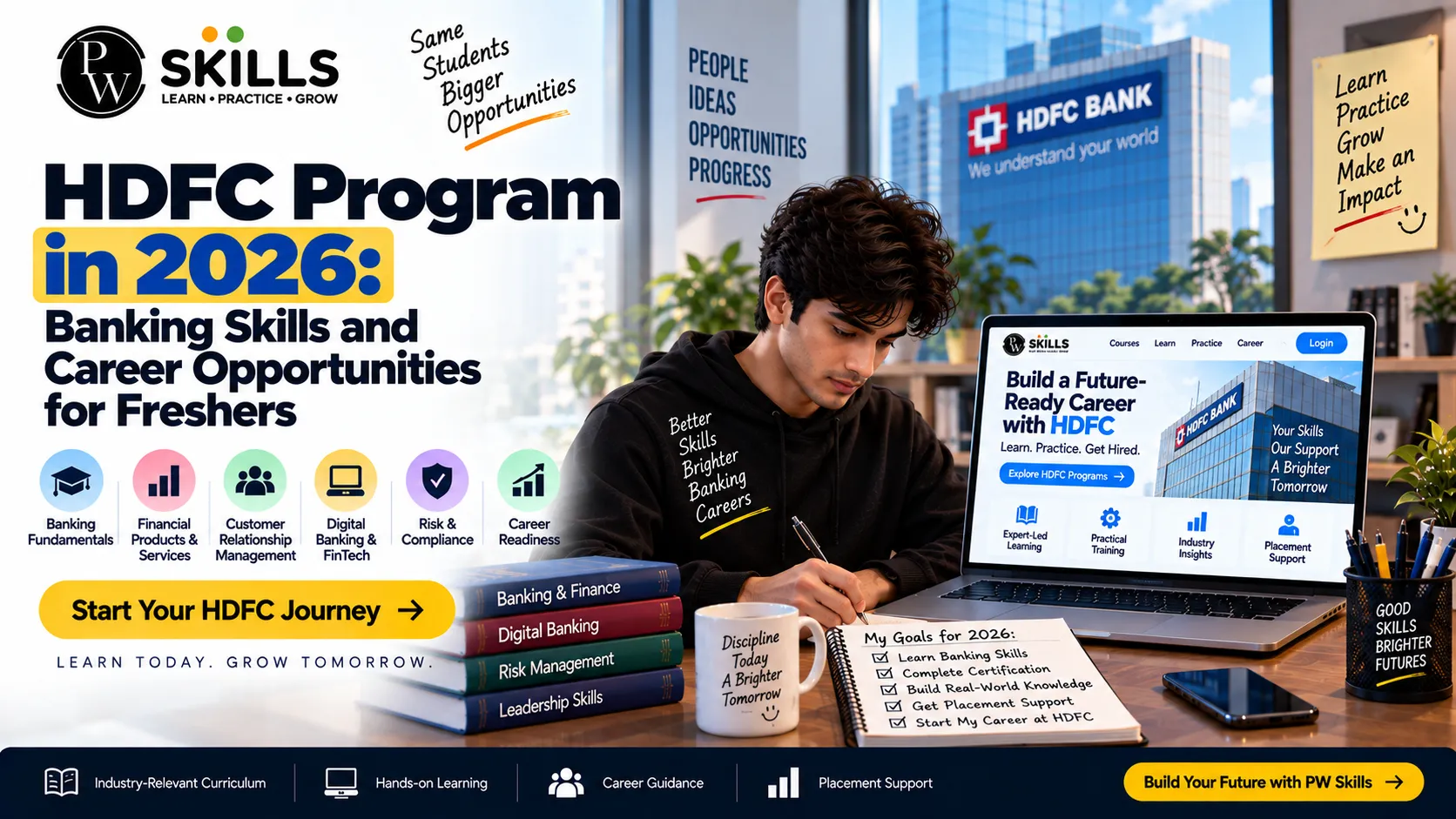
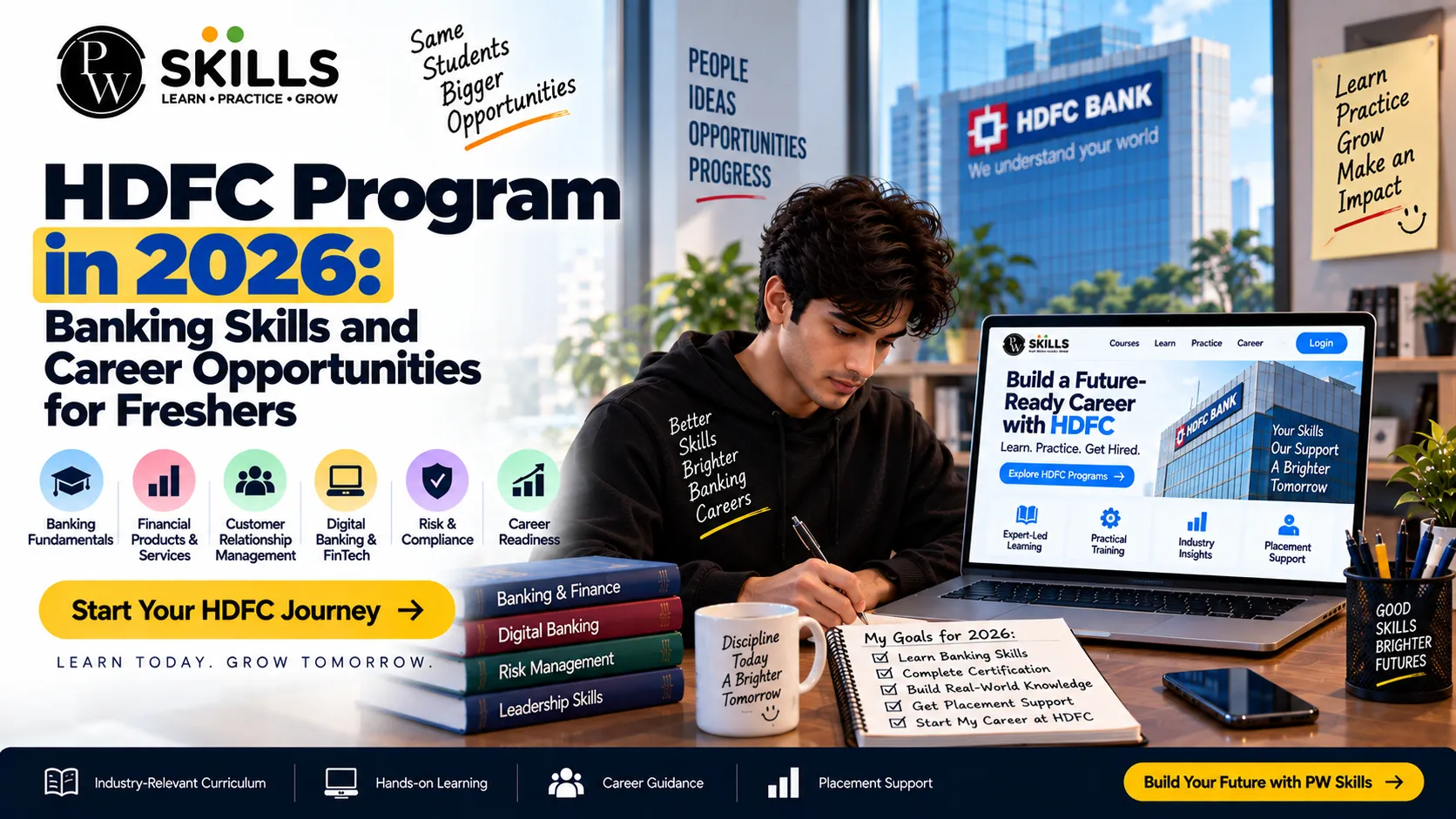
The current banking sector requires practical skills as well as academic knowledge. Many graduates don’t grasp branch operations, customer handling, sales and the processes of retail banking. HDFC Program bridges this gap with structured learning and industry oriented exposure. Such programs can allow budding bankers to build necessary skills and to gain a better understanding of what is expected of entry level employees in the BFSI sector.
What Is the HDFC Program and What Skills Does It Teach
This curriculum revolves around the skills and knowledge needed for jobs in banking. Retail banking products, customer service, digital payments, sales process, and basic compliance are some of the areas that can help graduates joining the BFSI sector get ready for workplace duties.
Academic qualifications provide theoretical knowledge, but banking roles also involve regular interaction with customers, handling documentation, using digital systems, and following established processes. Industry-focused training can help learners understand these activities before they enter a professional environment.
Participants may develop knowledge related to account services, customer onboarding, financial products, transaction processes, and branch operations. Communication and customer relationship skills are also important because many entry-level banking positions involve explaining products and responding to customer queries.
The precise structure, qualifying criteria, costs, training length and employment process may vary depending on the program and the intake. Candidates should thus consult the current official program details before applying.
How the HDFC Program Helps Freshers Prepare for Bank Jobs
Securing reliable bank jobs for freshers typically requires clearing competitive exams or completing certified professional training frameworks. Industry-aligned initiatives like the HDFC banking program approach recruitment by combining preparatory classes with practical internships. This dual model benefits both the financial institution and the job seeker.
Some areas that such programmes may cover include:
-
Practical Banking Exposure: Learners can become familiar with common branch activities, customer interactions, documentation, and retail banking processes.
-
Customer Handling: Training can focus on communicating with customers, understanding their requirements, explaining products, and addressing basic service queries.
-
Sales Knowledge: Participants may learn how banking products are presented to customers and how financial needs are mapped with suitable offerings.
-
Professional Skills: Communication, teamwork, presentation, problem-solving, and workplace etiquette can help graduates adjust to professional environments.
-
Assessment Based Learning: Tests, assignments, role plays, or practical activities can help learners check their understanding before entering a workplace.
Freshers should also bear in mind that a training program doesn’t automatically guaranty a specific job or career outcome. The terms of employment are subject to the unique program, eligibility, performance and the recruitment process of the organization.
Also Check : BFSI Course
What BFSI Skills Can You Build Through the HDFC Program
The BFSI sector requires a combination of technical knowledge, digital skills, communication, and customer service abilities. This program can help learners understand several of these areas through structured training and practical learning activities.
Important skills include:
-
Customer Relationship Management: Understanding customer requirements, maintaining professional relationships, and communicating relevant banking products and services.
-
Digital Banking Skills: Becoming familiar with online banking, mobile banking, digital payment methods, and other technology-driven financial services.
-
Compliance Awareness: Learning the importance of KYC procedures, documentation, customer verification, and responsible banking practices.
-
Banking Product Knowledge: Understanding common products such as savings accounts, current accounts, loans, cards, deposits, and other retail banking services.
-
Communication Skills: Explaining financial products and processes clearly while maintaining professional communication with customers.
-
Sales Skills: Understanding customer needs, presenting suitable products, handling objections, and following responsible sales practices.
-
Data and Documentation: Maintaining accurate customer information and following established processes for banking records.
These skills can be useful beyond one specific organisation because many entry-level banking roles require similar combinations of customer service and operational knowledge.
What Career Opportunities Can Follow the HDFC Program
This program can introduce freshers to different areas of banking and financial services. Depending on the programme structure, qualifications, and recruitment process, candidates may explore entry-level roles involving sales, customer relationships, branch support, or banking operations.
A typical progression can involve gaining experience in customer-facing or operational positions before taking on greater responsibilities. Career movement is influenced by performance, experience, qualifications, available positions, and organisational requirements.
|
Career Stage |
Typical Designation |
Core Responsibilities |
|
Entry Level |
Bank Officer / Sales Executive |
Customer onboarding, basic retail services, and product promotion |
|
Mid Level |
Relationship Manager / Credit Analyst |
Managing high-value accounts, portfolio tracking, and loan assessments |
|
Senior Level |
Branch Manager / Operations Head |
Strategic planning, target achievement, and team leadership |
These are examples of possible banking career routes, not guarantyd designations following a specific curriculum. Candidates should evaluate the particular position and employment conditions related to their selected program.
How to Prepare for the HDFC Program and Banking Careers
Preparing before joining a banking-focused programme can help graduates make better use of their training. This program may provide structured learning, but candidates can strengthen their preparation by developing basic financial and professional knowledge independently.
Start by understanding common banking terms and services. Learn the difference between savings and current accounts, understand basic loan terminology, and become familiar with digital payment systems. Candidates should also be aware of the significance of customer verification and documentation in the financial services industry.
Communication practice is also worthwhile. Bankers often have to explain things, answer inquiries and engage with consumers from many walks of life. Clear and respectful communication might consequently enhance workplace readiness.
Freshers can also improve their preparation by:
-
Learning Banking Basics: Understand common banking products, services, and terminology.
-
Improving Communication: Practise explaining financial concepts in simple language.
-
Building Digital Skills: Become comfortable with basic digital tools and online financial services.
-
Understanding Customer Needs: Learn how customer requirements influence product conversations.
-
Following Financial News: Keep track of major developments in banking, digital payments, and financial services.
-
Preparing for Assessments: Review aptitude, reasoning, communication, and banking-related topics where applicable to the selection process.
A combination of technical knowledge and professional skills can make the transition from academic study to a workplace environment easier.
Key Takeaways From the HDFC Program
Structured training initiatives bridge the historical divide between fresh graduates and corporate banking expectations. By focusing on practical branch training, communication mastery, and product knowledge, aspiring professionals can build sustainable, rewarding career trajectories in the financial sector.





FAQ
1. What is the main objective of an HDFC program for graduates?
2. Are freshers eligible to apply for the HDFC bank program tracks?
3. What specific BFSI skills are taught during these professional courses?
4. How do bank jobs for freshers benefit from structured training?
5. What career growth can I expect after completing banking careers training?





Get Free Counselling Today
and Clear up all your Doubts
 Live & recorded classes available at easeDashboard for progress trackingLakhs of practice questions

