
Java Blogs


Get Free Counselling Today
and Clear up all your Doubts
This article gathers Java developer blogs, tutorials, coding concepts, backend topics, and career advice for students, beginners, and professionals. You can explore different topics to develop your programming skills, improve your coding, and learn about career paths in Java development.
Java Developer Blogs for Beginners and Professionals
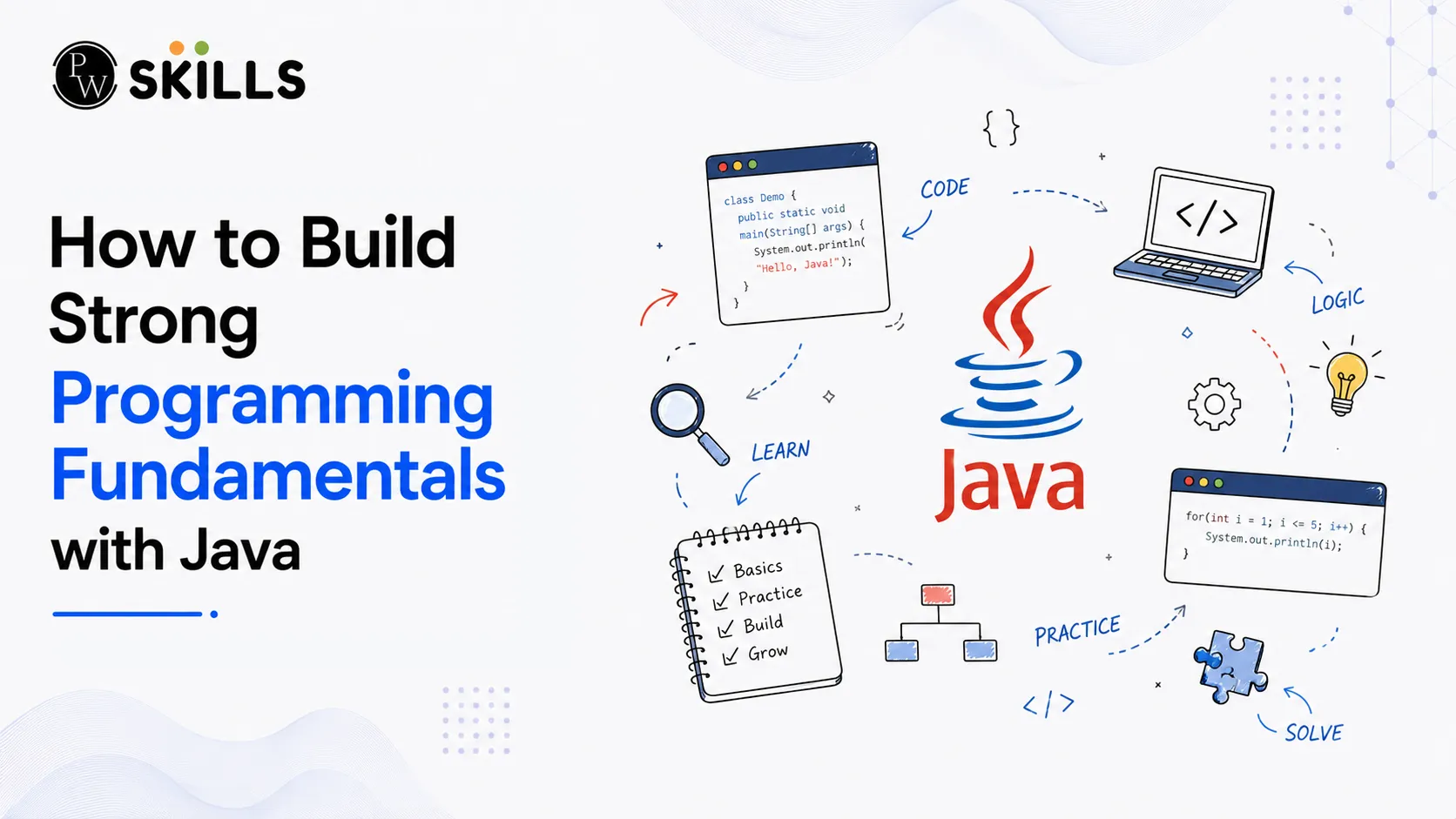
If you want to build a strong programming foundation, Java developer blogs are very useful. If you are a beginner, you can begin with the basics like variables, data types, loops, conditions, arrays, functions, classes, objects, inheritance, and exception handling.
As you learn, you can delve into advanced topics such as collections, multi-threading, file handling, JDBC, APIs, backend frameworks, microservices, databases, design patterns, and application deployment.
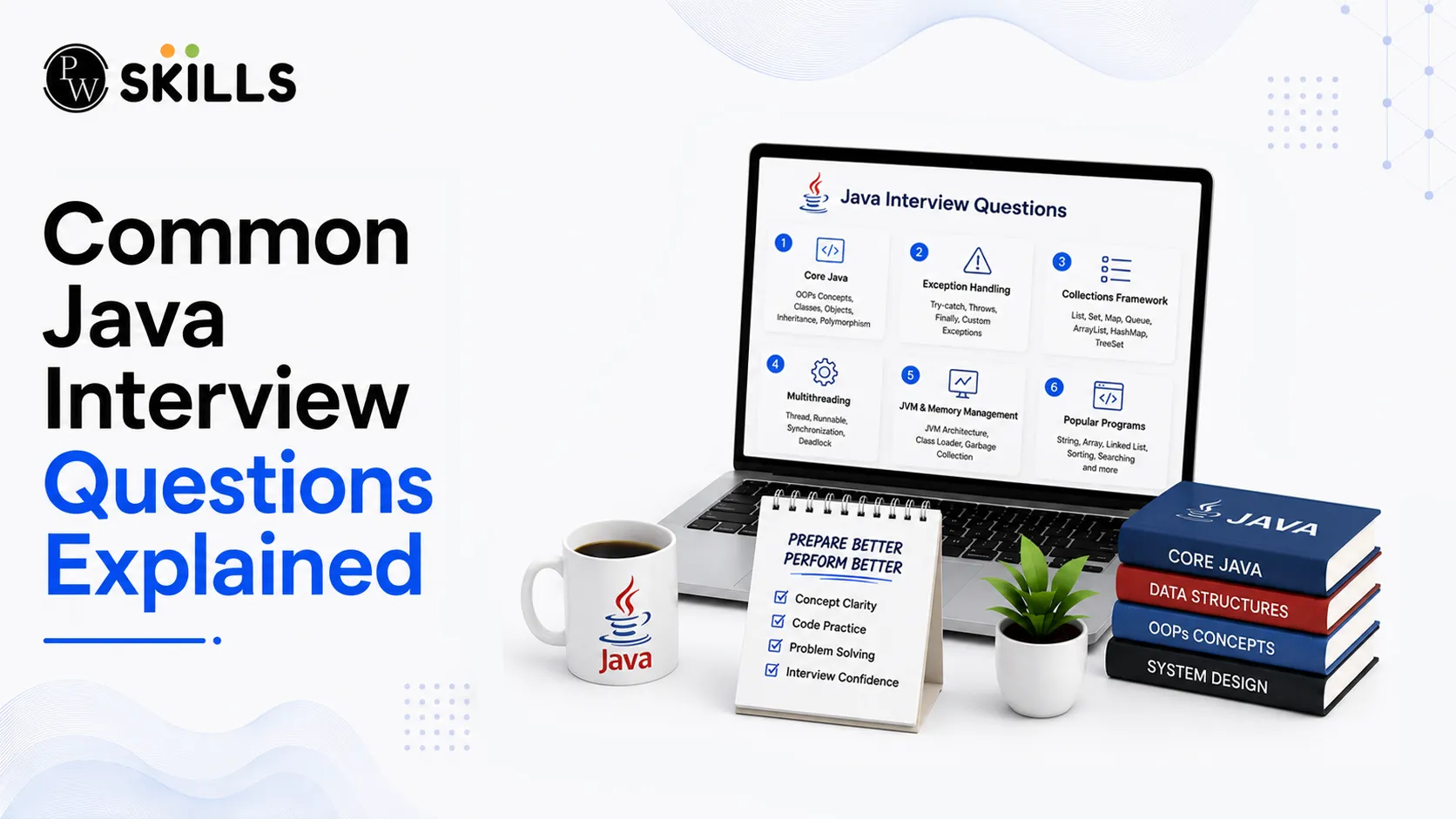
If you are a student or beginner, Java developer blogs can guide your coding practice and help you get ready for job placement. These blogs help professionals to learn backend development, understand frameworks, build projects and prepare for interviews.
The aim is to make programming concepts easy to understand with practical explanations and real world examples.
Why Java Is Important in Software Development
Java has been a key part of software development for decades because it is stable, scalable, portable, and has a large ecosystem. Many companies still use Java for:
-
Enterprise applications
-
Banking systems
-
Backend development
-
Android development
-
Cloud-based services
-
Web applications
-
Financial platforms
-
E-commerce systems
Java is still popular because of its “write once, run anywhere” approach. Programs written in Java can run on different systems using the Java Virtual Machine (JVM), making them portable and flexible.
Java is also widely used thanks to its strong community, helpful libraries, frameworks, good documentation, and reliable performance for large businesses.
Java developer blogs show why Java remains important, even as new technologies emerge.
Java Programming Tutorials
Java programming tutorials are useful because they explain coding concepts step by step.
Instead of only giving definitions, tutorials show how programs are written, compiled, debugged, and improved. This helps learners move from theory to hands-on practice.
Common Java programming tutorials may include:
-
Java syntax and basics
-
Object-oriented programming
-
Constructors and methods
-
Arrays and collections
-
Exception handling
-
File handling
-
Multithreading
-
JDBC and database connectivity
-
Spring Boot basics
-
Java backend projects
For example, a beginner tutorial may explain how loops work in Java. A backend tutorial may explain how to connect an application to a database using JDBC. A framework tutorial may show how to build APIs using Spring Boot.
These tutorials help learners understand how Java is used in real software projects.
Object-Oriented Programming in Java
One of the most important areas covered in Java developer blogs is object-oriented programming.
Object-oriented programming, often called OOP, helps developers organise code using objects and classes. It makes programs easier to manage, reuse, test, and maintain.
The four major OOP concepts are:
-
Encapsulation
-
Inheritance
-
Polymorphism
-
Abstraction
Java uses these concepts extensively in software development.
For example:
-
Encapsulation helps protect data
-
Inheritance reduces repeated code
-
Polymorphism improves flexibility
-
Abstraction hides unnecessary implementation details
Understanding object-oriented programming is important because many Java interviews and backend development roles expect strong OOP knowledge.
Backend Development with Java
Java is commonly used in backend development.
The backend is the part of an application that handles business logic, databases, APIs, authentication, servers, and data processing.
Java frameworks such as Spring and Spring Boot are widely used to build scalable backend systems.
Java backend development often includes:
-
REST API development
-
Database integration
-
Authentication systems
-
Microservices
-
Cloud deployment
-
Security implementation
-
Server-side logic
Java developer blogs can help learners understand how backend systems work and how Java supports enterprise-level application development.
Software Development Career Opportunities
A software development career in Java can offer opportunities across different industries such as fintech, ecommerce, SaaS, healthcare, banking, enterprise software, and cloud computing.
Common roles include:
-
Java Developer
-
Backend Developer
-
Software Engineer
-
Full Stack Developer
-
Spring Boot Developer
-
Application Developer
-
Android Developer
-
API Developer
-
Software Consultant
-
Technical Analyst
Many companies continue to hire Java developers because enterprise systems and backend applications still depend heavily on Java-based architecture.
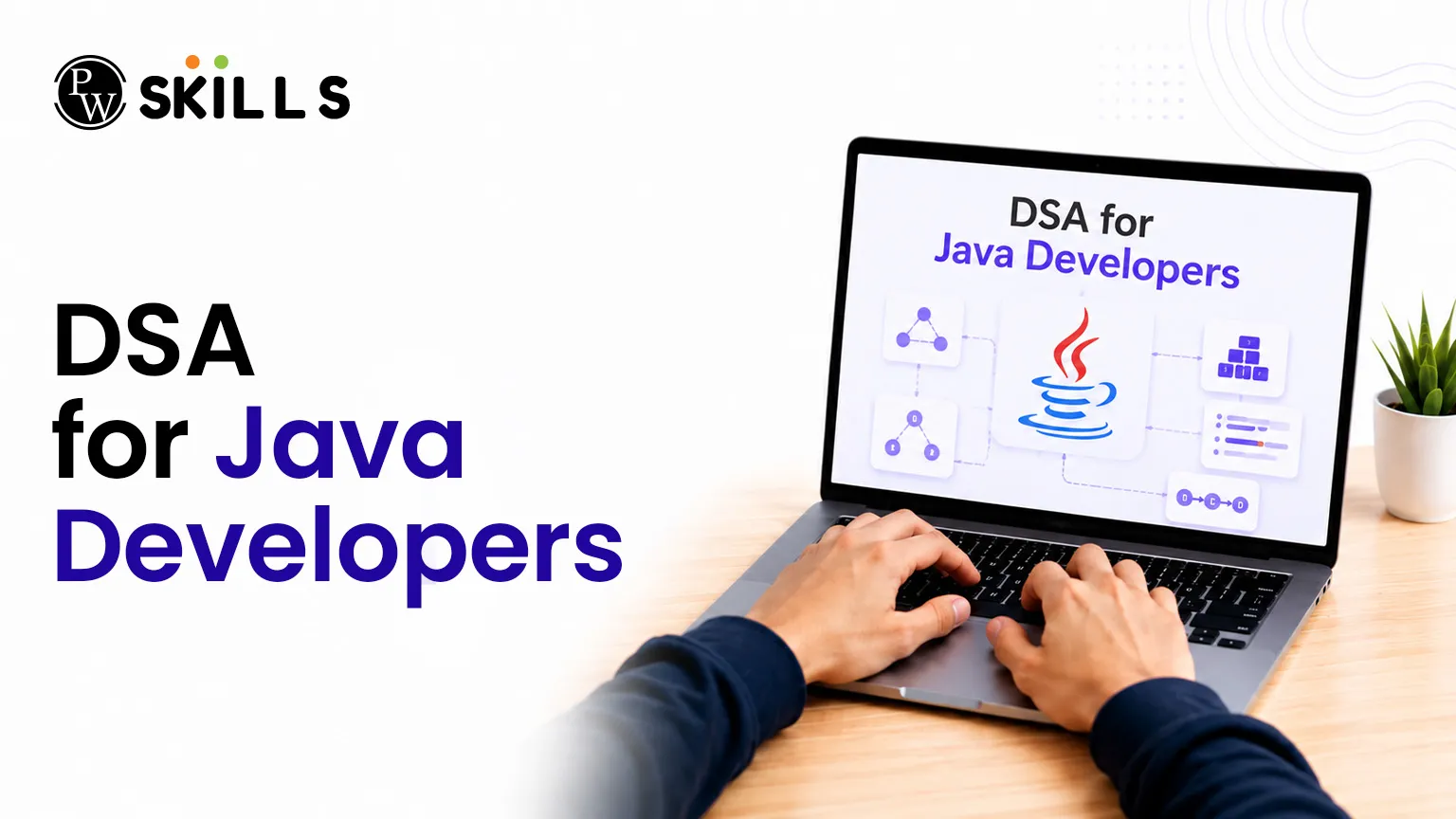
Freshers can begin with core Java, OOP, DSA, SQL, and small projects before moving towards frameworks, APIs, and advanced backend systems.
Skills Needed for a Java Developer Career
A strong software development career usually requires more than syntax knowledge.
Java developers should focus on:
-
Core Java concepts
-
Object-oriented programming
-
Data structures and algorithms
-
SQL and databases
-
APIs and backend systems
-
Debugging
-
Version control with Git
-
Problem-solving
-
Basic system design
-
Frameworks such as Spring Boot
Communication and project explanation skills are also important because developers often work with teams and discuss technical solutions.
Hands-on projects help learners improve both coding ability and confidence.
Java Projects for Learning
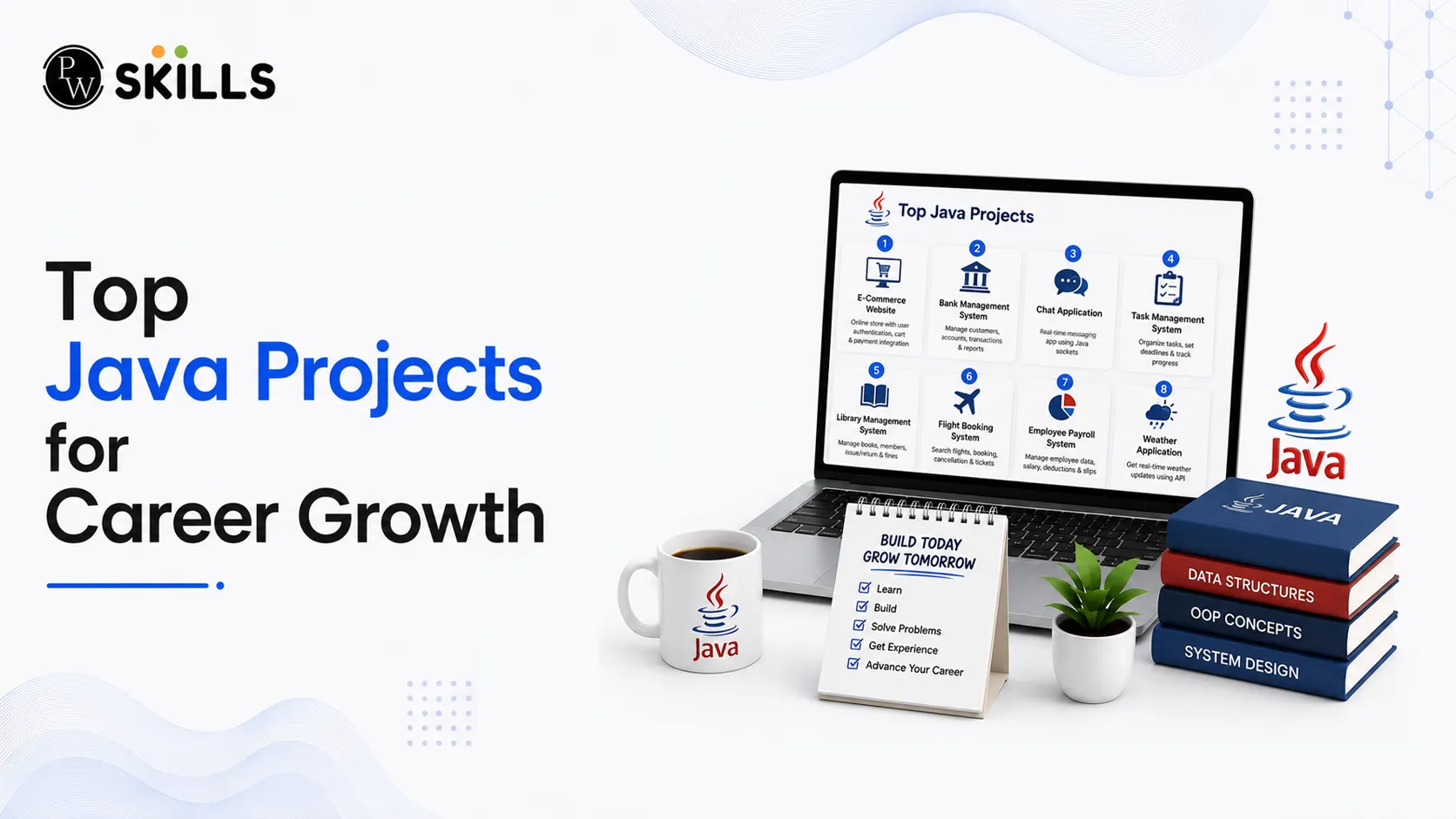
Projects help learners apply concepts in practical situations.
Some beginner-friendly Java projects include:
-
Student management system
-
Banking application
-
Library management system
-
Calculator application
-
To-do application
-
Login authentication system
-
Employee management system
Intermediate learners can move towards:
-
REST API projects
-
Ecommerce backend systems
-
Chat applications
-
Spring Boot applications
-
Database-driven systems
-
Microservice projects
Projects make resumes stronger because they show implementation ability instead of only theoretical understanding.
Latest Trends in Java Development
Java development continues to evolve with modern backend and cloud technologies.
Some current trends include:
-
Cloud-native Java applications
-
Microservices architecture
-
Spring Boot adoption
-
Containerisation with Docker
-
Kubernetes deployment
-
Reactive programming
-
AI-supported coding tools
-
API-first backend systems
-
DevOps integration
Modern Java developers are expected to understand not only coding, but also deployment workflows, scalability, APIs, cloud systems, and performance optimisation.
Java developer blogs help learners stay updated with these changing requirements.
How Java Developer Blogs Help Learners
Starting out in programming can be tough, since there are so many concepts, tools, and frameworks to learn.
Java developer blogs make learning easier by breaking topics down into smaller, more manageable parts.
You can start with basics like syntax and object-oriented programming, then slowly move on to collections, data structures, APIs, databases, frameworks, and backend systems.
Re-reading regularly, practising code, debugging, and building projects all help you become more confident in Java development.
FAQ
What are Java developer blogs?
Who should read Java developer blogs?
How do Java programming tutorials help beginners?
Why is Java important in software development?
What skills are needed for a software development career in Java?




 Live & recorded classes available at easeDashboard for progress trackingLakhs of practice questions

